Reflexology for TMJ involves applying targeted pressure to specific reflex points on the feet and hands—primarily the “neck” of the big toe—to stimulate the temporomandibular joint. This holistic therapy aims to reduce inflammation, relax hyperactive jaw muscles, and alleviate pain associated with temporomandibular disorders (TMD) without invasive procedures. These benefits extend to other conditions, with specific Foot Reflexology Techniques for Chronic Headache Sufferers also being highly effective.
Temporomandibular Joint (TMJ) disorders affect millions of people, manifesting as clicking sounds, locking jaws, headaches, and debilitating pain. While traditional medicine often prescribes mouthguards or anti-inflammatory medication, many sufferers are turning to holistic health solutions to address the root causes of tension. Reflexology offers a non-invasive, therapeutic pathway to relief by utilizing the body’s intrinsic energetic pathways.
Understanding Reflexology for TMJ
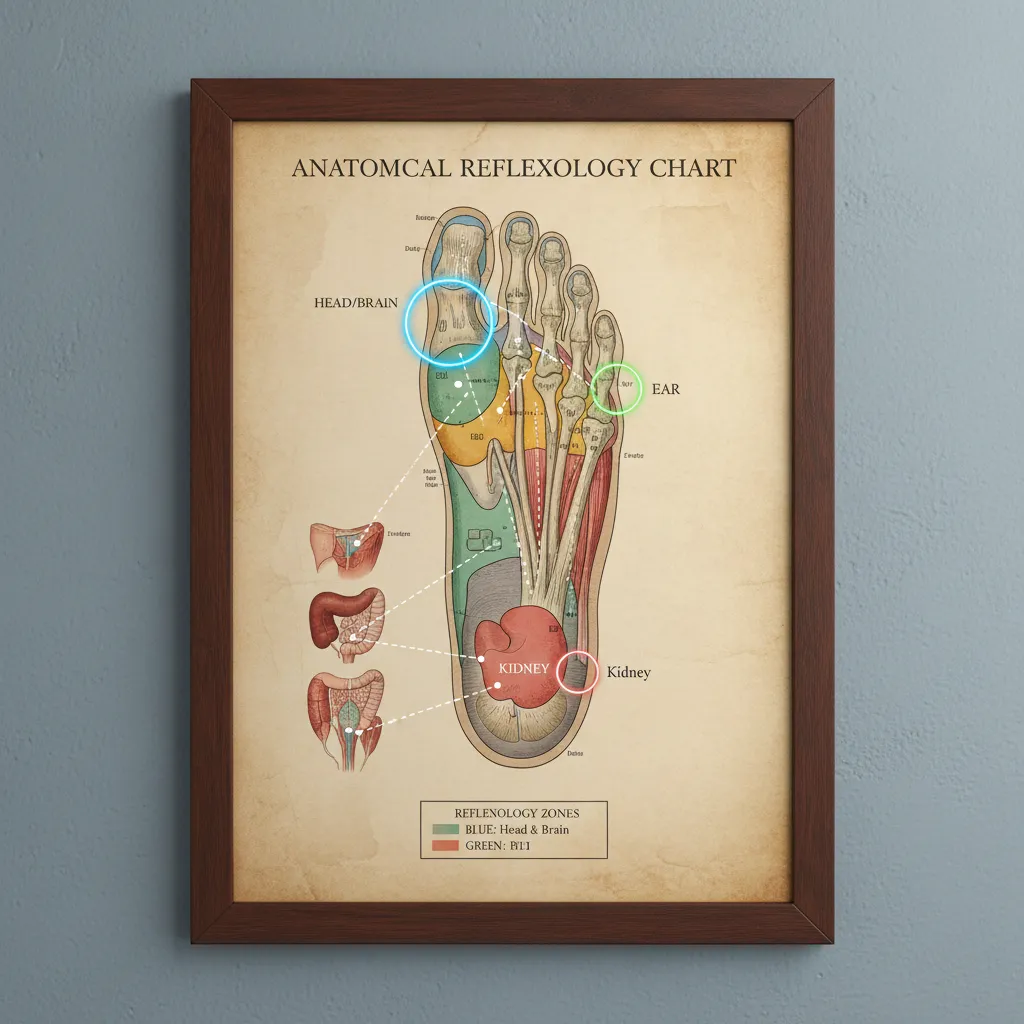
Reflexology is more than a simple foot massage; it is a systematic practice based on the principle that specific points on the feet, hands, and ears correspond to different organs and systems within the body. By manipulating these points, practitioners believe they can clear blockages in the nervous system and energy meridians, promoting healing in the corresponding area.
When discussing reflexology for TMJ, we are specifically targeting the zones that correspond to the head, neck, and nervous system. The goal is to interrupt the cycle of pain and tension. TMJ is often exacerbated by stress, poor posture, and muscle tightness. Reflexology addresses all three by engaging the parasympathetic nervous system—the body’s “rest and digest” mode—which is essential for chronic pain management.
The Anatomy of Connection: Why Feet Affect the Jaw
It may seem counterintuitive that rubbing a toe could soothe a jaw, but the connection lies in the body’s longitudinal zones. According to zone therapy theory, the body is divided into ten vertical zones running from the head to the toes. The big toe falls into zone one, which correlates to the head and neck area.
Furthermore, the fascia—the connective tissue wrapping muscles and organs—creates a continuous web throughout the body. Tightness in the plantar fascia of the foot can technically transmit tension up the posterior chain of the body, eventually influencing neck and jaw alignment. By releasing tension in the feet, we often see a systemic release of tension upward.
For authoritative information on the physiological complexities of TMJ disorders, the National Institute of Dental and Craniofacial Research provides extensive data on how these joint disorders manifest physically.
Mapping the Jaw: Locating the Reflex on the Big Toe
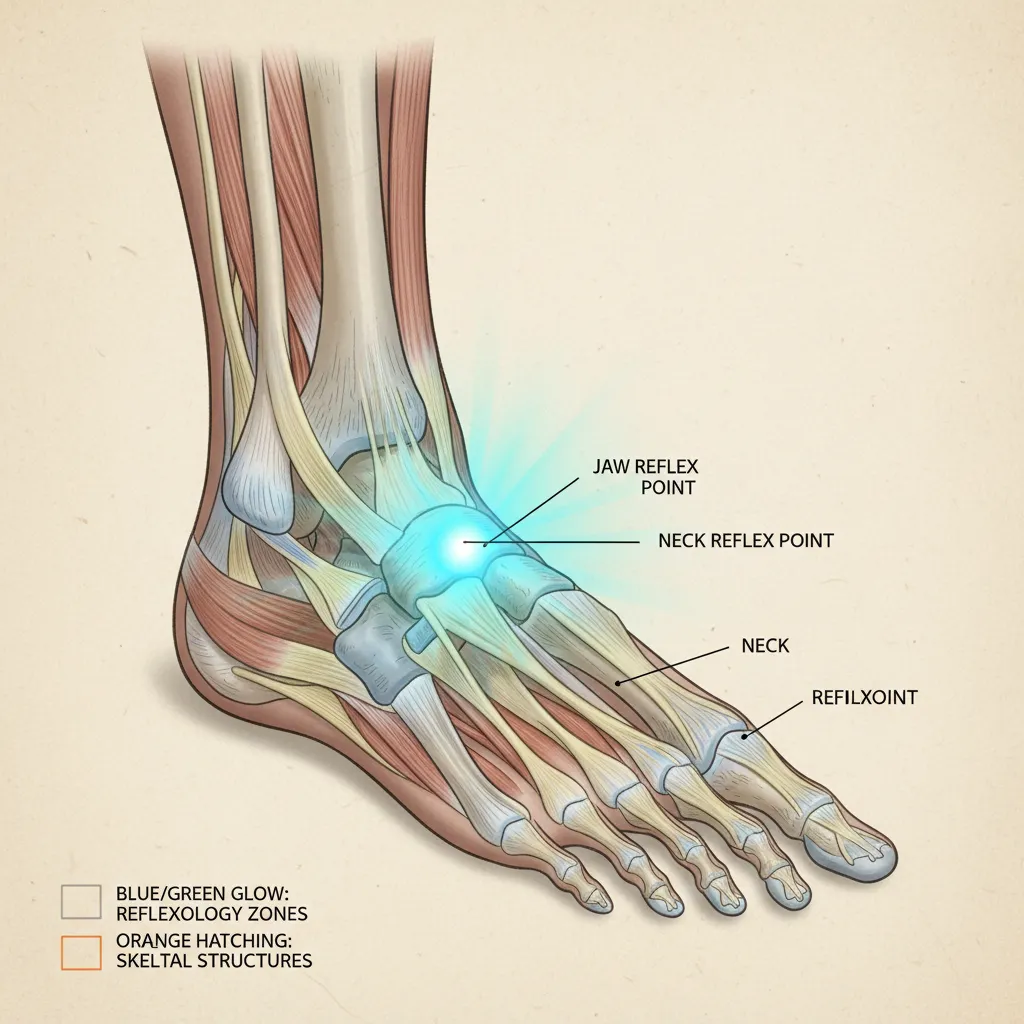
The primary reflex point for the jaw is located on the big toe (the Hallux). Mastery of this specific point is the cornerstone of using reflexology for TMJ relief.
The “Neck” of the Toe
To locate the jaw reflex, look at the dorsal aspect (top) of your big toe. The area immediately below the toenail and above the first joint represents the neck. The specific reflex for the jaw wraps around the side of the toe, just below the nail bed, extending slightly toward the second toe. If you have TMJ issues, this area is often tender or “crunchy” to the touch, indicating crystal deposits or tension.
The Technique
- Support the big toe with one hand.
- Use the thumb of your working hand to apply firm but comfortable pressure.
- Use a “thumb walking” technique—inching your thumb across the skin like a caterpillar—along the base of the nail and down the side of the toe.
- Focus on the indentation where the toe connects to the foot if you feel referred pain in the lower jaw.
Reducing Grinding (Bruxism) Through Stress Reflexes
Bruxism, or teeth grinding, is a leading cause of TMJ pain. It is almost exclusively driven by subconscious stress and anxiety, particularly during sleep. Therefore, treating the jaw physically is not enough; you must also treat the nervous system.
The Solar Plexus Point
The Solar Plexus Reset is the “reset button” for stress. It is located in the center of the ball of the foot. When you curl your toes, a small depression forms in the middle of the foot pad—this is the point.
Application: Press your thumb deeply into this pivot point and hold for 10-15 seconds while taking slow, deep breaths. Release slowly. Repeat this three times on each foot before bed. This signals the adrenal glands to lower cortisol production, reducing the likelihood of nocturnal grinding.
Neck Alignment and Jaw Tension: The Cervical Link
The jaw and the neck are mechanically inseparable. The muscles that control the jaw (masseter and temporalis) work in tandem with the suboccipital muscles at the base of the skull. If your cervical spine (neck) is misaligned or tense, your jaw will compensate, leading to TMJ pain.
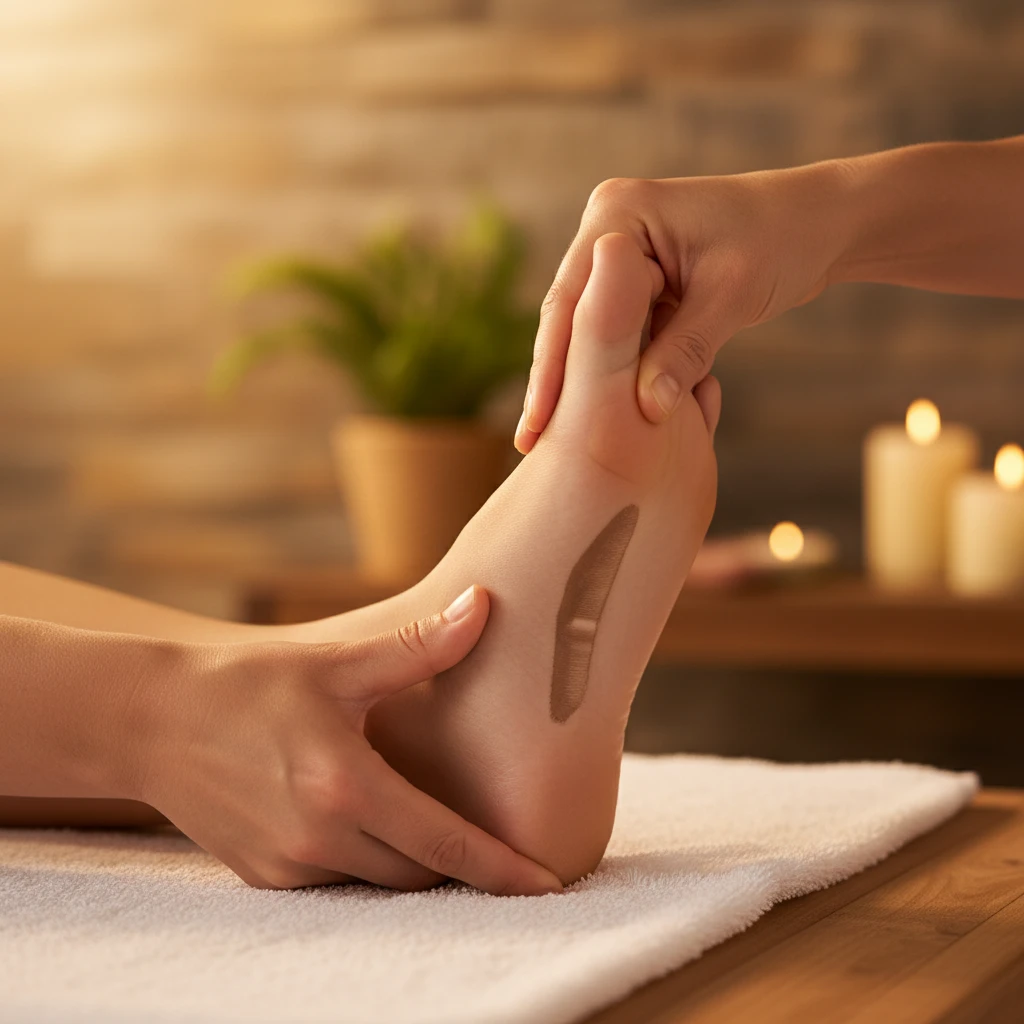
In reflexology, the spine is mapped along the medial edge (inner arch) of the foot. The cervical spine (neck) reflex is located on the inner edge of the big toe, extending down to the first joint of the foot.
Working the Cervical Reflex
Run your thumb from the base of the big toe nail down the side of the toe towards the heel. You may feel small bumps or “grains of sand.” These are calcium deposits indicating congestion in the corresponding body part. Work these areas gently in a circular motion to encourage blood flow to the neck muscles, thereby reducing the tension pulling on the jaw.
Step-by-Step Reflexology Routine for TMJ
For maximum benefit, perform this routine daily, preferably in the evening to prepare the body for rest and prevent night grinding.
- Warm-up: Begin by massaging the entire foot with warm oil (magnesium oil is excellent for muscle relaxation) to increase circulation.
- Solar Plexus Press: Hold the solar plexus point for 30 seconds to induce systemic relaxation.
- The Big Toe Walk: Thumb-walk horizontally across the neck of the big toe, just below the nail. Do this 3 times.
- The Jaw Sweep: Apply pressure to the outer side of the big toe (the side facing the second toe). Slide your thumb from the top of the toe down to the base. This mimics the release of the jaw hinge.
- Cervical Release: Massage the inner ridge of the big toe (spinal line) to release neck tension.
- Pituitary Point: Press the exact center of the fleshy part of the big toe print. This stimulates the pituitary gland, which regulates hormones and pain response.
Complementary Exercises for Jaw Mobility
While reflexology for TMJ addresses the energetic and nervous system components, physical therapy exercises are necessary to retrain the musculature. Combining reflexology with these movements creates a comprehensive healing strategy.
The Goldfish Exercise
- Place your tongue on the roof of your mouth behind your front teeth.
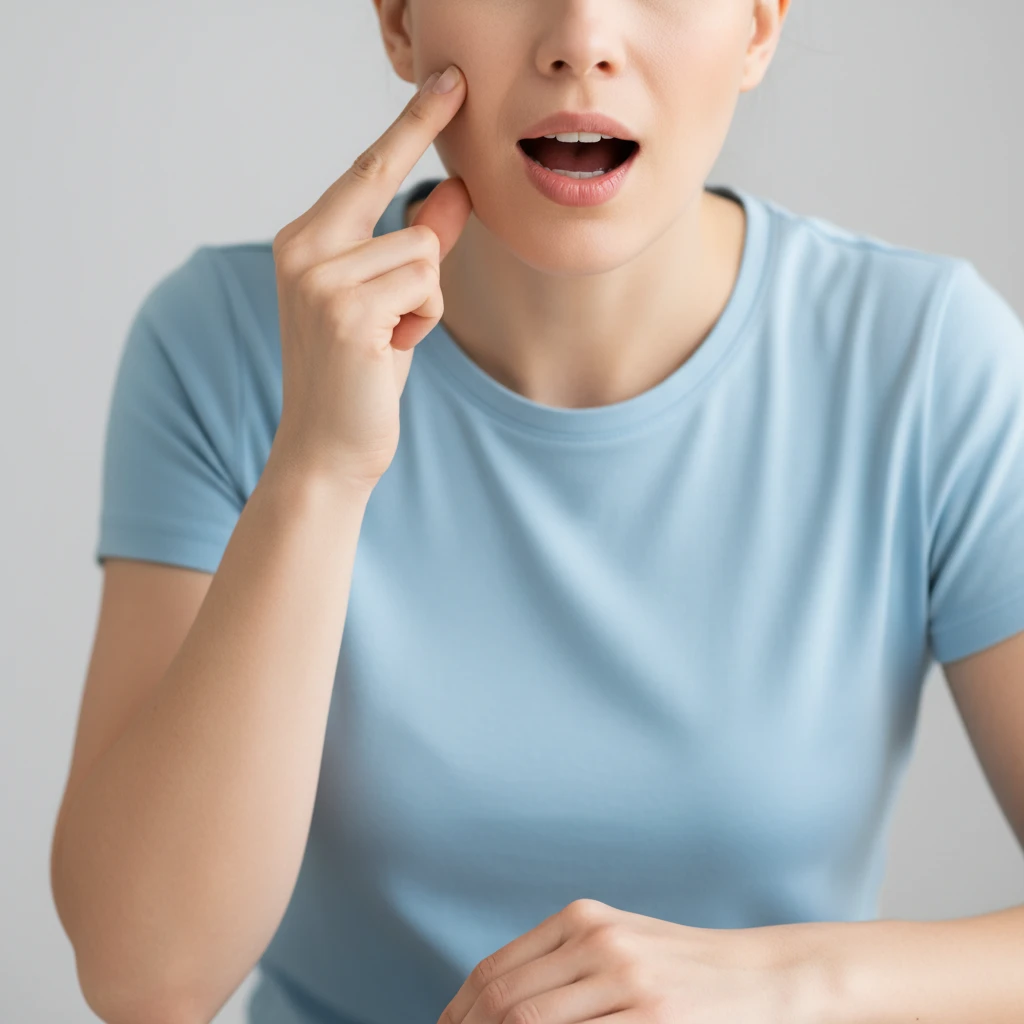
- Place one finger in front of your ear (on the TMJ joint) and one on your chin.
- Open your jaw halfway, then close it. Repeat 6 times.
- Open your jaw fully, then close it. Repeat 6 times.
- Ensure your chin moves straight down and up, not deviating to the side.
Chin Tucks
- Stand with your shoulders back and chest up.
- Pull your chin straight back as if making a “double chin.”
- Hold for 3 seconds and release.
- Repeat 10 times.
For further reading on integrative approaches to pain management, the National Center for Complementary and Integrative Health offers valuable insights into how massage and reflexology modalities affect chronic pain conditions.
Frequently Asked Questions
Does reflexology really work for TMJ?
Yes, many individuals find relief using reflexology for TMJ. By stimulating the nervous system and specific reflex points connected to the head and neck, reflexology can reduce cortisol levels, relax the masseter muscles, and improve blood flow to the jaw area, helping to alleviate pain and tension.
Where is the pressure point for jaw pain?
The primary reflexology pressure point for jaw pain is located on the big toe. Specifically, it is found on the dorsal aspect (top) of the toe, just below the toenail, wrapping around the side of the toe towards the second toe. Massaging this area targets the jaw and neck region.
Can foot massage cure lockjaw?
Reflexology and foot massage cannot “cure” lockjaw (trismus) instantly, especially if it is caused by infection or severe trauma. However, it can significantly aid in relaxing the muscles surrounding the temporomandibular joint, potentially increasing mobility and reducing the severity of the locking over time as part of a broader treatment plan.
How often should I do reflexology for TMJ?
For chronic TMJ pain, it is recommended to practice self-reflexology daily, preferably before bed to reduce nighttime grinding. If seeing a professional reflexologist, a series of weekly sessions for 4-6 weeks is typically suggested to establish a baseline of relief.
What emotions are stored in the jaw?
In holistic health and psychosomatic medicine, the jaw is often associated with suppressed anger, frustration, and the inability to express oneself. “Biting your tongue” or “gritting your teeth” are physical manifestations of holding back words or emotions, which can lead to chronic tension in the TMJ.
Can a tight neck cause TMJ?
Absolutely. The cervical spine and the jaw are biomechanically linked. Tightness in the neck (particularly the suboccipital muscles) can pull the jaw out of alignment, and conversely, a misaligned jaw can cause neck pain. Treating the neck reflex point is essential for lasting TMJ relief.