
Therapeutic reflexology is a complementary health therapy that involves applying pressure to specific reflex points, primarily on the feet and hands, to promote healing and well-being throughout the body. For residents of Auckland seeking natural solutions for various health concerns, therapeutic reflexology offers a non-invasive approach to alleviate symptoms and restore balance.
Introduction to Therapeutic Reflexology in Auckland
In a world increasingly seeking holistic and natural approaches to health, therapeutic reflexology stands out as a profound and effective practice. For individuals across Auckland grappling with persistent discomforts, stress, or digestive issues, this ancient therapy offers a beacon of hope. It’s more than just a foot massage; it’s a targeted healing modality that taps into the body’s innate ability to heal itself. This guide delves deep into how therapeutic reflexology can address a spectrum of common ailments, offering a comprehensive resource for anyone considering this powerful form of care in the Auckland region.
What is Therapeutic Reflexology? Unveiling the Principles
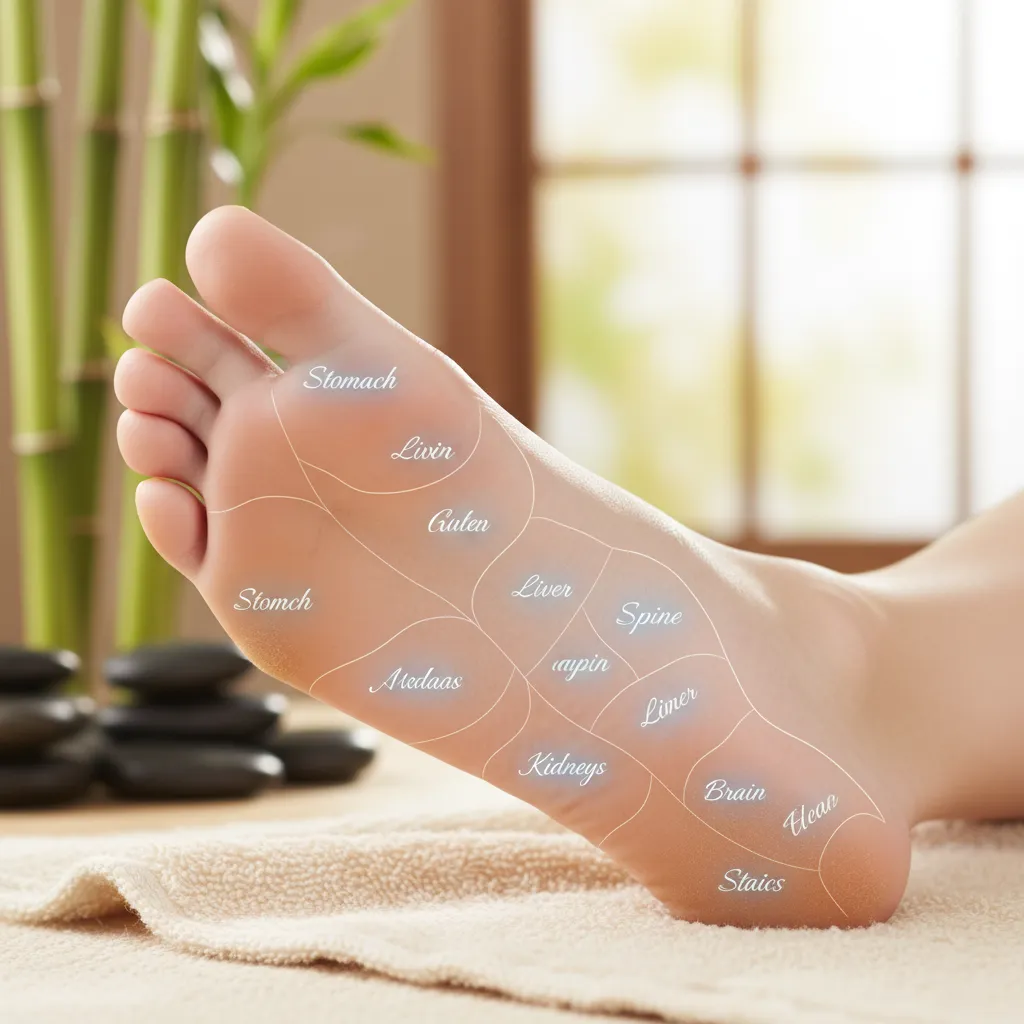
Therapeutic reflexology is founded on the principle that specific areas on the feet, hands, and ears correspond to organs, glands, and other parts of the body. By applying precise pressure techniques to these reflex points, a qualified practitioner can stimulate nerve pathways, improve circulation, and encourage the body to return to its natural state of balance, known as homeostasis. Unlike a general massage, reflexology focuses on stimulating these reflex points to trigger a healing response in the corresponding body area, aiming to address the root cause of discomfort rather than just the symptoms. It’s a centuries-old practice, with roots tracing back to ancient Egyptian and Chinese civilizations, and its efficacy is increasingly recognised in modern complementary medicine circles.
This modality operates on the theory that blockages in energy pathways, often referred to as ‘zones’, can lead to various health problems. Reflexology aims to clear these blockages, allowing vital energy (chi) to flow freely, thereby enhancing organ function and reducing pain. The pressure applied is specific and intentional, varying in intensity depending on the individual’s needs and the area being treated. A skilled therapeutic reflexologist uses their thumbs and fingers to work systematically across the reflex maps, addressing not only obvious problem areas but also identifying potential imbalances before they manifest as severe symptoms.
How Reflexology Addresses Chronic Pain
Chronic pain can be debilitating, impacting every facet of life from mobility to mental well-being. Therapeutic reflexology offers a potent, drug-free alternative or complementary approach to managing persistent pain conditions. The mechanism involves several interconnected physiological responses. Firstly, by stimulating nerve endings in the feet or hands, reflexology can interrupt pain signals travelling to the brain, effectively reducing the perception of pain. This is akin to the ‘gate control theory’ of pain, where non-noxious input can close the ‘gate’ to painful stimuli.
Secondly, reflexology promotes the release of endorphins, the body’s natural painkillers. These neurochemicals not only alleviate pain but also induce a sense of relaxation and well-being, which is crucial for those living with chronic discomfort. Conditions such as lower back pain, arthritis, fibromyalgia, and sciatica often respond positively to regular reflexology sessions. For instance, specific reflex points corresponding to the spine, hips, and knees can be targeted to reduce inflammation and improve flexibility. By improving blood circulation to affected areas, reflexology also helps to deliver essential nutrients and remove metabolic waste products, which can contribute to pain and stiffness. The reduction in muscular tension throughout the body, achieved through deep relaxation, further eases pressure on joints and nerves, providing sustained relief.
Relief for Stress and Anxiety Through Reflexology
In our fast-paced society, stress and anxiety have become pervasive issues. Therapeutic reflexology is renowned for its profound calming effects on the nervous system, making it an excellent modality for stress reduction and anxiety management. A typical session induces a state of deep relaxation, shifting the body from a ‘fight or flight’ (sympathetic) response to a ‘rest and digest’ (parasympathetic) state. This transition is critical for reducing the physical manifestations of stress, such as tense muscles, rapid heartbeat, and shallow breathing.
By activating the parasympathetic nervous system, reflexology helps to lower cortisol levels, the primary stress hormone. This hormonal rebalancing can lead to improved mood, enhanced mental clarity, and a greater sense of peace. Many clients report feeling a significant reduction in their general anxiety levels, experiencing better sleep quality, and an increased ability to cope with daily stressors after regular treatments. The tactile nature of reflexology also provides a comforting and grounding experience, helping individuals feel more present and less overwhelmed by anxious thoughts. Targeting reflex points associated with the adrenal glands, solar plexus, and brain can further enhance these calming effects, fostering a profound sense of serenity that extends long after the session concludes.
Digestive Health Improvements with Foot Reflexology
Digestive issues, ranging from irritable bowel syndrome (IBS) and constipation to indigestion and bloating, are common complaints that significantly impact quality of life. Therapeutic foot reflexology offers a natural way to support and improve digestive health. The feet contain specific reflex points that correspond to various organs of the digestive system, including the stomach, small intestine, large intestine, liver, pancreas, and gallbladder.
By systematically working these reflex points, a reflexologist can stimulate the vagus nerve, which plays a crucial role in regulating digestive processes. This stimulation helps to regulate peristalsis (the muscular contractions that move food through the digestive tract), enhance nutrient absorption, and promote the efficient elimination of waste. For individuals suffering from constipation, targeting the colon reflexes can encourage bowel movements. Similarly, stimulating points related to the stomach and pancreas can aid in the production of digestive enzymes, alleviating indigestion and discomfort. Regular reflexology sessions can help to restore balance to the entire gastrointestinal system, reducing inflammation, improving gut motility, and strengthening the body’s natural digestive capabilities, leading to fewer symptoms and greater comfort. You can learn more about the scientific basis of reflexology from reputable sources like Wikipedia’s comprehensive article on Reflexology.
Headache and Migraine Management
Headaches and migraines are debilitating conditions that can severely disrupt daily life. While conventional treatments often involve medication, therapeutic reflexology provides a complementary approach focused on prevention and reduction of severity. The theory behind reflexology for headaches and migraines involves addressing underlying imbalances that may contribute to their onset, such as tension, stress, and circulatory issues.
Reflexologists target specific points on the feet and hands that correspond to the head, neck, shoulders, and sinuses. By working these areas, they can help to relieve muscular tension in the neck and shoulders, which often contributes to tension headaches. Stimulation of reflex points related to the head can also improve blood flow to the brain, potentially reducing the frequency and intensity of migraines. Furthermore, the overall relaxation induced by reflexology helps to calm the nervous system, reducing triggers that can initiate headache episodes. Many clients report a decrease in both the frequency and severity of their headaches and migraines, often finding that treatments during the prodromal phase can even prevent a full-blown attack. Consistency is key, with regular sessions helping to maintain a state of reduced tension and improved systemic balance, offering a proactive strategy for headache management.
Beyond Ailments: Holistic Wellness Benefits
While therapeutic reflexology is highly effective for specific ailments, its benefits extend far beyond symptom relief to encompass holistic wellness. Regular sessions contribute to overall health maintenance and enhancement. One significant benefit is improved circulation. By stimulating thousands of nerve endings and promoting blood flow, reflexology helps to deliver oxygen and nutrients more efficiently to cells throughout the body while simultaneously facilitating the removal of waste products and toxins. This enhanced detoxification process supports organ function and boosts vitality.
Furthermore, reflexology plays a crucial role in supporting the immune system. The reduction in stress, improved sleep, and enhanced circulation all contribute to a more robust immune response, helping the body to ward off illness more effectively. Clients often report an increase in energy levels and a greater sense of well-being, feeling more balanced and resilient. It’s a proactive step towards preventative health, encouraging the body’s natural healing mechanisms to operate at their optimum. By addressing the individual as a whole, rather than just isolated symptoms, therapeutic reflexology fosters a deeper connection to one’s own health and promotes a sustained state of vibrant health.
What to Expect from a Therapeutic Reflexology Session in Auckland
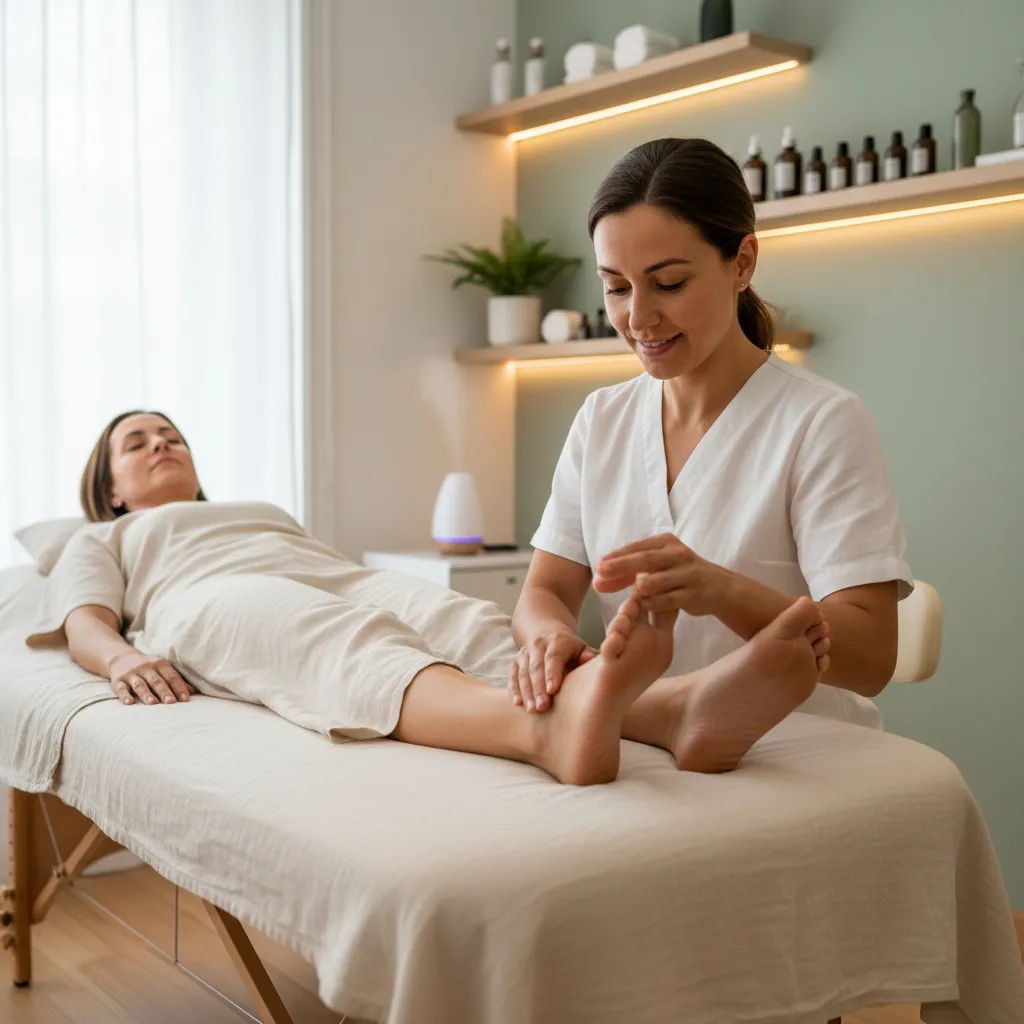
Embarking on a therapeutic reflexology journey in Auckland is a straightforward and often deeply relaxing experience. A typical session begins with a brief consultation where your practitioner will discuss your health history, current concerns, and wellness goals. This ensures that the treatment is tailored specifically to your needs. You will then be asked to recline comfortably in a specialized chair or on a massage table, remaining fully clothed except for your shoes and socks. The practitioner will then begin applying pressure to your feet, and sometimes hands, using specific techniques with their thumbs, fingers, and knuckles.
The pressure applied varies from firm to gentle, and while some points may feel tender, it should never be painful. Many clients describe the experience as profoundly relaxing, often drifting into a semi-sleep state. A session typically lasts between 45 to 60 minutes. After the session, you may feel deeply relaxed, light-headed, or energized. It’s common to feel a sense of calm and clarity. Your therapist may offer advice on post-treatment care, such as drinking plenty of water to aid detoxification. For optimal results, a course of several sessions is often recommended, especially for chronic conditions, with frequency determined by your individual needs and the practitioner’s recommendation.
Choosing a Qualified Therapeutic Reflexologist in Auckland
When seeking therapeutic reflexology in Auckland, selecting a qualified and experienced practitioner is paramount to ensuring safe and effective treatment. It’s essential to look for reflexologists who are certified by reputable training institutions and ideally belong to a professional association. These affiliations often indicate that the practitioner adheres to high standards of practice, ethics, and ongoing professional development. In New Zealand, associations such as Reflexology New Zealand (RNZ) can provide directories of qualified therapists, ensuring you receive care from someone with proper credentials.
Beyond qualifications, consider the practitioner’s experience, particularly with your specific health concerns. A good reflexologist will conduct a thorough initial consultation, listen attentively to your needs, and clearly explain the treatment plan. Trust and rapport with your therapist are also crucial for a positive healing experience. Don’t hesitate to ask questions about their training, approach, and what you can expect from the sessions. Reading testimonials or asking for recommendations can also provide valuable insight. Investing time in finding the right therapeutic reflexology practitioner in Auckland will significantly enhance your journey towards improved health and well-being.
Integrating Reflexology into Your Health Routine
Therapeutic reflexology is most effective when viewed as a complementary therapy, working in conjunction with conventional medical treatments and a healthy lifestyle. It is not a substitute for professional medical advice or treatment. Discussing your reflexology treatments with your primary healthcare provider is always recommended, especially if you have chronic conditions or are on medication. This collaborative approach ensures that all aspects of your health are being addressed comprehensively and safely.
For optimal and lasting results, consistency is often key. Just as with exercise or healthy eating, regular reflexology sessions can build cumulative benefits. Your practitioner can help you determine an appropriate treatment schedule based on your goals and the nature of your ailments. Integrating reflexology into your broader health routine—alongside a balanced diet, regular physical activity, adequate sleep, and stress management techniques—creates a powerful synergy. It empowers you to take an active role in your own health, fostering a holistic approach to well-being that promotes long-term vitality and resilience.

Conclusion: Embrace Wellness with Therapeutic Reflexology
Therapeutic reflexology offers a profound and accessible pathway to enhanced health and well-being for individuals across Auckland facing common ailments like chronic pain, stress, digestive issues, and headaches. By harnessing the body’s intrinsic healing capabilities through targeted pressure on reflex points, this natural therapy provides symptomatic relief while fostering systemic balance. It stands as a testament to the power of holistic care, addressing not just the symptoms but the underlying energetic and physiological imbalances. Choosing a qualified therapeutic reflexologist in Auckland can be a transformative step, guiding you towards a state of deeper relaxation, improved function, and revitalized health. Embrace the ancient wisdom and modern efficacy of therapeutic reflexology to unlock a healthier, more balanced you.
People Also Ask
What is therapeutic reflexology?
Therapeutic reflexology is a complementary health therapy that applies targeted pressure to specific reflex points on the feet, hands, and ears, which correspond to various organs and systems in the body. Its aim is to stimulate the body’s natural healing processes, improve circulation, reduce stress, and restore overall balance.
How does reflexology help with chronic pain?
Reflexology can alleviate chronic pain by interrupting pain signals, promoting the release of endorphins (natural painkillers), reducing muscle tension, and improving circulation to affected areas. It works on specific reflex points linked to the painful regions of the body to encourage healing and reduce inflammation.
Can reflexology really reduce stress and anxiety?
Yes, reflexology is highly effective for stress and anxiety reduction. It helps shift the body into a ‘rest and digest’ state by activating the parasympathetic nervous system, lowering cortisol levels, and inducing deep relaxation. This leads to improved sleep, mood, and coping mechanisms for daily stressors.
Is therapeutic reflexology safe for everyone?
While generally safe, it’s advisable to consult with your doctor before starting reflexology, especially if you have certain health conditions like blood clots, open wounds, or are pregnant. A qualified reflexologist will conduct a thorough health history to ensure the treatment is appropriate and tailored to your individual needs.
How many reflexology sessions are typically needed to see results?
The number of sessions varies depending on the individual’s condition and goals. For chronic issues, a series of regular sessions (e.g., weekly for 4-6 weeks) is often recommended, followed by maintenance treatments. For general wellness or acute stress, even a single session can provide significant relief, though consistency enhances long-term benefits.
How do I find a qualified therapeutic reflexologist in Auckland?
To find a qualified therapeutic reflexologist in Auckland, look for practitioners certified by reputable training institutions and consider those affiliated with professional associations like Reflexology New Zealand (RNZ). Always ask about their experience, qualifications, and ensure they conduct a comprehensive initial consultation.