
Fertility reflexology is a specialized therapeutic modality that involves applying targeted pressure to specific zones on the feet and hands which correspond to the body’s reproductive organs and endocrine glands. By stimulating these reflex points, practitioners aim to regulate hormonal imbalances, improve pelvic circulation, and significantly reduce cortisol levels to create the optimal physiological environment for natural conception or assisted reproduction.
For many couples and individuals navigating the complex journey of conception, the path to parenthood can be fraught with emotional stress, physical demands, and medical interventions. While modern medicine offers incredible advancements in reproductive technology, an increasing number of people are turning to holistic health strategies to enhance their fertility. Among these, fertility reflexology has emerged as a powerful, non-invasive complementary therapy designed to support the body’s natural rhythms. This guide provides a comprehensive analysis of how this modality works, the specific protocols used for different stages of fertility, and how it integrates with clinical treatments like IVF.
The Science of Fertility Reflexology: Balancing the Endocrine System
At its core, reflexology is based on the premise that the body is mapped out on the feet, hands, and ears. In the context of reproductive health, the primary goal is not merely relaxation, but the restoration of homeostasis within the endocrine system. The endocrine system is a complex network of glands that produce and release hormones that control many important body functions, including the ability to conceive.
The HPA Axis and Stress Reduction
One of the most significant barriers to conception is stress. When the body is under chronic stress, the hypothalamus-pituitary-adrenal (HPA) axis becomes dysregulated. The body prioritizes survival over reproduction, leading to a phenomenon known as the “cortisol steal,” where the production of stress hormones (cortisol and adrenaline) takes precedence over reproductive hormones like progesterone. Fertility reflexology works to sedate the nervous system, shifting the body from a sympathetic (fight or flight) state to a parasympathetic (rest and digest) state. This shift is crucial for allowing the reproductive system to function optimally.
Targeting Specific Reflex Points
A trained reproductive reflexologist does not simply massage the feet; they perform a targeted protocol. Key reflex points include:
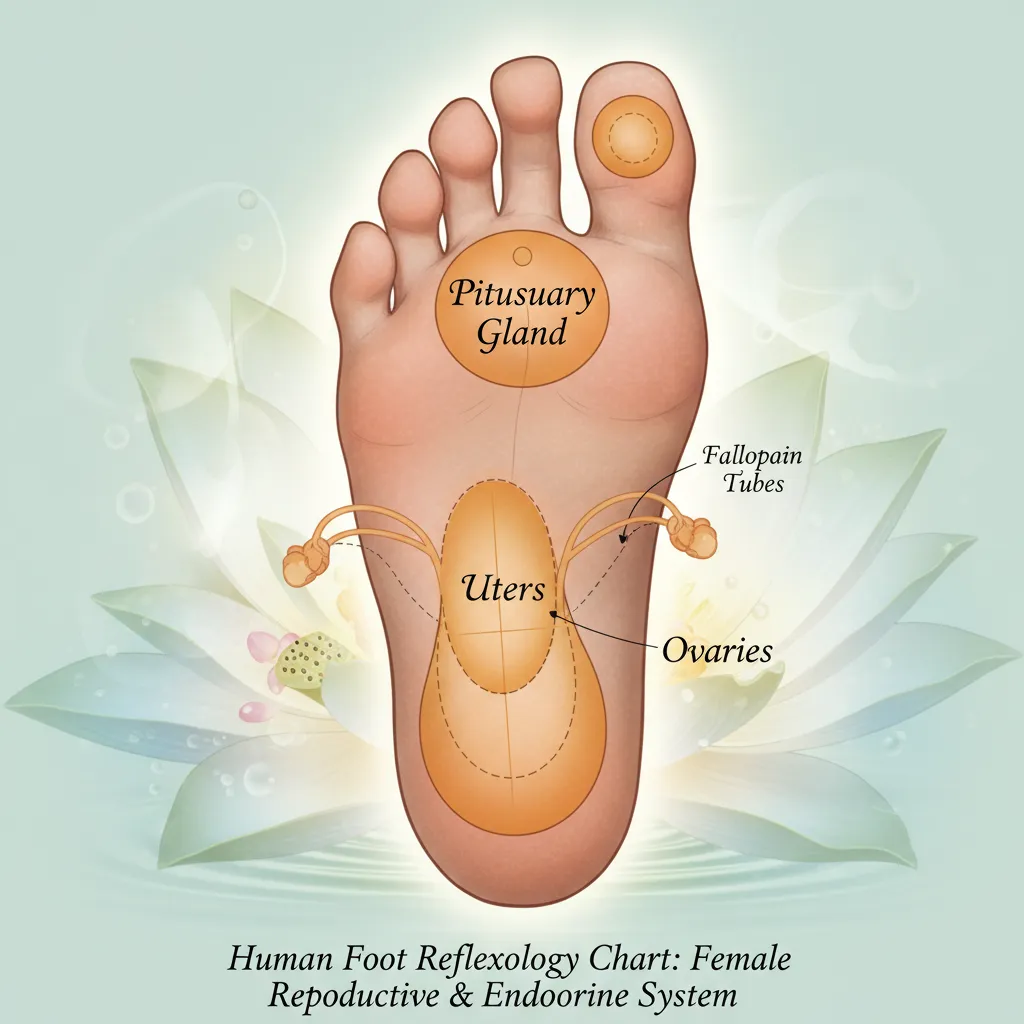
- The Pituitary Gland Point: Often called the “master gland,” the pituitary regulates the release of Follicle Stimulating Hormone (FSH) and Luteinizing Hormone (LH), which are essential for ovulation. Stimulation here aims to balance the signaling between the brain and the ovaries.
- The Ovarian Reflexes: Located on the sides of the heels, working these areas is believed to improve blood flow to the ovaries, supporting egg health and maturation.
- The Uterine Reflex: Found on the inside of the ankle, stimulation here focuses on the uterine lining (endometrium), ensuring it is thick and nutrient-rich for implantation.
By enhancing circulation to these specific areas, reflexology ensures that hormones are transported efficiently and that toxins or stagnant fluids are removed from the pelvic cavity.
Protocols for Natural Conception: A Cycle-Based Approach
For clients attempting to conceive naturally, fertility reflexology is rarely a one-size-fits-all treatment. Instead, it follows a structured protocol that mirrors the phases of the menstrual cycle. This cyclical approach ensures that the therapy supports the specific physiological requirements of each week.
Phase 1: Menstruation (Days 1-5)
During the menstrual phase, the focus is on “clearing out.” The reflexologist works to support the body in shedding the uterine lining effectively. Techniques used during this week often focus on the lymphatic system reflexes to aid detoxification and reduce inflammation. It is a time for deep relaxation and pain management, particularly if the client suffers from dysmenorrhea (painful periods).
Phase 2: Follicular Phase (Days 6-13)
As the body prepares for ovulation, the therapy shifts to stimulating the pituitary and ovarian reflex points. The goal is to support the maturation of follicles and the production of estrogen. Enhanced blood flow to the ovaries is critical during this window to ensure the development of a dominant follicle.
Phase 3: Ovulation (Days 14-16)
This is the critical window for conception. Reflexology sessions during this time are often more energetic, focusing on the fallopian tube reflexes to support the transport of the egg. The practitioner works to balance LH levels to trigger the release of the egg. This is also a period where stress reduction is vital to prevent delayed ovulation.
Phase 4: Luteal Phase (Days 17-28)
Often referred to as the “two-week wait,” this phase requires a gentle, calming approach. The focus shifts to the progesterone reflex points to support the maintenance of the uterine lining. Deep lymphatic work is usually avoided; instead, the practitioner focuses on the solar plexus and adrenal points to maintain low stress levels, facilitating implantation. Many practitioners avoid working the direct uterine reflex deeply during this time to prevent uterine contractions.
Supporting Assisted Reproductive Technology (IVF/IUI)
Reflexology is highly compatible with Assisted Reproductive Technology (ART), such as In Vitro Fertilization (IVF) and Intrauterine Insemination (IUI). However, the protocols must be strictly adapted to the medical schedule. It is essential to work with a practitioner who understands the nuances of down-regulation and stimulation drugs.
During Down-Regulation
During the down-regulation phase of IVF, the objective is to suppress the natural menstrual cycle. Reflexology can assist in managing the side effects of medications, such as headaches, hot flashes, and mood swings. The therapy focuses on detoxification and keeping the client emotionally balanced.
During Stimulation
When the ovaries are being stimulated to produce multiple follicles, reflexology aims to increase pelvic circulation without over-stimulating the ovaries, which can be tender and enlarged. The focus is on efficacy—helping the medication reach the target organs.
Pre and Post-Transfer
Research suggests that relaxation therapies around the time of embryo transfer can improve outcomes. A session 24-48 hours before transfer focuses on optimizing blood flow to the uterus. A session 2-3 days after transfer is designed exclusively for deep relaxation and stress management, avoiding any direct reproductive stimulation to support implantation.
According to research highlighted by the National Center for Biotechnology Information (NCBI), reducing stress and anxiety through complementary therapies can have a positive impact on fertility outcomes, making reflexology a valuable adjunct to IVF.
Managing Reproductive Health Conditions
Beyond standard fertility support, reflexology is used as a therapeutic intervention for specific reproductive pathologies.
Polycystic Ovary Syndrome (PCOS)
PCOS is characterized by hormonal imbalances, insulin resistance, and irregular cycles. Reflexology protocols for PCOS focus heavily on the endocrine system to regulate androgen levels and the pancreas reflex points to address insulin resistance. Regular sessions can help re-establish a regular menstrual rhythm, which is the first step toward conception.
Endometriosis
Endometriosis involves tissue similar to the uterine lining growing outside the uterus, causing chronic inflammation and pain. Reflexology aims to reduce this inflammation through lymphatic drainage techniques on the feet. Pain management is a primary goal, as chronic pain elevates cortisol, which further inhibits fertility. By soothing the nervous system, reflexology can help manage the symptoms of endometriosis, making conception more viable.
Amenorrhea
For women who have ceased menstruating (often due to stress, low body weight, or post-pill issues), reflexology acts as a “kickstart.” By intensely stimulating the pituitary and ovarian reflexes, practitioners attempt to wake up the communication pathways between the brain and the reproductive organs.
Male Factor Fertility: The Overlooked Component
Fertility is a shared equation, yet male factor infertility accounts for approximately 40-50% of cases. Reflexology is equally beneficial for men. The protocols for men focus on:
- Improving Sperm Health: By increasing circulation to the testes reflex, therapy aims to support spermatogenesis.
- Reducing Oxidative Stress: Stress affects sperm quality and motility. Reflexology lowers cortisol, which can help protect sperm DNA integrity.
- Prostate Health: Specific work on the prostate reflex point supports the production of seminal fluid, which is vital for sperm transport.
Ideally, couples should attend sessions simultaneously or in parallel to maximize their combined fertility potential.
What to Expect During a Session
If you are considering booking a fertility reflexology session, it is distinct from a standard spa pedicure or foot massage. The initial consultation should be thorough, covering your medical history, cycle details, and any assisted conception plans.

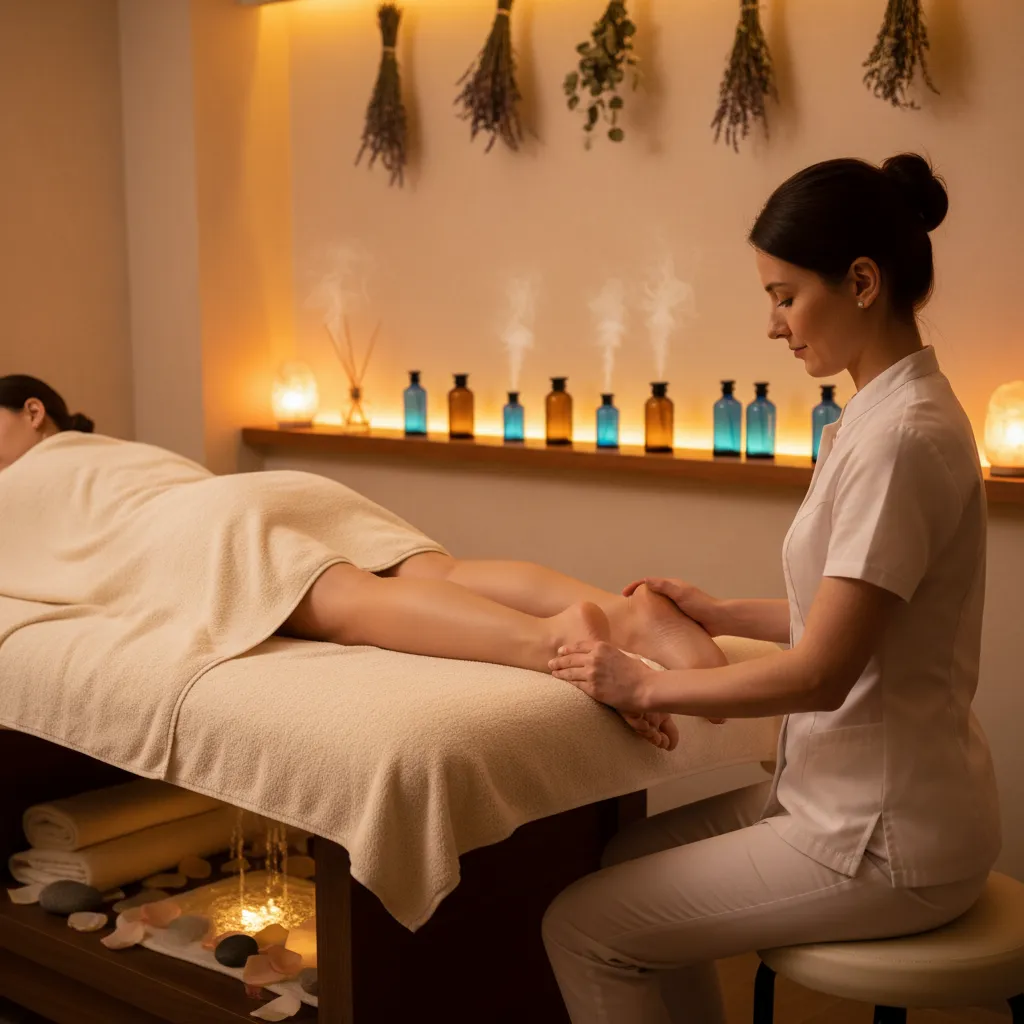
A typical session lasts 45 to 60 minutes. You may experience sensations of tingling, warmth, or momentary tenderness when specific congested points are worked on. This is known as a “healing crisis” or response, indicating that the body is reacting to the stimulus. Professional organizations, such as the Association of Reproductive Reflexologists, maintain directories of practitioners who have undertaken post-graduate training specifically in fertility protocols. Choosing a qualified specialist is essential to ensure the safety and efficacy of the treatment, especially when undergoing IVF.
Frequently Asked Questions
How often should I have reflexology for fertility?
For natural conception, weekly sessions are recommended to align with the four phases of the menstrual cycle. If undergoing IVF, the frequency may vary based on the treatment stage, typically requiring sessions during down-regulation, stimulation, and pre/post-transfer.
Can reflexology unblock fallopian tubes?
Reflexology cannot physically unblock fallopian tubes that are obstructed by scar tissue or adhesions. However, it can help reduce inflammation and spasms in the surrounding tissues, potentially improving function in cases where the blockage is due to tension or fluid retention.
Is reflexology safe during the two-week wait?
Yes, reflexology is safe during the two-week wait if performed by a trained fertility specialist. The protocol changes to be gentle, focusing on relaxation and stress reduction rather than stimulating the uterus or ovaries, to support potential implantation.
Can reflexology help with low sperm count?
Reflexology may support male fertility by reducing stress, improving circulation to the reproductive organs, and balancing hormones. While it is not a cure for genetic causes of low sperm count, it can improve environmental factors that affect sperm quality.
Does fertility reflexology hurt?
Generally, reflexology is relaxing. However, areas corresponding to imbalances (such as the ovaries or pituitary) may feel tender or ‘crunchy’ (due to crystal deposits) when pressed. This sensitivity usually decreases as the body comes back into balance over several sessions.
When should I start reflexology for fertility?
Ideally, it is best to start reflexology 3 months prior to trying to conceive or starting an IVF cycle. This allows time for the endocrine system to regulate and for the egg and sperm (which take roughly 90 days to mature) to benefit from the improved physiological environment.