Foot Reflexology for Headaches: Natural Relief Techniques and Benefits involves applying targeted pressure to specific points on the feet and hands—primarily the big toe, the ridge beneath the toes, and the webbing between the thumb and index finger. This practice stimulates nerve endings to release tension in the neck, shoulders, and scalp, promoting natural pain relief without medication. The versatile benefits of foot reflexology extend to various applications, including unlocking athletic potential.
Understanding Tension Headaches and Reflexology
Tension headaches are the most common type of headache experienced by adults worldwide. Often described as a tight band of pressure around the forehead, these headaches are frequently the result of stress, poor posture, and muscle contractions in the neck and scalp. While modern medicine offers pharmaceutical interventions, many individuals are turning to holistic health practices to address the root cause of the pain rather than merely masking the symptoms. Reflexology, an ancient therapeutic practice, offers a powerful, non-invasive solution.
Reflexology is based on the principle that specific points on the feet, hands, and ears—known as reflex points—correspond to different organs, glands, and muscle groups within the body. By manipulating these points, a practitioner can stimulate the nervous system, improve circulation, and restore the body’s natural energetic balance. For a more comprehensive guide to this practice, see our page on Understanding Reflexology: A Comprehensive Guide. In the context of tension headaches, reflexology focuses on the zones corresponding to the head, neck, spine, and shoulders.
The efficacy of reflexology lies in its ability to induce a state of deep relaxation. When the body is stressed, the sympathetic nervous system (fight or flight) is activated, leading to muscle tightness and vascular constriction. Reflexology activates the parasympathetic nervous system (rest and digest), allowing muscles to relax and blood flow to return to normal, which is essential for alleviating the constriction associated with tension headaches.
The Anatomy of Relief: Key Reflex Points
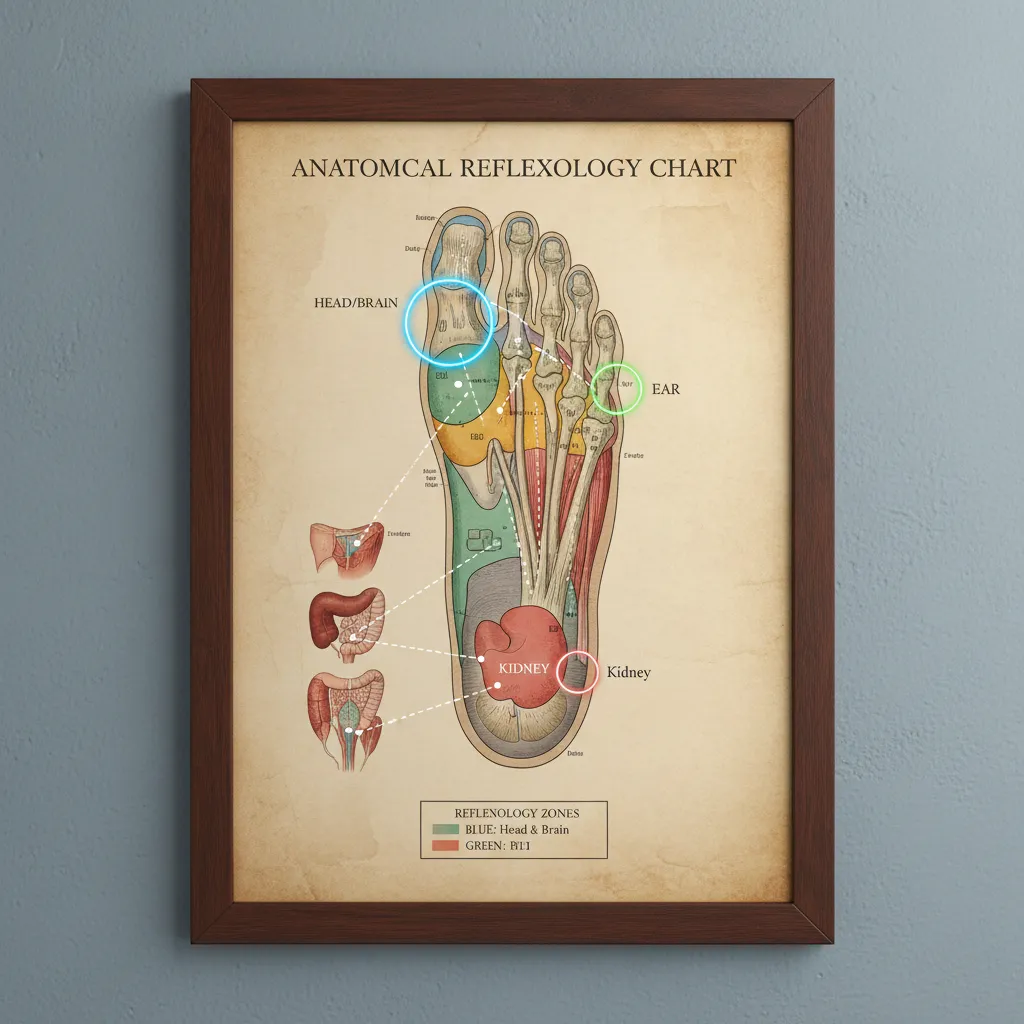
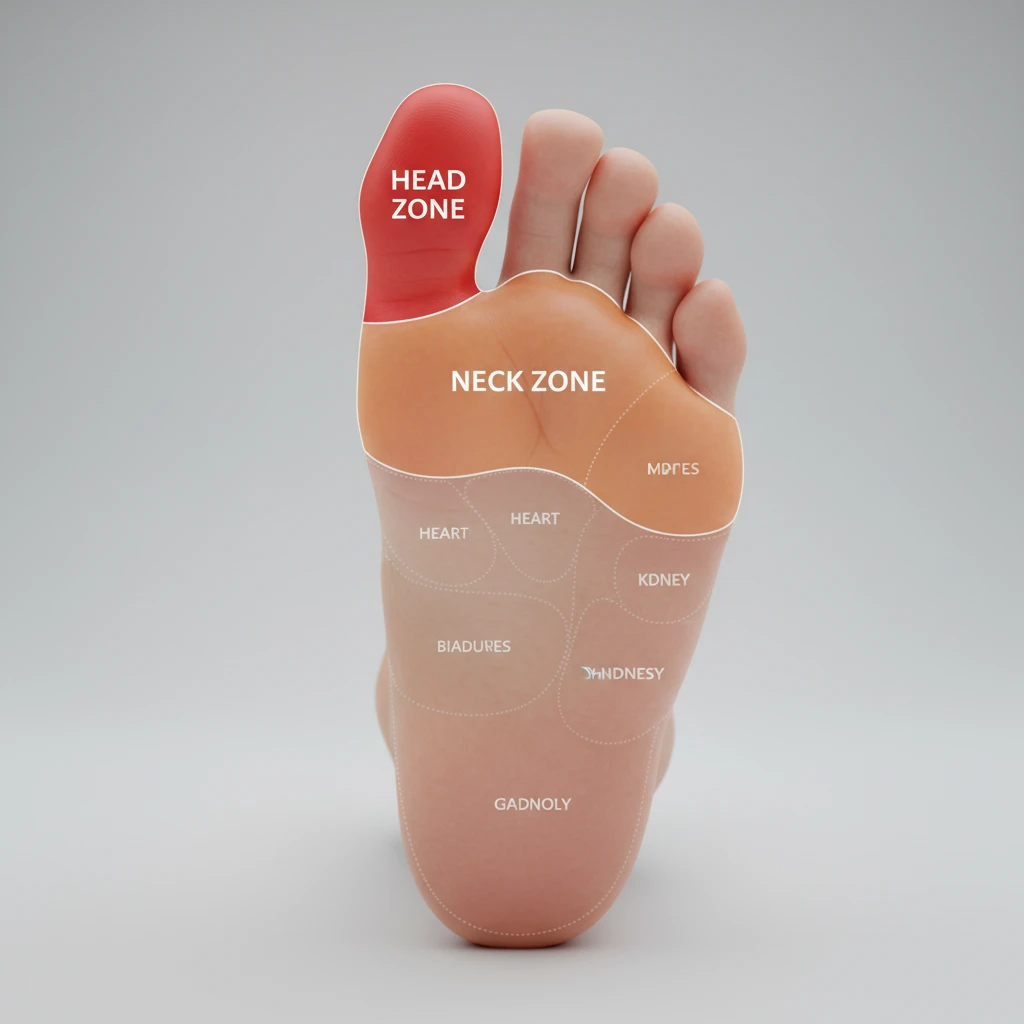
To effectively utilize reflexology for tension headaches, one must understand the specific geography of the foot. Unlike a general foot massage, reflexology is precise. The following areas are critical for headache relief:
The Big Toe (The Head and Brain)
In reflexology maps, the toes represent the head and neck area. The big toe, specifically, correlates to the entire head and brain. The pad of the big toe corresponds to the brain and pituitary gland, while the sides and base of the toe relate to the neck and cervical spine. Working this area helps clear mental fog and reduces the throbbing sensation often felt behind the eyes.
The Ridge Beneath the Toes (The Shoulder Girdle)
Directly beneath the toes, on the ball of the foot, lies the reflex ridge for the shoulders and trapezius muscles. Tension headaches often originate from tightness in the trapezius—the large muscle extending from the neck to the mid-back. If this area of the foot feels “crunchy” or sensitive (indicating crystal deposits or tension), it is a sign that the shoulders are carrying significant stress.
The Spinal Reflex (The Medial Arch)
Running along the inside edge of the foot, from the heel to the big toe, is the spinal reflex. Since tension headaches are often exacerbated by spinal misalignment or poor posture, stimulating this curve helps align the energetic pathway of the spine, supporting the central nervous system.
Addressing the Neck and Shoulder Connection
The neck and shoulders are the primary culprits in tension-type headaches. Modern lifestyles, characterized by long hours hunched over computers and smartphones, create a condition often referred to as “tech neck.” This physical strain manifests as referred pain in the head. Reflexology addresses this by targeting the cervical spine and shoulder reflexes.
To alleviate this specific tension, focus on the “neck rotation” point located at the base of the big toe. Using a technique called “thumb walking,” where the thumb creeps along the skin like a caterpillar, you can break down the tension.
Technique: The Neck Release
Start by stabilizing the foot with one hand. With the other hand, place your thumb at the base of the big toe where it meets the ball of the foot. Press firmly and rotate the thumb in small, clockwise circles. You may feel small granules under the skin; these are often deposits of calcium or uric acid, which reflexologists believe indicate congestion in the corresponding body part. Continue this circular motion across the entire base of the toe, moving from the inside to the outside.
Next, move to the ridge just below the pinky toe, extending across to the big toe on the ball of the foot. This is the shoulder line. Apply deep, sliding pressure across this ridge. If you encounter a tender spot, hold the pressure for 10-15 seconds while taking deep breaths. This mirrors the release of a trigger point in the shoulder muscle itself.
According to the National Center for Complementary and Integrative Health (NCCIH), practices like reflexology may help with relaxation and symptom management for various conditions, supporting the idea that reducing peripheral tension can alleviate central pain.
Relaxing the Jaw and Scalp Reflexes
Many tension headache sufferers unknowingly clench their jaws (bruxism) or hold tension in their scalp. This creates a chain reaction of muscle tightening that wraps around the skull. In reflexology, the jaw reflex is located on the dorsal aspect (top) of the big toe, just below the nail bed, and wraps around to the side of the toe.
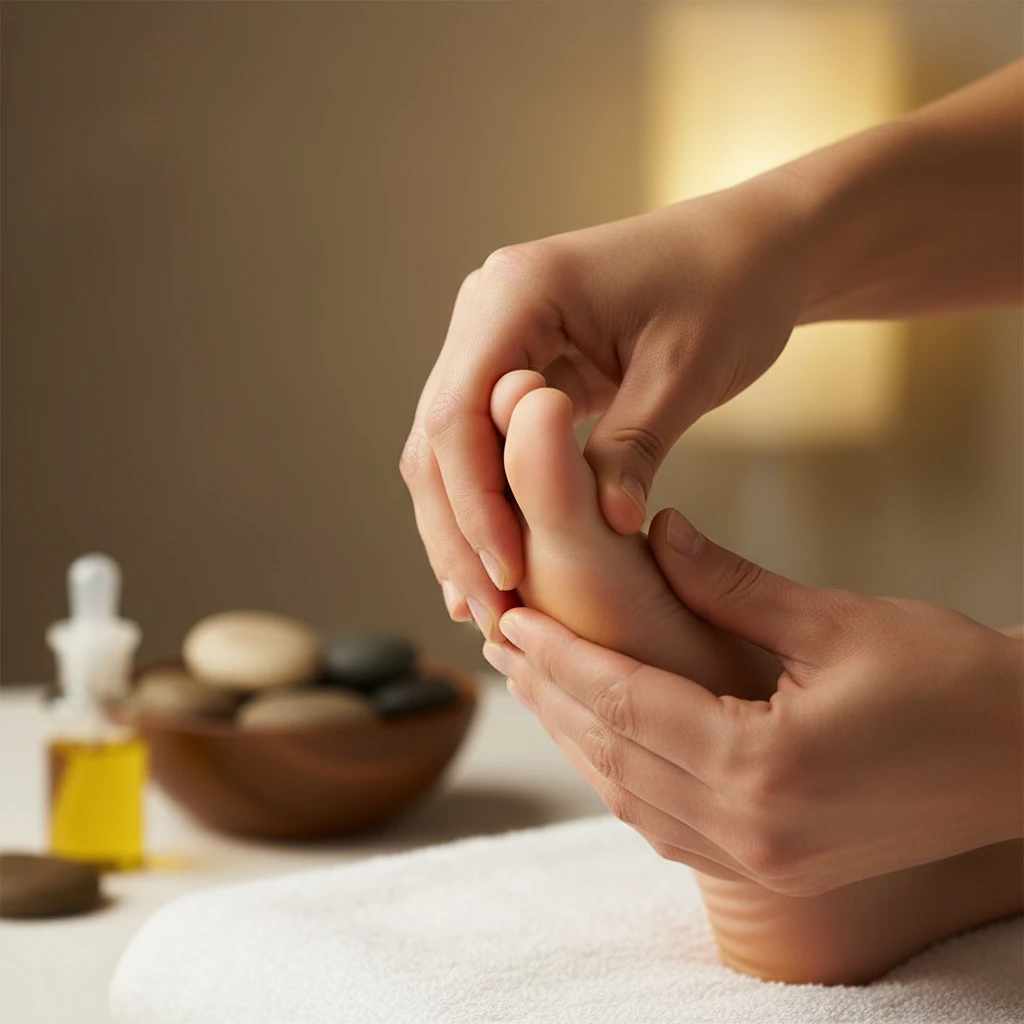
Targeting the TMJ Point
To access the temporomandibular joint (TMJ) reflex, find the indentation on the outer side of the big toe, just below the knuckle. Pinch this area gently between your thumb and index finger. If it is tender, you are likely holding tension in your jaw. Massage this point in a circular motion for 30 seconds on each foot. This can be surprisingly effective for headaches that feel like a vice grip around the temples.
Soothing the Scalp
The tips of the toes correspond to the sinuses and the top of the head (scalp). Squeezing and rolling the tips of each toe—not just the big toe—can help release the fascia of the scalp. This is particularly helpful for “hatband” headaches. Use a pinching motion on the pads of the smaller toes to stimulate circulation to the sinus cavities, which can also contribute to frontal pressure.
Evening Self-Care Routine for Headache Prevention
Treating a headache once it has started is necessary, but prevention is the ultimate goal. Incorporating a reflexology routine into your evening schedule can prevent the accumulation of daily stress that leads to morning headaches. This routine takes approximately 15 minutes and requires no special equipment, though a high-quality foot cream or oil is recommended to reduce friction.
Step-by-Step Routine
- Warm-Up (2 Minutes): Begin by soaking your feet in warm water with Epsom salts if possible. If not, simply rub your hands together to warm them and apply oil to the entire foot. Gently knead the whole foot to increase blood flow.
- Solar Plexus Reset (1 Minute): Press your thumb into the center of the ball of the foot, just below the metatarsal pads. This is the solar plexus point. Press in deeply as you inhale, and release slowly as you exhale. Repeat this 5 times to switch your nervous system from sympathetic to parasympathetic dominance.
- The Head Sweep (3 Minutes): Thumb-walk over the entire surface of the big toe (pad, sides, and base). Cover every millimeter. Pay extra attention to the very tip of the toe (brain reflex) and the base (neck reflex).
- Shoulder Release (3 Minutes): Work horizontally across the ball of the foot, beneath the toes. Use cross-fiber friction (rubbing across the grain of the muscle) to break up “crunchy” deposits.
- Spinal Flush (3 Minutes): Run your thumb down the inside arch of the foot, from the big toe to the heel. Apply firm pressure on the downstroke and light pressure on the return. This grounds the energy.
- Grounding Finish (3 Minutes): Hold the heel of the foot in one hand and the top of the foot in the other. Gently squeeze and hold for a few moments. Repeat on the other foot.
Holistic Stress-Reduction Techniques
While reflexology is a potent tool, it works best when integrated into a broader holistic lifestyle. Tension headaches are often multifactorial, meaning they stem from a combination of dehydration, stress, and physical strain. To maximize the benefits of your reflexology practice, consider the following complementary adjustments.
Hydration and Toxicity
Reflexology stimulates the lymphatic system and encourages the body to eliminate toxins. Following a session, it is imperative to drink a large glass of water. Dehydration is a primary trigger for tension headaches; without adequate fluid, the fascia (connective tissue) becomes sticky and tight, adhering to muscles and causing pain.
Magnesium and Muscle Function
Tension headaches often correlate with magnesium deficiency, which leads to muscle cramping and spasms. Combining reflexology with a magnesium-rich diet (leafy greens, nuts, seeds) or topical magnesium oil can enhance muscle relaxation.
Hand Reflexology for On-the-Go Relief
You cannot always take your shoes off in the middle of a workday. In these instances, hand reflexology is an excellent alternative. The “Heigu” point (LI4) is located in the fleshy webbing between the thumb and index finger. According to resources like Healthline and traditional Chinese medicine texts, applying firm, pinching pressure to this point for 1-2 minutes can rapidly alleviate frontal headaches and toothaches.
Note: Pregnant women should avoid stimulating the LI4 point as it can induce contractions. Always consult a healthcare provider before beginning new acupressure or reflexology routines during pregnancy.
Frequently Asked Questions
Below are common questions regarding the application of reflexology for tension headaches.
Does reflexology work for migraines as well as tension headaches?
Yes, reflexology can be effective for migraines, though the approach may differ slightly. For migraines, practitioners often focus more on the liver and gallbladder reflexes on the right foot, alongside the head and neck points, to address the vascular and digestive components often associated with migraine attacks.
How long does it take for reflexology to relieve a headache?
Many people experience relief within 10 to 15 minutes of stimulating the correct points. However, for chronic tension headaches, consistent practice over several weeks is recommended to reduce the frequency and intensity of the pain permanently.
Can reflexology make a headache worse?
Occasionally, a “healing crisis” can occur where symptoms briefly intensify as toxins are released into the bloodstream. This is usually mild and temporary. Drinking plenty of water immediately after a session helps flush these toxins and prevents post-session grogginess or increased pain.
What is the best reflexology point for a headache behind the eyes?
The best point for headaches located behind the eyes is the base of the second and third toes. Applying pressure here, as well as squeezing the pads of these toes, relates to the eye reflexes and can help alleviate ocular strain and pressure.
How often should I do reflexology for tension headaches?
For preventative maintenance, practicing a 10-15 minute self-care routine 3 to 4 times a week is ideal. If you are currently experiencing a headache, you can perform the techniques immediately for acute relief.
Do I need a professional reflexologist or can I do it myself?
While a professional reflexologist can provide a comprehensive and deep treatment, self-reflexology is highly effective for daily management of tension headaches. Learning the basic points on your own feet and hands empowers you to treat pain as soon as it arises.