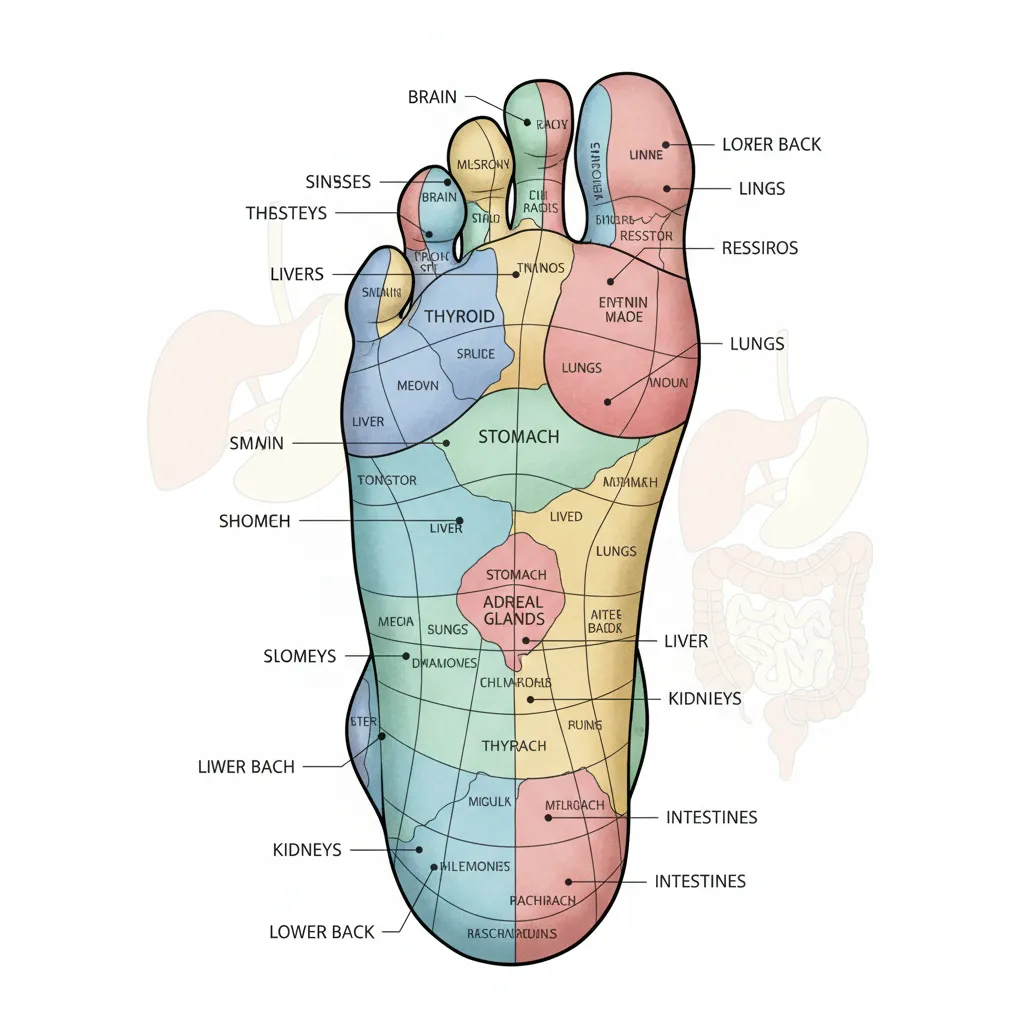
Reflexology points for constipation primarily involve stimulating specific areas on the feet, hands, and occasionally ears that correspond to the digestive system. By applying pressure to these reflex zones, practitioners aim to improve bowel motility, alleviate bloating, and promote overall gastrointestinal comfort through natural physiological responses.
Understanding Reflexology for Digestive Health
Reflexology is an ancient holistic healing art rooted in the belief that specific points on the feet, hands, and ears are connected to various organs, glands, and systems throughout the body. By applying targeted pressure to these reflex points, practitioners can stimulate energy pathways, promote circulation, and encourage the body’s natural healing processes. For digestive health, reflexology offers a non-invasive, drug-free approach to managing common complaints such as constipation and bloating.
The underlying principle is that imbalances or blockages in energy (often referred to as ‘chi’ or ‘prana’ in other traditions) can lead to physical ailments. Reflexology aims to clear these blockages, allowing the body to return to a state of equilibrium. When it comes to the complex network of the digestive system, from the stomach and small intestines to the various segments of the colon, stimulating their corresponding reflex points can directly influence their function. This stimulation can help calm the nervous system, reduce stress—a known contributor to digestive upset—and enhance peristalsis, the muscular contractions that move food through the digestive tract.
Numerous individuals seek reflexology for its potential to alleviate symptoms of constipation, which is characterized by infrequent bowel movements, difficulty passing stools, and a sensation of incomplete evacuation. Bloating, often accompanying constipation, involves a feeling of fullness, tightness, or swelling in the abdomen, frequently caused by gas accumulation. By addressing the root causes through targeted reflexology, one can experience significant relief and improved gut function.
Key Reflexology Points for Constipation Relief
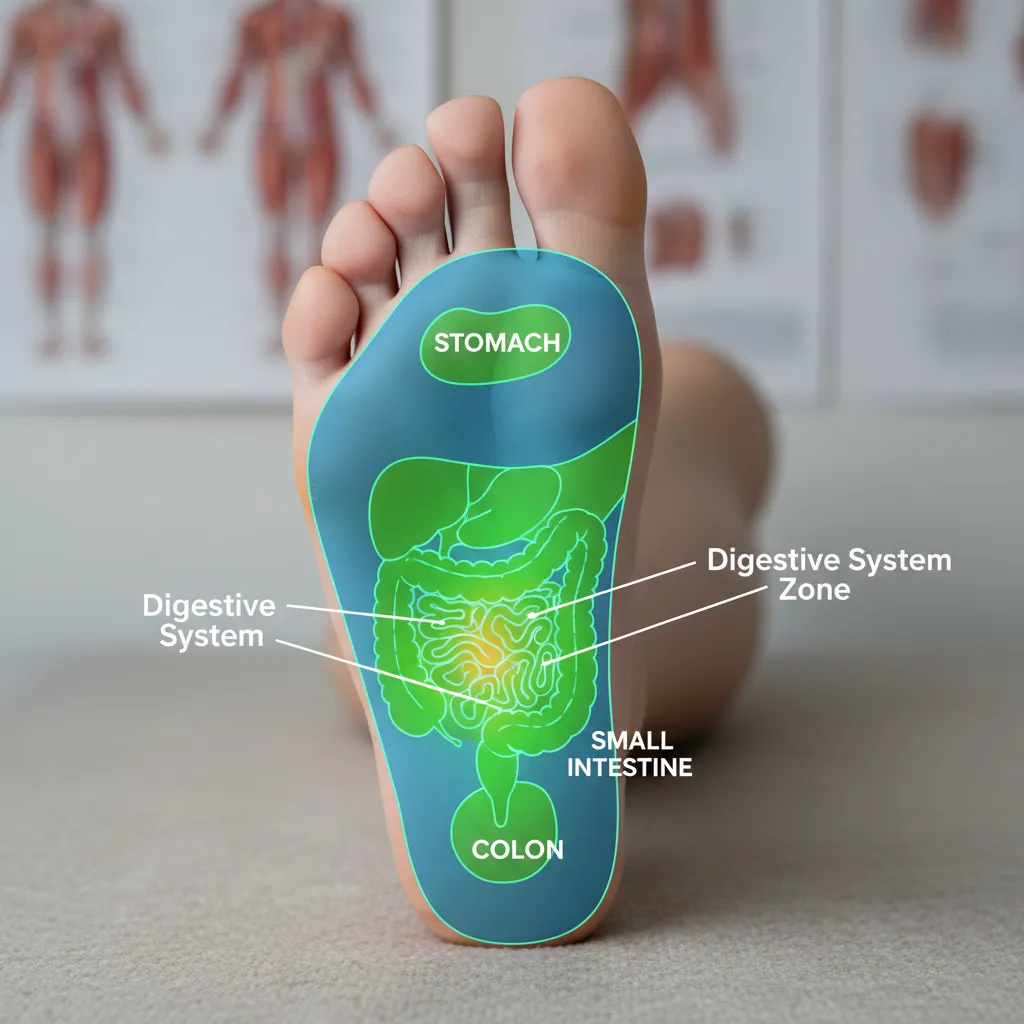
Focusing on the feet provides a comprehensive map of the body’s systems, with specific attention to the reflexes of the large intestine. Mastering these points is crucial for effective constipation relief.
Tracing the Colon on the Foot: The Intestinal Pathway
The entire large intestine is represented along the outer edge and sole of both feet, mirroring its anatomical path in the body. Understanding this ‘map’ is fundamental to applying effective reflexology for constipation.
- Right Foot: The ascending colon reflex begins on the outer lower heel of the right foot, moving upwards along the outer edge towards the base of the little toe. From there, it transitions into the transverse colon reflex, which sweeps across the ball of the foot from the right to the left side, just below the toes.
- Left Foot: The transverse colon reflex continues from the right foot across the ball of the left foot. It then transitions into the descending colon reflex, which runs down the outer edge of the left foot. Below this, towards the heel, lies the sigmoid colon reflex, leading finally to the rectum and anus reflexes on the inner lower heel and side of the left foot.
To stimulate these points, use your thumb or finger to apply firm, consistent pressure. Work systematically along the entire colon pathway, paying attention to any tender spots, which may indicate areas of congestion. The aim is to encourage movement and release tension within these corresponding digestive segments. For a detailed anatomical reference of the large intestine, you might find resources from the National Institutes of Health (NIH) or Wikipedia helpful.
Direction of Massage: Mimicking Peristalsis
The direction of your massage strokes is critically important. To facilitate natural bowel movement and mimic the physiological process of peristalsis (the wave-like muscle contractions that propel food through the intestines), you must follow the natural flow of digestion.
- Begin on the right foot, massaging the ascending colon reflex upwards.
- Continue across both feet, massaging the transverse colon reflex from right to left.
- Finish on the left foot, massaging the descending colon reflex downwards.
- Finally, massage the sigmoid colon, rectum, and anus reflexes on the lower left foot in a downward and outward motion.
This clockwise direction (when viewed from the perspective of looking down at your own abdomen) helps guide waste through the large intestine towards elimination. Use slow, rhythmic movements, ensuring the pressure is firm enough to stimulate the reflexes without causing pain. Gentle thumb-walking or finger-kneading techniques are often effective.
Ileocecal Valve Stimulation: Unblocking the Flow
The ileocecal valve is a critical sphincter located where the small intestine joins the large intestine. Its reflex point is found on the right foot, typically between the small intestine and large intestine zones, often near the outer edge of the foot, just below the little toe joint or in the area where the transverse colon begins to sweep across the foot. Stimulating this point can be particularly beneficial for individuals experiencing a feeling of blockage or incomplete evacuation.
To stimulate the ileocecal valve reflex, apply a sustained, firm pressure with your thumb or finger. You can also use a small circular motion. This point is sometimes tender, indicating possible congestion. Gentle, consistent stimulation can help relax this valve, preventing backflow of waste and encouraging smooth passage into the large intestine, thereby aiding in the relief of both constipation and related bloating.
Stomach and Small Intestine Reflexes
While the colon points are primary for constipation, addressing the entire digestive tract is vital for holistic relief. The stomach reflex is located on the ball of the foot, just below the toes, primarily on the left foot, with a smaller portion on the right. The small intestine reflex covers a large area in the center of both soles.
Massaging these areas can improve initial digestion and nutrient absorption, preventing issues that might contribute to constipation further down the line. Gentle circular motions or pressing and holding on these zones can help alleviate general digestive discomfort and bloating caused by indigestion.
Additional Supporting Reflexology Points
Beyond the direct digestive reflexes, other points can indirectly support bowel function by addressing contributing factors like stress and overall systemic balance.
Solar Plexus Reflex: Stress and Relaxation
The solar plexus reflex is a powerful point located in the center of the ball of each foot. It is deeply connected to the nervous system and is considered the ‘stress button’ of the foot. Stress and anxiety are well-known triggers for digestive issues, including both constipation and irritable bowel syndrome (IBS).
Applying gentle, sustained pressure to the solar plexus reflex can induce a profound sense of relaxation, calming the nervous system and thereby easing tension in the gut. Hold this point for 30-60 seconds on each foot, focusing on deep, slow breaths. This helps to reduce the ‘fight or flight’ response, allowing the ‘rest and digest’ system to function more effectively.
Diaphragm Reflex: Breathing and Bloating
The diaphragm reflex runs across the ball of the foot, just below the toes. Stimulating this point can help promote deeper, more relaxed breathing, which in turn can aid digestion. Shallow breathing contributes to tension and can exacerbate bloating. Deep diaphragmatic breathing massages the internal organs and stimulates the vagus nerve, which plays a crucial role in gut motility.
Work across the diaphragm line on both feet with your thumbs, using a gentle sweeping motion. This can help release tension in the chest and abdomen, indirectly supporting digestive function and reducing abdominal distension.
Adrenal Gland Reflex: Energy and Bowel Motility
The adrenal gland reflexes are located on both feet, above the kidney reflexes (which are around the middle of the foot on the inner edge). The adrenal glands produce hormones vital for stress response and overall energy balance. When stressed, the adrenals can impact gut motility, often slowing it down.
Stimulating the adrenal reflexes can help balance the body’s stress response and support energy levels, which are essential for robust bowel function. Use a gentle pressing and rotating motion on these points for a few seconds on each foot.
Spinal Reflexes: Nervous System Connection
The entire spinal column is represented along the inner edge of each foot, from the big toe (head/neck) down to the heel (sacrum/coccyx). The nerves that supply the digestive organs emanate from various points along the spine. Tension or misalignment in the spine can affect nerve signals to the gut.
By systematically working along the spinal reflex line with your thumb, you can help release tension, improve nerve flow, and support the overall communication between the brain and the gut. This comprehensive approach ensures that the nervous system, a key regulator of digestion, is also supported.
Integrating Hydration with Reflexology for Optimal Results
While reflexology offers a potent tool for managing constipation and bloating, its effectiveness is significantly amplified when combined with adequate hydration. Water is fundamental to digestive health, playing a crucial role in softening stool, aiding the movement of waste through the intestines, and preventing dehydration-related constipation.
When you are well-hydrated, your body’s cells, including those in the digestive tract, function optimally. This means that the stimulation from reflexology—which aims to enhance circulation and energy flow—can yield even greater benefits. Sufficient water intake helps the colon perform its primary function of absorbing water from waste material without making the stool hard and difficult to pass. Without enough water, reflexology might provide temporary relief, but the underlying physical barrier of hard stools could persist.
Aim to drink at least 8-10 glasses of water daily, and consider increasing your intake if you are physically active, in a hot climate, or consuming diuretics like coffee or alcohol. Incorporating herbal teas known for their digestive benefits, such as peppermint or ginger tea, can further complement the reflexology treatment. Think of hydration as preparing the ground, and reflexology as planting the seeds for better digestive health – both are essential for a thriving outcome.
Practical Self-Reflexology Techniques
You don’t always need a professional reflexologist to benefit from these techniques. Self-reflexology can be a powerful tool for daily maintenance and acute relief.
- Preparation: Find a comfortable, quiet place. Sit in a position where you can easily reach your feet. You might want to use a little lotion or oil to reduce friction, but it’s not strictly necessary.
- Warm-up: Start by gently warming up your feet with light strokes, flexing and rotating your ankles. This increases circulation and prepares the tissues.
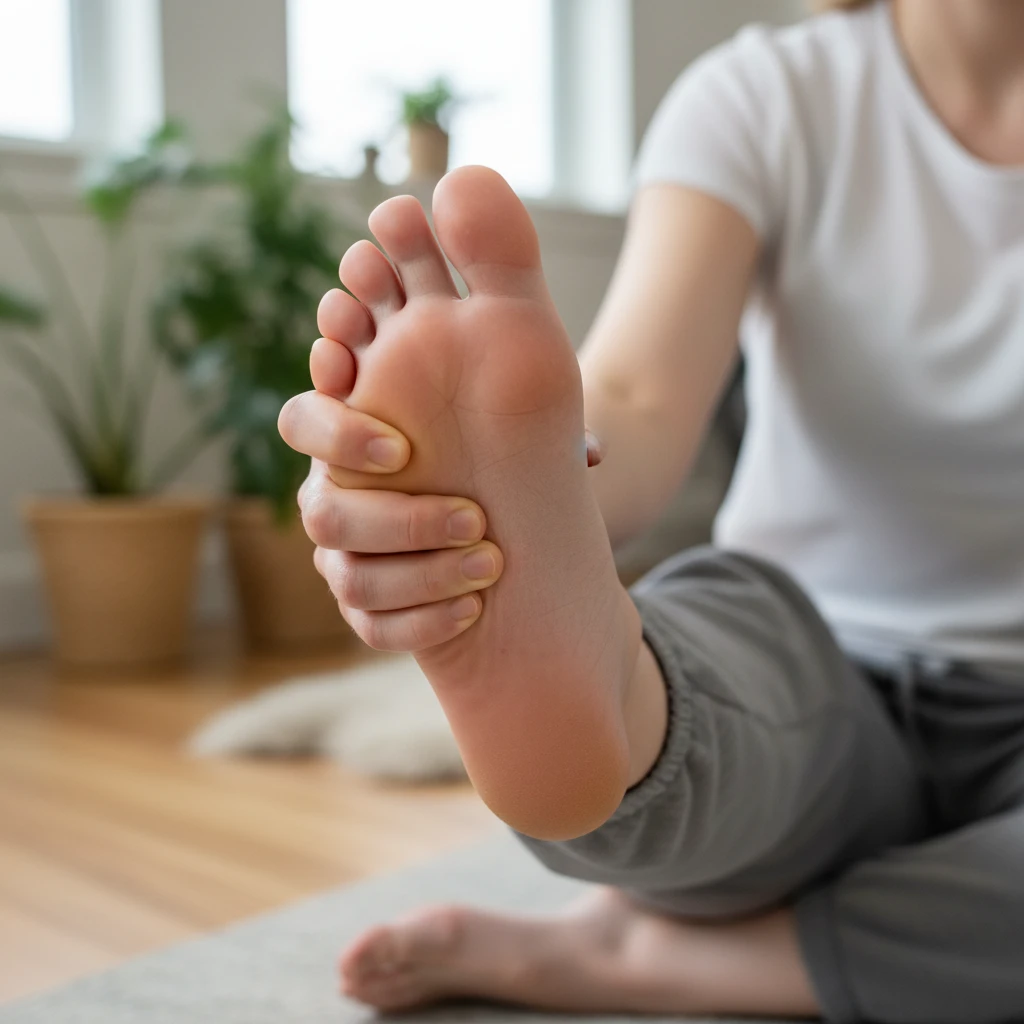
- Pressure Application: Use your thumbs, knuckles, or fingertips. The thumb-walking technique (moving your thumb slowly across a reflex area, taking tiny ‘steps’ without lifting it from the skin) is very effective. Apply firm, consistent pressure that feels good – not painful. If you find a particularly tender spot, hold the pressure for 5-10 seconds, then release and repeat a few times.
- Duration and Frequency: Dedicate 5-10 minutes per foot. Consistency is key; performing self-reflexology daily, perhaps in the morning or before bed, can yield cumulative benefits. For acute constipation, you might increase the frequency to two or three times a day.
- Listen to Your Body: Pay attention to how your body responds. Reflexology should be relaxing, not a source of stress. Adjust pressure and duration as needed.
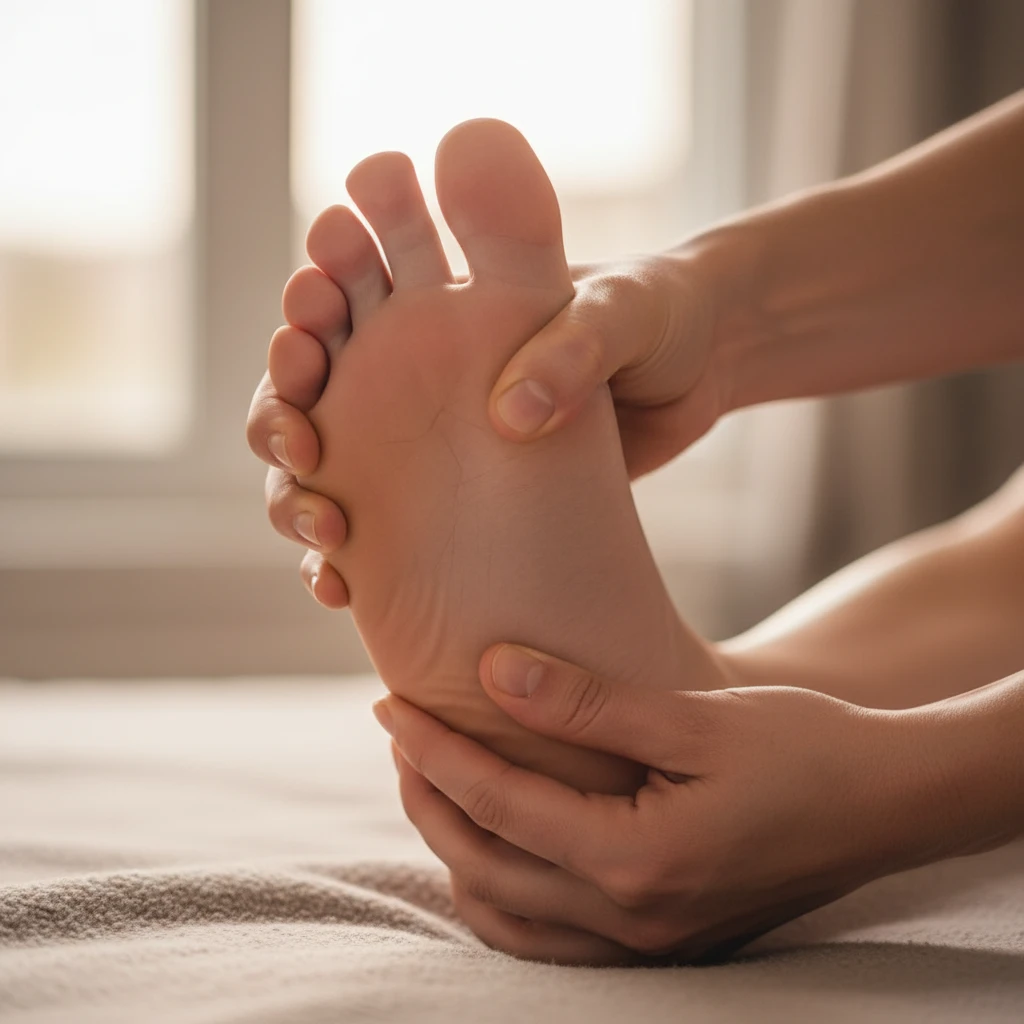
When to Seek Professional Guidance
While self-reflexology is generally safe and beneficial, there are times when seeking a qualified professional reflexologist or medical advice is prudent. If you experience chronic or severe constipation that doesn’t respond to self-care techniques, or if your constipation is accompanied by severe abdominal pain, sudden weight loss, blood in your stool, or fever, it’s crucial to consult a doctor immediately. These symptoms could indicate an underlying medical condition requiring professional diagnosis and treatment.
Professional reflexologists have extensive training and experience in identifying specific tender points and applying precise techniques that might be difficult to replicate effectively on your own. They can also provide a holistic assessment, considering your overall health and lifestyle factors that might contribute to digestive issues. Additionally, pregnant individuals or those with certain medical conditions like deep vein thrombosis, foot injuries, or uncontrolled diabetes should consult their healthcare provider before undergoing reflexology to ensure it is safe for them.
Beyond the Feet: Hand Reflexology for Constipation
While foot reflexology is often considered the most potent due to the larger reflex areas, hand reflexology offers a convenient and effective alternative, especially when foot access is difficult or impractical. The reflex points for the digestive system on the hands largely mirror those on the feet, albeit in a more compact form.
- Colon Reflexes: On both hands, the colon reflexes are found along the outer edge of the palm and across the fleshy part below the fingers. Similar to the feet, the ascending colon is on the right hand’s outer edge, the transverse colon crosses the upper palm of both hands, and the descending and sigmoid colon are on the left hand’s outer edge.
- Small Intestine: The central palm area of both hands corresponds to the small intestine.
- Stomach: The stomach reflex is primarily located on the left palm, just below the index and middle fingers.
Using your thumb or the index finger of the opposite hand, apply firm, circular pressure to these areas, following the same direction of peristalsis (clockwise when viewing your own hands as a map of your abdomen). Hand reflexology can be discreetly performed anywhere—at your desk, on a commute, or while relaxing—making it an excellent tool for quick relief and consistent support for digestive health.
In conclusion, reflexology offers a profound, natural path to relieving constipation and bloating. By understanding and stimulating the specific reflex points on the feet and hands—particularly those corresponding to the colon, ileocecal valve, and supporting organs—you can encourage your body’s innate ability to restore balance and promote healthy digestion. Remember that consistency, proper technique, and complementary lifestyle choices like adequate hydration are key to unlocking the full potential of this ancient healing art.
People Also Ask
What reflexology points are good for constipation and bloating?
Key reflexology points for constipation and bloating include the large intestine reflexes (ascending, transverse, descending colon) on both feet, the ileocecal valve point on the right foot, and the solar plexus reflex for stress relief. Stimulating the stomach and small intestine reflexes can also help alleviate general digestive discomfort and bloating.
How do you stimulate pressure points for constipation?
To stimulate pressure points for constipation, use firm, consistent thumb or finger pressure on the specific reflex zones. For colon points, follow the natural direction of digestion (up the right foot, across both feet, down the left foot). Use thumb-walking or sustained pressure for 5-10 seconds on tender spots, repeating multiple times daily.
Can reflexology help with bloating?
Yes, reflexology can significantly help with bloating. By stimulating reflexes related to the digestive system (stomach, small intestine, colon), reflexology can improve digestion, reduce gas accumulation, and promote the elimination of waste. The solar plexus reflex also helps reduce stress, a common contributor to bloating.
How often should I do reflexology for constipation?
For optimal results, it’s recommended to perform self-reflexology for constipation daily, or even two to three times a day during periods of acute discomfort. Consistency is key to supporting regular bowel movements and sustained relief. A professional reflexologist might suggest a series of sessions weekly initially.
Is hand reflexology effective for constipation?
Yes, hand reflexology is an effective and convenient alternative to foot reflexology for constipation. The reflex points for the colon, small intestine, and stomach are mirrored on the hands. While potentially less intense than foot stimulation, it can provide significant relief and is ideal for quick application anywhere.
What other natural remedies complement reflexology for constipation?
Besides reflexology, several natural remedies complement its effects, including increasing daily water intake, consuming fiber-rich foods (fruits, vegetables, whole grains), regular physical activity, managing stress through techniques like meditation, and incorporating probiotics into your diet. Herbal teas like peppermint or senna can also be beneficial in moderation.