Reflexology for anxiety stress explores the ancient practice of stimulating specific points on the feet, hands, or ears to promote deep relaxation and reduce the physiological symptoms associated with stress and anxiety. By targeting these reflex areas, reflexology aims to balance the body’s energy pathways and support its natural healing capabilities, fostering a profound sense of calm.
Reflexology’s Foundations: A Holistic Approach to Well-being
Reflexology is more than just a foot massage; it is a complementary health therapy based on the principle that there are reflex areas in the feet, hands, and ears that correspond to all organs, glands, and parts of the body. By applying pressure to these specific points, a reflexologist can help to unblock energy pathways and restore balance within the body, promoting a natural state of healing and well-being. This ancient practice, with roots in various cultures dating back thousands of years, operates on the premise that stimulating these reflexes sends signals through the nervous system to corresponding body parts, encouraging them to function optimally.
In the context of stress and anxiety, reflexology offers a non-invasive, drug-free approach to managing symptoms. Modern life often bombards us with stressors, leading to chronic anxiety that can manifest physically as muscle tension, digestive issues, sleep disturbances, and elevated heart rate. Reflexology intervenes by encouraging the body’s innate relaxation response, shifting it from a state of fight-or-flight to one of rest and repair. This holistic perspective acknowledges the intricate connection between our physical, mental, and emotional states, making it an ideal therapy for those seeking comprehensive relief from the pervasive effects of stress and anxiety.
How Reflexology Impacts the Nervous System for Calming Effects
The profound calming effects of reflexology on stress and anxiety are largely mediated through its influence on the human nervous system. When stress becomes chronic, it often leads to an overactivation of the sympathetic nervous system, commonly known as the ‘fight or flight’ response. This state keeps the body on high alert, depleting energy and causing a cascade of physiological symptoms. Reflexology works to counteract this by stimulating the parasympathetic nervous system, promoting a state of ‘rest and digest’ and bringing the body back into a more balanced, homeostatic state.
The Vagus Nerve and Parasympathetic Activation
One of the key pathways through which reflexology exerts its calming influence is by potentially stimulating the vagus nerve. The vagus nerve is the longest cranial nerve, extending from the brainstem to the abdomen, playing a crucial role in regulating internal organ functions like heart rate, digestion, and respiratory rate, all vital components of the parasympathetic nervous system. Stimulation of specific reflex points, particularly those on the feet and ears, can send afferent signals to the brain, which in turn activates the vagus nerve. This activation helps to slow heart rate, reduce blood pressure, and ease breathing, all hallmarks of relaxation and reduced anxiety. Research into vagal nerve stimulation has shown promising results for conditions related to stress and mood disorders, suggesting that reflexology might leverage similar physiological mechanisms to induce tranquility. For further reading on the vagus nerve’s role in health, a comprehensive overview can be found on reputable medical sites such as NCBI PubMed Central.
Endorphin Release and Pain Modulation
Beyond vagal nerve activation, reflexology also promotes the release of endorphins, the body’s natural painkillers and mood elevators. The gentle yet firm pressure applied during a reflexology session can trigger these neurochemicals, leading to a sense of euphoria, reduced pain perception, and an overall improvement in mood. This natural analgesic effect is particularly beneficial for individuals whose anxiety manifests as physical tension or chronic pain, creating a vicious cycle of discomfort and heightened stress. By mitigating pain and enhancing well-being through endorphin release, reflexology breaks this cycle, allowing the body and mind to relax more deeply. The sustained relaxation achieved through reflexology helps to decrease cortisol levels, the primary stress hormone, further reinforcing its efficacy in stress and anxiety reduction.
Specific Reflex Points for Relaxation and Calm
While the entire reflexology treatment aims to induce overall balance, certain reflex points are particularly potent in targeting stress and anxiety. A skilled reflexologist will focus on these areas to maximise the calming benefits for their clients. Understanding these points can also empower individuals to apply basic self-reflexology techniques between professional sessions.
Key Foot Reflexes for Stress Relief
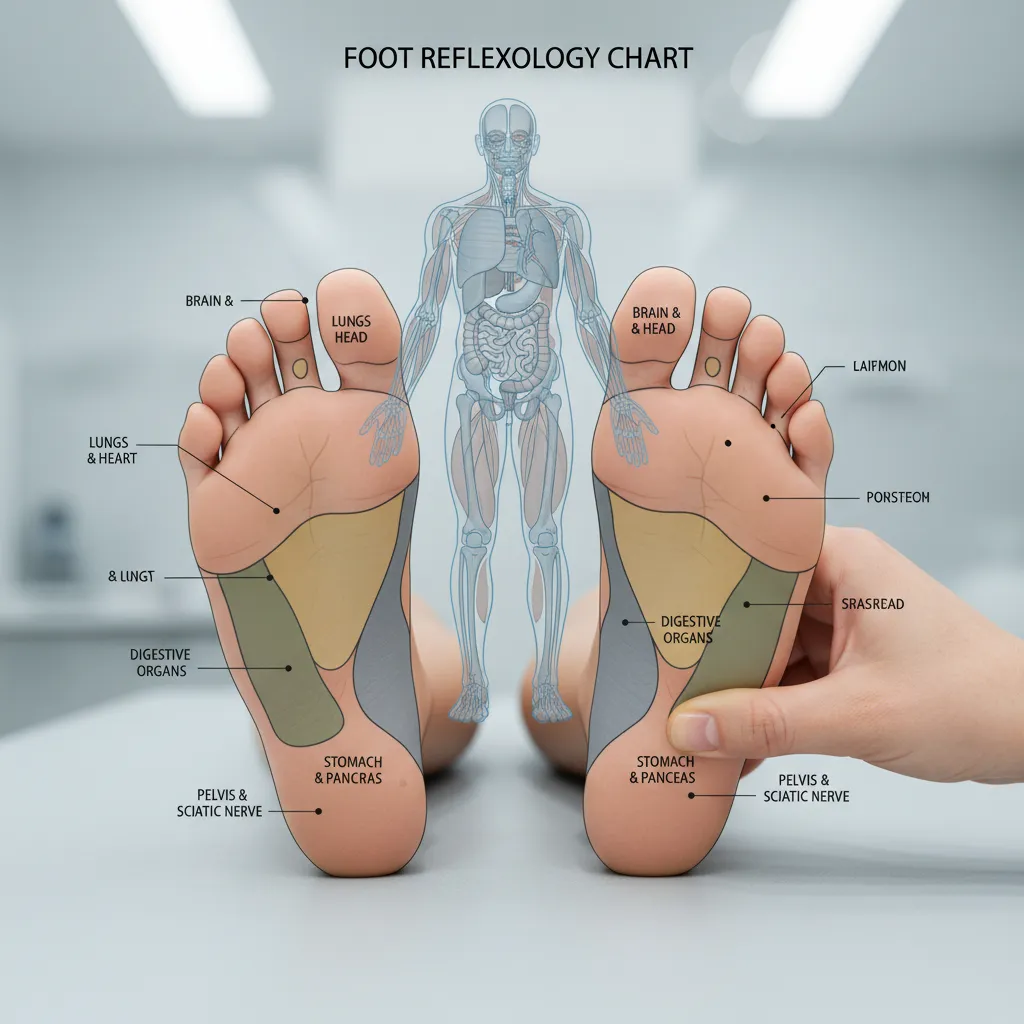
The feet are often considered a microcosm of the body, containing thousands of nerve endings and a comprehensive map of reflex points. For stress and anxiety relief, key areas include:
- Solar Plexus: Located in the center of the ball of the foot, just below the toes, this point is often referred to as the ‘nerve center’ of the body. Stimulating the solar plexus reflex can induce immediate relaxation, helping to release stored emotional tension and bring a sense of profound calm.
- Head/Brain (Toes): The tips of the toes correspond to the head and brain. Gentle pressure on these areas can help alleviate mental fatigue, calm an overactive mind, and reduce headaches often associated with stress.
- Spine (Inner Arch): The inner arch of the foot mirrors the spine. Working along this area can release tension held in the back and neck, which are common physical manifestations of stress.
- Adrenal Glands (Mid-foot): Located around the mid-sole of the foot, these points relate to the adrenal glands, which produce stress hormones. Gentle work here can help to balance the body’s stress response.
- Diaphragm (Ball of Foot): The area across the ball of the foot corresponds to the diaphragm, crucial for proper breathing. Stimulating this reflex encourages deeper, more regulated breathing, a cornerstone of anxiety reduction.
Hand Reflexology for On-the-Go Anxiety Management
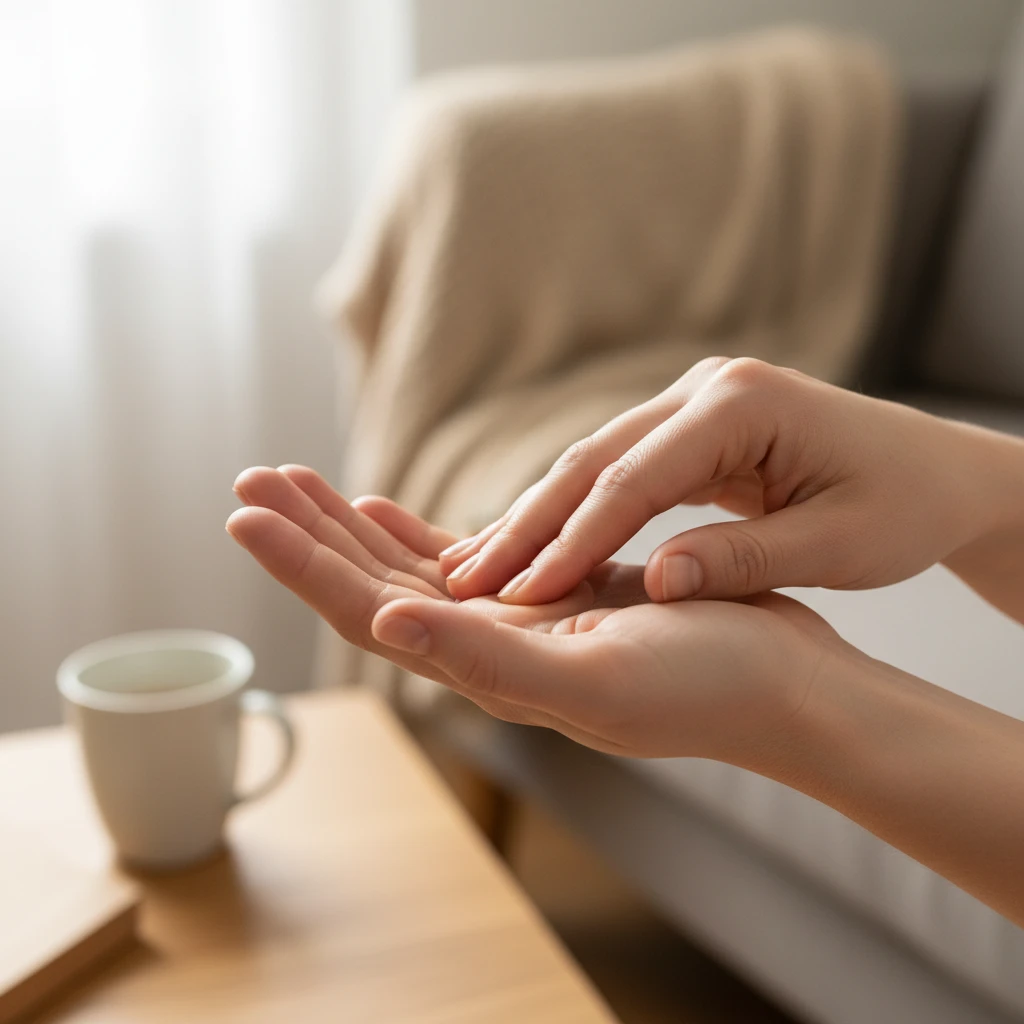
Hand reflexology offers a convenient and discreet way to manage stress and anxiety, especially when a full foot treatment isn’t feasible. Similar reflex points are found on the hands, making it an excellent tool for self-care:
- Solar Plexus (Center of Palm): Pressing firmly into the center of the palm can quickly reduce anxiety.
- Thumb (Head/Brain): The thumb corresponds to the head. Massaging the entire thumb can alleviate mental tension and promote clarity.
- Fingertips (Sinuses/Brain): Gentle squeezing of the fingertips can help to clear the head and relieve pressure.
- Wrist Area (Lower Back/Reproductive): While not directly stress points, working the wrist can help ground and relax the body.
Ear Reflexology and Auricular Therapy
Auricular reflexology, or ear reflexology, involves stimulating points on the outer ear that correspond to different parts of the body. The ear is believed to contain a complete map of the body, similar to the feet and hands. Specific points on the ear are known for their calming effects, often used in acupuncture for anxiety and pain relief. Gentle massage or pressure on the earlobes, the