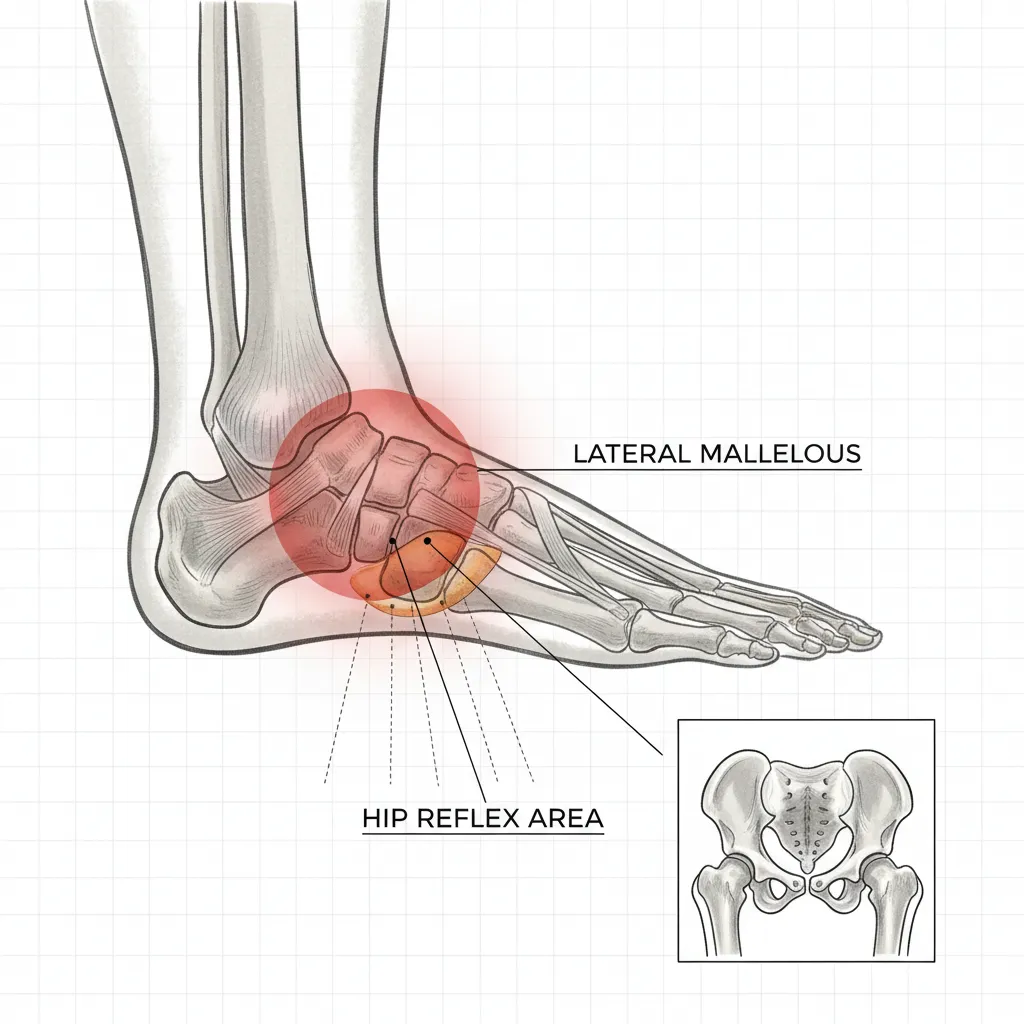
Reflexology for plantar fasciitis is a specialized holistic therapy that targets specific pressure points on the feet to alleviate inflammation and heel pain. By stimulating reflexes corresponding to the adrenal glands and spine, and mechanically loosening the calf muscles, this practice improves circulation, breaks down scar tissue, and reduces the tension that aggravates the plantar fascia.
Understanding Plantar Fasciitis and Reflexology
Plantar fasciitis is widely recognized as one of the most common causes of heel pain, characterized by the inflammation of the thick band of tissue that runs across the bottom of your foot and connects your heel bone to your toes. For those suffering from this condition, the pain is often most acute during the first few steps in the morning or after long periods of standing. While conventional medicine often prescribes anti-inflammatory medication or steroid injections, holistic approaches like reflexology offer a non-invasive alternative that addresses the root cause of the tension.
Reflexology is more than just a foot massage; it is a systematic practice based on the principle that specific points on the feet, hands, and ears correspond to different organs and systems within the body. In the context of plantar fasciitis, a reflexologist does not merely rub the painful area. Instead, they utilize a map of the foot to stimulate the nervous system, encourage blood flow to the injured fascia, and promote the body’s natural healing response. According to the Mayo Clinic, ignoring plantar fasciitis can result in chronic heel pain that hinders regular activities, making early and effective intervention crucial.
How Reflexology Facilitates Recovery
The efficacy of reflexology for plantar fasciitis lies in its ability to interrupt the pain-spasm-pain cycle. When the plantar fascia is inflamed, the body naturally guards the area, leading to tightened muscles in the foot and leg. This guarding creates a restriction in blood flow, which impedes the removal of metabolic waste and the delivery of nutrients necessary for tissue repair.
Through the application of pressure to specific zones, reflexology activates the parasympathetic nervous system—the “rest and digest” state. This shift allows the muscles to relax and the blood vessels to dilate. Enhanced circulation is vital for recovering from plantar fasciitis because the plantar fascia itself has a relatively poor blood supply compared to muscle tissue. By manually stimulating the area and related reflex points, we can artificially increase perfusion to the injured site, accelerating the healing process.
Direct Work vs. Reflex Points: The Strategic Approach
One of the most critical distinctions in treating plantar fasciitis is knowing when to apply direct pressure and when to utilize distal reflex points. A common mistake made by novices is attacking the inflamed heel directly with deep pressure immediately. This can often exacerbate the inflammation and cause the patient to tense up, which is counterproductive.
The Role of Distal Reflex Points
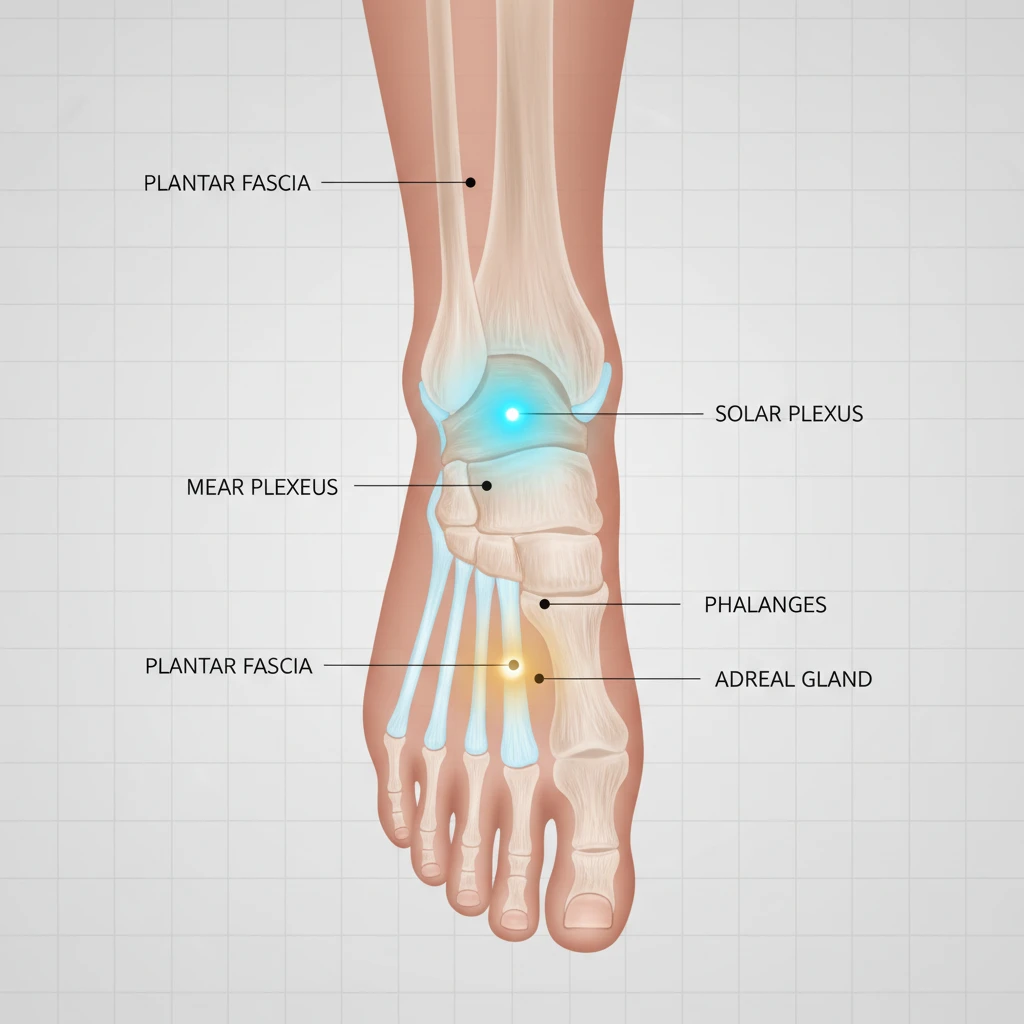
In the acute phase of plantar fasciitis, the heel is often too tender to touch. A skilled practitioner will begin by working on reflex points that are energetically connected to the foot but located elsewhere, or by working the “helper areas.” Key reflex points include:
- Solar Plexus Point: Located in the center of the ball of the foot. Pressing this point helps induce deep relaxation and lower overall stress levels, which reduces pain perception.
- Adrenal Gland Reflex: Located just below the ball of the foot. Stimulating the adrenal point is believed to encourage the body to produce natural anti-inflammatory hormones (cortisol), which can help reduce swelling in the fascia.
- Spinal Reflex: Running along the medial (inner) edge of the foot. Working the lumbar and sciatic areas of the spinal reflex can help release tension in the lower back and hips that may be contributing to poor gait mechanics.
Transitioning to Direct Work
Direct work involves physical manipulation of the plantar fascia itself. This is typically introduced once the initial sensitivity has subsided or after the foot has been thoroughly warmed up through reflex work. Direct work aims to physically stretch the fibers and encourage the alignment of collagen. It is crucial to approach direct work with a “less is more” attitude initially, gradually increasing pressure as the tissue releases.
Loosening the Calf and Achilles Tendon
The plantar fascia does not exist in isolation. It is part of a continuous kinetic chain that includes the Achilles tendon and the gastrocnemius and soleus muscles of the calf. In many cases of plantar fasciitis, the root culprit is actually a tight calf muscle that is pulling on the calcaneus (heel bone), which in turn puts excessive tension on the plantar fascia.
Reflexology for plantar fasciitis must, therefore, include extensive work on the lower leg. If the calf remains tight, treating the foot alone provides only temporary relief. The tension will inevitably travel back down the chain and re-injure the fascia.
Techniques for the Kinetic Chain
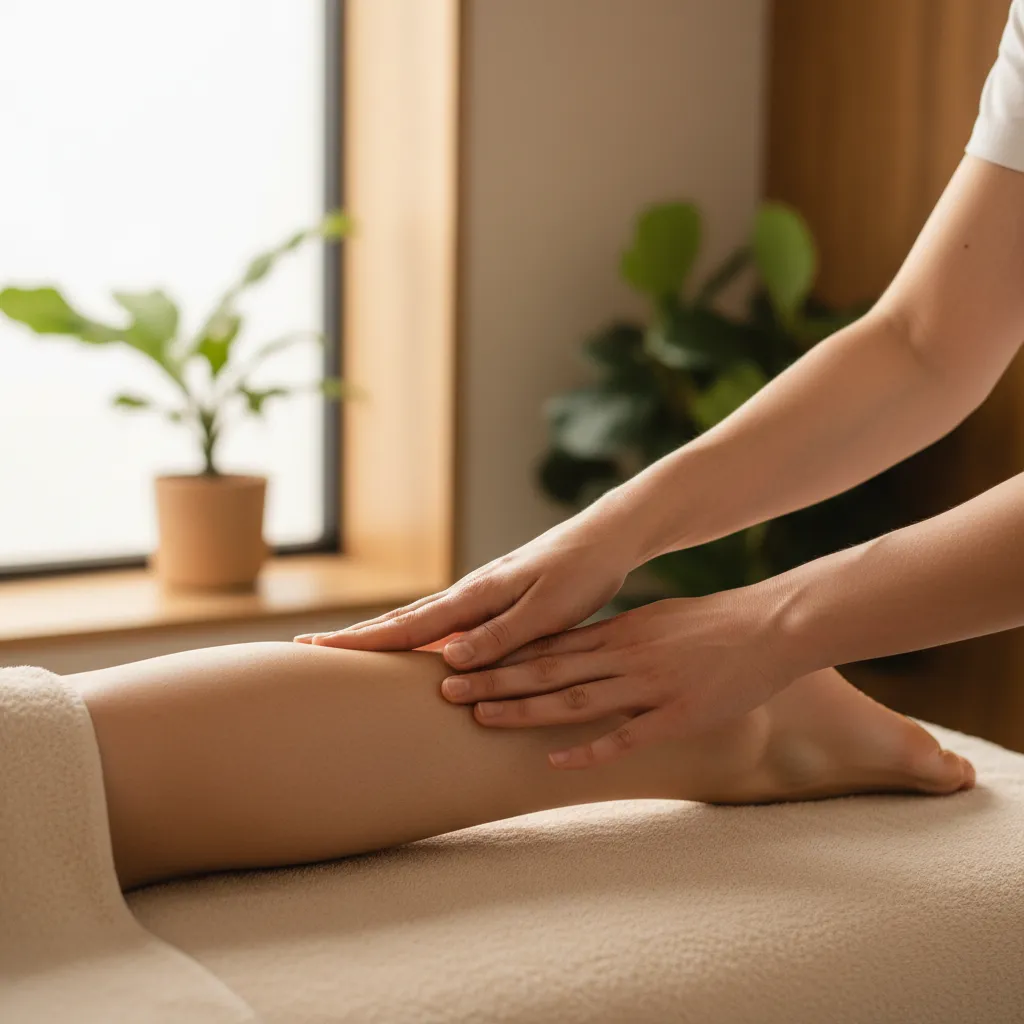
Practitioners use thumb-walking and sliding techniques up the back of the heel and into the calf. Special attention is paid to the junction where the Achilles tendon meets the calf muscle (the musculotendinous junction). By releasing trigger points in the calf, the tension on the heel bone is reduced, giving the plantar fascia slack. This slack is essential for the tissue to heal without being constantly re-torn with every step.
Breaking Down Scar Tissue and Adhesions
Chronic plantar fasciitis often results in the formation of scar tissue. When the micro-tears in the fascia heal, the body lays down collagen fibers in a haphazard, disorganized manner. This creates adhesions—sticky areas of tissue that limit flexibility and cause pain. To achieve long-term recovery, this scar tissue must be remodeled.
Reflexology incorporates friction techniques designed to break down these adhesions. One effective method is cross-fiber friction. Instead of sliding along the length of the muscle or tendon, the therapist moves across the grain of the tissue. This mechanical action helps to break up the disorganized collagen bundles, allowing them to realign in the direction of stress. This restores flexibility to the plantar fascia.
Another technique is “knuckling” the arch. With the patient’s foot relaxed, the practitioner uses the knuckles to apply deep, slow pressure into the arch of the foot, moving from the heel toward the toes. This acts like a rolling pin, smoothing out the fascia and breaking up “crunchy” deposits (often referred to as crystals in reflexology terms) that accumulate in the tissue.
Step-by-Step Reflexology Routine for Relief
While professional treatment is recommended, a self-reflexology routine can be highly effective for maintenance and daily pain management. Perform this routine once a day, ideally in the evening.
1. Warm-Up and Relaxation
Begin by soaking your feet in warm water with Epsom salts for 10-15 minutes. This softens the tissue and increases blood flow. Dry your feet and apply a small amount of lotion or oil. Use gentle effleurage (stroking) motions over the entire foot to warm up the muscles.
2. The Solar Plexus Press
Locate the solar plexus point in the center of the ball of your foot. Press your thumb firmly into this point while inhaling deeply. Hold for 5-10 seconds, then release as you exhale. Repeat this 3 times on each foot to calm the nervous system.
3. Working the Spinal Reflex
Use your thumb to “caterpillar walk” along the inner edge of your foot, from the side of the big toe down to the heel. This represents the spine. Pay extra attention to the lower arch area, which corresponds to the lumbar spine. A tight lower back often contributes to foot pain.
4. The Pituitary and Adrenal Points
Press the center of the big toe pad (pituitary) to stimulate hormonal balance. Then, move to the point just below the ball of the foot, slightly medial to the center (adrenal). Stimulating the adrenal reflex helps regulate the body’s inflammatory response.
5. Heel and Arch Friction
Using the knuckles of a loose fist, apply moderate pressure to the arch of the foot. Slide from the heel toward the toes. If you find a tender spot, hold the pressure for 10 seconds, then gently rotate your foot. Do not push to the point of excruciating pain; “good pain” is the goal.
Recommended Footwear and Holistic Supports
Reflexology is most effective when supported by proper biomechanics during the day. If you receive a treatment and then walk around in unsupportive flip-flops, you will undo the progress made. According to the National Institutes of Health (NIH), proper footwear modifications are a first-line treatment for plantar fasciitis.
Shoe Selection
Avoid completely flat shoes. A slight heel elevation (drop) of about 10-12mm reduces the strain on the Achilles tendon, which in turn relieves the plantar fascia. Look for shoes with a stiff heel counter (the back part of the shoe) and a rigid midsole that does not twist easily.
Orthotics and Night Splints
Custom or high-quality over-the-counter orthotics can provide the necessary arch support to prevent the foot from collapsing (pronating) excessively. Additionally, wearing a night splint can be a game-changer. Night splints keep the foot in a dorsiflexed (flexed upward) position while you sleep, preventing the plantar fascia from contracting and tightening overnight. This significantly reduces that sharp morning pain.
When to See a Professional
While self-care is valuable, chronic plantar fasciitis often requires the expertise of a certified reflexologist or a podiatrist. You should seek professional care if:
- The pain persists for more than two weeks despite home treatment.
- You experience severe swelling or redness in the heel.
- You cannot bear weight on the foot.
- You have diabetes or poor circulation (reflexology should be adapted for these conditions).
A professional can assess your gait, identify specific reflex imbalances, and provide a tailored treatment plan that may include a combination of reflexology, physical therapy, and lifestyle adjustments.
People Also Ask
Does reflexology break up plantar fasciitis?
Yes, reflexology can help break up the cycle of inflammation and tension associated with plantar fasciitis. While it does not ‘break’ the tissue in a destructive way, techniques like cross-fiber friction help break down scar tissue and adhesions (knots) in the fascia, improving flexibility and blood flow.
What pressure points relieve plantar fasciitis?
The primary pressure points for relieving plantar fasciitis include the solar plexus point (for relaxation), the adrenal gland reflex (for inflammation), the spinal reflex (along the inner foot arch), and the direct heel and arch points. Working the calf reflex points is also crucial.
How often should you do reflexology for plantar fasciitis?
For acute pain, professional sessions are recommended 1-2 times per week. Self-reflexology can be performed daily for 10-15 minutes. Consistency is key to keeping the calf muscles loose and the fascia flexible.
Can foot massage make plantar fasciitis worse?
If done incorrectly, yes. Applying deep, aggressive pressure directly to an acutely inflamed plantar fascia can aggravate the injury and increase swelling. It is best to start with gentle work on the calves and reflex points before directly massaging the tender heel area.
Is reflexology better than massage for plantar fasciitis?
Reflexology and massage serve different but complementary purposes. Massage focuses on manipulating soft tissue, while reflexology targets the nervous system to promote systemic healing. Many find reflexology superior for pain management because it addresses the adrenal (inflammatory) response and works the kinetic chain via reflex points without initially hurting the inflamed foot.
How long does it take for reflexology to work on plantar fasciitis?
Many patients feel immediate relief from tension after a single session. However, lasting recovery from plantar fasciitis typically takes 4 to 6 weeks of consistent treatment combined with proper footwear and stretching exercises.