
Reflexology to get pregnant is a holistic therapy that involves applying targeted pressure to specific points on the feet and hands corresponding to reproductive organs. This practice aims to regulate the menstrual cycle, balance hormones by stimulating the endocrine system, and reduce stress levels to create an optimal physiological environment for natural conception.
For many couples facing the challenges of conception, the journey can be physically demanding and emotionally draining. While modern medicine offers various assisted reproductive technologies, an increasing number of individuals are turning to holistic therapies to support their bodies naturally. Among these therapies, reflexology has emerged as a powerful, non-invasive tool designed to restore balance and enhance fertility.
Reflexology is not merely a foot massage; it is a calculated therapeutic practice based on the principle that reflexes in the feet and hands correspond to every gland, organ, and part of the body. By stimulating these reflexes, practitioners aim to clear blockages in energy channels (often referred to as Qi in Traditional Chinese Medicine) and improve blood circulation. This comprehensive guide explores how using reflexology to get pregnant can optimize your reproductive health, reduce stress, and improve your chances of conception.

Understanding the Connection Between Reflexology and Fertility
To understand how reflexology aids in conception, one must look at the body as an interconnected system rather than a collection of isolated organs. Fertility is heavily dependent on the endocrine system, which regulates the hormones necessary for reproduction, including follicle-stimulating hormone (FSH), luteinizing hormone (LH), estrogen, and progesterone.
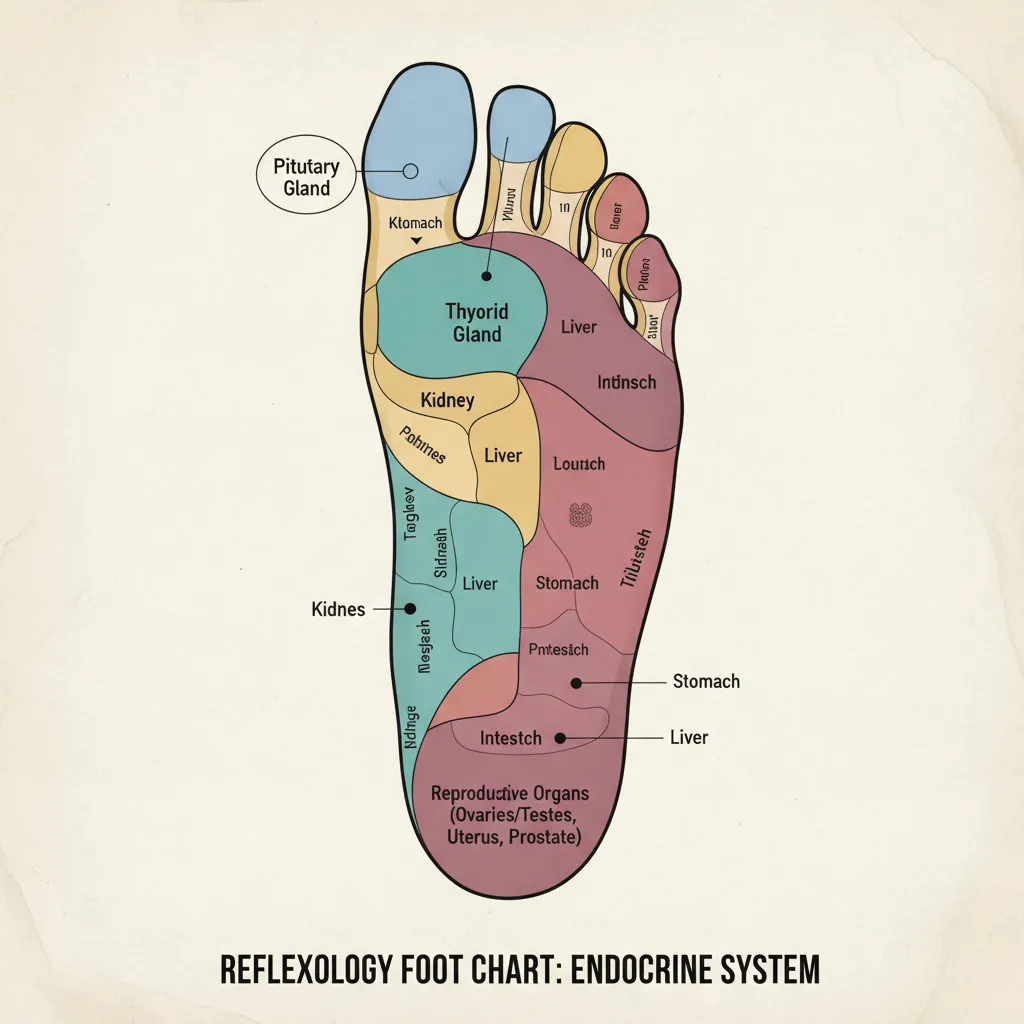
Reflexology targets the endocrine system through specific pressure points. The big toe, for instance, contains the reflex point for the pituitary gland—often called the “master gland”—which orchestrates the release of fertility hormones. By stimulating this point, a reflexologist attempts to balance hormone production, ensuring that the signals sent from the brain to the ovaries are clear and rhythmic.
Furthermore, reflexology enhances systemic circulation. Improved blood flow to the pelvic region ensures that the ovaries and uterus receive an abundance of oxygen and nutrients. This is critical for building a healthy uterine lining (endometrium) capable of supporting implantation and nourishing a developing embryo.
Optimizing the Menstrual Cycle for Conception
A regular, predictable menstrual cycle is the cornerstone of natural conception. Irregular cycles often indicate underlying hormonal imbalances, such as Polycystic Ovary Syndrome (PCOS) or luteal phase defects, which can make pinpointing ovulation difficult. Using reflexology to get pregnant often starts with regulating these cycles.
Correcting Hormonal Imbalances
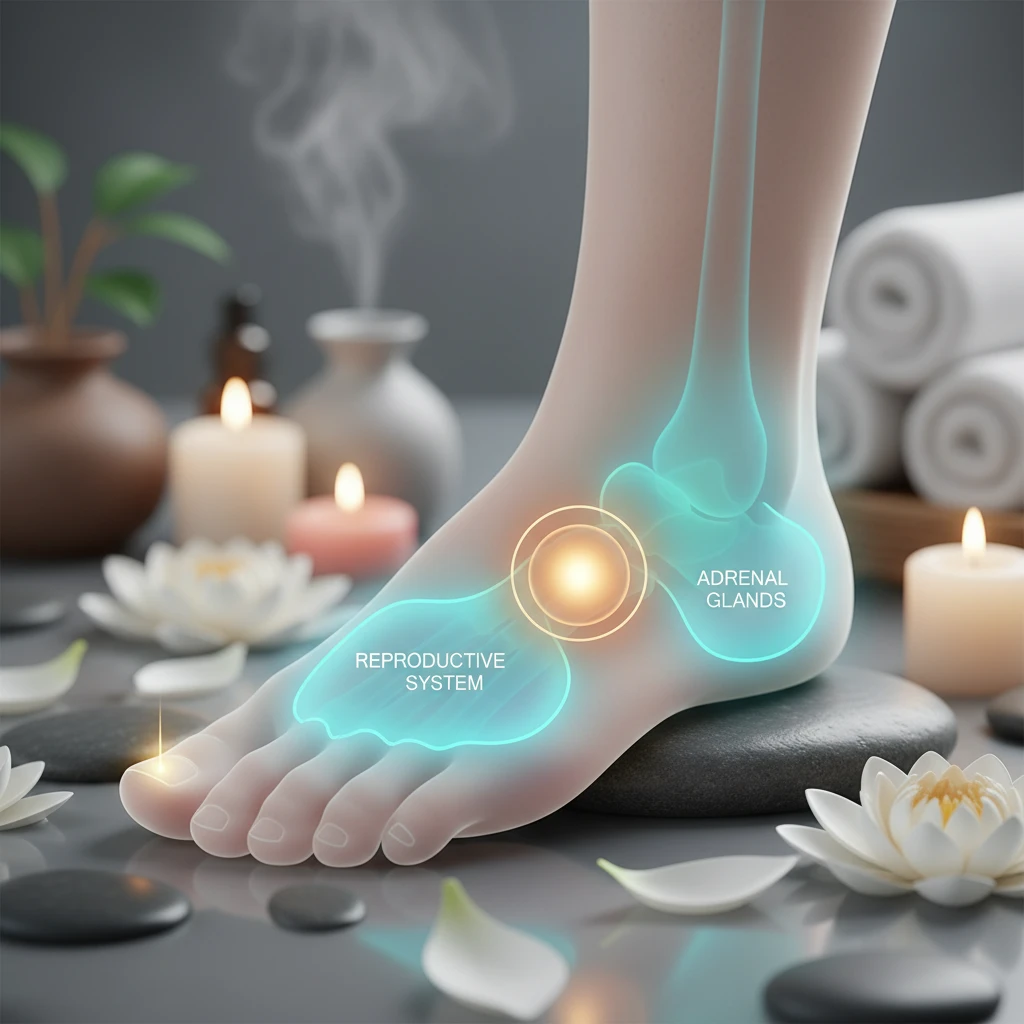
Reflexology works to restore homeostasis. If a woman is experiencing long cycles, short cycles, or amenorrhea (absence of periods), reflexology sessions focus on the reproductive reflexes located around the ankles (representing the uterus and ovaries). Regular stimulation helps the body return to a natural rhythm, potentially shortening long cycles or encouraging ovulation in anovulatory cycles.
Addressing PMS and Dysmenorrhea
Painful periods (dysmenorrhea) and severe PMS can be indicative of inflammation or endometriosis, both of which can hinder conception. Reflexology has been shown to reduce prostaglandins, the chemicals responsible for cramping, thereby reducing inflammation in the pelvic cavity. A calmer, less inflamed reproductive tract is more hospitable to sperm and more conducive to implantation.
Stimulating Ovarian Function and Egg Quality
The health of the ovaries is paramount for conception. They must not only release an egg but release a healthy egg capable of fertilization. As women age, or in the presence of certain medical conditions, ovarian function can decline.
Reflexologists focus intensely on the ovarian reflex points, located on the outside of the heel beneath the ankle bone. Stimulation here is believed to energize the ovaries and promote efficient folliculogenesis (the maturation of the ovarian follicle). By improving micro-circulation to the ovaries, the therapy aids in the delivery of hormones and the removal of toxins that could impair egg quality.
Additionally, the liver reflex is often treated during fertility sessions. The liver is responsible for metabolizing excess hormones. If the liver is sluggish, excess estrogen can circulate in the body, leading to estrogen dominance—a condition often linked to infertility issues like fibroids and endometriosis. By stimulating the liver reflex, reflexology aids in detoxifying the body and balancing hormone levels.
Reducing Stress-Induced Infertility
One of the most significant barriers to conception is stress. When the body is under chronic stress, it produces elevated levels of cortisol. Evolutionarily, the body interprets high cortisol as a sign that the environment is unsafe for reproduction. Consequently, the body may delay ovulation or prevent implantation—a phenomenon known as stress-induced reproductive dysfunction.
This is where reflexology shines as a primary intervention. It shifts the body from the sympathetic nervous system (fight or flight) to the parasympathetic nervous system (rest and digest). According to research highlighted by the National Institutes of Health (NIH), reducing stress markers is essential for improving fertility outcomes.
When cortisol levels drop, the body can prioritize the production of reproductive hormones. Many women report that after a reflexology session, they experience deep relaxation and improved sleep, both of which are vital for hormonal regulation. This “resetting” of the nervous system is often the missing link for couples with “unexplained infertility.”

Timing Reflexology Sessions with Ovulation
To maximize the benefits of reflexology to get pregnant, sessions should be strategically timed according to your menstrual cycle. A generic approach is less effective than a protocol tailored to the four phases of your cycle.
Phase 1: Menstruation (Days 1-5)
During the period, the goal is to support the body in shedding the uterine lining effectively. Reflexology focuses on the uterus reflex to ensure a complete cleanse, and the pituitary gland to prepare for the next wave of follicle-stimulating hormones. This is also a time for deep relaxation and pain management.
Phase 2: Follicular Phase (Days 6-13)
This is the critical egg-ripening phase. The focus shifts to the ovarian reflexes and the pituitary gland to boost FSH production. The goal is to encourage the growth of a dominant follicle and thicken the uterine lining (endometrium) in preparation for a potential pregnancy.
Phase 3: Ovulation (Days 14-16)
Around ovulation, reflexology aims to reduce stress and open the pelvic area. High stress during this window can delay the release of the egg. Sessions are gentle and focus on the solar plexus for relaxation and the fallopian tube reflexes to support the transport of the egg.
Phase 4: Luteal Phase (Days 17-28)
Post-ovulation, the focus is on maintaining high progesterone levels to support a potential pregnancy. Stimulation of the ovary reflex (which is now the corpus luteum) is key. However, precautions are taken here: deep pressure on the uterus reflex is avoided to prevent stimulating contractions that could disturb implantation.
Key Reflexology Points for Fertility (DIY Guide)
While seeing a certified reflexologist is recommended, you can perform self-reflexology or have a partner assist you. Here are the primary areas to focus on when using reflexology to get pregnant:
- Solar Plexus: Located in the center of the ball of the foot. Pressing this point promotes deep relaxation and lowers cortisol.
- Pituitary Gland: Located in the center of the fleshy part of the big toe. Stimulation here helps regulate the master hormonal signals.
- Ovaries: Found on the outer side of the foot, between the ankle bone and the heel. Gentle circular massage here supports egg health.
- Uterus: Located on the inside of the foot, in the hollow area between the ankle bone and the heel. Massage this area to improve blood flow to the womb (avoid this point if you suspect you might already be pregnant).
- Fallopian Tubes: A band running across the top of the foot, connecting the ovary and uterus points.
Integrating Reflexology with IVF and IUI
Reflexology is not mutually exclusive with Western medicine; in fact, it is an excellent companion to Assisted Reproductive Technology (ART) such as IVF (In Vitro Fertilization) and IUI (Intrauterine Insemination). Many fertility clinics now recommend acupuncture or reflexology to support patients undergoing treatment.
During IVF, reflexology can help manage the side effects of fertility drugs, such as headaches, bloating, and mood swings. It also aids in preparing the body for egg retrieval and embryo transfer by maximizing blood flow to the uterus. However, communication is key. Always inform your reproductive endocrinologist if you are receiving reflexology, and ensure your reflexologist is trained in fertility protocols to avoid stimulating the uterus at inappropriate times (e.g., immediately post-transfer).
Safety and Precautions
While reflexology is generally safe, there are critical precautions to observe when trying to conceive. The most important rule is to avoid deep stimulation of the uterus and ovary reflex points after ovulation if there is a chance of pregnancy, as this could theoretically trigger uterine contractions.
Once pregnancy is confirmed, you should seek out a reflexologist who specializes in prenatal care. The first trimester is a delicate time, and while reflexology can help with morning sickness, it must be administered gently. Always consult with your healthcare provider before starting any new therapy, especially if you have a history of miscarriage or high-risk pregnancy factors. For more information on complementary health approaches, resources like the National Center for Complementary and Integrative Health offer valuable guidance.
By integrating reflexology into your fertility journey, you are taking a proactive, nurturing step toward conception. Whether used as a standalone natural therapy or alongside medical intervention, reflexology offers a pathway to reduced stress, hormonal balance, and a healthier reproductive system.
People Also Ask
Can reflexology help you get pregnant?
Yes, reflexology can help you get pregnant by reducing stress, balancing hormones, and increasing blood circulation to the reproductive organs. While it is not a cure for structural infertility issues, it creates a healthier physiological environment that supports natural conception and complements medical fertility treatments.
What part of the foot is for fertility?
The primary fertility zones on the foot are located around the ankles. The reflex point for the uterus is found on the inside of the foot, below the ankle bone, while the reflex point for the ovaries is located on the outside of the foot, below the outer ankle bone. The pituitary gland point on the big toe is also crucial.
How often should you do reflexology when trying to conceive?
When trying to conceive, it is generally recommended to have reflexology sessions once a week. Consistency is key to regulating hormones and the menstrual cycle. Many practitioners suggest a protocol of weekly sessions for at least three months to see significant changes in cycle regularity and stress reduction.
Is foot massage safe during implantation?
Deep tissue foot massage or aggressive reflexology on the reproductive points (uterus/ovaries) should be avoided during the implantation window (the two-week wait). However, gentle relaxation techniques on neutral areas of the foot, like the solar plexus, are generally considered safe and beneficial for stress reduction.
Can reflexology unblock fallopian tubes?
Reflexology claims to help clear energy blockages and reduce inflammation, which may help with minor functional obstructions or spasms in the fallopian tubes. However, it cannot physically unblock tubes that are scarred or fully closed due to severe adhesions; such cases usually require medical intervention.
Can I do reflexology on myself for fertility?
Yes, you can perform self-reflexology for fertility. Focusing on the pituitary point (big toe) and the solar plexus (ball of the foot) is safe and effective for daily stress relief. However, for targeting specific reproductive organs, it is best to learn the correct locations from a professional to ensure safety.