Reflexology for digestion and constipation is a complementary therapy focused on applying pressure to specific points on the feet, hands, or ears that correspond to digestive organs. By stimulating these reflex points, it aims to improve gut motility, reduce discomfort, and promote natural bowel regularity, offering a holistic approach to gastrointestinal well-being.
Digestive health is a cornerstone of overall well-being, influencing everything from nutrient absorption to immune function and even mood. When the digestive system falters, symptoms like constipation, bloating, gas, and indigestion can significantly impact daily life. While conventional medicine offers various solutions, many individuals are exploring natural, complementary therapies to support their gut health. Among these, reflexology stands out as a promising approach, rooted in ancient practices and gaining modern recognition for its potential to alleviate digestive discomforts and foster regularity.
In this definitive guide, we delve deep into how reflexology, a gentle yet powerful therapy, can be effectively utilized to improve digestive function and provide relief from common issues like constipation. We will explore the intricate connection between specific reflex points and digestive organs, detail practical reflexology techniques, discuss the importance of supporting healthy bowel function, and integrate crucial dietary considerations for a holistic approach to gut wellness. Whether you’re seeking natural relief in Auckland or elsewhere, understanding these principles can empower you on your journey to optimal digestive health.
Connection Between Reflex Points and Digestive Organs
Reflexology operates on the principle that specific areas on the feet, hands, and ears, known as reflex points, are interconnected with all organs, glands, and systems of the body. By applying pressure to these reflex points, therapists aim to stimulate corresponding body parts, promoting healing, relaxation, and improved function. This ancient practice, with roots in various cultures, proposes that energy pathways, or ‘zones’, run throughout the body, and blockages in these pathways can lead to illness or dysfunction. Stimulating reflex points is believed to clear these blockages and restore the body’s natural balance.
The Philosophy Behind Reflexology and Digestion
From a reflexology perspective, digestive problems are often seen as symptoms of imbalances within the body’s energy system. Stress, poor diet, and lifestyle factors can contribute to these imbalances, manifesting as issues like sluggish digestion, bloating, or chronic constipation. Reflexology seeks to address these root causes by encouraging the body’s innate healing mechanisms. When the reflex points corresponding to digestive organs are stimulated, it is believed to increase blood flow, relax tension, and normalize nerve function in those areas, thereby enhancing their performance.
For instance, the feet, being highly sensitive and containing thousands of nerve endings, provide a comprehensive map of the entire body. A skilled reflexologist can identify areas of tenderness or granular textures on the foot, which often indicate congestion or imbalance in the corresponding body part. By working these specific points, they aim to clear blockages and restore harmonious function to the digestive system.
Key Reflex Points for Digestive Health
Understanding the specific reflex points associated with the digestive system is crucial for anyone interested in reflexology for gut health. The primary areas are located on the soles of the feet, particularly along the arch and heel, but also on the top of the foot and even the ankles. Here are some of the most important points:
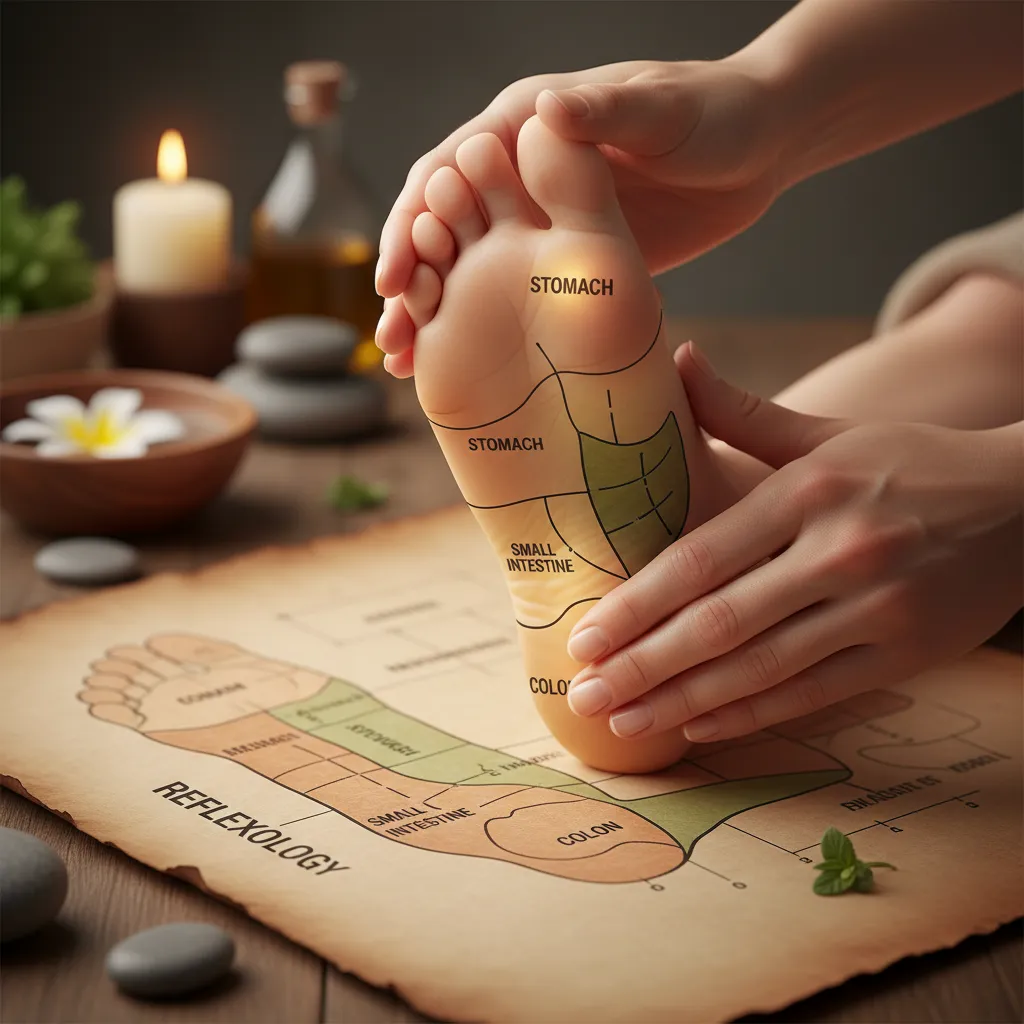
- Stomach Reflex: Located on the arch of the left foot (and a smaller section on the right), stimulating this point can help with indigestion, heartburn, and overall gastric function.
- Small Intestine Reflex: Spans a large area across both arches of the feet, representing the intricate network of the small intestine. Working this area can aid nutrient absorption and reduce bloating.
- Large Intestine (Colon) Reflex: This is particularly vital for constipation. It follows a distinct path on both feet: starting from the lower right heel (ascending colon), moving across the right arch and then across to the left arch (transverse colon), and finally down the left heel (descending and sigmoid colon) to the inner ankle (rectum). Systematically working these points can encourage peristalsis and bowel regularity.
- Pancreas Reflex: Located on the left foot, near the stomach reflex. Stimulation here can support enzyme production and blood sugar regulation, indirectly aiding digestion.
- Liver Reflex: Primarily on the right foot, below the toes. The liver plays a crucial role in detoxification and bile production, both essential for healthy digestion.
- Gallbladder Reflex: Also on the right foot, beneath the liver reflex. Stimulating this point can help with bile release, which aids in fat digestion.
- Adrenal Gland Reflex: Located near the inner arch of both feet, the adrenal glands manage stress. Reducing stress through these points can positively impact the gut-brain axis and digestive function.
By applying targeted pressure to these reflex zones, a reflexology practitioner aims to gently coax the digestive organs back into optimal working order. This approach recognizes the body’s inherent wisdom and its capacity for self-healing, offering a natural pathway to relief and improved digestive well-being. It is a therapy that, when performed correctly, can bring a profound sense of relaxation while simultaneously addressing specific physiological concerns, making it a powerful tool in a holistic health regimen.
Reflexology Techniques for Common Digestive Issues
Reflexology offers targeted techniques to address a range of common digestive complaints, from the stubbornness of constipation to the discomfort of bloating and the burning sensation of acid reflux. The application of pressure varies in intensity and duration, tailored to the individual’s needs and the specific condition being treated. While professional reflexology sessions are highly recommended for deep-seated issues, understanding these techniques can also empower individuals to perform self-reflexology for daily maintenance and immediate relief.
Addressing Constipation Through Reflexology
Constipation is characterized by infrequent bowel movements or difficulty passing stool, often leading to discomfort and sluggishness. Reflexology for constipation focuses primarily on stimulating the large intestine reflex points to encourage peristalsis—the wave-like muscle contractions that move food through the digestive tract. A common technique involves a ‘walking’ motion with the thumb or finger across the large intestine reflexes on both feet, mimicking the natural flow of waste through the colon.
- Ascending Colon: Start at the lower right heel, applying gentle but firm pressure with your thumb, moving slowly upwards towards the outer edge of the foot.
- Transverse Colon: Continue the ‘walking’ motion across the ball of the right foot, then transition to the left foot, moving across the arch to the outer edge.
- Descending and Sigmoid Colon: Move your thumb down the outer edge of the left foot, from the little toe side towards the heel, and then along the inner arch towards the ankle (rectum).
This sequence should be repeated several times, focusing on areas that feel tender or grainy, as these might indicate areas of congestion. Consistent application over several days or weeks can often yield significant improvements in bowel regularity. Hydration and a fiber-rich diet are essential partners in this effort, enhancing the effectiveness of the reflexology treatment.
Relieving Bloating and Gas
Bloating and gas are often symptoms of trapped air, poor digestion, or an imbalanced gut microbiome. Reflexology aims to release this trapped gas and improve digestive efficiency. Key reflex points for these issues include the stomach, small intestine, and large intestine, as well as the diaphragm and solar plexus.
- Solar Plexus: Located in the center of the ball of each foot, the solar plexus reflex is excellent for relaxation and can help release tension that contributes to gas and bloating. Apply gentle, sustained pressure here.
- Diaphragm: The line across the ball of each foot, just below the toes, corresponds to the diaphragm. Working this area can help relax the abdominal muscles and facilitate the release of trapped gas.
- Stomach and Intestines: Gentle circular motions or ‘thumb walking’ over the stomach and small intestine reflexes can stimulate digestive enzymes and promote the movement of contents through the gut, reducing fermentation and gas buildup.
Focus on gentle, sweeping movements, imagining you are helping to smooth out and calm the digestive tract. Deep breathing exercises performed during self-reflexology can further enhance the relaxation response and aid in expelling gas.
Managing Acid Reflux and Heartburn
Acid reflux, or GERD, occurs when stomach acid flows back into the esophagus, causing a burning sensation (heartburn). Reflexology can help by promoting relaxation, reducing stress (a common trigger for reflux), and potentially improving the function of the esophageal sphincter.
- Esophagus Reflex: Located on the inner edge of each foot, along the arch, starting from the big toe down towards the heel. Gently stroking or applying light pressure along this line can help soothe the esophagus.
- Stomach Reflex: As mentioned, the stomach reflex (on the arch of the left foot) is crucial. Gentle, sustained pressure or circular motions can help calm an overactive stomach.
- Adrenal Gland and Solar Plexus: Working these stress-reducing points (inner arch and center of ball of foot) can significantly reduce the physiological stress response that often exacerbates acid reflux symptoms.
For acid reflux, the approach should be very gentle and calming, focusing on relaxation rather than intense stimulation. Regular sessions can help the body maintain a more balanced state, potentially reducing the frequency and severity of reflux episodes. Combining this with dietary adjustments, such as avoiding trigger foods, is also paramount.
These techniques, when applied consistently and correctly, can provide a powerful natural adjunct to managing digestive distress. For persistent or severe conditions, always consult with a healthcare professional alongside seeking advice from a certified reflexologist.
Supporting Healthy Bowel Function and Regularity
Beyond addressing acute symptoms, reflexology plays a significant role in promoting long-term healthy bowel function and regularity. The holistic nature of reflexology means it doesn’t just target individual organs but works to balance the entire body system, which is crucial for maintaining optimal digestive health. Regular stimulation of reflex points can help educate the body, encouraging it to establish and maintain healthy rhythms.
Promoting Peristalsis and Gut Motility
Peristalsis is the rhythmic contraction and relaxation of muscles in the digestive tract that propels food and waste along. When peristalsis is sluggish, constipation and a feeling of fullness can occur. Reflexology, particularly targeting the large and small intestine reflexes, can act as a gentle stimulant, encouraging these muscles to function more efficiently.
By repeatedly applying pressure along the entire colon pathway on the feet, reflexology helps to re-educate the bowel muscles. This stimulation is believed to enhance nerve signals to the intestines, improving their contractile strength and coordination. Regular reflexology sessions can help reset the body’s internal clock, leading to more predictable and complete bowel movements. This isn’t just about clearing blockages; it’s about optimizing the inherent mechanism of digestion itself. Many individuals, especially those in Auckland seeking natural health solutions, find that consistent reflexology helps them achieve a regularity they haven’t experienced in years, reducing reliance on laxatives and other symptomatic treatments.
Stress Reduction for Optimal Digestion
The gut-brain axis is a well-established connection, illustrating how stress profoundly impacts digestive health. Chronic stress can slow down digestion, alter gut flora, increase inflammation, and exacerbate conditions like Irritable Bowel Syndrome (IBS) and constipation. Reflexology excels at inducing deep relaxation, making it a powerful tool for managing stress and, by extension, improving digestion.
During a reflexology session, the body enters a parasympathetic ‘rest and digest’ state. This counteracts the sympathetic ‘fight or flight’ response that stress triggers. By stimulating points related to the solar plexus, adrenal glands, and pituitary gland, reflexology helps to calm the nervous system, reduce cortisol levels, and alleviate overall body tension. When the body is relaxed, blood flow to the digestive organs improves, enzyme production becomes more efficient, and the gut can perform its functions optimally. For anyone struggling with stress-related digestive issues, incorporating regular reflexology can be a game-changer, fostering a calmer mind and a more harmonious gut. For further reading on the fascinating connection between stress and digestion, authoritative sources such as Harvard Health offer comprehensive insights.
Self-Reflexology Techniques for Daily Support
While professional reflexology offers deep therapeutic benefits, integrating self-reflexology into your daily routine can provide continuous support for digestive health. Even short, focused sessions can make a difference. Here are some simple techniques:
- Morning Stimulus: Before getting out of bed, spend 5-10 minutes gently ‘thumb walking’ across your large intestine reflexes on both feet. This can help stimulate a morning bowel movement.
- Solar Plexus Hold: When feeling stressed or bloated, press and hold the solar plexus point (center of the ball of your foot) for 30-60 seconds, taking deep breaths.
- Ankle Rotation: Gently rotate your ankles in both directions. This stimulates points related to the pelvic organs and reproductive system, which can indirectly support bowel function.
- Foot Massage Ball: Use a small massage ball (like a tennis ball or specific reflexology ball) to roll under your foot, focusing on the arch area. This provides continuous pressure to the intestinal reflexes.
Consistency is key for self-reflexology. Even a few minutes each day can reinforce the work done in professional sessions and help maintain the body’s natural balance, leading to improved digestion and greater overall comfort. Consider consulting with a local reflexologist in Auckland for personalized self-care guidance and to learn the most effective techniques tailored to your specific needs.
Dietary Considerations Alongside Reflexology for Gut Health
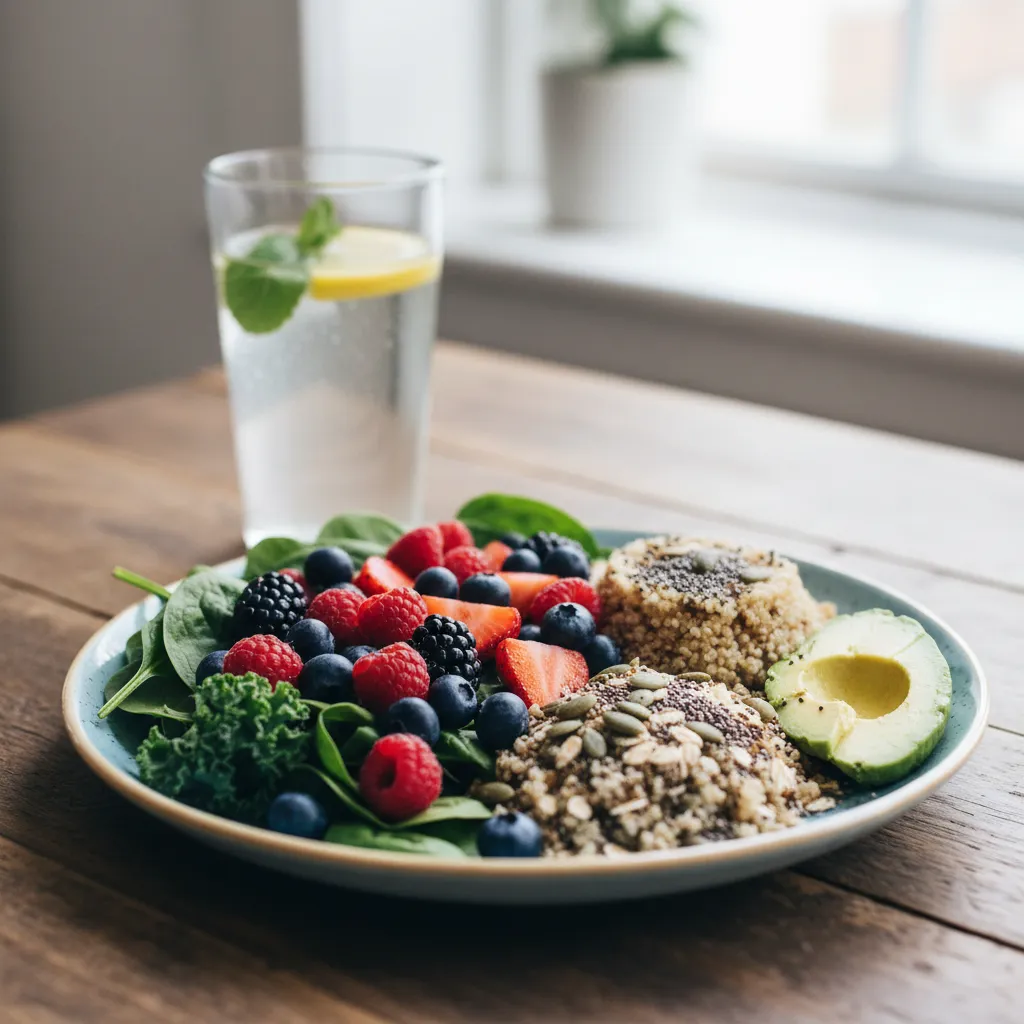
Reflexology is a powerful complementary therapy, but its effectiveness in improving digestive health is significantly amplified when combined with a mindful and gut-friendly diet. Just as reflexology helps to optimize the physical pathways of digestion, nutrition provides the essential building blocks and fuel for a healthy gut microbiome and efficient organ function. Integrating these two approaches creates a holistic strategy for long-term digestive well-being.
The Role of Fiber and Hydration
Fiber and water are the twin pillars of healthy digestion, especially when addressing constipation. Dietary fiber adds bulk to stool, making it softer and easier to pass, while water ensures that the fiber can work effectively and keeps the digestive tract lubricated. Without adequate hydration, fiber can actually worsen constipation.
- Soluble Fiber: Found in oats, beans, apples, and citrus fruits, soluble fiber dissolves in water to form a gel-like substance, which can help regulate blood sugar and cholesterol, and add softness to stool.
- Insoluble Fiber: Present in whole grains, vegetables (like leafy greens), and wheat bran, insoluble fiber adds bulk to stool and helps it move through the digestive system more quickly.
Aim for a diverse intake of both types of fiber. Simultaneously, ensure you are drinking plenty of water throughout the day – at least 8 glasses (2 liters) for most adults. Herbal teas can also contribute to hydration. This fundamental dietary approach creates an optimal internal environment, allowing reflexology to more effectively stimulate the gut and encourage its natural functions.
Probiotics and Prebiotics
The health of your gut microbiome – the trillions of bacteria living in your intestines – is paramount for digestion. An imbalance in this ecosystem can lead to a host of issues, including constipation, bloating, and even immune system dysfunction. Probiotics and prebiotics play distinct but complementary roles in fostering a healthy gut flora.
- Probiotics: These are beneficial live bacteria and yeasts that, when consumed, can replenish and balance the gut microbiome. Excellent natural sources include fermented foods like yogurt (with live cultures), kefir, sauerkraut, kimchi, kombucha, and tempeh.
- Prebiotics: These are non-digestible fibers that act as food for the beneficial bacteria in your gut. They promote the growth of healthy microbes. Rich sources include garlic, onions, leeks, asparagus, bananas, and whole grains.
Incorporating a variety of probiotic and prebiotic-rich foods into your diet can significantly enhance gut health, making the digestive system more resilient and responsive to therapies like reflexology. A thriving gut microbiome aids in nutrient absorption, synthesizes vitamins, and helps maintain bowel regularity.
Foods to Avoid for Digestive Comfort
Just as certain foods promote digestive health, others can hinder it, especially for individuals prone to digestive issues. Minimizing or avoiding these can reduce inflammation, gas, and discomfort, complementing the calming effects of reflexology.
- Processed Foods: Often high in unhealthy fats, sugar, and artificial additives, these foods lack fiber and can disrupt the gut microbiome and slow digestion.
- Excessive Red Meat: Can be difficult to digest and, in large quantities, may contribute to constipation.
- Fried and Fatty Foods: Can overwhelm the digestive system, leading to indigestion and bloating.
- Dairy (for lactose intolerant individuals): Lactose can cause gas, bloating, and diarrhea in those who lack the enzyme lactase.
- Artificial Sweeteners: Some can act as laxatives or cause gas and bloating in sensitive individuals.
- High-FODMAP Foods (for some): For individuals with IBS, certain carbohydrates (FODMAPs) found in foods like specific fruits, vegetables, and grains can trigger symptoms. Consulting with a dietitian can help identify these.
Paying attention to how your body reacts to different foods and making informed choices is crucial. A food diary can be a helpful tool in identifying personal triggers. By adopting a nutrient-dense, whole-foods-based diet and combining it with the therapeutic benefits of reflexology, you create a powerful synergy that supports robust digestive function and overall vitality. For more detailed nutritional advice on gut health, consult reputable sources like NIDDK (National Institute of Diabetes and Digestive and Kidney Diseases).
Integrating Reflexology into a Holistic Wellness Plan
Achieving optimal digestive health, particularly when addressing issues like constipation, requires a holistic approach that recognizes the interconnectedness of body, mind, and spirit. Reflexology, while potent on its own, truly shines when integrated into a broader wellness plan that encompasses diet, lifestyle, and stress management. It serves as a powerful natural ally, complementing other healthy habits to create sustained well-being.
For residents of Auckland, incorporating reflexology for digestion and constipation means exploring the skilled practitioners available who can offer personalized treatments. A professional reflexologist can provide a deeper, more targeted session than self-reflexology, identifying specific areas of congestion or imbalance that might require expert attention. They can also offer guidance on how to integrate self-care techniques into your daily routine between sessions, maximizing the benefits. Regular visits, perhaps monthly or bi-weekly depending on the severity of symptoms, can help establish a new baseline for digestive function and maintain it over time.
Beyond scheduled sessions, a holistic approach also entails mindful living. This includes regular physical activity, which naturally stimulates bowel movements and reduces stress. Adequate sleep is another critical component, as the body performs many restorative processes, including digestive repair, during rest. Techniques such as meditation, yoga, or spending time in nature can further enhance the stress-reducing effects of reflexology, creating a profound synergy that supports the gut-brain axis.
Ultimately, reflexology for digestive health is not a quick fix but an ongoing journey. It empowers individuals to take an active role in their well-being, fostering a deeper connection with their bodies and understanding its signals. By combining the ancient wisdom of reflexology with modern nutritional knowledge and mindful living practices, you can cultivate a resilient, harmonious digestive system and enjoy the profound benefits of natural gut health. This integrative strategy offers a sustainable path to relief, regularity, and an enhanced quality of life.
People Also Ask About Reflexology for Digestion
How long does it take for reflexology to help with constipation?
The time it takes for reflexology to relieve constipation varies among individuals. Some people experience relief after just one or two sessions, while others may require several weeks of consistent treatments to see significant improvement. Factors such as the severity and chronicity of constipation, lifestyle, and dietary habits all play a role. Regular sessions combined with proper hydration and fiber intake tend to yield faster and more lasting results.
Is reflexology safe for digestive issues?
Yes, reflexology is generally considered safe for most people when performed by a qualified and certified practitioner. It is a non-invasive and gentle therapy. However, individuals with certain medical conditions, such as deep vein thrombosis, open wounds on the feet, or those who are pregnant, should consult their doctor before undergoing reflexology. Always inform your reflexologist about any health conditions or medications you are taking.
Can reflexology help with IBS symptoms?
Many individuals with Irritable Bowel Syndrome (IBS) find relief from their symptoms through reflexology. By targeting reflex points related to the intestines, stomach, and solar plexus (stress point), reflexology can help reduce bloating, gas, abdominal pain, and normalize bowel movements (constipation or diarrhea dominant IBS). Its ability to induce relaxation and reduce stress is particularly beneficial for IBS, as stress is a major trigger for symptoms.
Are there any side effects of reflexology for digestion?
Reflexology is generally well-tolerated with minimal side effects. Some individuals might experience mild side effects such as increased urination or bowel movements, lightheadedness, or fatigue after a session, which are typically seen as part of the body’s detoxification process. These reactions are usually temporary and indicate the body is responding to the treatment. Any concerns should be discussed with your reflexologist or healthcare provider.
How often should I get reflexology for digestive health?
The frequency of reflexology sessions depends on your individual condition and goals. For acute digestive issues like severe constipation, weekly sessions might be recommended initially. As symptoms improve, the frequency can be reduced to bi-weekly or monthly maintenance sessions. For general wellness and ongoing digestive support, monthly sessions are often sufficient. Your reflexologist will help you determine the best treatment plan.
Can I do self-reflexology for constipation?
Yes, self-reflexology can be a very effective way to support digestive health and alleviate constipation between professional sessions. Focusing on the large intestine reflex points on your feet, using gentle ‘thumb walking’ techniques, can help stimulate peristalsis. Consistent daily practice, especially in the morning, can encourage bowel regularity. It’s advisable to learn the correct techniques from a professional reflexologist or reliable resources to maximize effectiveness.