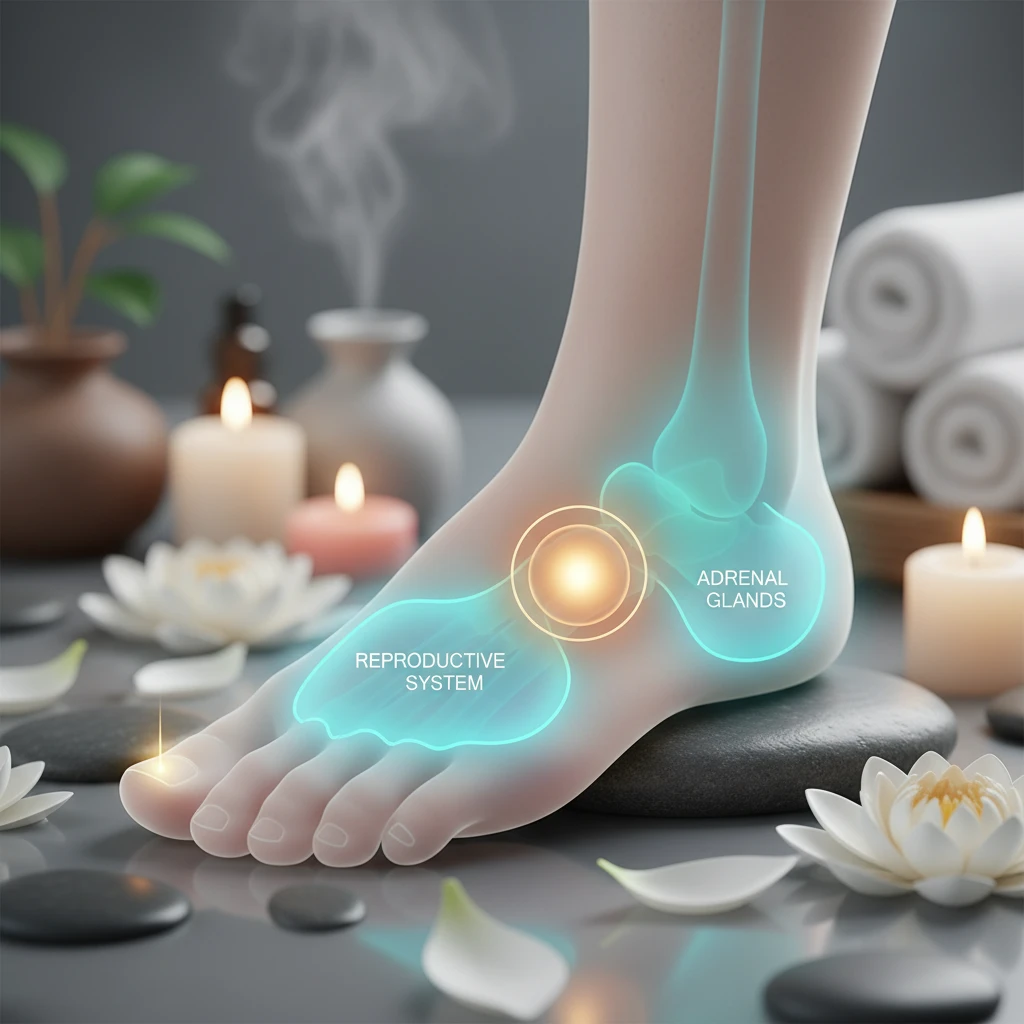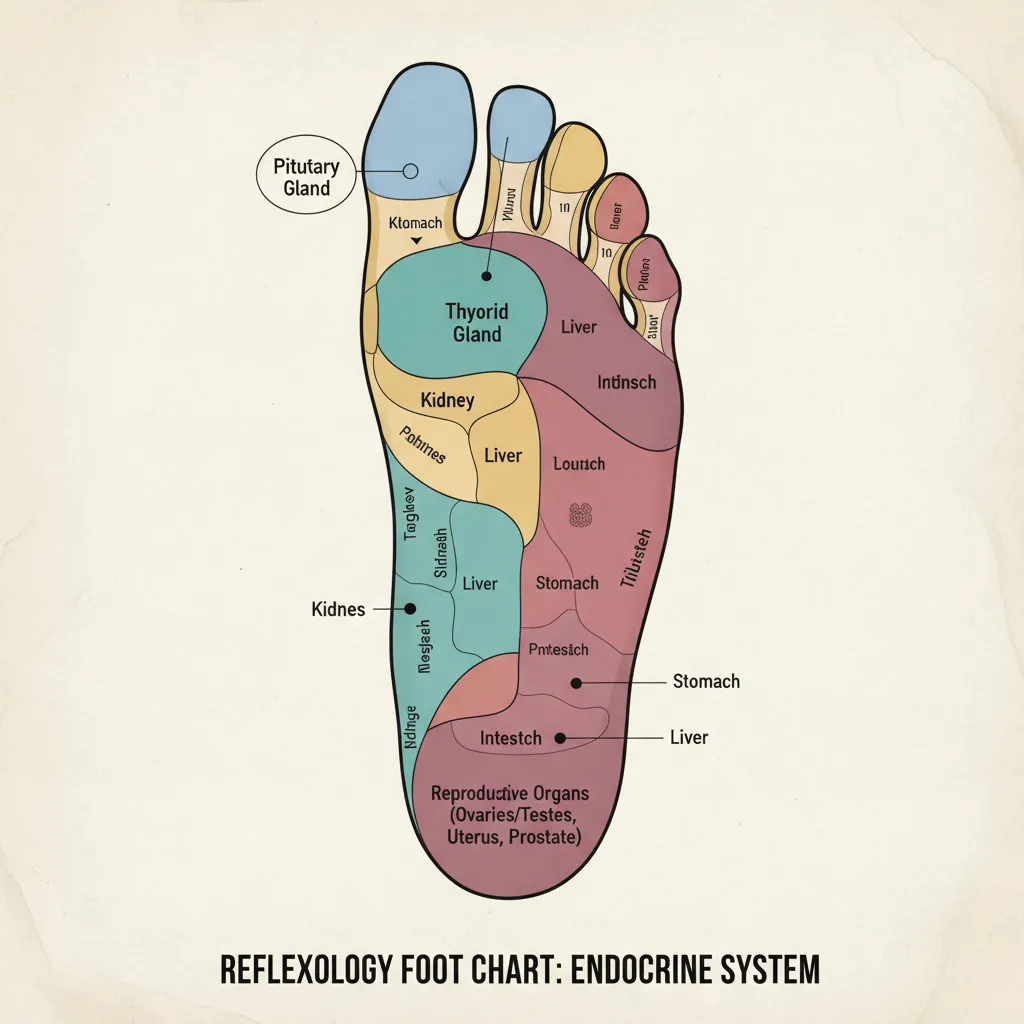
Postpartum reflexology is a specialized holistic therapy that involves applying targeted pressure to specific points on the feet, hands, or ears to aid recovery after childbirth. It is designed to rebalance hormones, stimulate the uterus for faster involution, increase breast milk production, and alleviate symptoms of postpartum depression and anxiety.
The journey of pregnancy and childbirth places an immense physiological and emotional load on a woman’s body. Once the baby arrives, the focus often shifts entirely to the newborn, leaving the mother’s recovery as an afterthought. However, the “fourth trimester” is a critical period for healing. In the realm of holistic health, postpartum reflexology has emerged as a powerful, non-invasive tool to accelerate physical recovery and restore hormonal equilibrium.
What is Postpartum Reflexology?
Reflexology is based on the principle that specific areas on the feet, known as reflex zones, correspond to different organs and systems within the body. By manipulating these zones, a practitioner can stimulate the body’s natural healing processes. Postpartum reflexology specifically targets the endocrine (hormonal), reproductive, and nervous systems to address the unique challenges a new mother faces.
Unlike a general foot massage, which focuses primarily on muscular relaxation, reflexology is a therapeutic modality. It seeks to restore homeostasis. After birth, a woman’s body undergoes a rapid and dramatic drop in hormones like estrogen and progesterone. This fluctuation can lead to mood swings, fatigue, and physical discomfort. Reflexology acts as a stabilizing force, helping the body navigate these changes more smoothly.
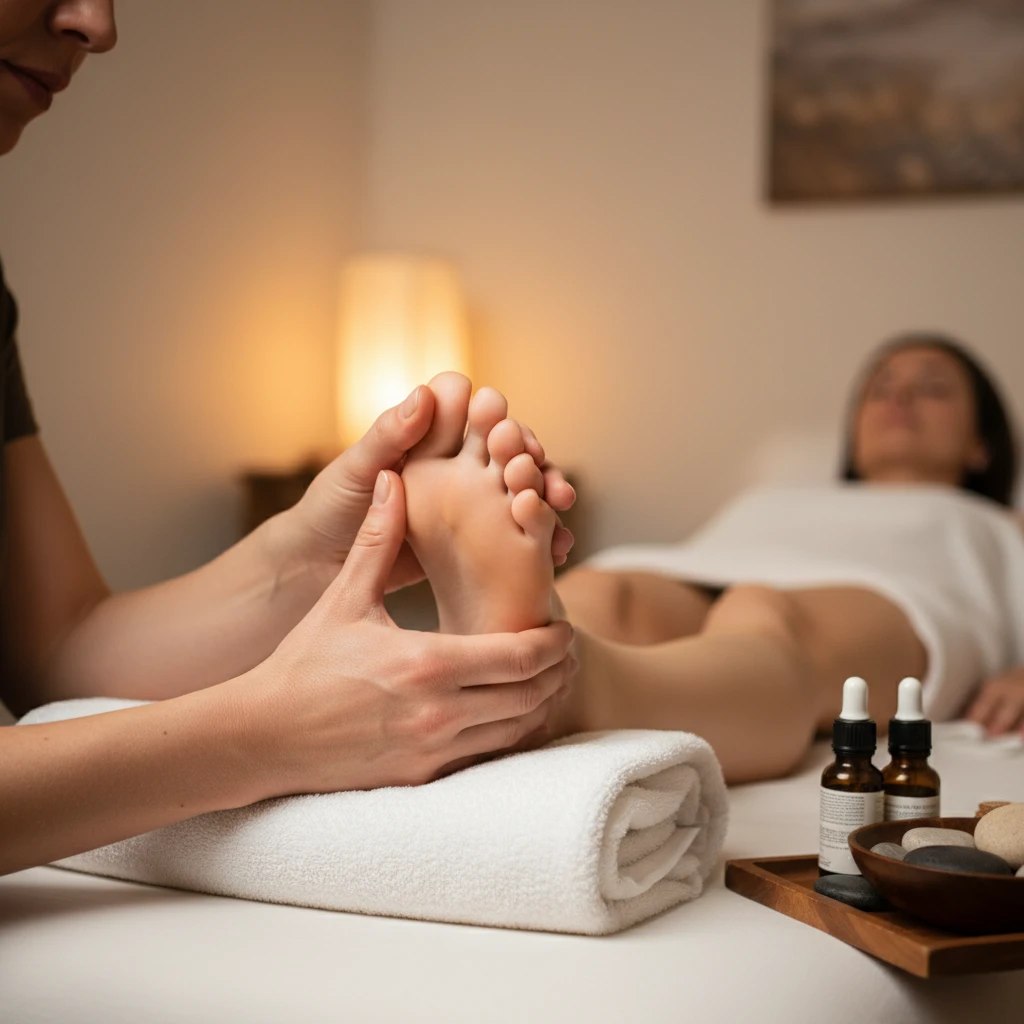
Encouraging Uterus Involution and Recovery
One of the most immediate physical goals after childbirth is uterus involution—the process by which the uterus contracts and returns to its pre-pregnancy size and location. This process is vital for preventing postpartum hemorrhage and ensuring long-term reproductive health.
Reflexology aids this process by targeting the pituitary gland reflex point, typically located in the center of the big toe. Stimulation of this point encourages the release of oxytocin. While oxytocin is famous for inducing labor, in the postpartum period, it is the primary hormone responsible for causing the uterus to contract.
The Mechanics of Healing
When a reflexologist works on the reproductive reflexes (located around the ankles), they increase blood circulation to the pelvic area. This enhanced circulation brings oxygen and nutrients to the tissues damaged during birth, whether via vaginal delivery or Cesarean section, accelerating tissue repair. Regular sessions can help the uterus clamp down effectively, reducing the duration of lochia (postpartum bleeding) and minimizing afterpains.
Supporting Lactation and Breastfeeding Success
Breastfeeding challenges are among the top stressors for new mothers. Issues such as low milk supply, mastitis, or engorgement can be physically painful and emotionally draining. Postpartum reflexology offers a unique approach to supporting lactation by addressing both the physical mechanism of milk production and the stress levels of the mother.
Milk production is governed by two main hormones: prolactin (which produces milk) and oxytocin (which triggers the “let-down” reflex). Stress is the number one enemy of oxytocin. When a mother is anxious or in pain, cortisol levels rise, inhibiting the let-down reflex.
Key Reflex Points for Lactation
- The Pituitary Point: As the master gland, stimulating this point helps regulate the release of prolactin.
- The Breast/Chest Reflexes: Located on the top of the foot, between the tendons. Gentle lymphatic drainage techniques applied here can help clear blockages in the milk ducts, potentially alleviating early-stage mastitis or engorgement.
- The Thoracic Spine Reflexes: Located along the inner edge of the foot, connecting to the nerves that supply the breast tissue.
By inducing a state of deep relaxation (parasympathetic nervous system dominance), reflexology ensures that the mother’s body is in the optimal state for breastfeeding.
Postpartum Depression Support and Emotional Balance
The “baby blues” affect up to 80% of new mothers, but for many, this can escalate into Postpartum Depression (PPD) or Postpartum Anxiety. The sudden withdrawal of pregnancy hormones creates a chemical imbalance in the brain. While reflexology should not replace medical treatment for severe PPD, it is an exceptional complementary therapy for mood regulation.
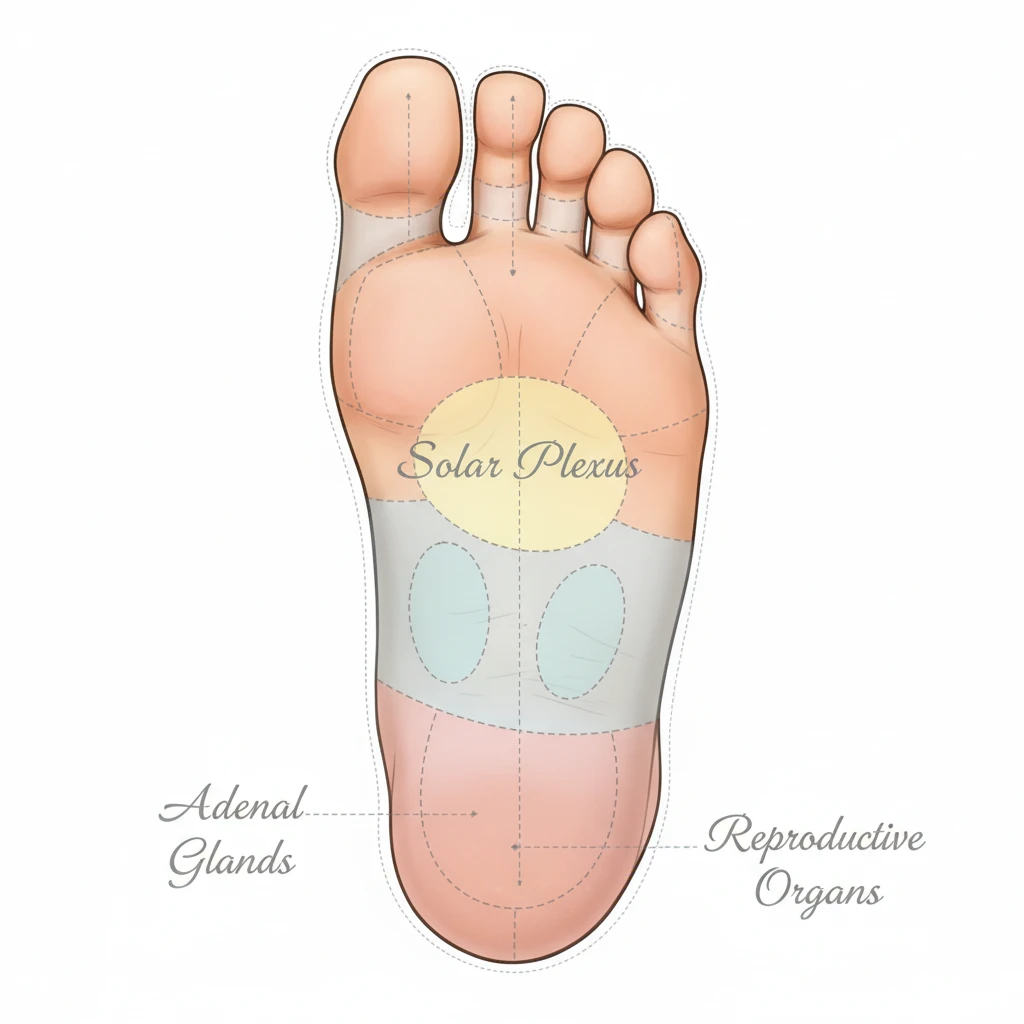
Reflexology works to balance the endocrine system. By working the reflex points for the thyroid, parathyroid, and adrenal glands, a practitioner helps stabilize the hormonal fluctuations that trigger mood swings. Furthermore, the Solar Plexus reflex—often called the “nerve switchboard” of the body—is a focal point in these sessions.
Pressing the solar plexus point (located in the center of the ball of the foot) encourages deep breathing and an immediate reduction in anxiety. This grounding effect is crucial for mothers feeling overwhelmed or disconnected. According to the National Institutes of Health (NIH), complementary therapies like reflexology have shown promise in significantly reducing anxiety scores in postpartum women.
Restoring Energy Levels and Fighting Fatigue
Sleep deprivation is synonymous with the newborn phase. However, there is a difference between lack of sleep and adrenal exhaustion. Chronic fatigue can set in when the body’s “fight or flight” mechanism stays activated for too long due to the stress of parenting and recovery.
Postpartum reflexology focuses heavily on the Adrenal and Kidney reflexes. In Traditional Chinese Medicine (TCM), the kidneys are the reservoir of our vital life force (Qi). Pregnancy and birth deplete kidney Qi. By stimulating the kidney meridian and adrenal points on the soles of the feet, reflexology helps to “recharge the battery.”
Combating “Mom Brain”
Fatigue often manifests as brain fog or “mom brain.” By working the reflex points for the brain and spine on the big toe, circulation is improved to the central nervous system. This can lead to improved clarity, better memory retention, and a greater ability to cope with the cognitive demands of caring for an infant.
Reflexology for C-Section Recovery
Mothers who undergo Cesarean sections face a more complex recovery, involving major abdominal surgery. Reflexology is particularly beneficial here because it allows for therapeutic work without touching the sensitive incision site.
The primary focus for C-section recovery is preventing scar tissue adhesion and stimulating digestive motility. Post-surgical constipation is a common complaint due to anesthesia and pain medication. Reflexologists will work the digestive tract reflexes (located in the arch of the foot) to encourage peristalsis and relieve gas and bloating gently.
Additionally, working the lymphatic reflexes helps reduce the edema (swelling) that often occurs in the legs and feet after surgery. It provides a safe way to detoxify the system from the medications used during the procedure.
Simple At-Home Techniques for New Mothers
While seeing a certified reflexologist is recommended for a full treatment, new mothers can perform simple techniques on themselves or have a partner assist. These can be done while nursing or resting.
- The Solar Plexus Press: Place your thumb in the center of the ball of your foot. Press firmly while inhaling deeply, and release while exhaling. Repeat 5 times to reduce anxiety.
- Pituitary Pinch: Gently squeeze the center of your big toe. This can help with milk let-down before a feed.
- Spinal Twist: Gently twist the foot by holding the heel in one hand and the ball of the foot in the other. This helps relax the back muscles, which are often sore from nursing posture.
For more comprehensive information on maternal health and complementary therapies, resources like the World Health Organization (WHO) provide extensive guidelines on postpartum care standards.
People Also Ask
Is reflexology safe immediately after birth?
Yes, reflexology is generally considered safe immediately after birth. However, it is recommended to wait until you are medically cleared or at least a few days postpartum to allow the initial trauma of birth to settle. Always consult your midwife or doctor before starting.
Can reflexology help with low milk supply?
Reflexology can support milk supply by reducing stress and stimulating the pituitary gland, which releases prolactin and oxytocin. These hormones are essential for milk production and the let-down reflex.
How often should I get reflexology postpartum?
For optimal results, a weekly session for the first 6 weeks postpartum is often recommended. This aligns with the “fourth trimester” recovery period. Maintenance sessions can then be scheduled monthly.
Does reflexology help shrink the uterus?
Yes, by stimulating the pituitary reflex point, reflexology encourages the release of oxytocin, which causes the uterus to contract and return to its pre-pregnancy size (involution).
Is reflexology painful after giving birth?
Reflexology should not be painful. Some points may feel tender or “crunchy” (indicating congestion), but a skilled practitioner will adjust pressure to ensure the experience is relaxing and restorative.
Can reflexology help with C-section scar healing?
Reflexology improves blood circulation and lymphatic drainage, which aids in general tissue repair. While it doesn’t touch the scar directly, improved systemic circulation supports internal healing of the incision site.