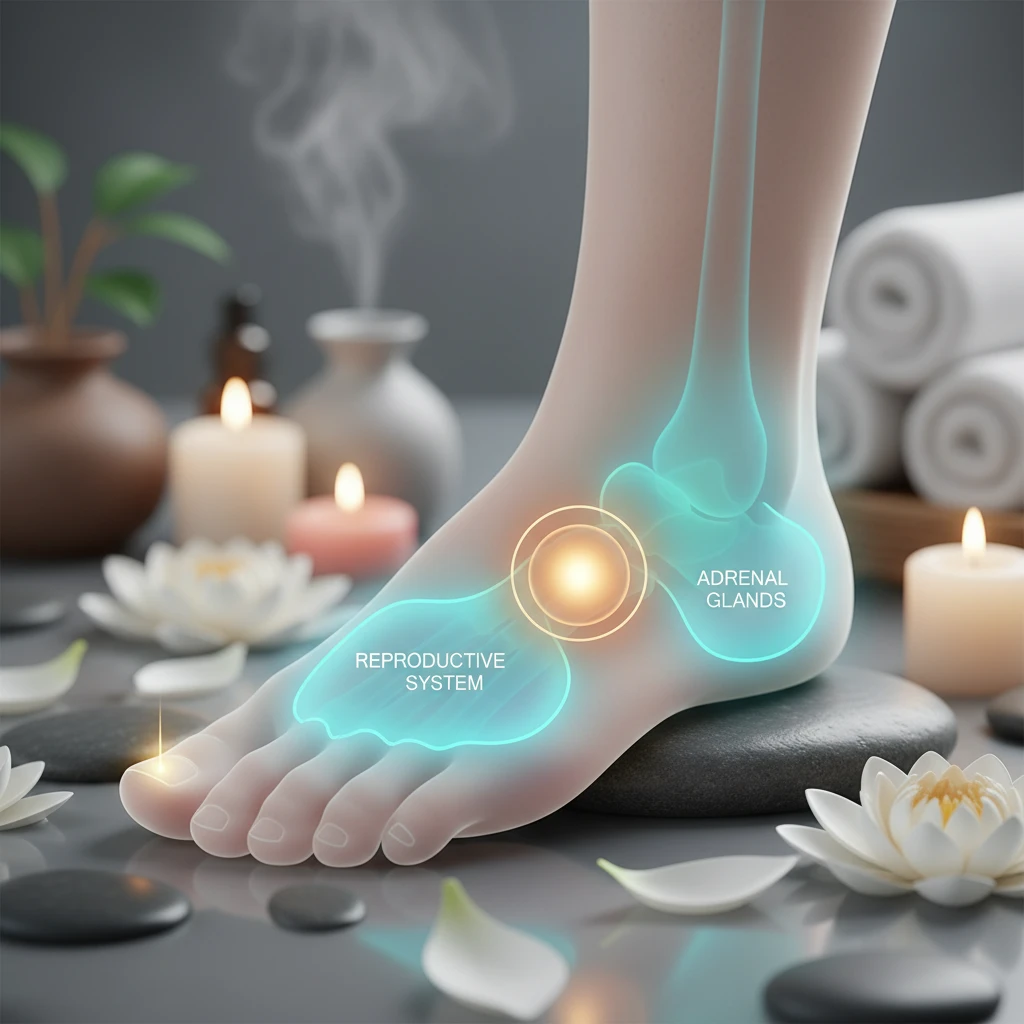
Reflexology for endometriosis is a specialized holistic therapy that utilizes targeted pressure points on the feet and hands to alleviate chronic pelvic pain and hormonal imbalances. By stimulating specific nerve endings connected to the reproductive system, this practice aims to reduce inflammation, regulate the menstrual cycle, and induce deep relaxation to counteract the stress of chronic illness.
Endometriosis affects an estimated 10% of women of reproductive age globally, causing debilitating pain that often resists standard pharmaceutical interventions. While surgery and hormonal therapies are the conventional routes, many sufferers are turning to reflexology for endometriosis as a powerful, non-invasive adjunct therapy. This guide explores the physiological mechanisms behind reflexology and how it serves as a vital tool for commercial investigation into holistic pain management.
How Reflexology Targets Endometriosis Pain
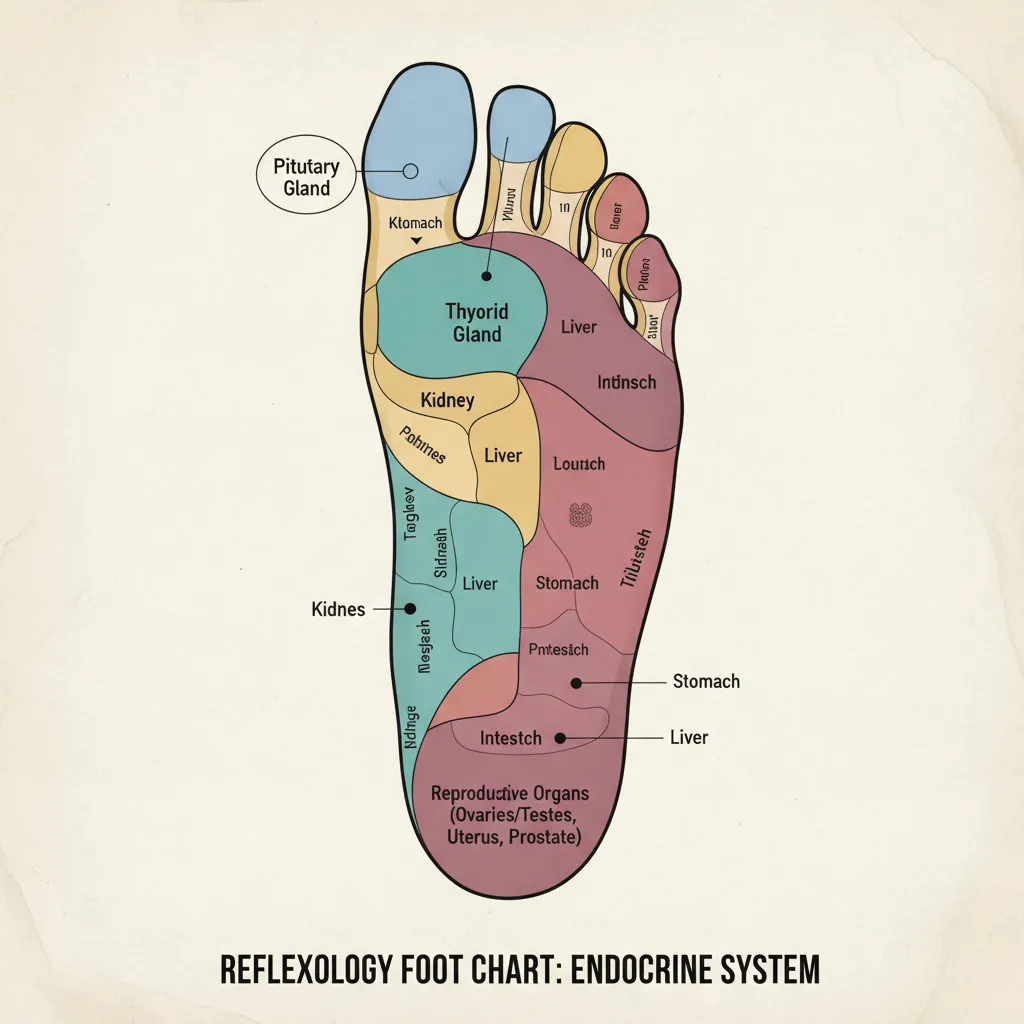
Reflexology is far more than a simple foot massage; it is a discipline based on the principle that specific areas of the feet, hands, and ears—known as reflex zones—correspond to different organs and systems within the body. In the context of endometriosis, practitioners focus heavily on the reflex points associated with the uterus, ovaries, fallopian tubes, and the endocrine system.
The primary theory behind its efficacy is the restoration of homeostasis. Endometriosis disrupts the body’s internal balance, creating a cycle of pain, inflammation, and hormonal chaos. Reflexology attempts to break this cycle by improving blood circulation to the pelvic region and facilitating the removal of toxins.
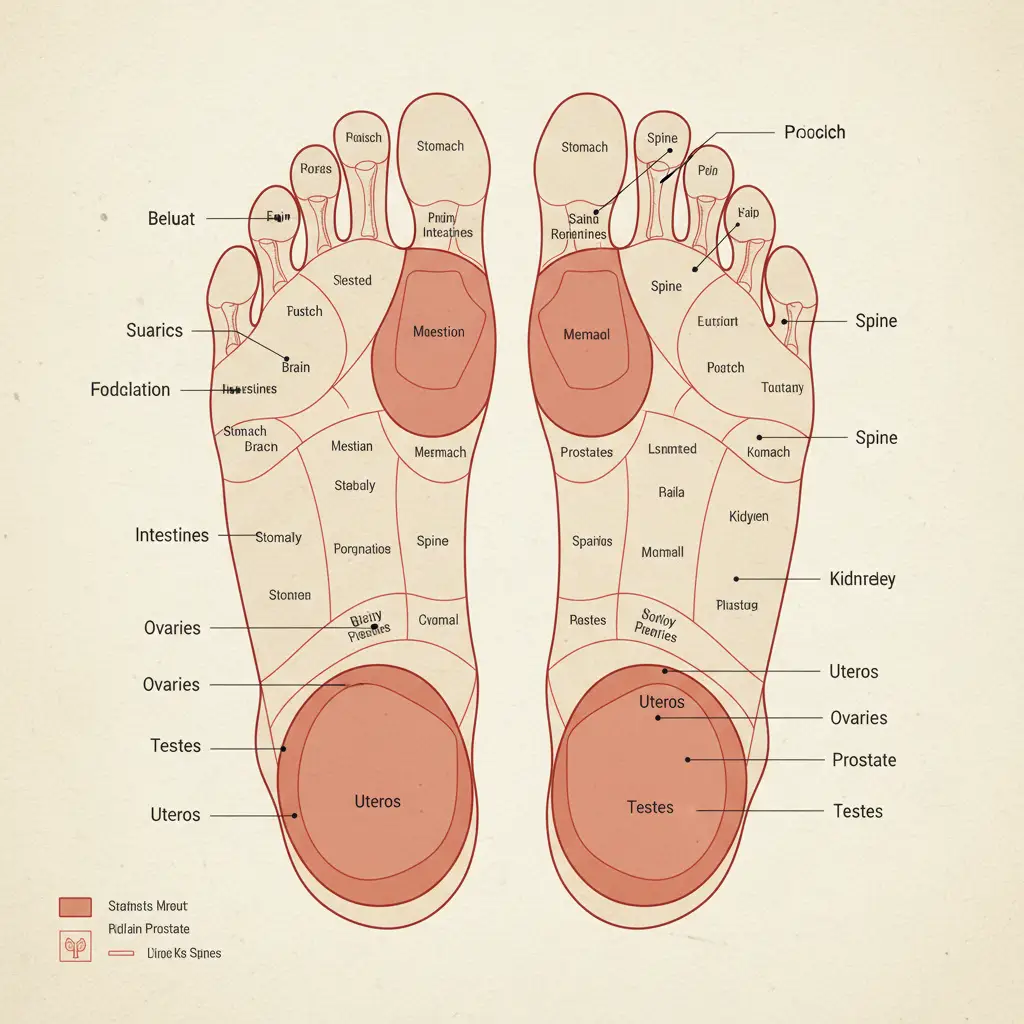
When a reflexologist applies pressure to the area around the ankles (which corresponds to the uterus and ovaries), it stimulates the parasympathetic nervous system. This shifts the body from a sympathetic “fight or flight” state—often chronic in pain sufferers—to a “rest and digest” state. This physiological shift is crucial for pain management, as stress hormones like cortisol are known to exacerbate inflammatory responses.
Reducing Pelvic Inflammation Naturally
One of the core components of endometriosis pathology is chronic inflammation. Lesions and adhesions within the pelvic cavity generate significant inflammatory markers, leading to the searing pain characteristic of the condition. Reflexology for endometriosis specifically targets the adrenal and lymphatic reflex points to combat this.
Stimulating the Adrenal Reflexes
The adrenal glands are responsible for producing cortisol and other steroids that regulate inflammation. In many women with chronic pain, adrenal fatigue is common. By working the adrenal reflex point (typically located in the arch of the foot), a therapist aims to balance cortisol production, thereby assisting the body’s natural anti-inflammatory processes.
Lymphatic Drainage via the Feet
Fluid retention and congestion in the pelvic area can increase pressure on sensitive nerve endings. Reflexology techniques often include lymphatic drainage movements on the dorsal aspect of the foot. This encourages the movement of lymph fluid away from the pelvic bowl, reducing bloating and the sensation of heaviness that often accompanies a flare-up. According to the National Institutes of Health (NIH), complementary therapies like reflexology have shown promise in reducing the intensity of menstrual cramps and associated inflammatory symptoms.
Pain Gating Techniques and Nervous System Regulation
Understanding the “Gate Control Theory” of pain is essential when discussing reflexology. This theory suggests that the spinal cord contains a neurological “gate” that either blocks pain signals or allows them to continue to the brain. Non-painful input, such as the firm, rhythmic pressure of reflexology, closes the “gates” to painful input, which prevents pain sensation from traveling to the central nervous system.
Reflexology for endometriosis utilizes this mechanism effectively. By flooding the nervous system with touch stimuli, the brain prioritizes these signals over the chronic pain signals arising from endometrial lesions. This provides a temporary but significant respite from pain, allowing the muscles to relax.
Furthermore, reflexology stimulates the production of endorphins and enkephalins—the body’s natural painkillers. These neurotransmitters are structurally similar to morphine and can provide potent analgesia. Regular sessions help train the body to release these chemicals more readily, raising the patient’s overall pain threshold over time.
Addressing Digestive Complications of Endo
“Endo belly”—severe bloating and digestive distress—is a frequent comorbidity of endometriosis. Endometrial tissue can attach to the bowel and intestines, causing symptoms that mimic Irritable Bowel Syndrome (IBS). A comprehensive reflexology protocol for endometriosis must address the digestive system.
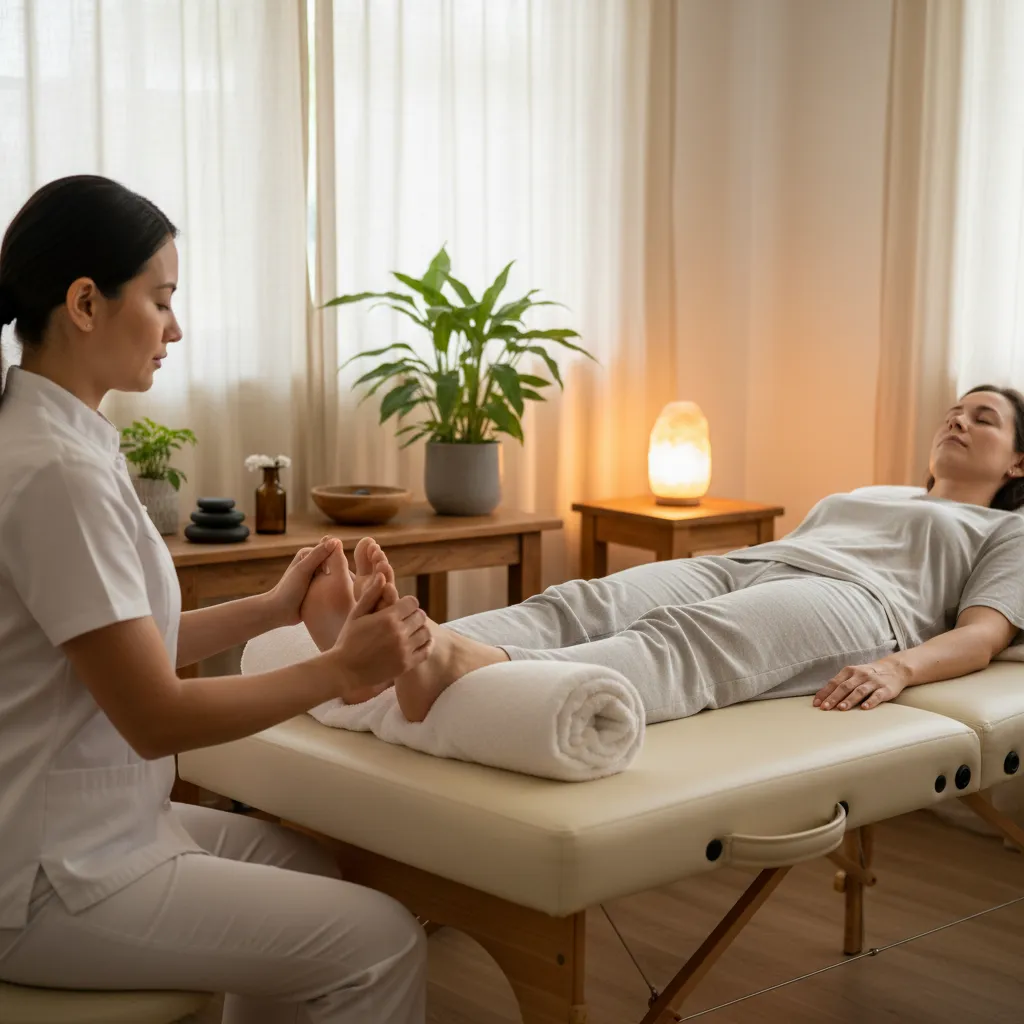
Practitioners will work the arch of the foot, which maps to the small and large intestines. Techniques here focus on:
- Peristalsis Regulation: Rhythmic pressure helps normalize the muscle contractions of the gut, aiding in smoother digestion and reducing constipation or diarrhea.
- Gas Release: Specific points can help release trapped gas, significantly reducing the distension and discomfort of endo belly.
- Vagus Nerve Stimulation: The vagus nerve regulates the digestive tract. Reflexology points on the big toe connect to the head and neck region, influencing vagal tone and promoting better digestive function.
By treating the digestive system alongside the reproductive system, reflexology offers a holistic approach that treats the patient as a whole entity rather than a collection of isolated symptoms.
Long-Term Symptom Management Strategies
For reflexology to be effective as a commercial investment in your health, consistency is key. Endometriosis is a chronic condition, and therefore, symptom management must be viewed through a long-term lens. A single session may provide relief for a few days, but cumulative treatments are necessary to retrain the nervous system and hormonal baseline.
Recommended Treatment Frequency
Most holistic health experts recommend an initial “loading dose” of treatments—typically weekly sessions for one to two menstrual cycles. This allows the practitioner to observe how the body responds at different phases of the cycle (follicular, ovulatory, luteal, and menstrual). Once a baseline of relief is established, maintenance sessions can be scheduled monthly, ideally a few days before menstruation begins, to preemptively manage cramping.
Self-Reflexology for Home Care
One of the advantages of this modality is the ability to perform self-care. Patients can be taught to massage specific points on their hands or feet during a flare-up. For example, the “uterus reflex” is located on the inside of the ankle, in the hollow below the medial malleolus. Gently massaging this area during a cramp can help soothe uterine contractions.
Finding a Qualified Reflexologist
When seeking a provider, it is critical to find a reflexologist who specializes in women’s health or reproductive pathologies. Not all reflexologists are trained to handle the complexities of endometriosis, specifically regarding the pressure sensitivity of inflamed areas.
Look for certification from reputable bodies such as the Association of Reflexologists (AoR) or the American Reflexology Certification Board (ARCB). A qualified practitioner will always begin with a detailed medical history and will never claim to “cure” endometriosis, but rather to support the body’s healing capability. They should also be willing to work in conjunction with your gynecologist or primary care physician.
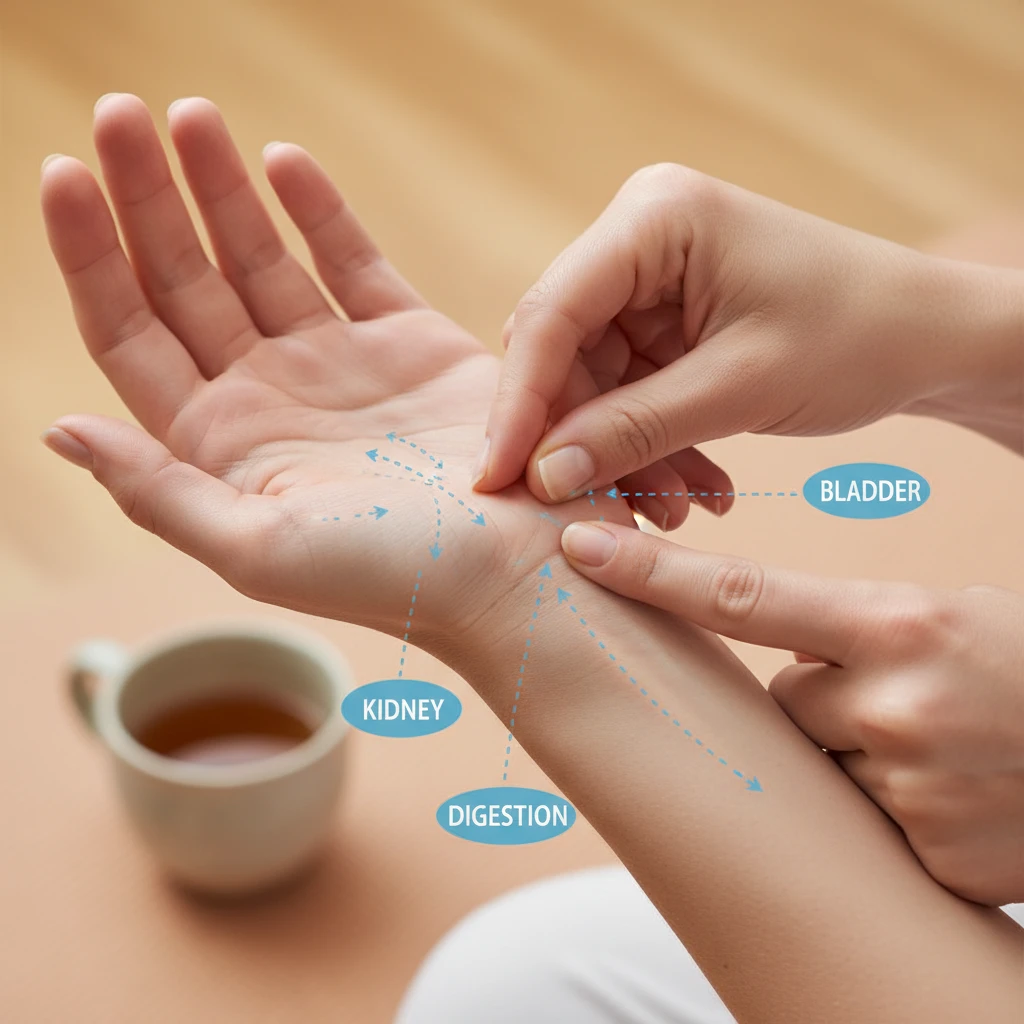
It is important to note that while reflexology is generally safe, it is a complementary therapy. It should not replace medical advice or prescribed treatments. Always consult with your healthcare provider before starting a new bodywork regimen, especially if you have a history of blood clots (DVT), which can sometimes be a concern with leg and foot manipulation.
Frequently Asked Questions
Where is the pressure point for endometriosis?
The primary reflexology pressure points for endometriosis are located around the ankles. Specifically, the hollow area below the inside ankle bone (medial malleolus) corresponds to the uterus, while the area below the outside ankle bone (lateral malleolus) corresponds to the ovaries. Massaging these areas can help relax the reproductive organs.
Can reflexology break up scar tissue?
Reflexology cannot physically break up internal scar tissue or adhesions caused by endometriosis. However, by improving blood flow and lymphatic drainage to the pelvic area, it may help soften the surrounding tissues and reduce the inflammation that makes scar tissue painful and restrictive.
How often should you do reflexology for endometriosis?
For best results, weekly sessions are recommended for at least two to three menstrual cycles to establish a rhythm of pain relief. After symptoms improve, maintenance sessions can be done once a month, ideally 3-5 days before the expected start of menstruation to mitigate cramping.
Is foot massage good for endometriosis?
Yes, foot massage and specifically reflexology are beneficial for endometriosis. They help lower cortisol levels, reduce systemic inflammation, and trigger the release of endorphins, which serve as the body’s natural painkillers, thereby helping to manage the chronic pain associated with the condition.
What helps endometriosis pain instantly?
While ‘instant’ relief varies, heat therapy (heating pads) and NSAIDs are the fastest standard treatments. In reflexology, firm pressure on the ‘Solar Plexus‘ point of the foot can help instantly calm the nervous system and reduce the intensity of pain signals during a flare-up.
Can reflexology help with hormonal imbalance?
Reflexology aims to balance the endocrine system by stimulating the reflex points for the pituitary gland (big toe) and the ovaries (outer ankle). While it does not replace hormone replacement therapy, it can support the body in regulating its own hormonal cycles and reducing PMS symptoms.