Reflexology for hot flashes is a holistic therapy that targets specific pressure points on the feet, primarily focusing on the hypothalamus, pituitary, and thyroid reflexes. By stimulating these areas, practitioners aim to regulate the endocrine system, rebalance hormone levels, and calm the body’s temperature regulation mechanisms to reduce the frequency and intensity of vasomotor symptoms.
For millions of women, the transition into perimenopause and menopause is marked by a sudden, intense rising heat that seems to come from nowhere. These vasomotor symptoms, commonly known as hot flashes, are more than just a minor inconvenience; they can disrupt sleep, drain energy, and impact emotional well-being. While Hormone Replacement Therapy (HRT) is a standard medical route, many women seek natural, non-invasive alternatives to manage their symptoms. This is where reflexology—an ancient practice rooted in the principle that the feet mirror the body—becomes a powerful tool for holistic health.
Understanding the Connection: Reflexology and Menopause
Reflexology is far more than a simple foot massage. It is a targeted pressure technique based on the premise that specific zones on the feet, hands, and ears correspond to different organs and systems within the body. For a deeper dive into its principles and benefits, see Understanding Reflexology: A Comprehensive Guide. When we discuss reflexology for hot flashes, we are looking specifically at the endocrine system, which is responsible for hormone production and regulation.
During perimenopause, the ovaries begin to produce less estrogen and progesterone. This fluctuation confuses the hypothalamus, the part of the brain that acts as the body’s thermostat. When the hypothalamus perceives a drop in estrogen, it may mistakenly signal that the body is overheating, triggering a hot flash to cool it down. Reflexology aims to support the body through this transition by stimulating the reflexes associated with these glands, encouraging homeostasis (balance) without the introduction of synthetic hormones.
The Science of Cooling: Reflexology for Hot Flashes
The primary goal of using reflexology for hot flashes is to sedate the overactive sympathetic nervous system (fight or flight) and engage the parasympathetic nervous system (rest and digest). When the body is in a state of stress, hot flashes often worsen. By applying rhythmic pressure to specific zones, reflexologists help lower cortisol levels, which in turn allows the body to manage fluctuating sex hormones more effectively.
Research suggests that reflexology can significantly decrease the intensity of menopausal symptoms. According to the National Center for Biotechnology Information (NCBI), studies have shown that regular reflexology sessions can lead to a reduction in both the frequency of hot flashes and the severity of night sweats. This makes it a viable complementary therapy for women seeking to navigate this life stage naturally.
Key Cooling Points: The Hypothalamus and Pituitary
To effectively utilize reflexology for hot flashes, one must focus on the “master controllers” of the endocrine system. These points are critical for temperature regulation.
The Pituitary Gland Point
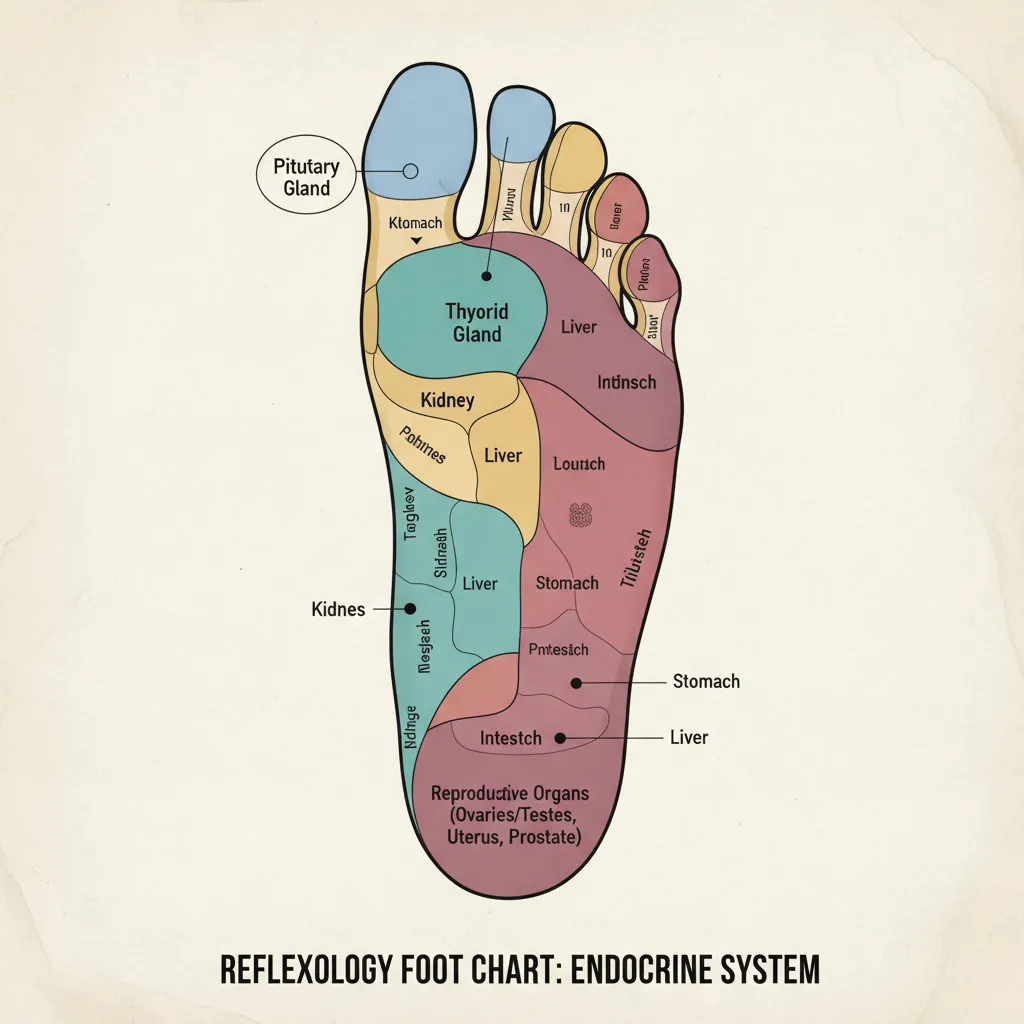
The pituitary gland is often called the “master gland” because it controls the function of most other endocrine glands. In reflexology, this point is located directly in the center of the fleshy pad of the big toe. Pressing this point is believed to help regulate the release of follicle-stimulating hormone (FSH) and luteinizing hormone (LH), which are often elevated during menopause.
The Hypothalamus Point
Located on the outer side of the big toe, just near the pituitary point, lies the reflex for the hypothalamus. Since the hypothalamus controls body temperature, this is arguably the most important point for treating hot flashes. Gentle, circular sedation techniques here can help “reset” the body’s internal thermostat.
The Adrenal Glands
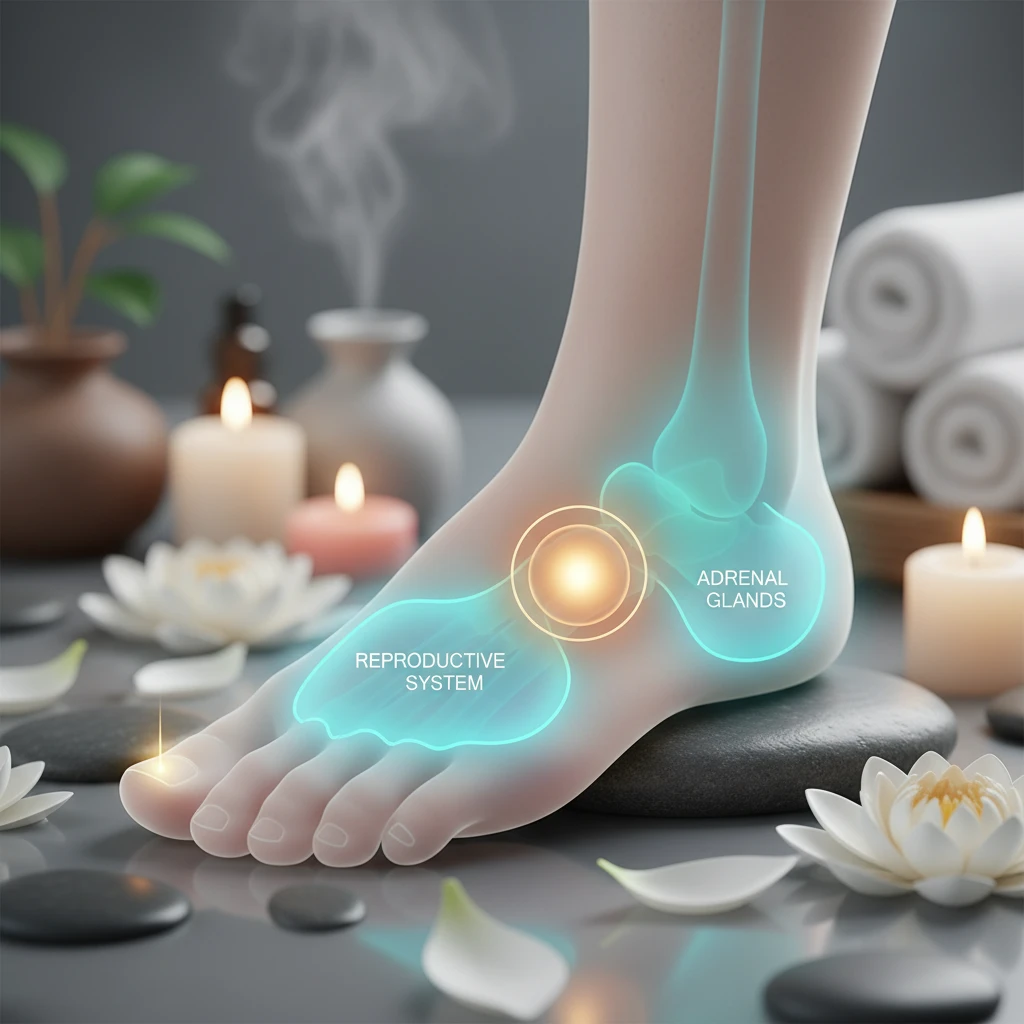
The adrenal glands take over some estrogen production once the ovaries retire. However, they are also responsible for stress hormones. If you are stressed, the adrenals prioritize cortisol over estrogen, worsening menopause symptoms. The adrenal reflex is located near the solar plexus point, roughly in the center of the foot, just below the ball of the foot. Working this area helps reduce systemic stress.
Sleep Support: Combating Night Sweats and Insomnia
Night sweats are simply hot flashes that occur during sleep, often drenching sheets and causing severe insomnia. Lack of sleep exacerbates all other menopausal symptoms, creating a vicious cycle of fatigue and hormonal imbalance.
To support sleep, a reflexology routine should include the Pineal Gland reflex. The pineal gland produces melatonin, the hormone responsible for sleep-wake cycles. This point is typically located on the top outer corner of the big toe. Stimulating this point before bed can promote deeper, more restorative sleep.
Additionally, the Solar Plexus reflex is vital for relaxation. Found in the center of the foot, under the ball, pressing this point while taking deep breaths allows the diaphragm to relax and signals the body that it is safe to sleep. This creates a physiological state conducive to cooling down the body.
Thyroid and Parathyroid Regulation
The thyroid gland regulates metabolism, energy levels, and body temperature. During menopause, thyroid function can sometimes become sluggish (hypothyroidism), leading to weight gain and fatigue, or overactive, contributing to anxiety and heat intolerance.
The reflexology point for the thyroid wraps around the base of the big toe (the neck of the toe). Using a “thumb walking” technique across this area helps stimulate blood flow to the thyroid gland.
Closely related are the parathyroid glands, which regulate calcium levels. Calcium is crucial for bone density—a major concern for post-menopausal women due to the risk of osteoporosis. Working the parathyroid reflex, located on the inner edge of the foot near the base of the big toe, supports calcium absorption and nerve function.
Emotional Balance and Adrenal Support
The emotional rollercoaster of menopause—ranging from anxiety and irritability to depression, and even conditions like Managing Vertigo and Dizziness—is often linked to the fluctuation of hormones and the stress placed on the adrenal glands. In Traditional Chinese Medicine (TCM), which shares some meridians with reflexology, menopause is viewed as a decline in “Kidney Essence.”
To support emotional balance, focusing on the Heart reflex (located on the left foot, on the ball of the foot below the big and second toes) can be soothing. This area is associated with emotional processing, and reflexology can also aid in Releasing Neck and Shoulder Tension, a common physical manifestation of stress. Furthermore, revisiting the adrenal points is essential. By calming the adrenals, you reduce the “fight or flight” response that often triggers sudden bursts of heat and anxiety.
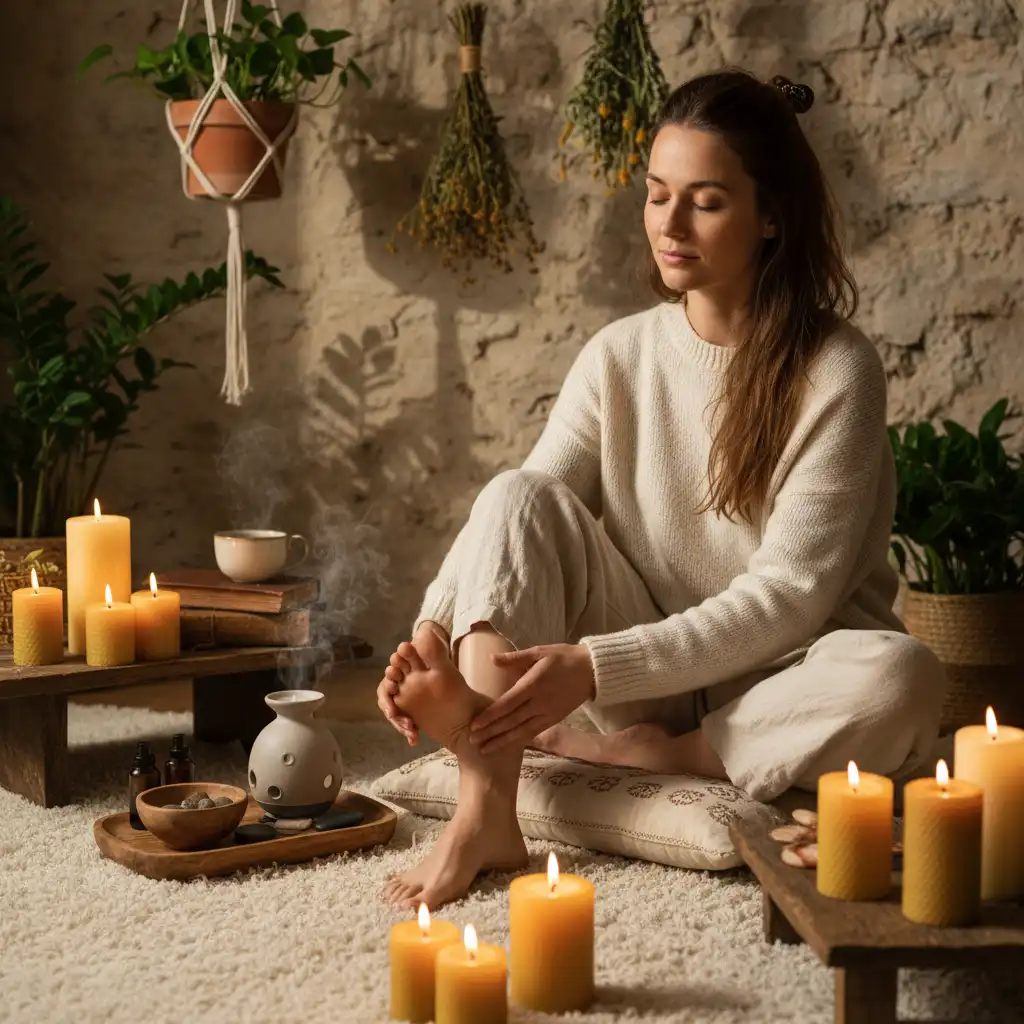
A Step-by-Step Self-Reflexology Routine
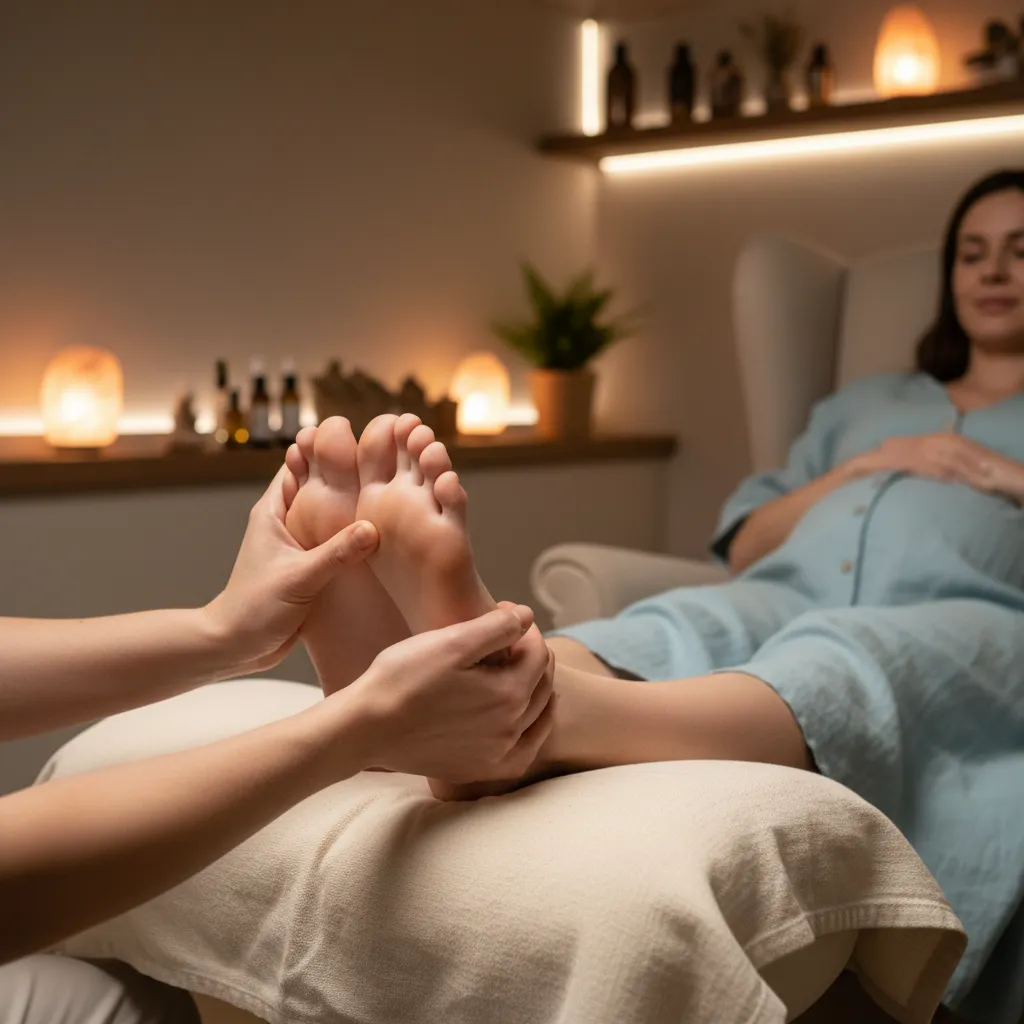
While seeing a certified reflexologist is recommended for deep work, you can perform a simple 15-minute routine at home to manage reflexology for hot flashes. Use a natural oil or lotion to reduce friction.
- Warm-Up: Begin by gently massaging the entire foot with your hands to warm up the tissues. Rotate the ankles and squeeze the foot gently.
- Solar Plexus Breathing: Press your thumb into the center of the foot (solar plexus point). Inhale deeply, hold for a few seconds, and exhale as you release pressure. Repeat 3 times.
- Pituitary and Hypothalamus: Hold your big toe. Use the pad of your thumb to press and rotate firmly in the center of the big toe print (pituitary). Then, move to the side of the toe (hypothalamus) and apply gentle pressure.
- Thyroid Sweep: Use your thumb to “walk” across the base of the big toe (where it joins the foot). Go back and forth horizontally to cover the thyroid and parathyroid reflexes.
- Adrenal Calm: Locate the kidney/adrenal area in the center of the arch. Press and hold for 10 seconds.
- Reproductive Sweep: The reflexes for the uterus and ovaries are located on the sides of the heel (inner ankle for uterus, outer ankle for ovaries). Gently massage these areas in a circular motion.
- Cool Down: Finish by stroking the foot from toes to ankle and repeat the Solar Plexus breathing.
Complementary Holistic Strategies
Reflexology is most effective when combined with a holistic lifestyle approach. To maximize the benefits of your sessions, consider the following:
- Hydration: Reflexology stimulates the elimination of toxins. Drinking water after a session is mandatory to flush these out and keep tissues hydrated.
- Dietary Phytoestrogens: Incorporating foods like flaxseeds, soy, and lentils can mimic estrogen in the body gently.
- Sage Tea: Known for its cooling properties, sage tea is a traditional remedy for night sweats.
- Magnesium: This mineral supports muscle relaxation and sleep.
For more information on managing menopausal symptoms through lifestyle changes, the Mayo Clinic offers extensive medical guidance that pairs well with holistic practices.
Conclusion
Navigating perimenopause and menopause requires patience and a willingness to listen to your body. While hot flashes are a natural part of this biological shift, suffering through them is not a requirement. Reflexology for hot flashes offers a gentle, grounding, and effective way to reclaim control over your body’s thermostat. By dedicating time to care for your feet, you are signaling to your endocrine system that it is safe to relax, rebalance, and cool down.
People Also Ask
Can reflexology stop hot flashes?
While reflexology may not permanently “stop” hot flashes instantly, it is highly effective at reducing their frequency, duration, and intensity by regulating the hormonal system and reducing the stress that triggers them.
Where is the pressure point for hot flashes?
The primary pressure points for hot flashes are the pituitary gland point (center of the big toe), the hypothalamus point (side of the big toe), and the thyroid point (base of the big toe).
How often should you do reflexology for menopause?
For best results, professional sessions are recommended once a week for 4-6 weeks to establish a baseline. Self-reflexology can be performed daily or every other day for 10-15 minutes.
Does foot massage help with menopause?
Yes, foot massage helps lower cortisol levels and promotes relaxation. When specific reflexology techniques are applied during the massage, it can also help balance hormones and improve sleep quality.
What are the side effects of reflexology?
Reflexology is generally safe. Mild side effects may include increased urination (detoxification), fatigue, or emotional release immediately following a session. These are typically signs that the body is healing.
Can reflexology help with hormonal imbalance?
Yes, reflexology is designed to bring the body into homeostasis. By stimulating the endocrine reflexes (pituitary, thyroid, adrenals, ovaries), it encourages the body to self-regulate hormone production.