Reflexology for stress and anxiety is a targeted holistic therapy that utilizes specific pressure points on the feet, hands, and ears to influence the nervous system. By stimulating these reflexes, practitioners aim to shift the body from a fight-or-flight response into a restorative state, effectively lowering cortisol levels and promoting systemic relaxation.
In the modern era, chronic stress has become a pervasive silent epidemic, affecting nearly every system in the human body. While conventional medicine often treats symptoms with pharmaceuticals, an increasing number of individuals are turning to holistic modalities to address the root cause of their unease. Among these therapies, reflexology stands out not merely as a foot massage, but as a sophisticated practice rooted in the premise that the extremities mirror the body’s internal organs and glands.
The Physiology of Stress and the Feet
To understand why reflexology is effective, one must first understand the physiology of stress. When the brain perceives a threat—whether it is a physical danger or a looming deadline—the hypothalamus signals the adrenal glands to release a surge of hormones, primarily adrenaline and cortisol. This is the body’s survival mechanism, preparing the muscles for exertion and sharpening the senses.
However, when stress becomes chronic, this chemical bath never drains. High levels of cortisol can lead to inflammation, digestive issues, and cardiovascular strain. Interestingly, the feet often bear the physical brunt of this tension. In the context of reflexology and Traditional Chinese Medicine (TCM), stress is viewed as a blockage of Qi (energy flow). Physically, this manifests in the feet as tightness in the plantar fascia, tenderness in the solar plexus reflex point, and even changes in the skin texture or temperature of the toes.
The feet are complex anatomical structures containing 26 bones, 33 joints, and more than 100 muscles, tendons, and ligaments. More importantly, they are densely packed with nerve endings—over 7,000 per foot. These nerve endings are the communication highways to the central nervous system. When we experience anxiety, we often unconsciously curl our toes or change our gait, locking tension into the foundation of our body. Reflexology acts as a somatic key, unlocking this physical tension to send a signal of safety back to the brain.
Switching from Sympathetic to Parasympathetic State
The core mechanism of action for reflexology for stress and anxiety lies in its ability to regulate the Autonomic Nervous System (ANS). The ANS has two primary branches:
- The Sympathetic Nervous System (SNS): Often called the “gas pedal,” this system triggers the fight-or-flight response.
- The Parasympathetic Nervous System (PNS): Known as the “brake,” or the rest-and-digest state.
Anxiety disorders essentially keep the foot on the gas pedal. The heart races, digestion halts, and breathing becomes shallow. Reflexology facilitates a physiological switch from the SNS to the PNS. Research suggests that the rhythmic, specific pressure applied during a reflexology session stimulates the vagus nerve. The vagus nerve is the longest cranial nerve in the body and is the primary controller of the parasympathetic nervous system.
When a reflexologist works the spinal reflex (located along the medial edge of the foot) and the diaphragm point, they are physically encouraging the body to slow down. As the PNS is activated, heart rate variability improves, blood pressure lowers, and the body prioritizes cellular repair and digestion. This is why many clients hear their stomach gurgling during a session—it is a distinct audible sign that the body has exited “survival mode” and entered “maintenance mode.”
According to the National Center for Complementary and Integrative Health, reflexology may help aid relaxation and reduce pain, which are critical components in managing long-term anxiety disorders.
Key Reflexology Points for Anxiety Relief
While a full session covers the entire foot, a focused treatment for mental wellness targets specific reflexes known to govern stress responses. Whether you are seeing a professional or performing self-care, these are the critical areas:
The Solar Plexus Point
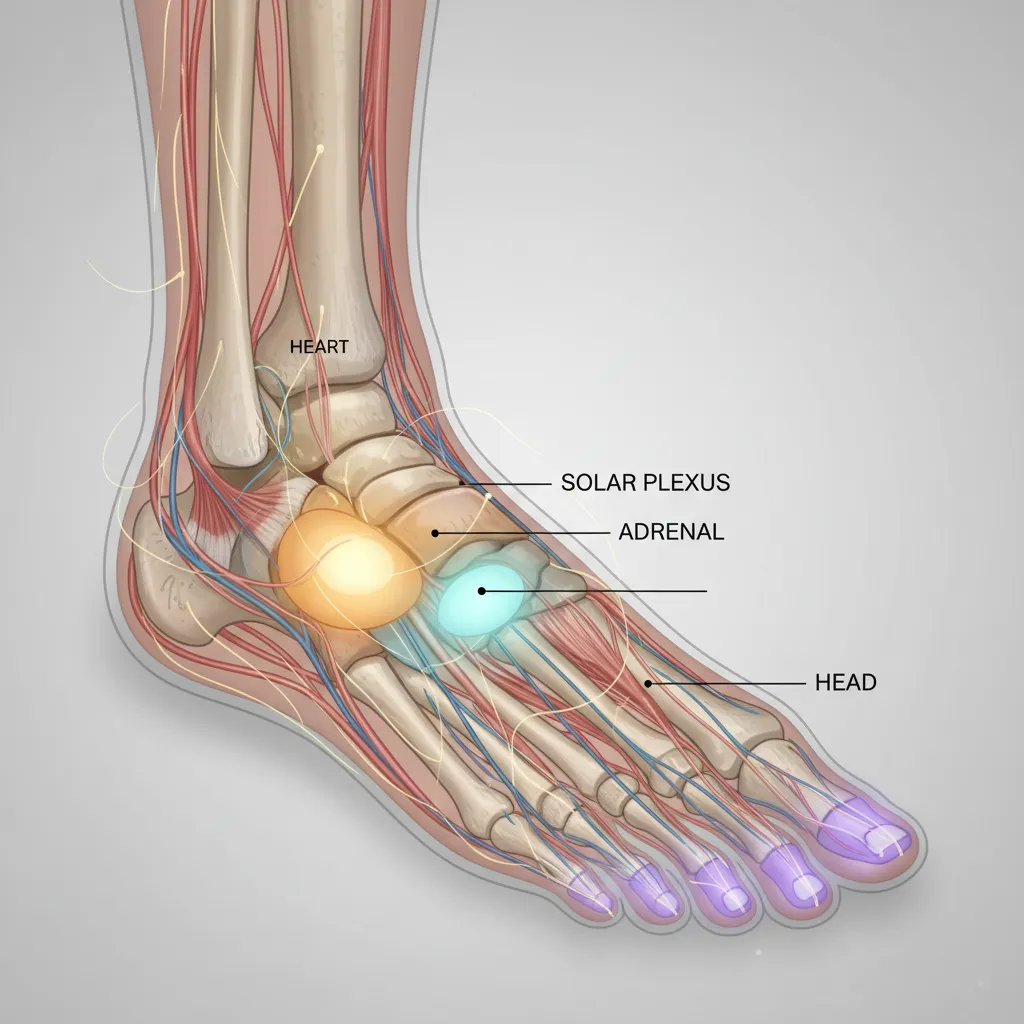
Often referred to as the “abdominal brain,” the solar plexus is a complex network of nerves located in the abdomen. On the foot, this point is found in the center of the ball of the foot, just below the second and third toes. Pressing this point is vital for deep relaxation. It is often the first and last point worked in a session to ground the client and regulate breathing.
The Adrenal Reflexes
Located slightly below the solar plexus point, near the inner arch, the adrenal reflexes are crucial for those suffering from burnout. Since the adrenals are responsible for pumping out cortisol, sedating this reflex point can theoretically help signal the body to reduce hormone production, aiding in the recovery from adrenal fatigue.
The Head and Brain Reflexes
Located on the pads of the toes (primarily the big toe), these points correspond to the brain and pituitary gland. Working these areas is essential for “racing thoughts” and cognitive anxiety. Stimulation here helps clear mental fog and regulates the master gland of the endocrine system.
Reflexology for Sleep Disorders and Insomnia
Anxiety and sleep disorders are inextricably linked; anxiety causes insomnia, and sleep deprivation fuels further anxiety. Reflexology addresses this cycle by targeting the endocrine system to regulate sleep-wake cycles.
The focal point for sleep issues is the Pineal Gland reflex. The pineal gland is responsible for producing melatonin, the hormone that tells the body it is time to sleep. This reflex point is typically located on the lateral side of the big toe. By stimulating this specific point, reflexologists aim to encourage the natural production of melatonin.
Furthermore, reflexology improves blood circulation and lowers body temperature, mimicking the natural physiological drop in temperature that occurs before sleep onset. Clinical observations often show that clients who undergo reflexology for sleep disorders report not only falling asleep faster but achieving deeper, more restorative REM sleep. This suggests that the therapy does not just induce drowsiness, but actively improves sleep architecture.
Emotional Release Through Bodywork
One of the most profound, yet often unexpected, aspects of reflexology is the phenomenon of emotional release. Bodywork therapies operate on the understanding that the body keeps the score; trauma and repressed emotions are not just psychological concepts but are stored somatically in the tissues.
The feet, being our connection to the earth, are associated with grounding and stability. When an individual is suffering from high anxiety, they often feel “ungrounded.” During a reflexology session, as physical tension is released from the fascia and muscles, emotional barriers can also crumble. It is not uncommon for clients to experience sudden laughter, tears, or a surge of fatigue during or after a treatment.
This release is a positive sign of healing. By working the diaphragm reflex, the practitioner helps release held breath—a common symptom of anxiety. As the client breathes more deeply, oxygenation increases, and the emotional “armor” begins to soften. This allows for the processing of feelings that the sympathetic nervous system had previously suppressed for the sake of survival.
What to Expect in a Professional Session
For those considering reflexology for stress and anxiety as a commercial service, understanding the process can alleviate the anxiety of trying something new. A professional session is distinct from a pedicure or a standard foot massage.
The Intake
A qualified reflexologist will begin with a health history consultation. They will ask about your stress levels, sleep patterns, digestion, and any specific diagnoses. This allows them to map a treatment plan tailored to your endocrine and nervous system needs.
The Treatment
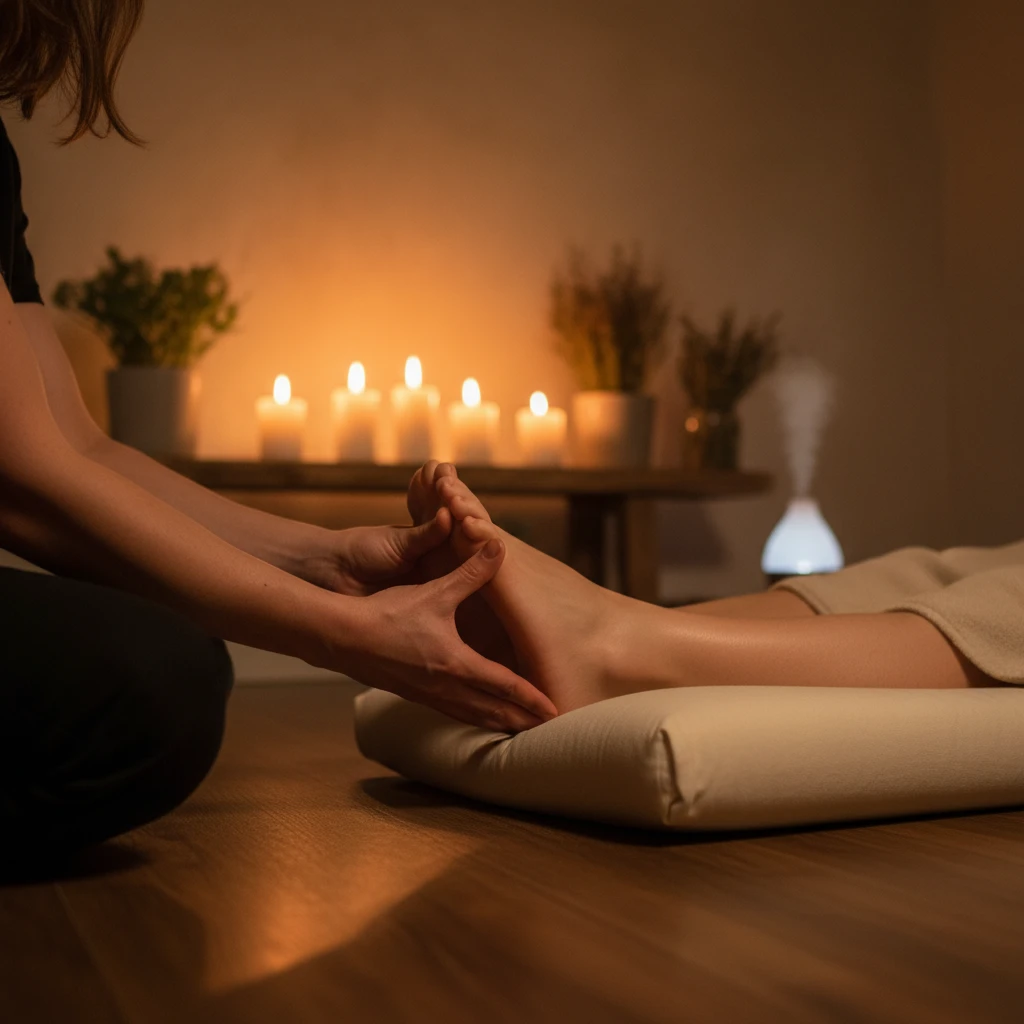
You will remain fully clothed, removing only your socks and shoes, and recline in a specialized chair or massage table. The therapist will likely start with relaxation techniques to warm up the feet before moving into specific thumb-walking and finger-walking movements. Unlike a massage that uses broad strokes, reflexology uses precise, caterpillar-like movements to stimulate specific points.
Sensations
While generally relaxing, reflexology is not always “feathery.” Areas of congestion (calcium deposits or tension) may feel tender or “crunchy” (like crystals under the skin). This sensitivity usually correlates to the body parts that are out of balance. For example, a tender stomach reflex often appears in clients with nervous stomachs.
For further reading on the integration of such therapies into standard medical care, the Mayo Clinic offers excellent resources on what patients can anticipate regarding integrative medicine.
Frequently Asked Questions
How often should I get reflexology for anxiety?
For chronic anxiety, practitioners often recommend an initial series of weekly sessions for 4 to 6 weeks to establish a baseline of relaxation. Once stress levels are managed, maintenance sessions once a month are typically sufficient to sustain the benefits.
Can reflexology cure panic attacks?
Reflexology is not a cure for panic disorder, but it is an effective complementary therapy. By training the body to switch into the parasympathetic state, it can reduce the frequency and intensity of panic attacks and provide a tool for grounding during high-stress periods.
Where is the pressure point for stress on the hand?
The “Union Valley” (LI4) point is a major stress-relief point on the hand. It is located in the fleshy webbing between the thumb and index finger. Applying firm pressure here can help relieve tension headaches and general anxiety.
Is reflexology safe if I am taking anti-anxiety medication?
Yes, reflexology is generally safe to combine with medication. It is a non-invasive therapy. However, because reflexology can increase detoxification and relaxation, you should inform your doctor and your reflexologist, as medication dosages might eventually need monitoring as your natural coping mechanisms improve.
Why do I feel emotional after reflexology?
Feeling emotional is a common “healing crisis” response. As physical tension is released from the body, stored emotional stress is often released simultaneously. This is considered a positive sign that the body is processing and letting go of trauma.
Can I do reflexology on myself for stress?
Absolutely. While a professional can provide a deeper treatment, self-reflexology is highly effective for maintenance. Simply massaging the solar plexus point (center of the foot) and squeezing the toes can help lower stress levels daily.