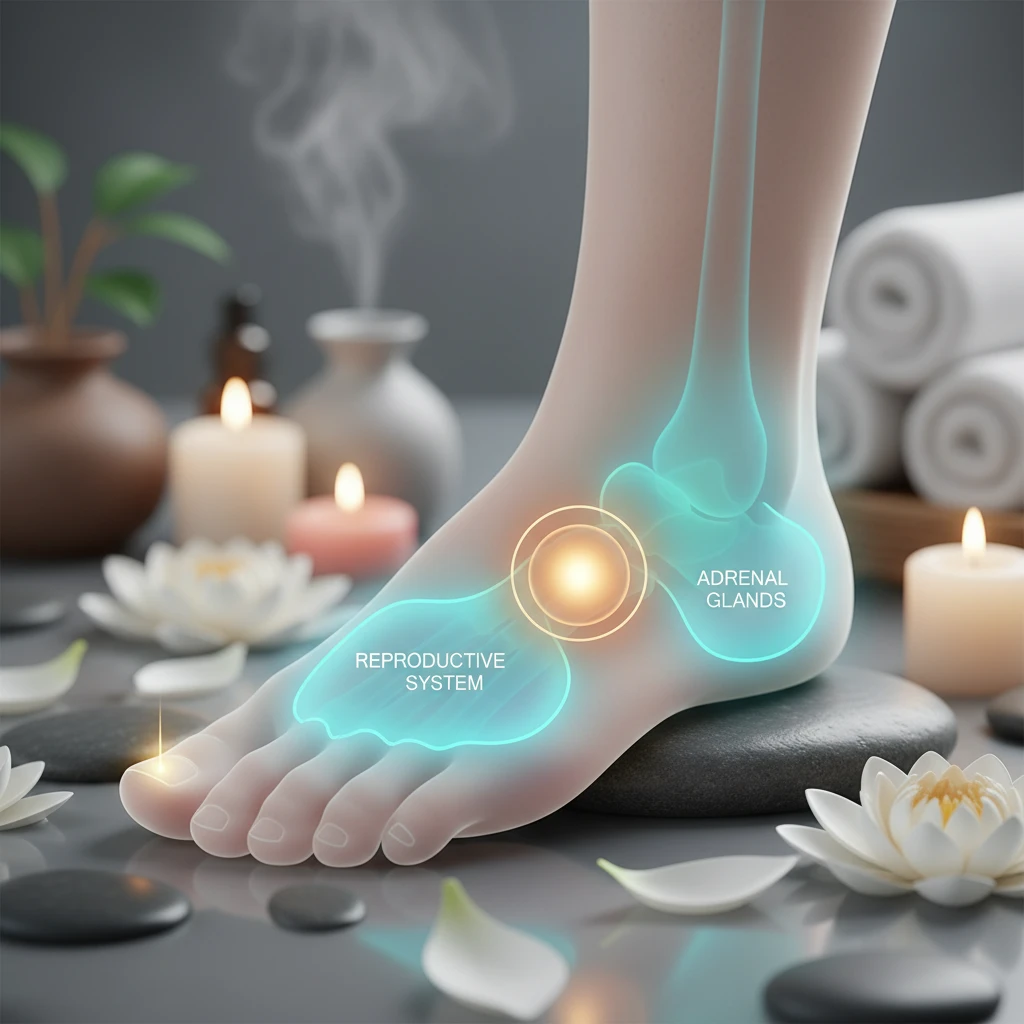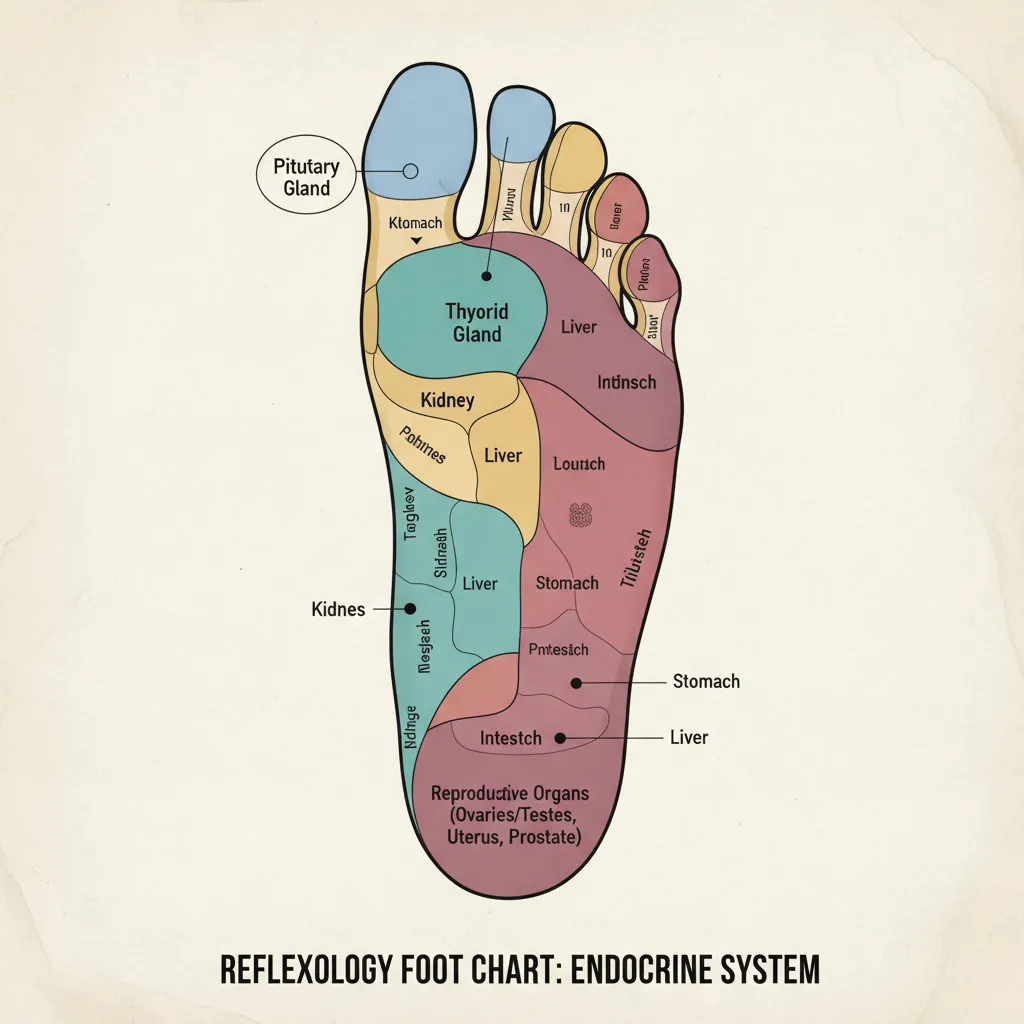
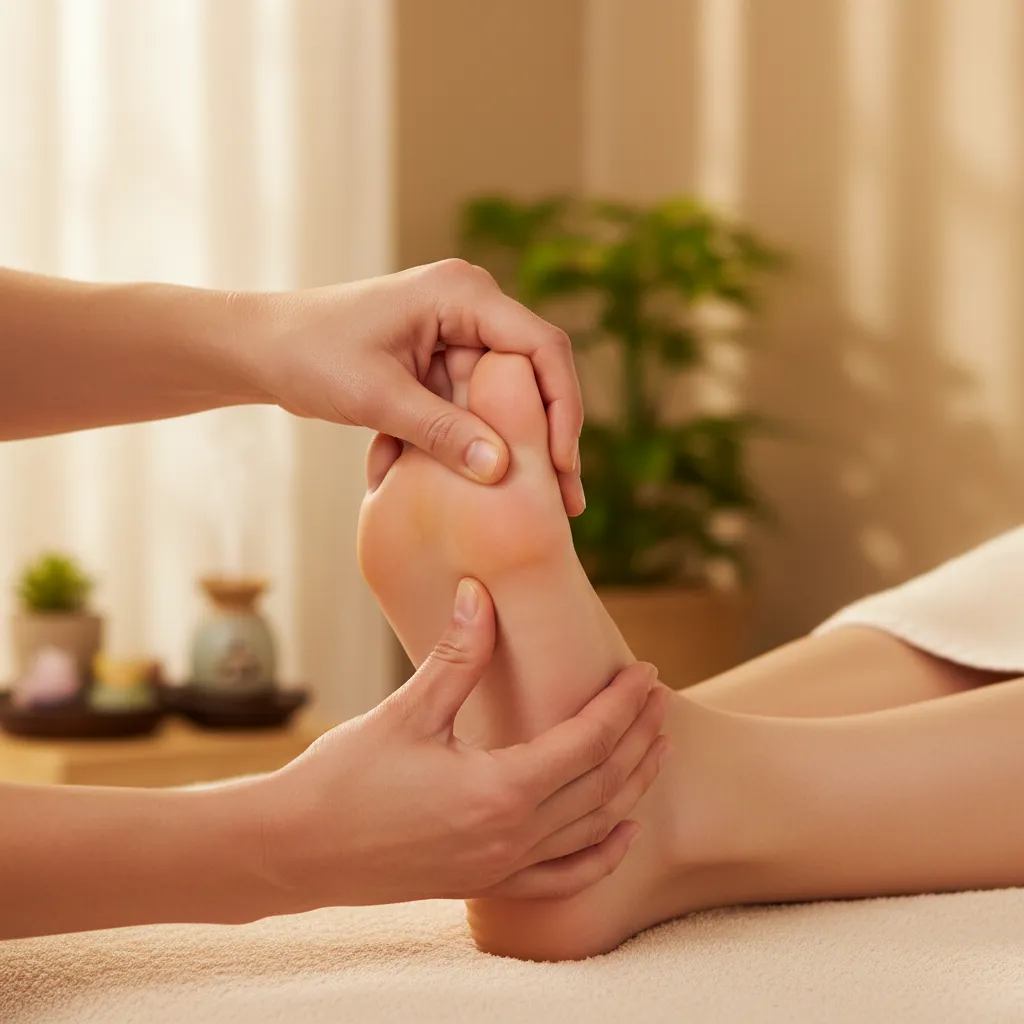
Reflexology for PCOS is a holistic therapeutic practice involving the application of targeted pressure to specific points on the feet and hands that correspond to the reproductive and endocrine organs. By stimulating these reflexes, particularly those linked to the ovaries, pituitary gland, and adrenals, practitioners aim to regulate hormonal imbalances, improve pelvic circulation, and alleviate symptoms such as irregular cycles and insulin resistance.
Introduction
Polycystic Ovary Syndrome (PCOS) is one of the most common endocrine disorders affecting women of reproductive age, characterized by a complex interplay of hormonal imbalances, insulin resistance, and irregular ovulation. While modern medicine offers pharmaceutical interventions, many individuals seek to manage their symptoms through holistic and natural means. This is where reflexology for PCOS emerges as a powerful, non-invasive complementary therapy.
Reflexology is not merely a foot massage; it is a science based on the principle that there are reflex areas on the feet and hands which correspond to all of the glands, organs, and parts of the body. By stimulating these reflexes, reflexology can reduce tension, improve blood supply, and help the body normalize functions. For women with PCOS, this means targeting the endocrine system to restore balance to the Hypothalamic-Pituitary-Ovarian (HPO) axis.
In this comprehensive guide, we will explore how specific reflexology techniques can address the root causes of PCOS. From managing insulin levels to reducing androgen production, we will provide an authoritative look at how this ancient practice can support your journey toward hormonal health.
Understanding the Connection: Reflexology and the Endocrine System
To understand how reflexology helps with PCOS, one must first understand the role of the endocrine system. PCOS is fundamentally a disorder of endocrine function. The body’s hormones are chemical messengers that must work in perfect symphony. When one instrument is out of tune—such as high insulin or elevated testosterone—the entire orchestra falls into disarray.
Reflexology operates on the premise of zone therapy. The feet are viewed as a microcosm of the entire body. When a reflexologist applies pressure to the area of the foot corresponding to the endocrine glands, it is believed to clear energetic blockages and stimulate the body’s self-healing mechanisms. This is particularly vital for the feedback loops involved in the menstrual cycle.
Research suggests that reflexology can aid in reducing cortisol levels. Since stress exacerbates PCOS symptoms by triggering the adrenal glands to produce more androgens, the relaxation response induced by reflexology is, in itself, a therapeutic intervention. By shifting the body from a sympathetic (fight or flight) state to a parasympathetic (rest and digest) state, the body can prioritize reproductive health and hormonal regulation.
Targeting the Pituitary and Ovary Reflexes
The cornerstone of reflexology for PCOS lies in the relationship between the brain and the reproductive organs. The two most critical reflex points to master are the pituitary gland and the ovaries.
The Pituitary Reflex: The Master Conductor
The pituitary gland, located at the base of the brain, is often called the “master gland.” It releases Luteinizing Hormone (LH) and Follicle-Stimulating Hormone (FSH), which tell the ovaries when to release an egg. In women with PCOS, the ratio of LH to FSH is often skewed, leading to anovulation (lack of ovulation).
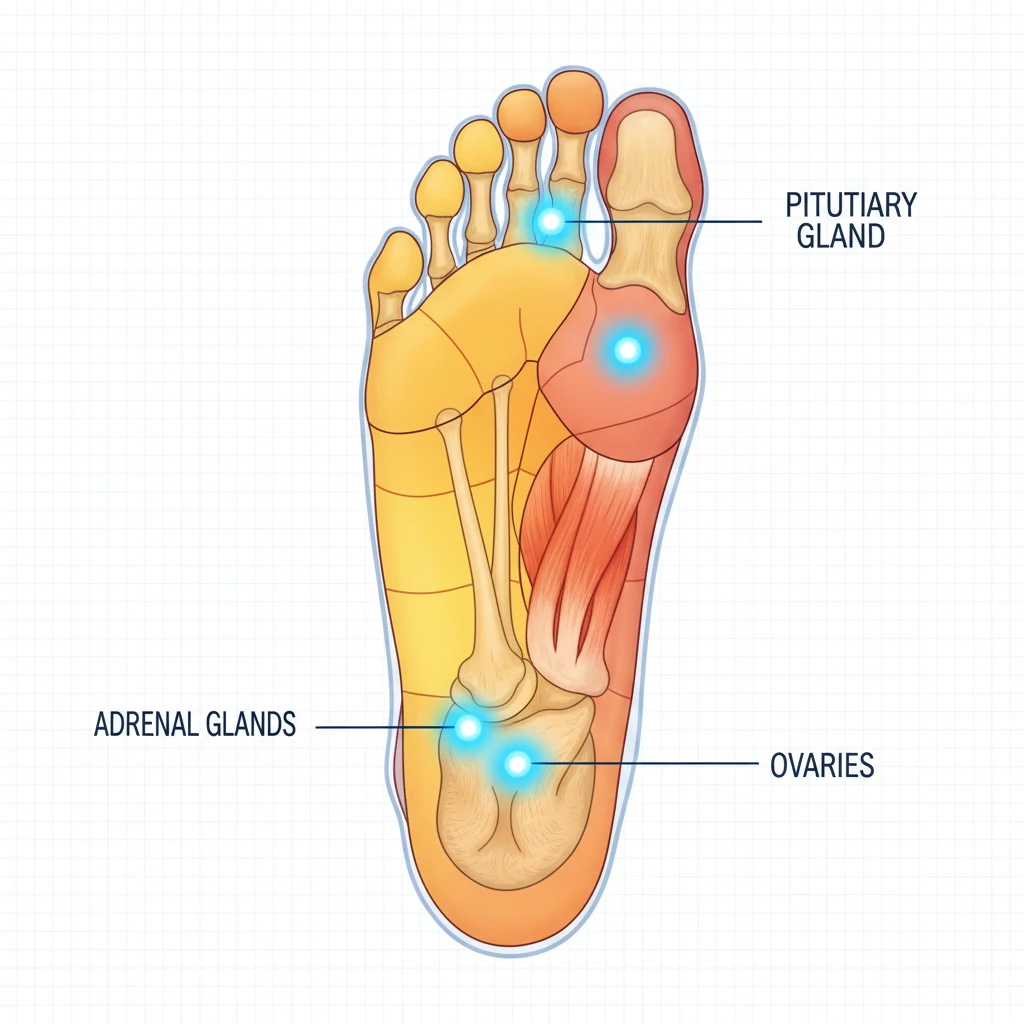
In reflexology, the pituitary point is located in the center of the fleshy part of the big toe. Stimulating this point is believed to help regulate the secretion of LH and FSH. A reflexologist will typically use a “thumb walking” technique or deep rotational pressure on this specific point to encourage the pituitary gland to function optimally. The goal is to smooth out the signaling process so that the ovaries receive the correct instructions.
The Ovary Reflexes: Direct Stimulation
The reflex points for the ovaries are located on the sides of the heels. Imagine a line drawn from the ankle bone down to the floor; the ovary reflex is typically found in a small depression midway between the ankle bone and the back of the heel. The outside of the foot generally corresponds to the ovary on that side of the body.
Work on these areas is often focused on breaking down “crystals” or deposits that reflexologists believe accumulate in reflex points corresponding to congested organs. For PCOS patients, this area may feel tender or “crunchy” under the thumb. Gentle but firm circular massage here aims to increase blood flow to the ovaries, potentially aiding in the reduction of cysts and promoting the maturation of healthy follicles.
Managing Insulin Resistance Through Foot Mapping
Insulin resistance is a major driver of PCOS, affecting up to 70% of women with the condition. When the body’s cells do not respond properly to insulin, the pancreas pumps out more insulin to compensate. High insulin levels trigger the ovaries to produce more testosterone, worsening symptoms like acne, hirsutism, and weight gain.
To address this via reflexology, practitioners focus on two key organs: the Pancreas and the Liver.
The Pancreas Reflex
The pancreas reflex is located on the inner edge of the foot, in the soft arch area (instep). Since the pancreas is responsible for insulin production, stimulating this reflex is intended to support metabolic balance. The technique involves pressing deep into the arch to stimulate the organ’s efficiency. By helping to regulate insulin secretion, reflexology acts as a supportive therapy alongside dietary changes to lower the glycemic load on the body.
The Liver Reflex
The liver is the body’s primary detoxification organ. It is responsible for metabolizing excess hormones, including estrogen and insulin. If the liver is sluggish or overwhelmed (often indicated by Non-Alcoholic Fatty Liver Disease, which is common in PCOS), hormones recirculate in the bloodstream instead of being excreted.
The liver reflex is located primarily on the right foot, in the area below the ball of the foot and above the arch. Working this area helps to “decongest” the liver, thereby aiding the body in clearing out excess insulin and old hormones. According to the National Institutes of Health (NIH), complementary therapies that reduce stress and improve circulation can have a positive impact on metabolic parameters, reinforcing the value of liver-focused reflexology.
Reducing Androgen Levels and Adrenal Stress
Hyperandrogenism (excess male hormones) is responsible for many of the physical symptoms of PCOS, such as facial hair growth and hair loss. While the ovaries produce some of these androgens, the adrenal glands are also significant contributors. Adrenal androgens are often driven by stress.
The Adrenal Reflex
The adrenal glands sit on top of the kidneys. In reflexology, the adrenal reflex point is critical for stress management. It is located slightly above the center of the foot, near the kidney reflex. It is often one of the most sensitive points on the foot for modern, high-stress individuals.
When a reflexologist works the adrenal point, the intent is to calm the production of cortisol and adrenaline. Lowering chronic stress levels reduces the burden on the adrenal glands, which in turn can lower the production of adrenal androgens (DHEA-S). This creates a physiological environment where PCOS symptoms are less likely to flare up.
Restoring Regular Ovulation and Lymphatic Health
Restoring a regular ovulatory cycle is often the primary goal for women with PCOS, especially those trying to conceive. Beyond the pituitary and ovary points discussed earlier, the fallopian tube reflexes and the lymphatic system play vital roles.
Fallopian Tube Reflexes
The reflex area for the fallopian tubes runs across the top of the foot (the dorsal aspect), connecting the ovary area to the uterus area (located on the inside of the ankle). A technique called “lymphatic drainage” is often applied here. This involves a gentle, sweeping motion across the top of the foot and around the ankles.
Lymphatic Drainage for Inflammation
PCOS is considered a state of chronic, low-grade inflammation. The lymphatic system is the body’s waste disposal unit. If the lymph is stagnant, inflammation persists, which can damage egg quality and impede ovulation. By stimulating the lymphatic reflexes (located in the grooves between the toes and around the ankles), reflexology helps reduce pelvic congestion and systemic inflammation, creating a clearer path for ovulation to occur.
A Step-by-Step DIY Reflexology Routine
While seeing a certified reflexologist is recommended for a targeted treatment plan, self-reflexology can be a beneficial daily practice to maintain hormonal balance. Here is a simple 15-minute routine you can perform at home.
- Warm Up: Sit comfortably and massage your entire foot with lotion or oil to warm up the tissues. Rotate your ankles to improve blood flow.
- Solar Plexus Breathing: Press your thumb into the center of the ball of your foot (the solar plexus point). Take a deep breath in as you press, and exhale as you release. Repeat 3 times to induce relaxation.
- Pituitary Press: Locate the center of your big toe pad. Press firmly with your thumb and hold for 10 seconds. Release and repeat 3 times.
- Reproductive Sweep: Locate the hollows on the sides of your heels (ovary and uterus points). Use your thumb and index finger to massage these areas in a circular motion for 1-2 minutes on each foot.
- Adrenal Calm: Find the adrenal point (just below the ball of the foot, centrally). Press in and hold for 15 seconds to lower stress.
- Lymphatic Flush: Gently stroke the top of your foot from the toes up toward the ankle to encourage lymphatic drainage.
Consistency is key. Performing this routine 3-4 times a week can help maintain the benefits between professional sessions.
Complementary Holistic Strategies
Reflexology for PCOS is most effective when integrated into a broader holistic lifestyle approach. It is not a standalone cure but a powerful catalyst for healing.
- Dietary Changes: Adopting a low-glycemic index (GI) diet helps support the work done on the pancreas reflex. Focus on whole foods, fiber, and healthy fats.
- Supplements: Inositol (specifically the 40:1 ratio of Myo-Inositol to D-Chiro-Inositol) has shown significant promise in improving insulin sensitivity and ovulation.
- Magnesium: Often depleted by stress, magnesium supports the adrenal work done in reflexology and aids in sleep and muscle relaxation.
By combining reflexology with these lifestyle modifications, you address PCOS from multiple angles: mechanical stimulation, chemical regulation, and emotional well-being.
Frequently Asked Questions
Can reflexology cure PCOS?
Reflexology cannot “cure” PCOS, as it is a chronic genetic and endocrine condition. However, it is highly effective at managing symptoms, regulating menstrual cycles, reducing stress, and improving insulin sensitivity, making it a valuable complementary therapy.
Which foot corresponds to the ovaries in reflexology?
In reflexology, the left foot corresponds to the left side of the body and the right foot to the right side. Therefore, the reflex point for the left ovary is on the outside of the left heel, and the right ovary point is on the outside of the right heel.
How often should I do reflexology for PCOS?
For best results, a professional session once a week is recommended, especially when beginning treatment. Between sessions, you can perform a 10-15 minute self-reflexology routine 3-4 times a week to maintain hormonal balance.
Does reflexology for PCOS hurt?
Reflexology is generally relaxing, but points corresponding to congested or imbalanced organs may feel tender, sensitive, or “crunchy” (due to crystal deposits). This tenderness usually decreases as the imbalance is corrected over multiple sessions.
Can reflexology help with PCOS fertility?
Yes, reflexology can support fertility by regulating the menstrual cycle, inducing ovulation, reducing stress hormones that interfere with conception, and increasing blood circulation to the uterus and ovaries.
Is it safe to do reflexology while taking PCOS medication?
Yes, reflexology is a non-invasive natural therapy that is safe to use alongside medications like Metformin or birth control. However, always consult your healthcare provider before starting any new treatment regimen.