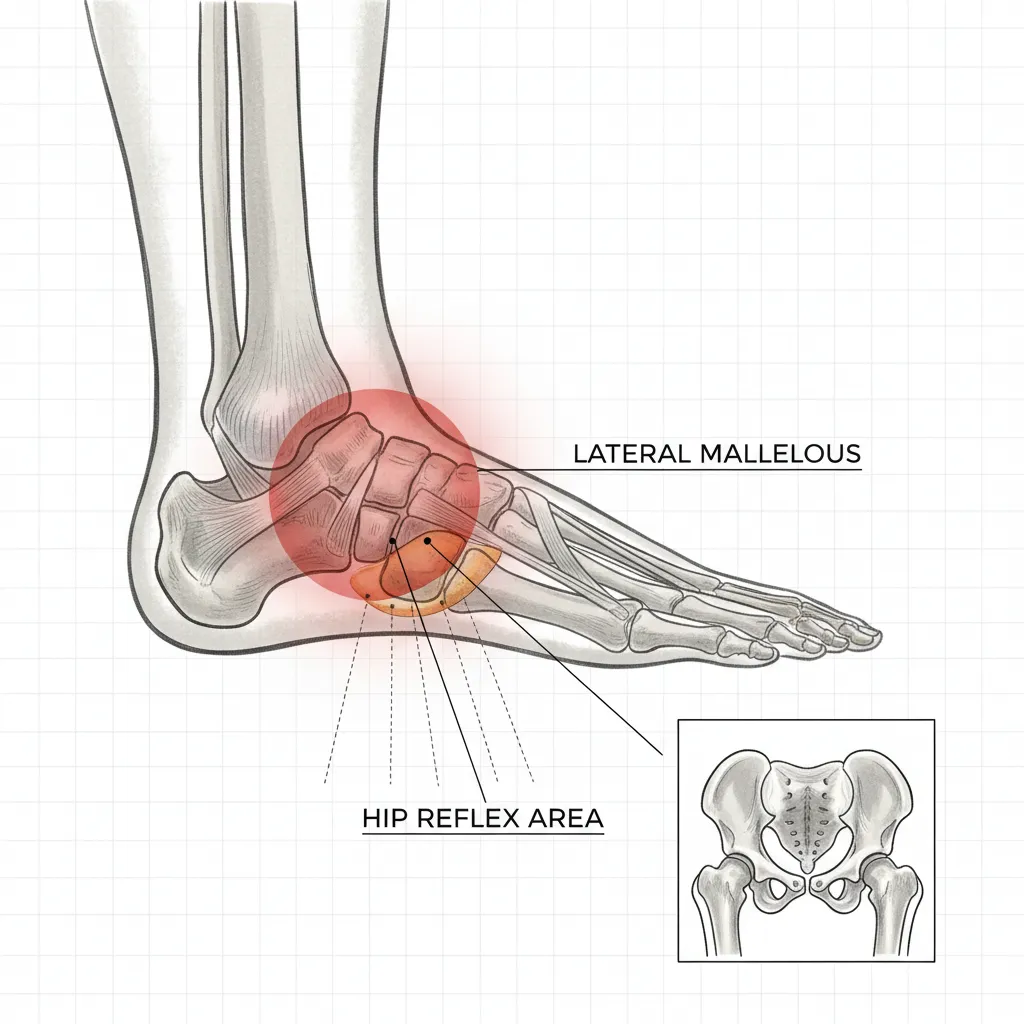
Reflexology for arthritis in feet is a therapeutic practice involving targeted pressure on specific foot zones that correspond to joints and organs affected by inflammation. By stimulating these reflex points, practitioners aim to improve blood circulation, reduce pain perception, and activate the parasympathetic nervous system to support the body’s natural management of osteoarthritis and rheumatoid arthritis symptoms.
Understanding the Connection: Reflexology and Arthritis
Arthritis is not a single disease but a complex informal way of referring to joint pain or joint disease. With over 100 different types of arthritis, the common thread is inflammation, stiffness, and pain that can severely limit mobility. While modern medicine offers pharmaceutical interventions, many sufferers seek holistic approaches to manage chronic pain without the side effects of long-term medication use. This is where reflexology for arthritis in feet becomes a pivotal component of a comprehensive wellness strategy.
Reflexology is far more than a simple foot massage. It is a precise holistic discipline based on the principle that there are reflexes in the feet (and hands) that correspond to every part, gland, and organ of the body. For individuals suffering from arthritis, the feet serve as a map to the rest of the body’s skeletal and muscular systems. By manipulating these specific areas, a reflexologist can help clear blockages in the corresponding energy pathways, technically known as “zones.”
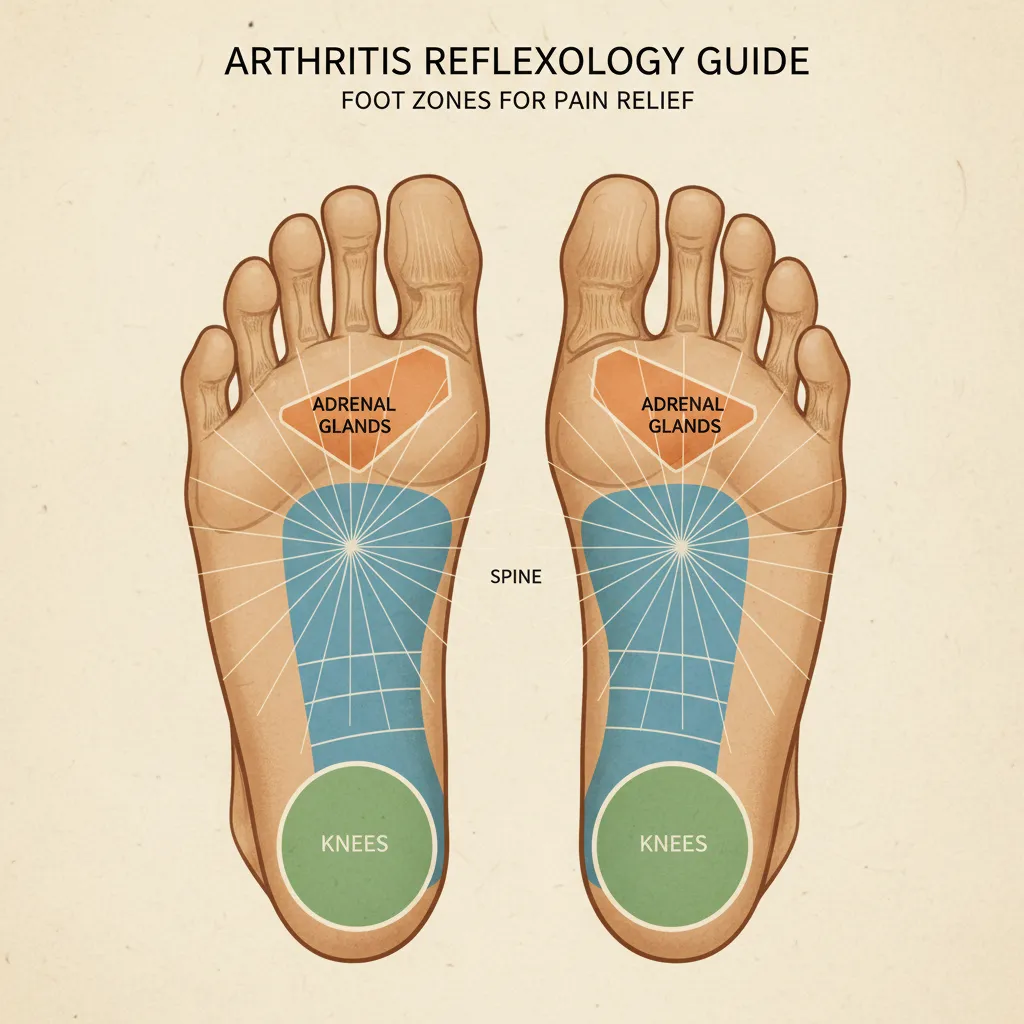
The goal is not to “cure” the structural damage caused by conditions like osteoarthritis, but to alleviate the surrounding symptoms—specifically inflammation and pain signaling—thereby improving the quality of life. The practice aligns with the body’s natural desire for homeostasis, encouraging the release of endorphins and improving lymphatic flow to reduce edema (swelling) often associated with arthritic flare-ups.
The Science of Zonal Therapy for Inflammation
To understand the efficacy of reflexology for arthritis in feet, one must look at the nervous system. The feet are densely packed with nerve endings—over 7,000 in each foot. When pressure is applied to these endings, a stimulus is sent through the central nervous system to the brain, which then relays a signal to the corresponding body part. This is often referred to as the “reflex arc.”
Research suggests that this stimulation can interrupt pain pathways. According to the Mayo Clinic, reflexology may aid in relaxation and pain reduction, which are critical for arthritis management. When the body is in a state of stress, pain thresholds lower, and inflammation often spikes. By shifting the body from a sympathetic (fight or flight) state to a parasympathetic (rest and digest) state, reflexology creates an internal environment where healing and pain modulation can occur.
Furthermore, increased circulation is a primary benefit. Arthritis often compromises blood flow to the extremities and affected joints. Enhanced circulation ensures that oxygen and nutrients reach these tissues more efficiently while metabolic wastes—which can contribute to inflammation—are flushed out more effectively.
Stimulating the Adrenal Glands for Natural Cortisol
One of the most powerful techniques in reflexology for arthritis in feet involves the endocrine system, specifically the adrenal glands. The adrenal glands are responsible for producing cortisol, the body’s most potent natural anti-inflammatory hormone. In many chronic arthritis sufferers, the adrenal glands may be fatigued or underactive due to the constant stress of pain.
Locating the Adrenal Reflex
The adrenal reflex point is located on the sole of the foot. To find it, imagine a vertical line coming down from the second toe and a horizontal line crossing the foot just under the ball of the foot. The adrenal point is found in the deep V-shape where the metatarsal bones meet, typically appearing just above the kidney reflex area.
Technique for Stimulation
To stimulate this area effectively:
- Thumb Walking: Use the edge of your thumb to press deeply into this specific point. The movement should be a caterpillar-like motion, pressing in and inching forward.
- Rotational Pressure: Apply firm, pivoting pressure on the point for 10 to 15 seconds.
- Frequency: This should be done on both feet, as the body has two adrenal glands. Stimulating this point is believed to encourage the glands to regulate cortisol production, thereby assisting in the systemic reduction of inflammation found in rheumatoid arthritis.
Lymphatic Drainage for Swollen Joints
Swelling, or edema, is a hallmark of inflammatory arthritis. When joints swell, they compress nerves and limit range of motion, creating a cycle of pain and immobility. The lymphatic system is the body’s waste disposal unit, but unlike the circulatory system, it does not have a pump (heart) to move fluid; it relies on muscle movement and manual stimulation.
Reflexology aids in lymphatic drainage by targeting the lymphatic reflexes located primarily on the dorsal (top) aspect of the foot and around the ankle bones.
The Groin and Lymph Nodes Reflexes
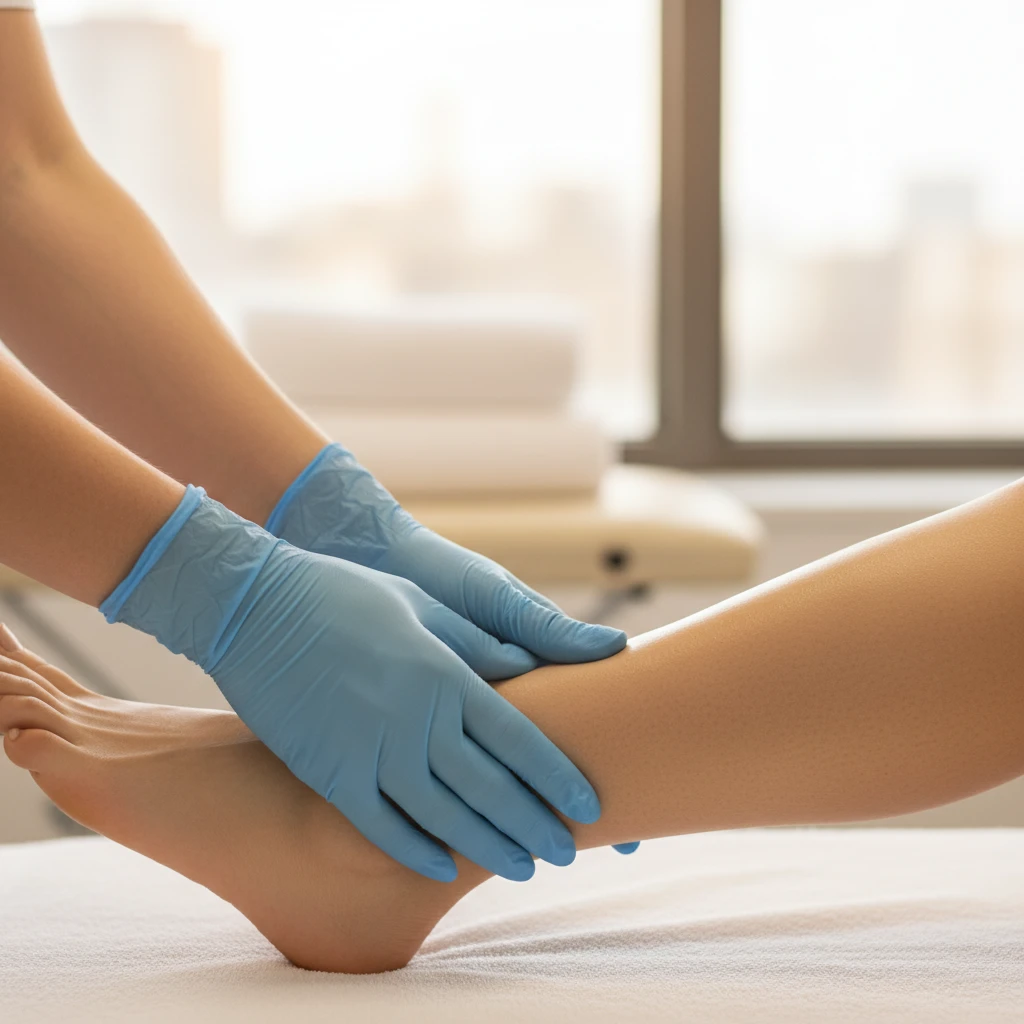
The reflex points for the groin and fallopian tubes (which also correspond to lower lymphatic pathways) are located across the top of the foot, running from the ankle toward the toes. The main lymphatic drainage points are found in the depressions just in front of the ankle bones.
Technique for Fluid Reduction
To perform lymphatic drainage via reflexology:
- Gentle Stroking: Unlike the deep pressure used for the adrenal glands, lymphatic work requires a lighter, rhythmic touch.
- Ankle Rotation: Gently rotate the foot to open up the ankle joint before working the reflexes.
- Thumb Gliding: Glide the thumbs across the top of the foot, moving from the base of the toes up toward the ankle. This mimics the direction of lymph flow back toward the heart.
- Ankle Press: Apply gentle, pumping pressure in the hollows around the ankle bone to stimulate the lymph nodes to drain excess fluid from the lower extremities.
Pain Management Protocols for Osteoarthritis
Osteoarthritis (OA) is characterized by the degeneration of joint cartilage and the underlying bone. While reflexology cannot regrow cartilage, it is exceptional for managing the referred pain and muscle guarding that occurs around damaged joints.
The Spinal Reflex for General Mobility
The spine is the central highway of the nervous system. The spinal reflex runs along the entire medial (inner) edge of the foot, from the side of the big toe (cervical spine) down to the heel (sacrum/coccyx). Working this area helps alleviate back pain often associated with compensatory posture changes in arthritis patients.
Targeting Specific Joints
Reflexology allows you to target the specific joint causing pain:
- Knee Reflex: Located on the outer edge of the foot, just below the ankle bone. This is a critical point for OA patients, as knees are frequently affected. Working this area can help reduce stiffness in the knee joint.
- Hip Reflex: Found below the ankle bone on the inner and outer sides of the foot. Firm pressure here can assist with hip pain and sciatica.
- Shoulder Reflex: Located on the sole of the foot, just below the base of the little toe.
By regularly stimulating these specific zones, patients often report a reduction in the “grinding” sensation of OA and an improvement in functional mobility.
Holistic Synergy: Dietary Considerations
Reflexology does not exist in a vacuum. For maximum efficacy, it must be paired with a lifestyle that reduces systemic inflammation. What you eat directly impacts the chemical composition of your blood and the severity of your arthritis symptoms. According to the Arthritis Foundation, an anti-inflammatory diet is essential for managing joint health.
Foods to Amplify Therapy
To support the adrenal and lymphatic stimulation provided by reflexology, incorporate the following:
- Omega-3 Fatty Acids: Found in fatty fish (salmon, mackerel), walnuts, and flaxseeds. These compete with inflammatory cytokines in the body.
- Turmeric and Ginger: These roots are natural pain relievers. Consuming them in tea or supplement form after a reflexology session can heighten the anti-inflammatory effect.
- Hydration: Reflexology releases toxins from the tissues. Drinking ample water is non-negotiable to flush these toxins out through the kidneys. Dehydration can lead to increased soreness after a session (often called a “healing crisis”).
Foods to Avoid
Conversely, sugar, processed meats, and refined carbohydrates can trigger insulin spikes that worsen inflammation, effectively undoing the benefits of your reflexology session. Eliminating nightshades (tomatoes, peppers, eggplant) helps some arthritis sufferers, though this varies by individual.
Safety, Precautions, and Best Practices
While reflexology is generally safe, there are specific contraindications for arthritis patients. It is vital to approach the feet with care, especially if the patient has co-morbidities.
- Active Gout: If a patient is suffering from a gout flare-up in the foot (often the big toe), reflexology should be avoided on the affected foot until the acute inflammation subsides, as pressure will be excruciating.
- Foot Fractures or Ulcers: Do not perform reflexology on injured skin or broken bones.
- Thrombosis: If there is a history of Deep Vein Thrombosis (DVT) or blood clots in the legs, reflexology should be avoided or performed only with medical clearance to avoid dislodging a clot.
For those with severe Rheumatoid Arthritis (RA) in the feet themselves, the pressure used must be modified. In these cases, working the hands (which also contain reflex points) may be a better alternative to avoid aggravating tender foot joints.

In conclusion, reflexology for arthritis in feet offers a potent, non-invasive tool for pain management. By stimulating the adrenal glands for natural cortisol, encouraging lymphatic drainage to reduce swelling, and targeting specific joint reflexes, sufferers can reclaim a degree of comfort and mobility. When combined with a nutrient-dense diet and proper hydration, reflexology becomes a cornerstone of holistic joint care.
Frequently Asked Questions
Can reflexology cure arthritis?
No, reflexology cannot cure arthritis, as it does not reverse structural joint damage or autoimmune conditions. However, it is highly effective as a complementary therapy to manage symptoms, reduce pain, decrease inflammation, and improve overall mobility and quality of life.
How often should I get reflexology for arthritis?
For chronic conditions like arthritis, consistency is key. Initially, sessions once or twice a week may be recommended to establish a baseline of relief. Once symptoms are manageable, maintenance sessions every two to four weeks are typically sufficient to keep inflammation in check.
Does reflexology hurt if I have arthritis in my feet?
Reflexology should generally not be painful, but some tender spots (crystal deposits) may be felt in areas corresponding to inflamed joints. If you have active inflammation (like a gout flare) or severe structural damage in the feet, the therapist should adjust the pressure or work on hand reflexes instead.
What is the ‘healing crisis’ after reflexology?
A healing crisis, or Herxheimer reaction, is a temporary worsening of symptoms after a session. You might feel fatigue, increased urination, or mild flu-like symptoms for 24 hours. This indicates the body is eliminating toxins released during the session and is usually followed by a period of improvement.
Which reflex points help with knee pain?
The primary reflex point for the knee is located on the outer edge of the foot, roughly halfway between the ankle bone and the heel. Applying circular pressure to this area can help alleviate stiffness and pain associated with knee osteoarthritis.
Can I perform reflexology on myself for arthritis?
Yes, self-reflexology is very effective for daily maintenance. Simple techniques like thumb-walking the spinal reflex (inner arch) or massaging the solar plexus point can be done at home to extend the benefits between professional sessions.