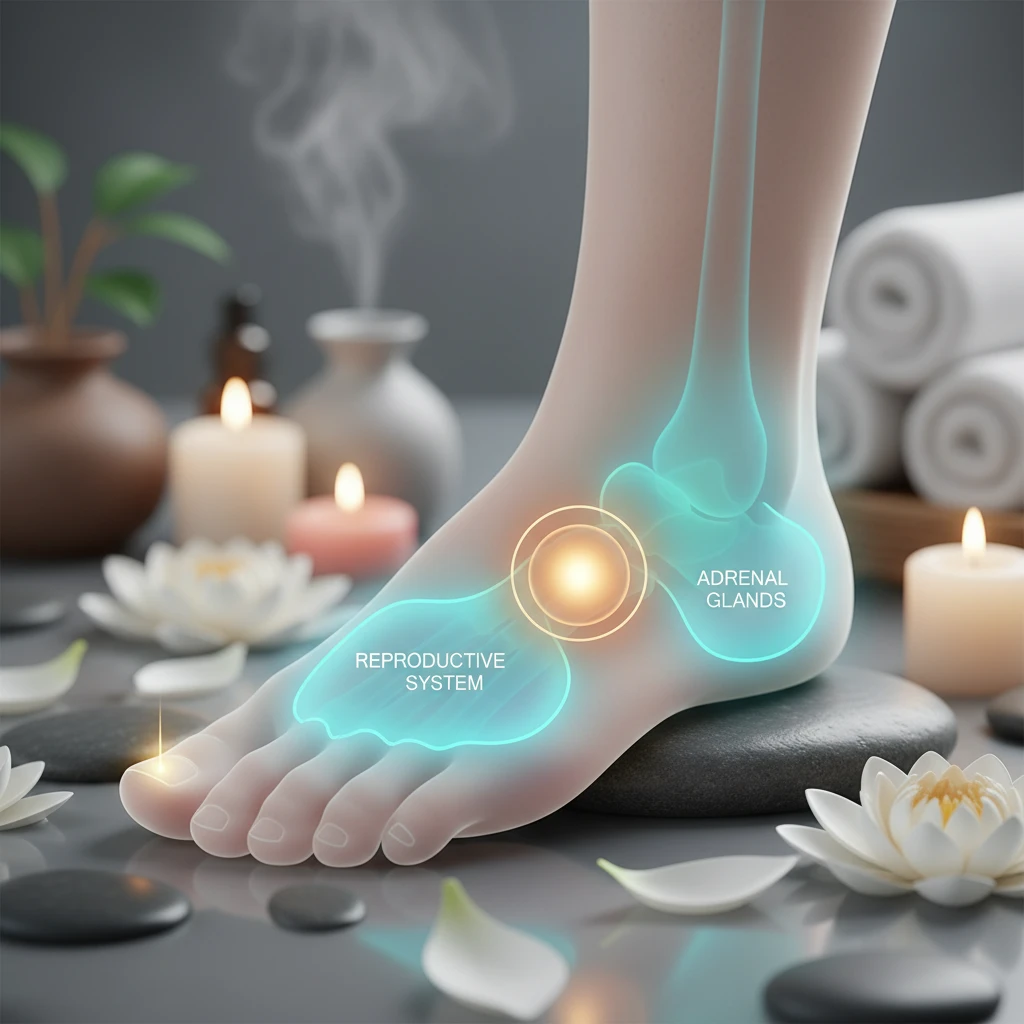
Reflexology for male fertility is a holistic therapeutic practice that targets specific pressure points on the feet and hands correlated with the reproductive and endocrine systems. By stimulating these neural pathways, the therapy aims to reduce systemic stress, balance essential hormones like testosterone, and enhance blood circulation to the pelvic region to optimize sperm health and motility.
Introduction
In the realm of reproductive health, the focus has historically tilted heavily toward female fertility. However, male factor infertility accounts for approximately 40% to 50% of all infertility cases. As couples seek non-invasive and holistic methods to improve their chances of conception, reflexology for male fertility has emerged as a compelling complementary therapy. Unlike clinical interventions that focus solely on the mechanics of reproduction, reflexology addresses the body as an interconnected system, aiming to restore homeostasis and optimize biological functions.
This ancient practice, rooted in Traditional Chinese Medicine (TCM) and Egyptian history, operates on the premise that specific zones on the feet, hands, and ears correspond to different organs and systems within the body. By applying targeted pressure to these zones, practitioners believe they can clear energy blockages, improve neural communication, and foster an environment conducive to healthy sperm production. This guide serves as a definitive resource for understanding how to leverage reflexology to support male reproductive health, improve circulation, and manage the stress that often hinders conception.
The Science: How Reflexology Impacts Male Fertility
To understand the efficacy of reflexology, one must look beyond the relaxation aspect and examine the physiological responses it triggers. While reflexology is often categorized under energy medicine, its effects on the nervous system are well-documented. The feet are densely populated with nerve endings—over 7,000 in each foot—that connect to the central nervous system.
Stimulating these nerves sends signals to the brain to adjust the body’s tension levels. In the context of fertility, this is crucial. Chronic stress triggers the release of cortisol, a hormone that, in high sustained quantities, can inhibit the production of Gonadotropin-releasing hormone (GnRH). GnRH is essential for the release of Luteinizing Hormone (LH) and Follicle-Stimulating Hormone (FSH), both of which are critical for testosterone production and spermatogenesis.
Reflexology acts as a modulator for the autonomic nervous system, shifting the body from a sympathetic state (fight or flight) to a parasympathetic state (rest and digest). It is in this parasympathetic state that the body prioritizes long-term health functions, including reproduction and digestion. By mechanically stimulating the reflexes associated with the endocrine system, reflexology aims to re-regulate these hormonal pathways.
Key Reflexology Points for Male Reproductive Health
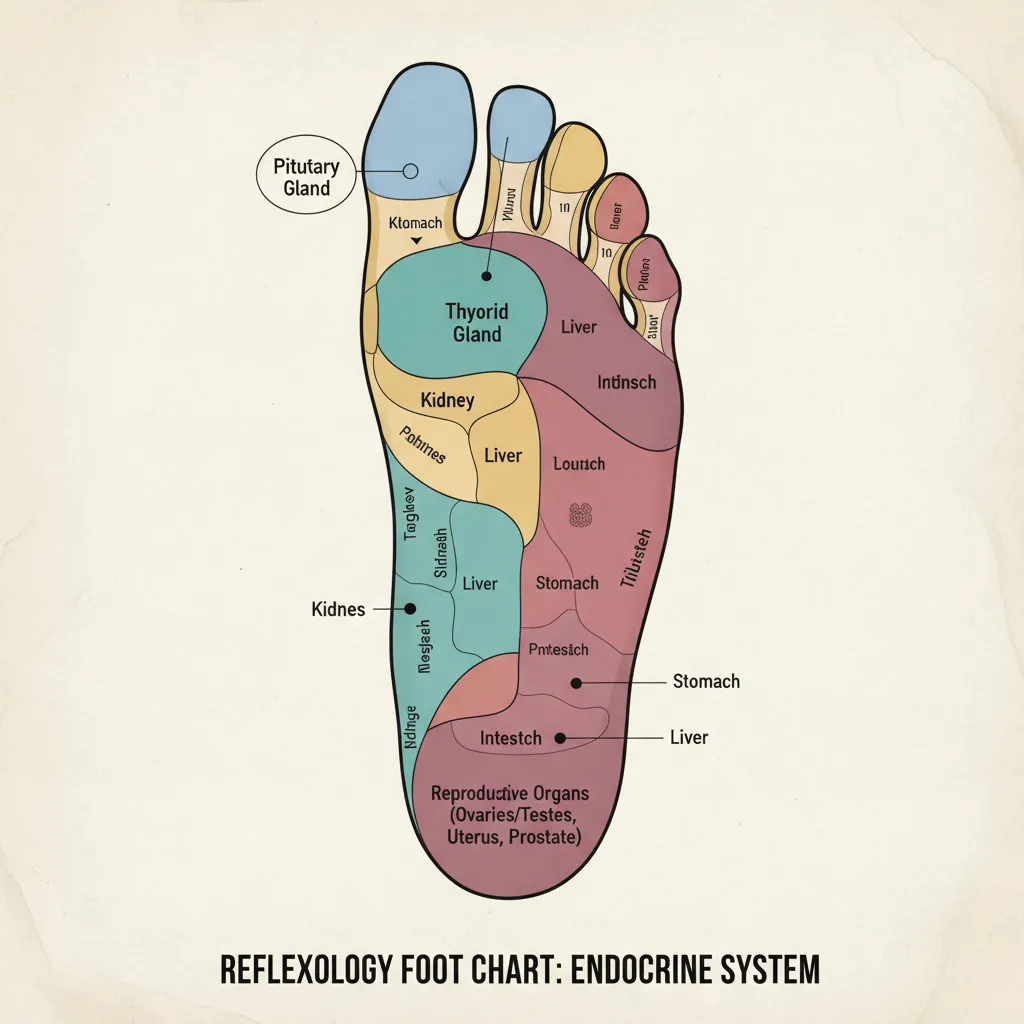
Effective reflexology for male fertility relies on precision. While a general foot massage is relaxing, a therapeutic session targets specific “reflexes” that correspond to the reproductive anatomy. Understanding the topography of the foot is essential for this process.
The Endocrine System (The Big Toe)
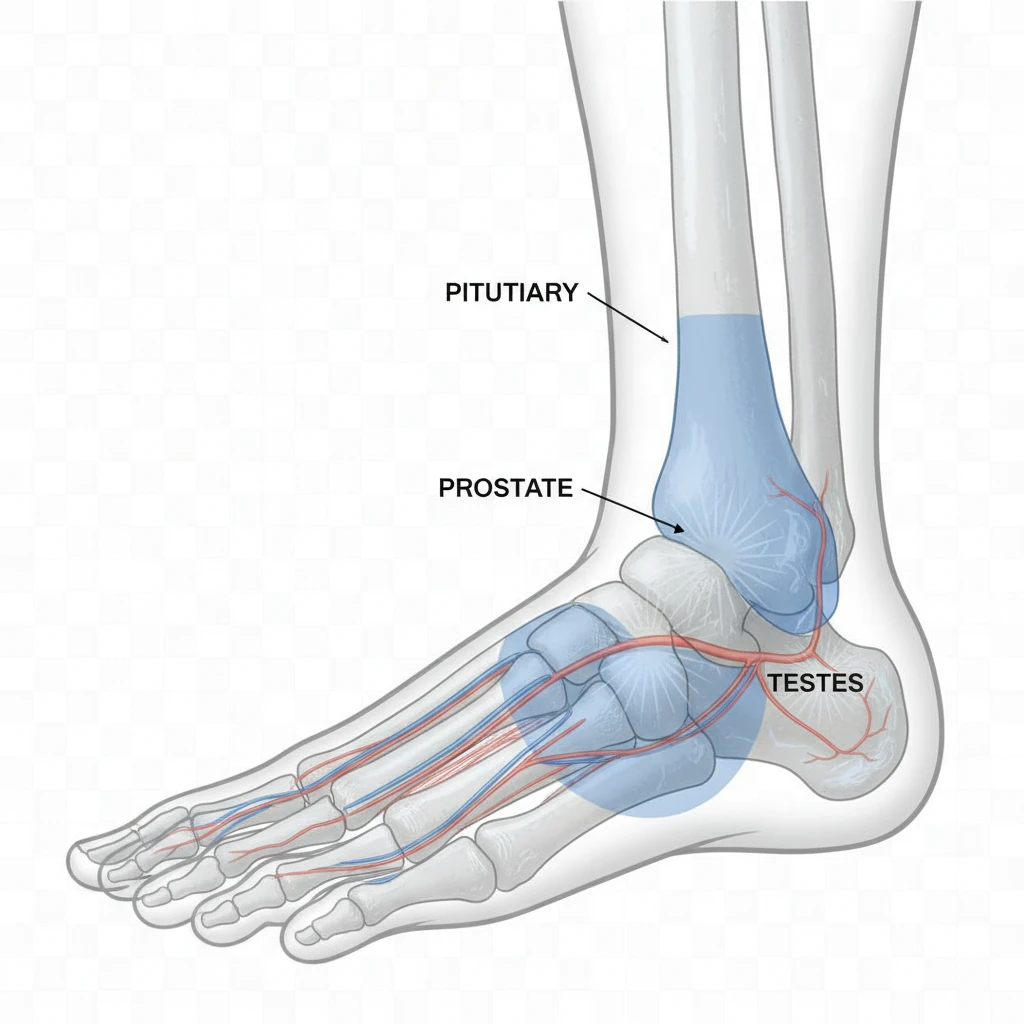
The endocrine system is the control center for hormones. The reflex point for the pituitary gland—often called the “master gland”—is located in the center of the fleshy pad of the big toe. Stimulating this point is believed to help regulate the secretion of FSH and LH, which directly influence sperm production in the testes.
The Reproductive Organs (The Ankles)
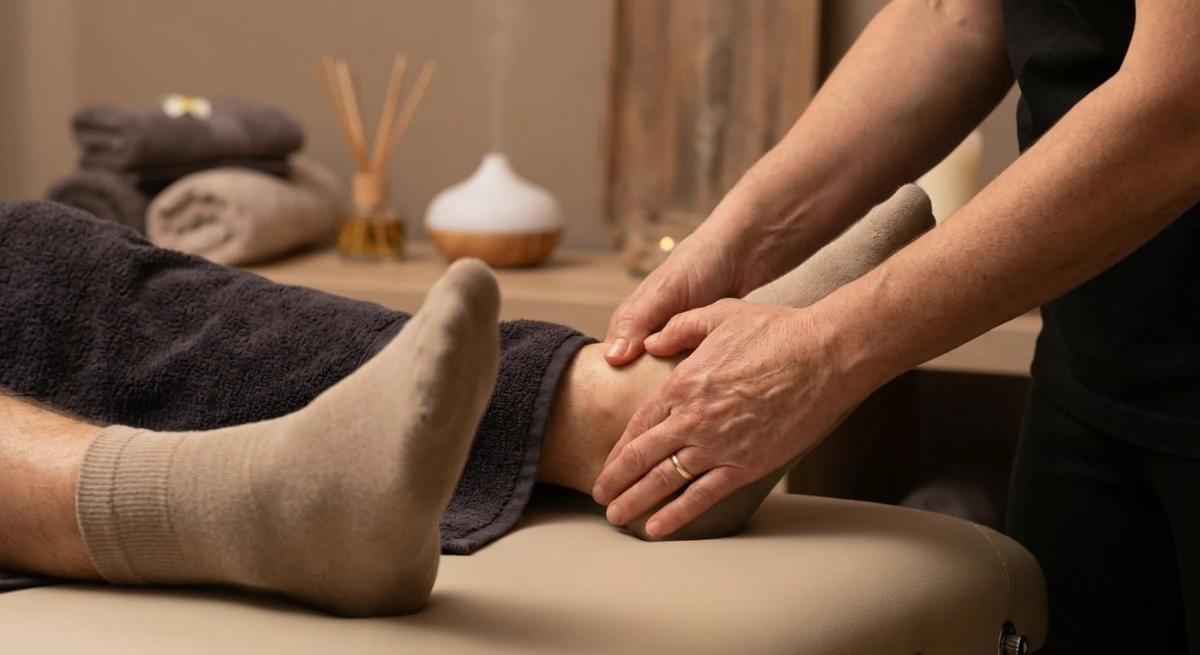
The reflex points for the testes and prostate are located around the ankles. Specifically, the area beneath the inner ankle bone (medial malleolus) corresponds to the prostate gland and the vas deferens. The area beneath the outer ankle bone (lateral malleolus) corresponds to the testes. Gentle manipulation of these areas is intended to clear congestion and improve energy flow to the physical organs.
The Solar Plexus (Center of the Foot)
Located just under the ball of the foot, in the center, lies the solar plexus point. This is the profound relaxation switch. Pressing this point is critical for reducing cortisol levels, which, as previously mentioned, is a physiological antagonist to testosterone.
Improving Circulation to the Pelvic Area
Circulation is the lifeblood of fertility. Adequate blood flow is required not only for erectile function but also for the transport of nutrients and oxygen to the testes, which is vital for healthy spermatogenesis. Poor circulation can lead to stagnation, increased scrotal temperature (which harms sperm), and the accumulation of toxins.
Reflexology techniques that utilize “thumb walking” across the arch of the foot can stimulate the reflexes associated with the kidneys and ureters, promoting the elimination of toxins. Furthermore, working the heel area, which corresponds to the pelvic basin, helps to encourage vasodilation in the lower abdomen. According to the Mayo Clinic, reflexology is recognized for its ability to improve blood supply and unblock nerve impulses, which is directly beneficial for the vascular requirements of the male reproductive system.
Stress Reduction for Testosterone Balance
The relationship between stress and male infertility is cyclical and damaging. The stress of struggling to conceive lowers testosterone, which reduces fertility, which in turn causes more stress. Reflexology serves as a circuit breaker in this loop.
When the body is under stress, it prioritizes survival functions over reproductive functions. This is known as the “pregnenolone steal,” where the body uses precursor hormones to make cortisol instead of testosterone. By utilizing the solar plexus reflex and the adrenal reflexes (located near the inner arch), reflexology helps lower adrenal fatigue.
Clinical observations suggest that regular reflexology sessions can lower blood pressure and heart rate, physical markers of stress. A relaxed body is chemically different from a stressed one; it is an environment where testosterone can be synthesized efficiently, and sperm can mature without the damaging effects of oxidative stress caused by anxiety.
Prostate Health Reflex Points
The prostate gland plays a vital role in male fertility by secreting prostate fluid, one of the components of semen. The muscles of the prostate gland also help propel this seminal fluid into the urethra during ejaculation. Inflammation or congestion in the prostate can hinder sperm motility and viability.
In reflexology, the prostate reflex is highly specific. It is located on the inside of the foot, halfway between the ankle bone and the heel. To work this area:
- Locate the soft depression just below the inner ankle bone.
- Use the thumb to apply firm, steady pressure.
- Utilize a circular motion or a “hook and backup” technique.
- This area can be tender in men with prostate issues, so pressure should be modulated accordingly.
Regular stimulation of this point is thought to assist in reducing inflammation and promoting healthy prostatic fluid production. It acts as a form of distal massage, encouraging drainage and blood flow in the pelvic floor without invasive procedures.
A Step-by-Step Self-Reflexology Routine
While seeing a certified reflexologist is recommended for a comprehensive assessment, a simple self-care routine can be performed at home to support fertility. Perform this routine 3-4 times a week for 15 minutes.
1. Warm-Up
Begin by soaking the feet in warm water with Epsom salts to relax the muscles. Dry thoroughly. Rub a small amount of carrier oil (like almond or coconut oil) onto the feet.
2. Solar Plexus Release
Place your thumb on the solar plexus point (center of the foot, just below the ball). Press in deeply as you inhale, and hold for 10 seconds. Release as you exhale. Repeat 3 times to engage the parasympathetic nervous system.
3. Pituitary Stimulation
Move to the big toe. Use your thumb to press and rotate on the center of the toe pad. This targets the pituitary gland. Perform this for 30 seconds on each big toe.
4. Reproductive Sweep
Locate the inner ankle bone. Place your thumb just below it (prostate area) and your fingers on the outer ankle (testes area). Gently massage the area around the ankle bones in a circular motion. Do this for 2 minutes on each foot.
5. Kidney and Adrenal Flush
Trace a line from the center of the foot (solar plexus) down toward the heel (bladder). Use a thumb-walking motion to trace this line, which follows the ureter reflex. This encourages detoxification.
6. Cool Down
Finish by gently squeezing the entire foot and stroking from the toes up toward the ankle to encourage lymphatic drainage back up the leg.
Lifestyle and Reflexology Combinations
Reflexology is most effective when integrated into a broader lifestyle strategy. It acts as a catalyst for other healthy behaviors. For maximum impact on male fertility, combine reflexology with the following:
- Nutritional Support: Focus on foods high in Zinc (oysters, pumpkin seeds) and Selenium (brazil nuts). These minerals are building blocks for sperm. Reflexology enhances digestion, ensuring these nutrients are absorbed efficiently.
- Cooling Protocols: Avoid saunas, hot tubs, and tight underwear. High temperatures kill sperm. Reflexology naturally regulates body temperature through improved circulation without overheating the testes.
- Toxin Avoidance: Reduce alcohol and eliminate smoking. The liver reflex point (located on the right foot) can be worked to support the liver in processing toxins, but reducing the intake is primary.

Safety and Professional Guidance
Reflexology is generally considered safe for most men. However, if you are undergoing medical treatments for infertility, such as hormonal injections or recovering from varicocele surgery, consult your urologist before beginning a vigorous reflexology regimen.
It is also important to note that reflexology is not a diagnostic tool. A reflexologist can detect “crystal deposits” or tension in the foot, but they cannot diagnose low sperm count or motility issues. For a definitive diagnosis, a semen analysis performed by a medical professional is required. According to the National Institutes of Health (NIH), integrative approaches that combine stress management with conventional medicine often yield the best outcomes for patients dealing with infertility.
Frequently Asked Questions
Can reflexology help with low sperm count?
Reflexology may help indirectly by reducing stress and improving circulation. High stress levels can negatively impact sperm production, so by lowering cortisol and increasing blood flow to the testes, reflexology creates a better biological environment for spermatogenesis.
Where is the reflexology point for male fertility?
The primary reflexology points for male fertility are located on the ankles. The inner ankle (below the medial malleolus) corresponds to the prostate and uterus in women, while the outer ankle corresponds to the testes/ovaries. The big toe also holds the reflex for the pituitary gland.
How often should a man do reflexology for fertility?
For best results, a professional session once a week is recommended, supplemented by self-reflexology at home 2-3 times a week. Consistency is key to regulating the nervous system and hormonal balance over the 72-day sperm regeneration cycle.
Does foot massage increase testosterone?
Foot massage and reflexology do not directly manufacture testosterone, but they reduce cortisol. Since cortisol and testosterone compete for similar precursors in the body, lowering stress hormones allows the body to prioritize testosterone production naturally.
Can reflexology cure male infertility?
No, reflexology is not a cure for structural or genetic causes of infertility. It is a complementary therapy designed to support the body’s natural functions, reduce stress, and improve circulation, which can enhance fertility outcomes when combined with medical advice.
Is reflexology painful?
Reflexology should not be painful, but some areas may feel tender or ‘bruised’ if there is congestion or tension in the corresponding organ. This is often described as ‘good pain.’ If the pressure is too intense, communicate with your therapist immediately.