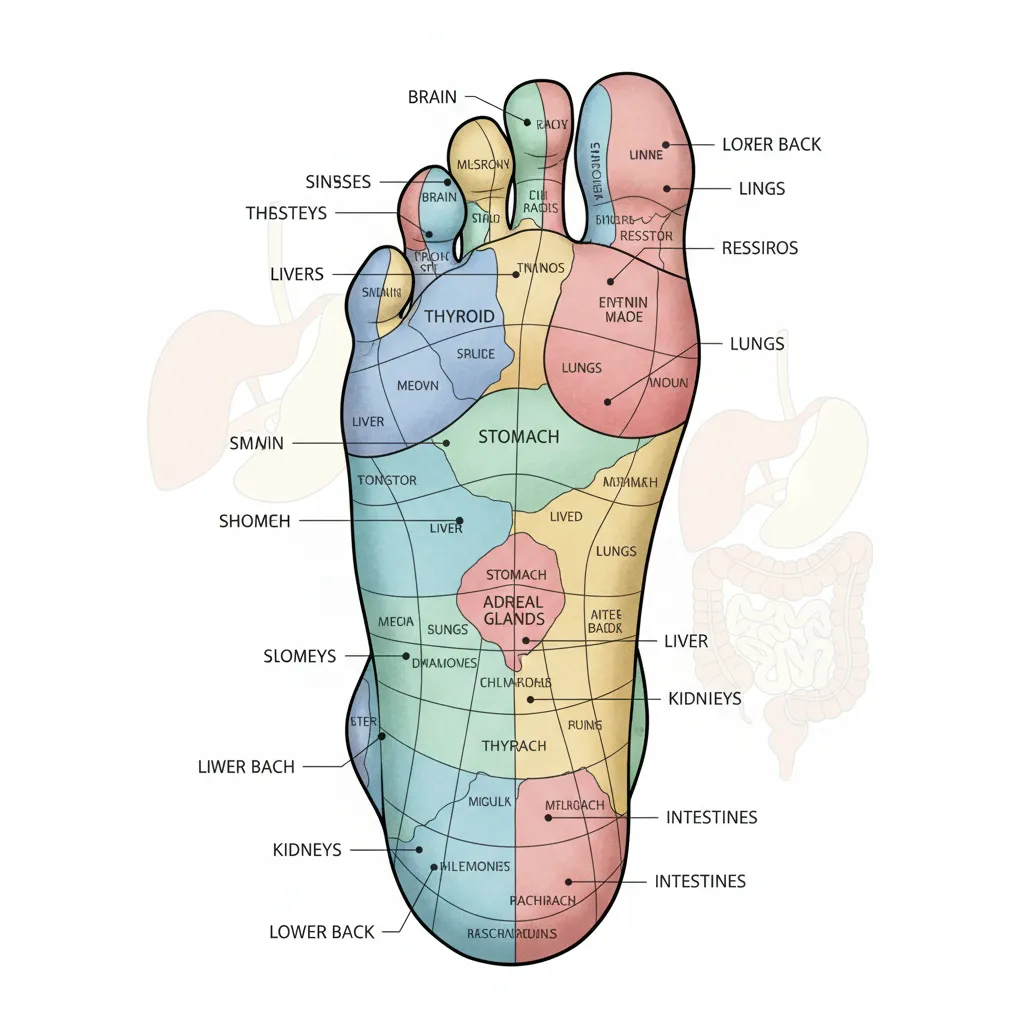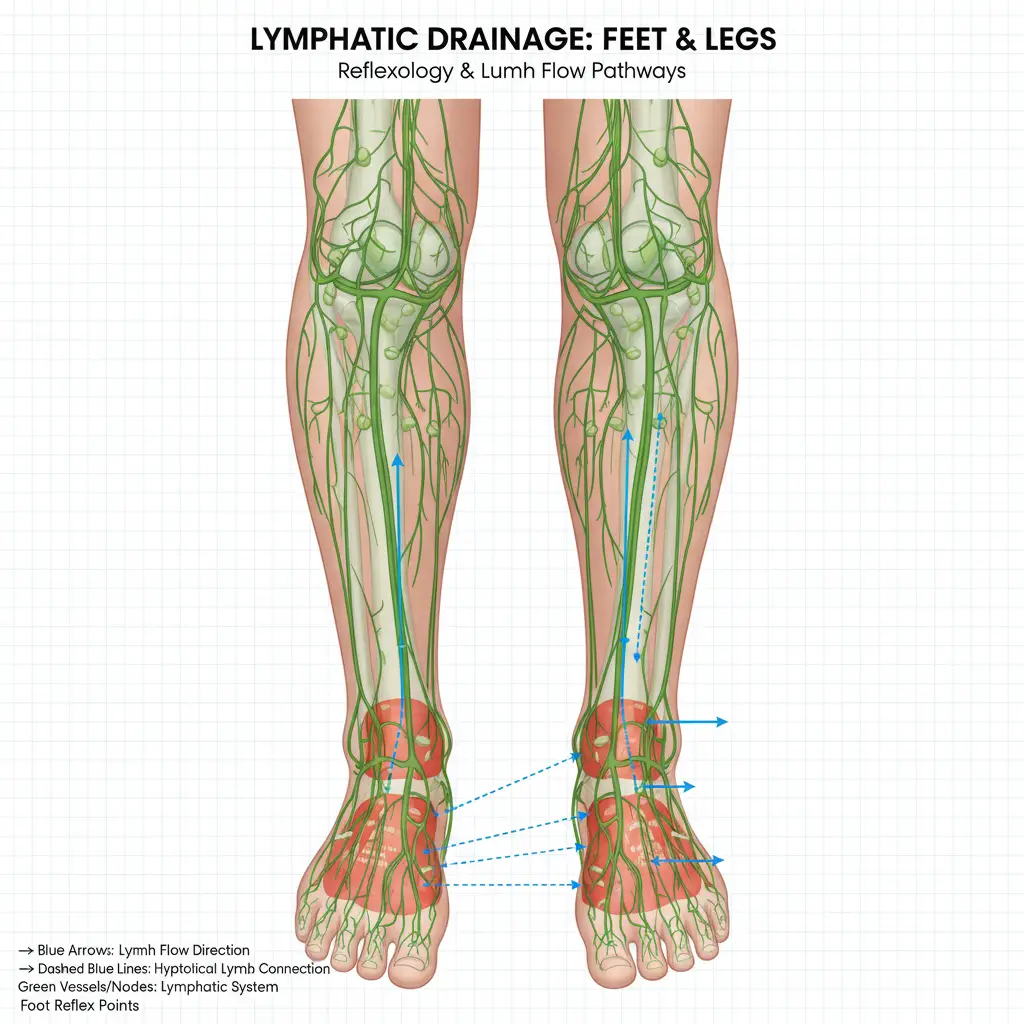
Reflexology Lymphatic Drainage (RLD) is an award-winning reflexology technique specifically developed to stimulate the lymphatic system through precise stimulation of lymphatic reflexes on the feet. This gentle yet powerful therapy aims to reduce fluid retention, enhance immune function, and support the body’s natural detoxification processes, offering a non-invasive approach to lymphatic health.
What is Reflexology Lymphatic Drainage (RLD)?
In the vast landscape of holistic health, Reflexology Lymphatic Drainage (RLD) emerges as a specialized and highly effective modality for supporting the body’s often-overlooked lymphatic system. Unlike traditional reflexology which broadly aims to promote overall balance, RLD focuses intently on stimulating specific reflex points on the feet that correspond to the lymphatic pathways and nodes throughout the body. This targeted approach is designed to encourage the efficient flow of lymph, a vital fluid responsible for waste removal, immune response, and fluid balance.
The Lymphatic System: A Crucial Network
Before delving deeper into RLD, it’s essential to understand the lymphatic system itself. It’s a complex network of vessels, tissues, and organs that work in conjunction with the cardiovascular system to maintain fluid levels in the body, absorb fats from the digestive tract, and defend the body against foreign invaders. Key components include lymph vessels, lymph nodes (which filter lymph), the spleen, thymus, and tonsils. When this system becomes sluggish or impaired, it can lead to a host of health issues, from swelling and fatigue to reduced immunity.
How RLD Differs and Delivers
While manual lymphatic drainage (MLD) involves direct massage of the body’s lymphatic vessels, RLD achieves similar physiological responses through indirect stimulation via the feet. Developed by Sally Kay, a UK-based reflexologist, RLD utilizes a unique sequence of gentle yet precise movements and pressure techniques applied to the feet. The theory posits that by activating these specific reflexes, a neural and energetic communication pathway is established, prompting the lymphatic system to function more effectively at a systemic level. This makes RLD a particularly appealing option for individuals who may find direct bodywork uncomfortable or impractical, such as those with sensitive skin or certain medical conditions.

Pumping the Lymphatic Reflexes: The Science Behind RLD
The efficacy of Reflexology Lymphatic Drainage is rooted in the established principles of reflexology combined with a deep understanding of lymphatic physiology. The feet are seen as a microcosm of the entire body, with specific areas corresponding to organs, glands, and systems. In RLD, the focus is exclusively on mapping the lymphatic system onto the foot reflexes, creating a precise protocol for stimulation.
Mapping the Lymphatic System onto the Feet
RLD practitioners are trained to identify and stimulate specific points on the sole, dorsum, and sides of the feet that correlate with major lymphatic drainage areas. These include reflexes for the cisterna chyli, thoracic duct, inguinal nodes, axillary nodes, and various lymph nodes in the neck and abdominal regions. By systematically working these points, the reflexologist aims to replicate the pumping action that moves lymph through the body.
The Physiological Response
Research, including studies on individuals with lymphedema, has shown that RLD can indeed lead to measurable reductions in limb volume, suggesting a direct impact on lymphatic function. The exact mechanisms are believed to involve:
- Neural Pathways: Stimulation of nerve endings in the feet sends signals to the central nervous system, which in turn influences the autonomic nervous system. This can lead to vasodilation and increased lymphatic flow.
- Bioelectrical Signals: Reflexology is thought to influence the body’s bioelectrical energy, potentially optimizing cellular communication and fluid movement.
- Neuro-Endocrine Effects: The gentle, rhythmic pressure can induce a state of deep relaxation, reducing stress hormones and potentially enhancing overall systemic function, including lymphatic activity.
This indirect yet powerful stimulation encourages the lymphatic system to work more efficiently, moving stagnant fluid and aiding the removal of metabolic waste products, toxins, and pathogens from the interstitial spaces back into circulation for elimination.
Reducing Fluid Retention: Alleviating Edema and Swelling
One of the most recognized and impactful applications of Reflexology Lymphatic Drainage is its ability to reduce fluid retention, a common and often uncomfortable condition. Fluid retention, or edema, occurs when excess fluid builds up in the body’s tissues, leading to swelling, puffiness, and a feeling of heaviness. While many factors can contribute to edema, a sluggish or compromised lymphatic system is a significant underlying cause.
Targeting Lymphedema
Lymphedema is a chronic condition characterized by localized fluid retention and tissue swelling, often caused by damage to the lymphatic system (e.g., after surgery, radiation therapy, or trauma). RLD has gained considerable recognition as a supportive therapy for managing lymphedema, particularly secondary lymphedema affecting limbs. Studies have demonstrated its capacity to reduce limb circumference and improve quality of life for patients. The gentle, non-invasive nature of RLD makes it a favorable option for those who might be sensitive to direct manipulation of affected areas.
Addressing General Fluid Retention and Swelling
Beyond clinical lymphedema, many individuals experience general fluid retention due to various factors:
- Hormonal Fluctuations: Pregnancy, menstrual cycles, and menopause can all lead to temporary edema.
- Sedentary Lifestyle: Lack of movement can hinder lymphatic circulation, as the lymphatic system relies on muscle contractions to pump lymph.
- Dietary Factors: High sodium intake can contribute to fluid retention.
- Travel: Prolonged sitting during flights or long journeys can cause swelling in the ankles and feet.
RLD effectively addresses these concerns by stimulating the lymphatic system to enhance its natural drainage capabilities. By encouraging the movement of lymph, it helps to flush out excess fluid and reduce swelling, promoting comfort and lightness. This makes RLD an excellent adjunctive therapy for a wide range of individuals seeking relief from fluid retention, including those without a formal lymphedema diagnosis.
Supporting the Immune System and Detoxification
The lymphatic system is a cornerstone of our immune defense and a critical player in the body’s natural detoxification processes. Reflexology Lymphatic Drainage offers a unique way to bolster these vital functions, contributing to overall health and resilience.
The Lymphatic System’s Role in Immunity
Lymph nodes, strategically located throughout the body, act as filters, trapping bacteria, viruses, and other harmful substances. Within these nodes, lymphocytes (a type of white blood cell) destroy pathogens, producing antibodies and initiating immune responses. A healthy, flowing lymphatic system ensures that these immune cells can effectively patrol the body and swiftly respond to threats. When lymphatic flow is compromised, the immune system’s efficiency can be reduced, making the body more susceptible to infections and illnesses. RLD helps to optimize this crucial circulation, thereby potentially enhancing the body’s ability to fight off disease.
Facilitating Natural Detoxification
Beyond its immune function, the lymphatic system is pivotal for cellular waste removal. It collects metabolic waste products, cellular debris, and toxins from the interstitial fluid (the fluid surrounding cells) and transports them to the lymph nodes for processing, eventually returning cleansed fluid to the bloodstream for elimination via the kidneys and liver. A stagnant lymphatic system can lead to an accumulation of these waste products, which can contribute to inflammation, fatigue, and a general feeling of sluggishness.
By stimulating lymphatic flow, RLD helps to accelerate the transportation of these wastes, supporting the body’s natural detoxification pathways. This is not about ‘detoxing’ in a radical, purging sense, but rather about optimizing the body’s inherent mechanisms for maintaining internal cleanliness and balance. Individuals often report feeling lighter, more energetic, and clearer-headed after RLD sessions, attributing these benefits to enhanced lymphatic drainage and detoxification.
RLD for Post-Illness and Post-Operative Recovery
The restorative power of Reflexology Lymphatic Drainage extends significantly to aiding recovery from various illnesses and surgical procedures. Its gentle, supportive nature makes it an ideal complementary therapy during vulnerable periods, helping the body to heal and regain strength more efficiently.
Accelerating Recovery from Illness
After an illness, whether it’s a common cold, flu, or a more serious condition, the body’s immune system has been working overtime, and lymphatic flow can become sluggish. RLD can help by:
- Reducing Inflammation: By improving lymphatic drainage, RLD helps remove inflammatory byproducts, easing discomfort and supporting tissue repair.
- Boosting Energy: Clearing metabolic waste and improving nutrient delivery to cells can alleviate post-illness fatigue, helping individuals regain their vitality.
- Strengthening Immunity: Continued stimulation of the lymphatic system helps to restore and fortify immune function, reducing the risk of secondary infections or relapse.
For chronic conditions like fibromyalgia or chronic fatigue syndrome, RLD may offer symptomatic relief by addressing systemic inflammation and supporting detoxification pathways, although it is not a cure. Regular sessions can contribute to improved energy levels, reduced pain, and enhanced overall well-being. According to a study published in Complementary Therapies in Clinical Practice, reflexology interventions, including those targeting lymphatic function, can improve symptoms in various conditions.
Supporting Post-Operative Healing
Surgery, even minor procedures, can place significant stress on the body. Post-operative swelling (edema) is common as tissues heal, and the lymphatic system often struggles to clear the excess fluid and cellular debris. RLD can be immensely beneficial in this context:
- Reducing Swelling and Bruising: By enhancing lymphatic flow, RLD helps to clear post-surgical fluid accumulation more quickly, thereby reducing swelling and potentially minimizing bruising.
- Accelerating Tissue Regeneration: Improved circulation and waste removal create a more optimal environment for cellular repair and regeneration.
- Pain Management: The reduction in swelling and inflammation, combined with the relaxing effects of reflexology, can help alleviate post-operative pain.
- Scar Tissue Management: While not directly manipulating scars, improved lymphatic flow in the surrounding tissues can support healthier scar formation and reduce tightness.
It is crucial that RLD for post-operative recovery is only undertaken with the approval and guidance of the patient’s medical doctor, ensuring it complements conventional care. It offers a gentle, non-invasive pathway to help the body bounce back more effectively after medical interventions, promoting faster and more comfortable healing.
The Holistic Benefits of Integrating RLD into Your Wellness Routine
Beyond its targeted physiological effects, Reflexology Lymphatic Drainage offers a cascade of holistic benefits that contribute to overall well-being. Incorporating RLD into a regular wellness routine can be a proactive step towards maintaining optimal health and vitality.
Stress Reduction and Relaxation
Like traditional reflexology, RLD induces a profound state of relaxation. The gentle, rhythmic pressure applied to the feet activates the parasympathetic nervous system, counteracting the effects of chronic stress. This relaxation response helps lower heart rate, reduce muscle tension, and promote mental calm, offering a much-needed respite from the demands of modern life. Reduced stress, in turn, positively impacts immune function and the body’s ability to heal.
Improved Sleep Quality
Many individuals struggling with sleep disturbances find relief through regular reflexology sessions, including RLD. By promoting relaxation and reducing physical discomfort, RLD can help regulate sleep patterns, leading to more restful and restorative sleep. Better sleep is fundamental for cellular repair, cognitive function, and emotional balance.
Enhanced Energy and Vitality
As the lymphatic system becomes more efficient in clearing waste and reducing fluid retention, individuals often report a noticeable increase in energy levels. The feeling of lightness, coupled with improved circulation and nutrient delivery, can translate into greater vitality and a renewed sense of well-being. This can be particularly beneficial for those experiencing chronic fatigue or feeling generally sluggish.
Support for Various Conditions
While RLD is not a diagnostic tool or a cure for disease, its supportive role makes it beneficial for a range of conditions. Beyond lymphedema and post-operative care, it may assist individuals with:
- Arthritis (by reducing inflammation and swelling)
- Sinus congestion and allergies (by supporting drainage)
- Digestive issues (by promoting abdominal lymphatic flow)
- Skin conditions (by aiding detoxification)
- Migraines and headaches (by reducing fluid pressure and promoting relaxation)
It acts as a complementary therapy, working alongside conventional medical treatments to optimize the body’s self-healing capabilities. For further information on the broader scope of lymphatic health, consider exploring resources from the Lymphatic Education & Research Network (LE&RN).
What to Expect During an RLD Session
Understanding Hand Reflexology Points and what an RLD session entails can help alleviate any apprehension and ensure you get the most out of your experience. Typically, a session lasts between 45 to 60 minutes, conducted in a peaceful and comfortable setting.
The Consultation
Your session will usually begin with a brief consultation. The reflexologist will discuss your health history, current concerns, and any specific areas of fluid retention or health goals you have. This ensures the treatment is tailored to your individual needs.
The Treatment Itself
You will lie comfortably on a reclining chair or massage table, fully clothed except for your feet. The reflexologist will examine your feet and then begin applying a specific sequence of gentle, precise pressures and movements to the lymphatic reflex points. Unlike some deep tissue massages, RLD is typically very relaxing and should not be painful. You may feel a slight tingling sensation, warmth, or simply a deep sense of calm. Many clients find themselves drifting off to sleep.
After the Session
Following an RLD session, it’s common to feel deeply relaxed, perhaps even a bit sleepy. Some individuals report an increased need to urinate, a positive sign that the lymphatic system is actively moving fluid. It’s recommended to drink plenty of water to help flush toxins and continue to support your lymphatic system. While some benefits may be felt immediately, a series of sessions is often recommended for optimal and lasting results, especially for chronic conditions.
People Also Ask
What is the difference between RLD and MLD?
Reflexology Lymphatic Drainage (RLD) stimulates the lymphatic system indirectly through specific reflex points on the feet, while Manual Lymphatic Drainage (MLD) is a direct, hands-on massage technique applied to the body’s lymphatic vessels and nodes. RLD is non-invasive and can be beneficial for those who cannot tolerate direct bodywork.
How quickly does RLD show results?
Results can vary depending on the individual and the condition being addressed. Some people experience immediate relief from fluid retention or a sense of relaxation after the first session. For chronic conditions like lymphedema, a course of regular treatments is often recommended to achieve and maintain optimal results.
Is RLD safe for everyone?
RLD is generally considered safe for most people, but certain contraindications exist. These include acute infections, active cancer (unless approved by an oncologist), recent thrombosis, or severe cardiac conditions. Always consult with your doctor and a qualified reflexologist to determine if RLD is appropriate for you.
Can RLD help with weight loss?
While RLD is not a direct weight-loss treatment, it can support the body’s natural detoxification processes, reduce fluid retention, and improve metabolism. By optimizing lymphatic function and overall well-being, it can be a beneficial complementary therapy when combined with a healthy diet and exercise, potentially aiding in feeling lighter and more energetic.
How often should I have RLD sessions?
The frequency of RLD sessions depends on your individual needs and health goals. For acute issues or initial treatment of conditions like lymphedema, weekly sessions may be recommended. For general wellness, maintenance, or less severe issues, monthly or bi-monthly sessions might suffice. Your reflexologist will help you determine the best schedule.
What are the potential side effects of RLD?
RLD is very gentle and generally has few side effects. The most common experiences include feeling deeply relaxed, mild tiredness, or an increased need to urinate due to enhanced fluid movement. Rarely, some individuals might experience a temporary worsening of symptoms before improvement, often referred to as a ‘healing crisis,’ but this is uncommon and usually mild.