Reflexology is generally considered a highly safe, non-invasive complementary therapy for the majority of individuals when performed by a certified practitioner. While serious complications are extremely rare, mild side effects such as fatigue, lightheadedness, or increased urination can occur. However, specific medical conditions, including deep vein thrombosis and active foot infections, constitute absolute contraindications where treatment must be avoided.
The General Safety Profile of Reflexology
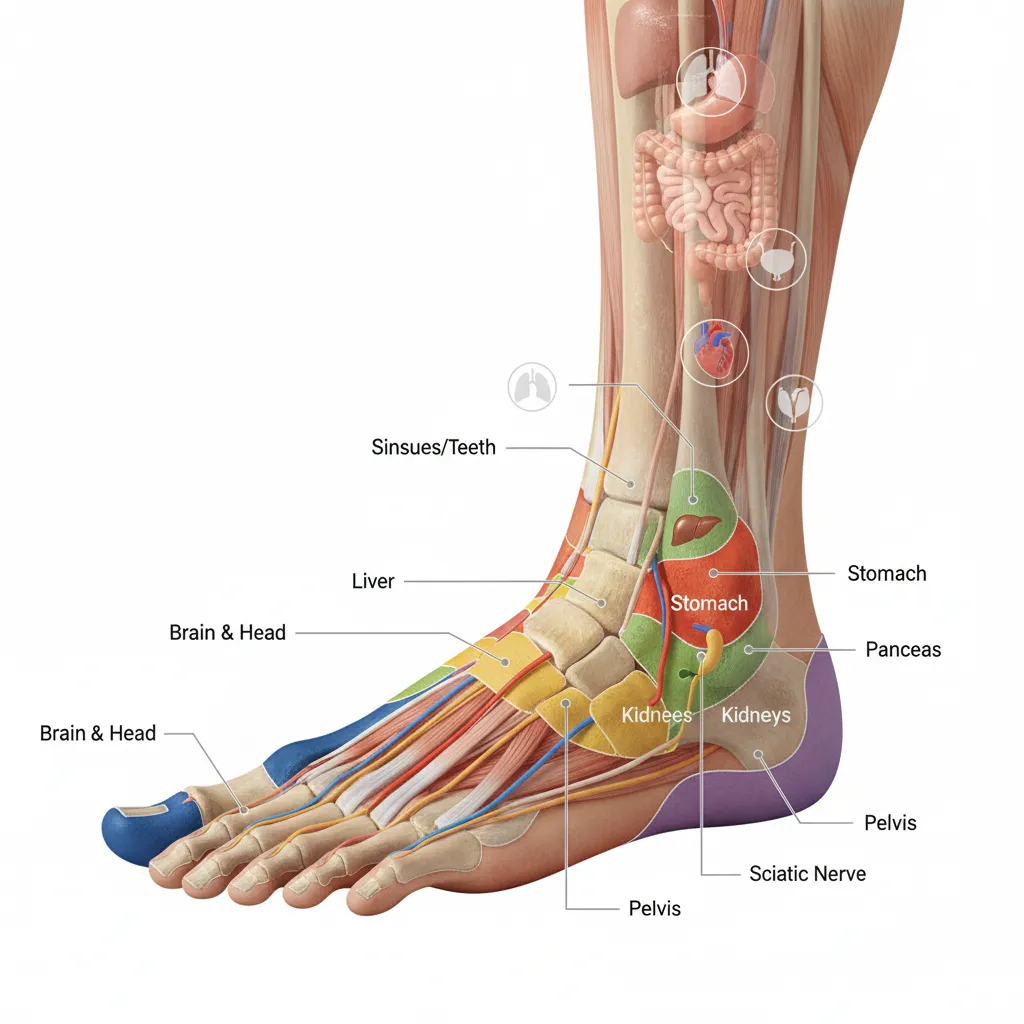
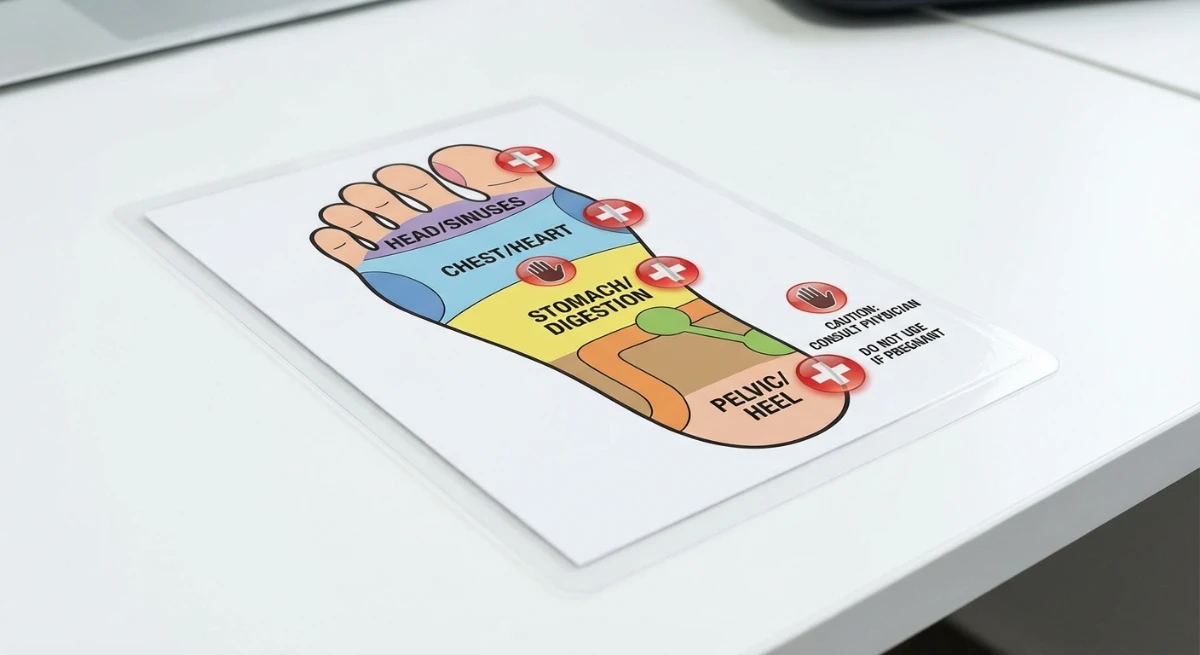
Reflexology has been practiced for thousands of years, with roots tracing back to ancient China and Egypt. In the modern wellness landscape, it is classified as a complementary and alternative medicine (CAM) therapy. The fundamental premise of reflexology is that specific points on the feet, hands, and ears correspond to different organs and systems within the body. By applying targeted pressure to these reflex points, practitioners aim to promote relaxation, improve circulation, and support the body’s natural homeostasis.
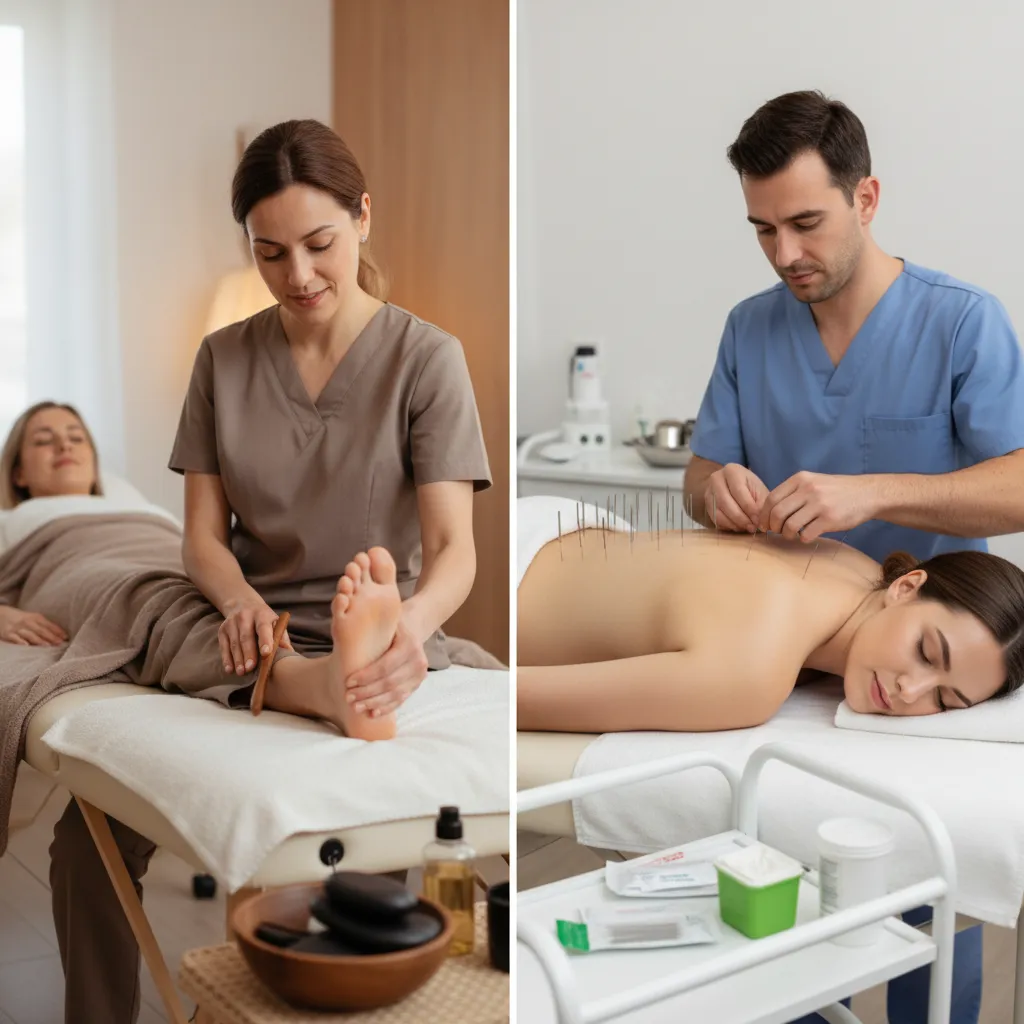
For the vast majority of the population, is reflexology safe side effects free? The answer is largely yes. Because it is non-invasive—meaning no tools break the skin and no drugs are administered—it carries a significantly lower risk profile than pharmaceutical interventions or invasive medical procedures. It is primarily a holistic modality focused on stress reduction and nervous system regulation.
However, safety is not merely the absence of immediate harm. It involves understanding how the body reacts to stimulation. Reflexology stimulates the parasympathetic nervous system, shifting the body from a “fight or flight” state to a “rest and digest” state. While this is beneficial, it can cause temporary physiological shifts that some clients may interpret as side effects. Understanding the distinction between a harmful reaction and a therapeutic response is critical for anyone considering this therapy.
Common Side Effects: The Healing Crisis
When discussing whether reflexology is safe, it is essential to address what practitioners often call a “healing crisis” or a “cleansing reaction.” These are not side effects in the traditional medical sense of adverse reactions to a drug, but rather signs that the body is responding to the treatment and attempting to eliminate toxins or rebalance itself.
Most reactions are mild, transient, and resolve within 24 hours. Common responses include:
1. Fatigue and Lethargy
The most frequently reported after-effect of a reflexology session is a deep sense of tiredness. Because the therapy encourages deep relaxation, the body may finally acknowledge accumulated sleep debt. This lethargy is a signal from the body to rest and allow the healing processes to take place.
2. Increased Urination and Bowel Movements
Reflexology is believed to stimulate the lymphatic system and improve circulation, which aids in the removal of metabolic waste. Clients often report increased urinary output or changes in bowel movements immediately following a session. This is generally viewed as a positive sign of detoxification.
3. Emotional Release
The feet hold a surprising amount of tension. Since reflexology interacts directly with the nervous system, it can sometimes trigger an emotional release. Clients may experience sudden laughter, tearfulness, or a surge of specific emotions. While this can be startling, it is a safe and natural part of stress release.
4. Lightheadedness or Headache
As circulation improves and blood pressure normalizes, some clients may feel lightheaded upon standing up after a session. Similarly, a mild headache can occur, often attributed to dehydration if the client does not drink enough water post-treatment to flush out toxins.
5. Tender Feet
While the goal is not to cause pain, breaking down calcium deposits (often referred to as crystals) on reflex points can leave the feet feeling slightly tender or bruised the next day, similar to the sensation after a deep tissue massage.
Absolute Contraindications: When to Avoid Reflexology
Despite its general safety, there are specific medical scenarios where reflexology is absolutely contraindicated. In these cases, the risks outweigh the benefits, and a responsible practitioner will refuse to treat the client until the condition resolves. This is where the question “is reflexology safe side effects” shifts to “is reflexology dangerous for me?”
According to reputable health sources like the Mayo Clinic, caution is paramount in specific vascular conditions. The following are absolute contraindications:
Deep Vein Thrombosis (DVT) or Thrombosis
This is perhaps the most critical contraindication. A DVT is a blood clot that forms in a vein, usually in the leg. Reflexology improves circulation and involves physical manipulation of the feet and lower legs. There is a theoretical risk that this stimulation could dislodge a clot, causing it to travel to the lungs (pulmonary embolism), which can be fatal. If you have a history of clots or are currently being treated for one, reflexology is unsafe.
Active Foot Infections
If a client has a contagious skin condition such as severe Athlete’s Foot, fungal nail infections, or warts, treatment should be avoided to prevent cross-contamination and spreading the infection to other parts of the foot or the therapist’s hands.
Acute Injuries and Fractures
Reflexology should never be performed on a foot that has a recent fracture, severe sprain, or unhealed wound. The pressure applied during the session could exacerbate the injury, increase inflammation, and delay the healing process.
Gangrene
Gangrene involves the death of body tissue due to a lack of blood flow or a serious bacterial infection. Massage or pressure of any kind on gangrenous tissue is strictly prohibited.
Under the Influence of Alcohol or Drugs
Clients under the influence of drugs or alcohol have desensitized pain receptors and compromised judgment. A practitioner cannot accurately gauge the client’s comfort levels, leading to a risk of over-treatment or injury.
Relative Contraindications and Cautionary Measures
Relative contraindications are conditions where reflexology may still be performed, but with significant modifications or only after medical clearance. A skilled therapist will adapt their pressure and avoid specific zones based on these conditions.
Diabetes
Diabetic clients often suffer from peripheral neuropathy (loss of sensation in the feet) and poor circulation. While reflexology can be beneficial for circulation, the lack of sensation means the client may not feel if the pressure is too hard, leading to tissue damage. Practitioners must use extremely light pressure and inspect the feet visually for any sores or ulcers.
Varicose Veins
Therapists must avoid working directly over varicose veins. However, reflexology can still be performed on the reflex points of the feet, provided the practitioner does not manipulate the affected veins in the legs.
Osteoporosis
In individuals with severe osteoporosis, the bones are brittle and prone to fracture. Therapists must be gentle, particularly around the ankle and top of the foot, to ensure no damage occurs to the skeletal structure.
Cancer
Reflexology is often used in palliative care to reduce anxiety and pain in cancer patients. However, it should only be done with the approval of the oncologist, particularly if the patient is undergoing chemotherapy or radiation, as the therapy may amplify the processing of medication through the liver and kidneys.
Is Reflexology Safe During Pregnancy?
Pregnancy is one of the most common reasons women seek out reflexology, usually to alleviate back pain, swelling (edema), and morning sickness. However, it is also an area filled with caution and differing opinions.
The First Trimester
Many reflexologists decline to treat women during the first trimester (weeks 1-12) of pregnancy. This is not because reflexology has been proven to cause miscarriages, but rather due to the naturally higher risk of miscarriage during this period. Practitioners prefer to avoid any association with spontaneous pregnancy loss. If treatment is given, it is usually very gentle, avoiding the specific reflex points associated with the uterus and ovaries.
Later Pregnancy
In the second and third trimesters, reflexology is widely considered safe and beneficial. It can help regulate blood pressure, reduce fluid retention, and prepare the body for labor. However, vigorous stimulation of the pituitary and uterine reflex points is avoided until the client is at full term (38-40 weeks), as some believe this could stimulate contractions.
If you have a high-risk pregnancy, including conditions like placenta previa, preeclampsia, or a history of preterm labor, you must obtain written consent from your midwife or obstetrician before booking a session.
The Importance of Choosing a Qualified Practitioner
The safety of reflexology is intrinsically linked to the competence of the practitioner. In many regions, the term “reflexologist” is not strictly regulated by government law, which means individuals with varying levels of training can offer services.
To ensure safety, clients should seek out practitioners who are registered with professional bodies. For example, in New Zealand, looking for a member of Reflexology New Zealand (RNZ) ensures the therapist has met specific educational standards, holds a first aid certificate, and adheres to a code of ethics and safe practice.
A qualified practitioner will always:
- Conduct a thorough health consultation before the first session.
- Ask about current medications and medical history.
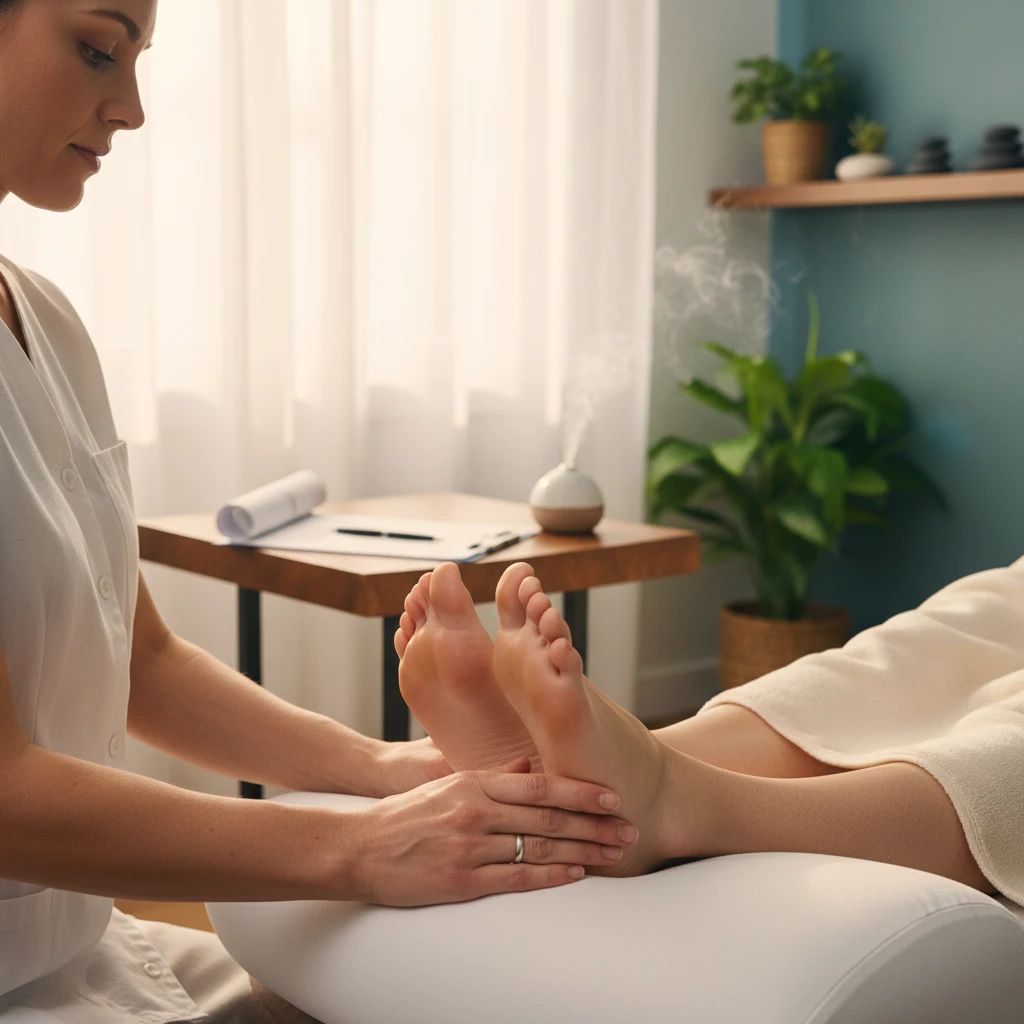
- Inspect the feet for infections or injuries before touching them.
- Adjust pressure based on client feedback.
- Refer you to a medical doctor if they spot symptoms requiring diagnosis.
Consulting with Healthcare Providers
Reflexology is a complementary therapy, meaning it is designed to work alongside conventional medicine, not replace it. It should never be used as a sole treatment for serious medical conditions. If you are currently under the care of a specialist for a chronic condition, or if you are unsure about the implications of the query “is reflexology safe side effects” regarding your specific health situation, consult your primary care physician.
Transparency is key. Inform your doctor that you are considering reflexology, and inform your reflexologist of your medical diagnosis. This collaborative approach ensures that you receive the holistic benefits of stress reduction and improved circulation without compromising your medical safety protocols.
For more information on the regulation and safety of complementary health approaches, resources such as the National Center for Complementary and Integrative Health (NCCIH) provide valuable, evidence-based guidance.
People Also Ask
Who should not do reflexology?
Individuals with deep vein thrombosis (DVT), active foot infections (like Athlete’s foot), gangrene, unstable pregnancies, or recent foot fractures should avoid reflexology. It is also contraindicated for those with a fever or an infectious disease to prevent spreading illness or exacerbating symptoms.
Can reflexology cause damage?
Reflexology is generally non-invasive and unlikely to cause damage when performed by a qualified professional. However, excessive pressure on individuals with conditions like diabetes (neuropathy) or osteoporosis could potentially cause tissue bruising or discomfort. Always communicate your pain threshold to the therapist.
What are the negative side effects of reflexology?
Negative side effects are usually mild and temporary, often referred to as a “healing crisis.” These can include fatigue, increased urination, lightheadedness, tender feet, emotional release (crying), or mild headaches. These symptoms typically subside within 24 hours.
Is reflexology safe for high blood pressure?
Reflexology can be beneficial for high blood pressure by promoting relaxation and reducing stress. However, it is vital to inform the practitioner of the condition so they can avoid over-stimulating the adrenal and heart reflex points. Always consult a doctor before starting new therapies for hypertension.
Why do I feel sick after reflexology?
Feeling nauseous or “sick” after reflexology is believed to be a detoxification response. As the body eliminates waste products released from the tissues during the session, you may experience temporary nausea. Drinking plenty of water after the session helps flush these toxins and alleviate symptoms.
Can reflexology mess up your period?
Reflexology does not “mess up” a menstrual cycle, but it can influence it. By balancing hormones and reducing stress, it may alter the timing or flow of a period, often with the aim of regulating it. Some women report heavier flow or changes in cycle length as the body adjusts.