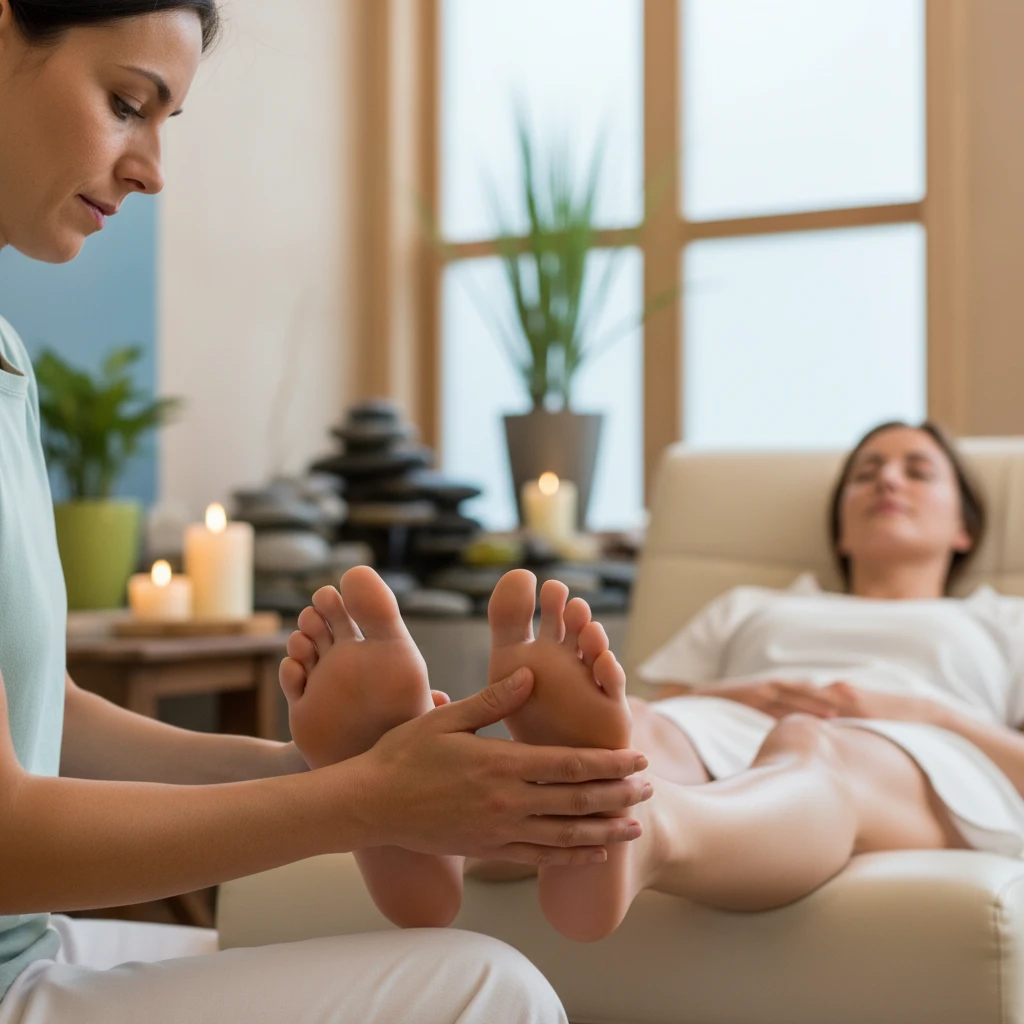
Reflexology for concentration is an ancient complementary therapy that involves applying pressure to specific points on the feet, hands, or ears, which correspond to different organs and systems in the body. This practice is believed to stimulate nerve pathways, improve circulation, and promote overall balance, thereby enhancing mental clarity, focus, and cognitive function by addressing underlying physiological stressors.
The Science of Reflexology for Enhanced Mental Clarity
Reflexology, often misunderstood as a simple foot massage, is a sophisticated practice rooted in the belief that specific points on the body, known as reflexes, are connected to various organs and glands through energy pathways. When these reflex points are stimulated, they are thought to send signals through the nervous system, encouraging the body to return to a state of balance and optimal function. For mental clarity, this means potentially influencing areas related to stress reduction, improved circulation to the brain, and hormonal regulation, all of which are crucial for sustained focus and cognitive performance. The therapeutic touch inherent in reflexology also triggers the parasympathetic nervous system, promoting relaxation and reducing the impact of chronic stress, a common culprit behind diminished concentration.
Understanding the Foot Maps: Pathways to the Brain
Detailed anatomical maps of the feet, hands, and ears illustrate how various reflex points correlate to different parts of the body, including the brain, spinal cord, and major endocrine glands. For mental clarity and concentration, practitioners often focus on reflex areas corresponding to the head, pituitary gland, pineal gland, and hypothalamus. Stimulating these specific points is hypothesized to improve neural communication, regulate neurotransmitter production, and enhance the overall health of the central nervous system. The foot, being a distal extremity, offers a large and accessible area for targeting these complex neurological connections, making it a primary focus in reflexology treatments aimed at cognitive enhancement.
The Vagus Nerve Connection: A Bridge to Cognitive Function
Emerging research in neuroscience highlights the critical role of the vagus nerve, the longest cranial nerve, in regulating various bodily functions, including heart rate, digestion, and mood. Crucially, the vagus nerve also plays a significant role in cognitive function, memory, and attention. Reflexology, particularly when applied to areas like the solar plexus reflex point, is thought to stimulate the vagus nerve indirectly. By modulating vagal tone, reflexology may help reduce inflammation, decrease stress hormones, and promote a state of calm alertness, thereby directly supporting improved concentration. A robust vagal tone is associated with better emotional regulation and enhanced cognitive performance, making its stimulation a key benefit of reflexology for mental acuity. Learn more about the vagus nerve on Wikipedia.
Clearing Brain Fog through Reflexology
Brain fog, characterized by symptoms such as poor concentration, memory issues, and mental fatigue, is a common complaint in modern life. It can stem from various factors, including stress, hormonal imbalances, poor diet, and insufficient detoxification. Reflexology offers a holistic approach to address these underlying causes by promoting systemic balance. By stimulating specific reflex points, the therapy can help improve blood flow, enhance lymphatic drainage, and support the function of key organs involved in detoxification and hormonal regulation. This multifaceted approach works synergistically to dissipate the cloudiness of brain fog, restoring mental sharpness and clarity.
Targeting Endocrine Glands for Hormonal Balance
Hormonal imbalances, particularly involving the thyroid, adrenal glands, and pituitary gland, are frequently linked to brain fog and difficulties with concentration. Reflexology can target the reflex points corresponding to these endocrine glands. For instance, stimulating the pituitary gland reflex on the big toe can help regulate the master gland, influencing the release of hormones throughout the body. Adrenal gland reflexes, located near the arch of the foot, can help modulate the body’s stress response, reducing the cortisol overload that often contributes to mental fatigue. By gently encouraging these glands to function optimally, reflexology supports a balanced hormonal profile, which is essential for consistent mental energy and focus.
Detoxification Pathways for Mental Sharpness
An accumulation of toxins in the body can impair brain function and contribute to brain fog. Reflexology supports the body’s natural detoxification processes by stimulating reflex points associated with the liver, kidneys, and lymphatic system. The liver reflex on the right foot, for example, is targeted to enhance its metabolic and detoxifying capabilities. Kidney reflexes, located on both feet, aid in waste elimination, while lymphatic system reflexes help drain toxins and improve immune function. By optimizing these detoxification pathways, reflexology assists in clearing cellular debris and metabolic waste that can otherwise hinder cognitive performance, leading to a clearer and more agile mind.
Specific Reflex Points for Alleviating Mental Fogginess
Beyond general systemic support, certain reflex points are particularly beneficial for directly addressing mental fogginess. These include the reflexes for the frontal lobe, located at the tips of the toes, which are associated with executive functions like planning and concentration. The entire toe area often corresponds to the brain and head, making comprehensive stimulation of these points crucial. Additionally, points for the cervical spine (neck area) located along the instep can help relieve tension that restricts blood flow to the brain, further enhancing clarity. Regular, targeted stimulation of these points can act as a direct intervention against the sensation of a clouded mind, promoting a refreshed and focused mental state.
Stimulating the Cerebrum Reflex for Cognitive Boost
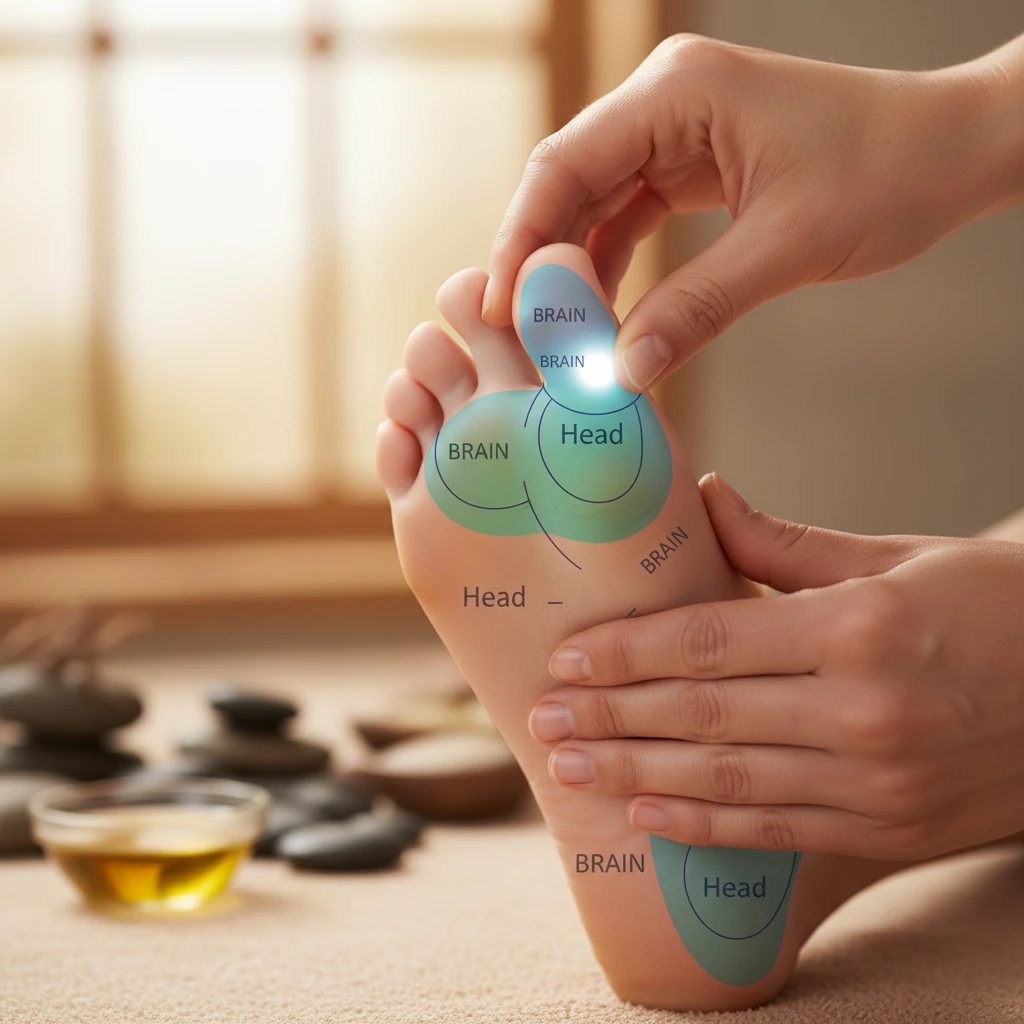
The cerebrum is the largest part of the brain, responsible for higher functions such as thought, voluntary action, language, reasoning, and memory. In reflexology, the reflex area for the cerebrum is typically found on the pads of the toes, particularly the big toe. By applying precise pressure to these specific points, practitioners aim to stimulate the neural pathways connected to the cerebrum, thereby encouraging enhanced cognitive activity. This targeted stimulation is believed to improve mental alertness, expedite information processing, and fortify the neural networks critical for sustained concentration and complex problem-solving. It’s a direct approach to waking up the brain’s highest functions.
Locating and Activating the Cerebrum Reflex Area
To effectively stimulate the cerebrum reflex, it is vital to accurately locate its corresponding area on the feet. The entire tip of the big toe, extending down to the ball of the toe, is generally considered the primary reflex point for the cerebrum. Other toes also contain smaller reflex points related to the brain. Activation typically involves using the thumb or finger to apply firm, consistent pressure, often with a circular motion or a sustained press-and-release technique. The pressure should be firm but comfortable, and individuals may feel a sensation ranging from a dull ache to a tingling, indicating that the reflex point is being engaged. Regular and consistent activation is key to eliciting long-term benefits.
Enhancing Neural Pathways and Synaptic Activity
The premise behind stimulating the cerebrum reflex point is to encourage better communication within the brain’s complex neural network. By improving blood flow and nerve conduction to the brain, reflexology may indirectly enhance synaptic activity – the process by which neurons communicate with each other. Improved synaptic efficiency translates to faster processing speeds, better memory recall, and an enhanced ability to focus on tasks without distraction. While not a direct neurological intervention, the systemic relaxation and circulatory improvements induced by reflexology create an optimal environment for neural health and function, ultimately bolstering cognitive capabilities.
Reflexology Techniques for Memory and Learning
Beyond general concentration, specific reflexology techniques can be employed to target aspects of memory and learning. Stimulating the cerebrum reflex, especially on the big toe, is thought to be particularly beneficial for these cognitive functions. Additionally, working the reflex points for the pituitary gland (base of the big toe), which influences growth and development, and the pineal gland (inner edge of the big toe), associated with sleep and circadian rhythms, can indirectly support memory consolidation and learning readiness. A well-rested and hormonally balanced brain is far more adept at retaining information and processing new concepts, making these holistic interventions crucial.
Improving Oxygenation to the Brain via Reflexology
Optimal brain function is heavily reliant on a consistent and adequate supply of oxygen. When the brain lacks sufficient oxygen, even temporarily, it can lead to symptoms such as fatigue, confusion, and reduced concentration. Reflexology can play a significant role in improving oxygenation by enhancing circulation throughout the body, particularly to the head and neck region. By stimulating reflex points associated with the respiratory and cardiovascular systems, reflexology promotes more efficient breathing and stronger blood flow, ensuring that oxygen-rich blood reaches the brain cells effectively. This direct enhancement of cerebral oxygen supply is a cornerstone of boosting mental clarity and sustained focus.
The Respiratory System Connection: Diaphragm and Lungs
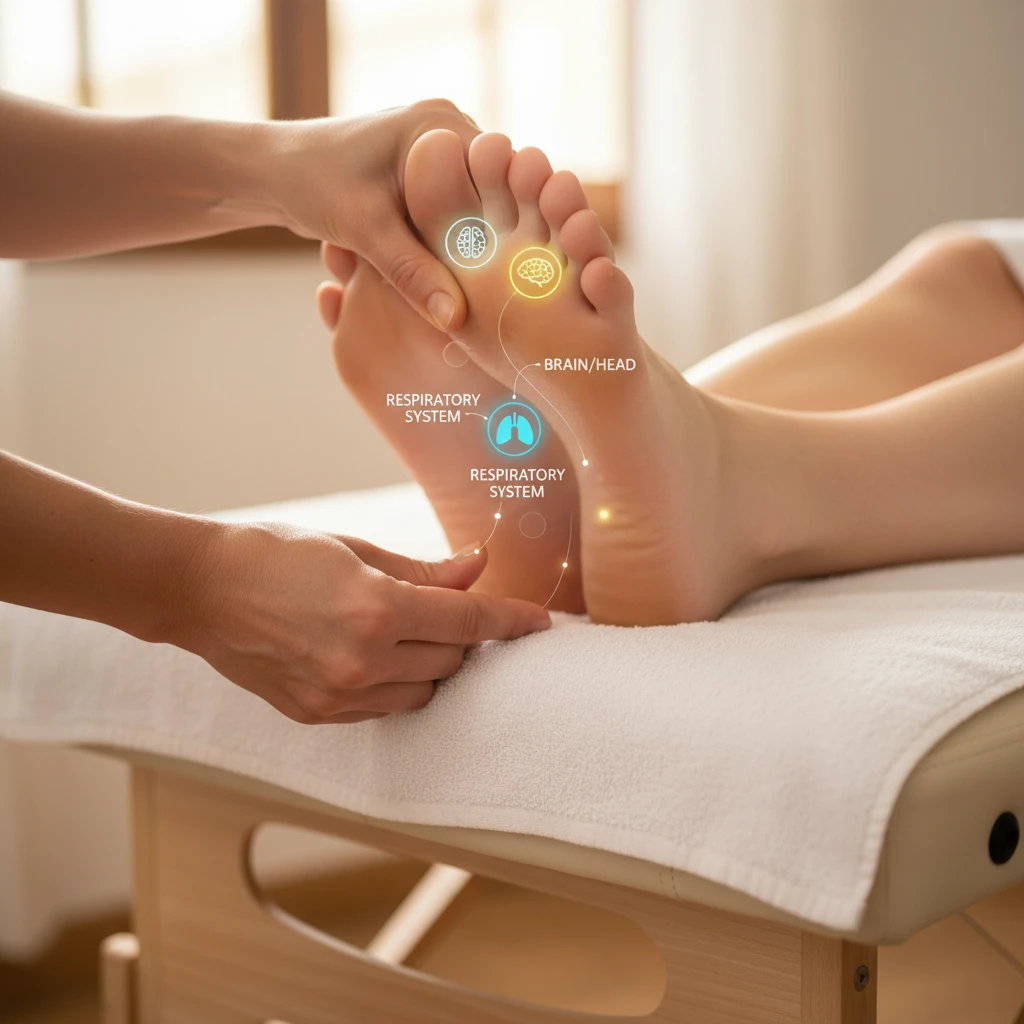
Efficient oxygen intake begins with a healthy respiratory system. Reflexology targets points related to the diaphragm, lungs, and bronchial tubes, primarily located on the balls of the feet. By working these reflexes, practitioners aim to release tension in the respiratory muscles, encouraging deeper and more effective breathing. Improved lung capacity and function mean more oxygen is absorbed into the bloodstream with each breath. This increase in systemic oxygen levels directly translates to a better oxygen supply for the brain, helping to dispel mental fogginess and enhance cognitive performance. Deep, diaphragmatic breathing also activates the parasympathetic nervous system, further promoting a state of calm focus.
Cardiovascular Reflexes for Better Blood Flow
Beyond oxygen intake, the efficient transport of oxygenated blood to the brain is paramount. Reflexology addresses this by stimulating reflex points corresponding to the heart and circulatory system. The heart reflex, located on the sole of the left foot, and various points along the instep associated with blood vessels, are worked to promote cardiovascular health. Improved circulation ensures that oxygen and essential nutrients are delivered efficiently to brain cells, while metabolic waste products are effectively carried away. This enhanced cerebral blood flow is critical for maintaining alertness, improving memory, and sustaining high levels of concentration throughout the day. A healthy circulatory system is the brain’s lifeline.
Practical Applications for Sustained Mental Energy
Incorporating reflexology to improve oxygenation has practical benefits for daily mental energy. Regular sessions can reduce feelings of lethargy and sharpen mental acuity, making it easier to tackle demanding cognitive tasks. For individuals experiencing afternoon slumps or difficulty maintaining focus during long work periods, targeting respiratory and cardiovascular reflexes can provide a natural boost. This improved oxygen supply helps stabilize blood sugar levels and reduces the buildup of adenosine, a neurochemical that promotes sleepiness. The result is a more consistent and sustained level of mental energy, reducing the reliance on artificial stimulants and fostering intrinsic cognitive resilience.
Reflexology Techniques for ADHD Support and Focus Enhancement
For individuals with Attention-Deficit/Hyperactivity Disorder (ADHD), challenges with concentration, impulsivity, and hyperactivity can significantly impact daily functioning. While reflexology is not a cure for ADHD, it can serve as a valuable complementary therapy within a broader management plan, primarily by promoting relaxation, reducing anxiety, and enhancing the body’s natural ability to self-regulate. By targeting specific reflex points, reflexology aims to calm an overactive nervous system, improve organizational functions, and foster a greater sense of internal balance, which can indirectly lead to improved focus and a reduction in disruptive symptoms. The goal is to create a more settled and receptive mental state.
Calming the Nervous System: Adrenal and Solar Plexus Reflexes
One of the primary ways reflexology supports individuals with ADHD is by helping to regulate an often overactive nervous system. Stress and anxiety can exacerbate ADHD symptoms, making concentration even more difficult. Reflex points for the adrenal glands, located near the arch of the foot, are worked to help balance the body’s stress response, potentially reducing the production of stress hormones like cortisol. The solar plexus reflex, found in the center of the ball of the foot, is a powerful point for inducing deep relaxation and calming the entire nervous system. Regular stimulation of these points can help mitigate anxiety, reduce feelings of overwhelm, and create a calmer internal environment conducive to better focus and impulse control.
Integrating Reflexology into a Holistic Management Plan
Reflexology should be seen as an adjunct to, not a replacement for, conventional ADHD treatments. When integrated into a holistic management plan that may include therapy, medication, dietary adjustments, and mindfulness practices, reflexology can significantly amplify positive outcomes. By promoting systemic balance and reducing physiological stress, it creates a more stable foundation for other interventions to be effective. Discussing the inclusion of reflexology with healthcare providers ensures a coordinated approach to managing ADHD, leveraging both conventional and complementary therapies for comprehensive support. Consistent practice is key to realizing these cumulative benefits over time.
Self-Application and Professional Sessions
Both professional reflexology sessions and self-application can be beneficial for ADHD support. Professional therapists offer a deeper understanding of reflex maps and advanced techniques, providing comprehensive and targeted treatments. However, individuals can also learn basic self-reflexology techniques to practice at home between sessions. Focusing on the cerebrum, pituitary, adrenal, and solar plexus reflexes for 10-15 minutes daily can provide ongoing support. Tools like reflexology charts and foot rollers can assist in self-application. Consistency, whether through professional care or self-practice, is crucial for maintaining the therapeutic benefits and fostering improved concentration and emotional regulation in the long term.
Practical Guide: How to Apply Reflexology for Concentration at Home
Incorporating reflexology into your daily routine is an accessible way to proactively enhance your concentration and mental clarity. While professional sessions offer deep therapeutic benefits, self-reflexology can provide ongoing support and immediate relief from mental fogginess. The key to effective self-application lies in understanding basic techniques and consistently practicing them. Dedicate a quiet time each day, even for just 10-15 minutes, to focus on these specific reflex points. This intentional practice not only stimulates the physical reflexes but also provides a meditative moment, further contributing to mental calm and focus.
Essential Tools and Preparation
You don’t need extensive equipment for self-reflexology, but a few items can enhance your experience. A comfortable, quiet space where you can sit or recline, allowing easy access to your feet, is paramount. A small amount of lotion or oil can help your fingers glide smoothly over the skin. You might also find a foot roller or a small, firm ball (like a tennis ball) useful for applying pressure to certain areas, especially if you have limited hand strength. Before you begin, take a few deep breaths to relax your body and mind, setting an intention for improved focus. Ensure your feet are clean and dry for optimal comfort and hygiene.
Step-by-Step Self-Reflexology Routine
Follow this simple routine to target concentration:
1. **Warm-up:** Begin by gently massaging your entire foot with your hands, using long strokes and kneading motions. This increases blood flow and relaxes the foot.
2. **Toes (Brain Reflexes):** Using your thumb and forefinger, gently pinch and squeeze each toe, from base to tip. Pay special attention to the big toe, which corresponds to the cerebrum. Apply firm pressure to the pad of the big toe using your thumb in small circular motions for 1-2 minutes.
3. **Solar Plexus (Stress Relief):** Locate the solar plexus reflex point in the center of the ball of your foot, just below the toes. Apply sustained, moderate pressure with your thumb for 30 seconds, then release. Repeat a few times. This helps calm the nervous system.
4. **Pituitary/Pineal Glands (Hormonal Balance):** The pituitary gland reflex is located at the center of the big toe pad, and the pineal gland reflex is slightly to the inner side of the big toe. Use your thumb to apply gentle, consistent pressure to these points.
5. **Adrenal Glands (Energy/Stress Response):** Find the adrenal reflex on the arch of your foot, roughly halfway between the ball and the heel, on the inner edge. Press and release this point with your thumb.
6. **Overall Relaxation:** Finish by gently stroking the entire foot again, from toes to heel, promoting a sense of calm and integration. Repeat the entire sequence on the other foot.
Consistency and Expected Outcomes
The benefits of reflexology for concentration are cumulative; consistency is key. Aim to perform this self-reflexology routine daily, preferably in the morning to set a focused tone for your day, or whenever you feel mental fatigue setting in. While individual experiences vary, with regular practice, you may notice an improvement in your ability to maintain focus, reduced mental fogginess, enhanced memory recall, and an overall sense of calm and mental clarity. It’s a journey of gentle self-care that empowers your cognitive functions. Further research on reflexology’s benefits can be found at NIH.
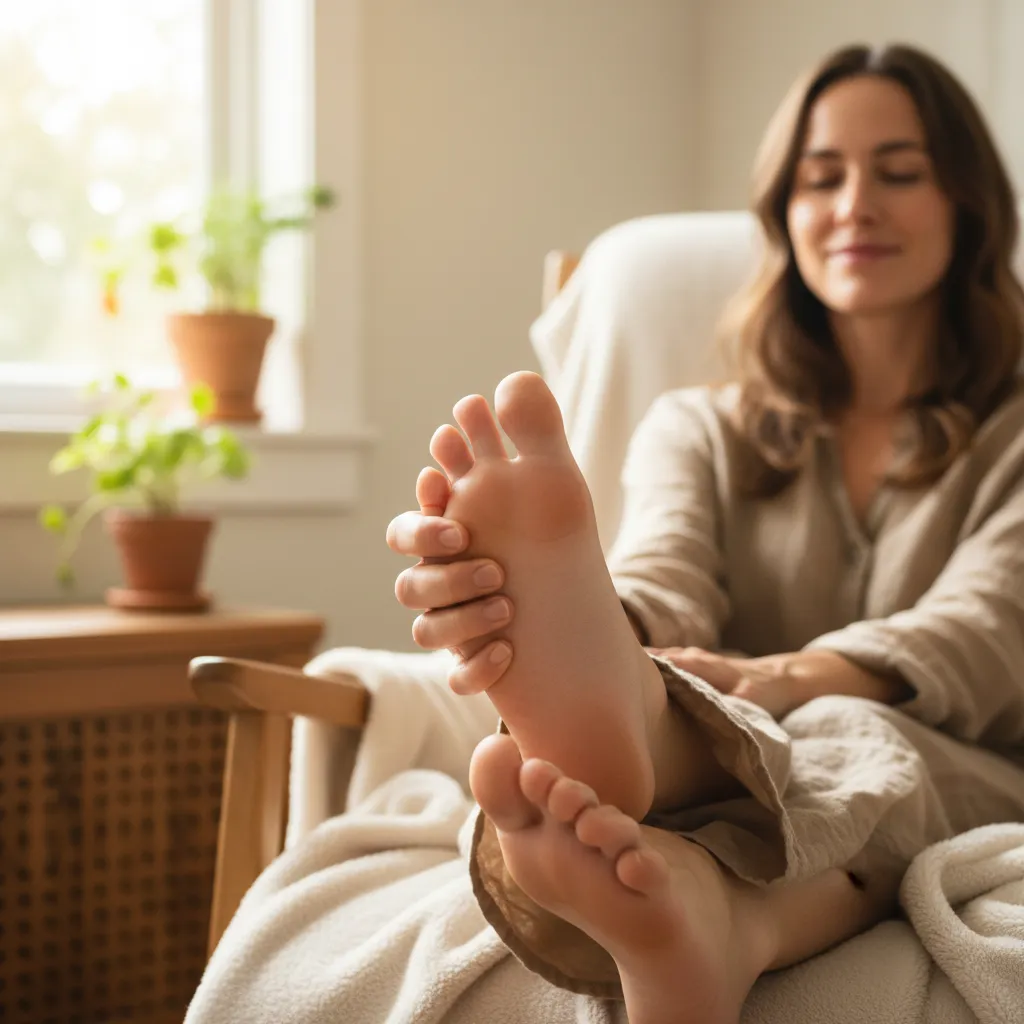
Reflexology offers a profound, non-invasive pathway to improving concentration and mental clarity. By tapping into the body’s innate healing mechanisms through targeted stimulation of reflex points, it addresses the physiological underpinnings of cognitive function. From clearing brain fog and optimizing oxygenation to supporting neural pathways and calming the nervous system, reflexology provides a holistic approach to enhancing mental acuity. Consistent practice, whether through professional sessions or self-application, can unlock a sustained state of focused awareness, empowering individuals to navigate their intellectual tasks with greater ease and precision. Embrace this ancient wisdom to cultivate a sharper, clearer mind and unlock your full cognitive potential.
People Also Ask
Does reflexology actually improve focus?
While more large-scale scientific studies are needed, many individuals report significant improvements in focus, mental clarity, and reduction of brain fog after consistent reflexology treatments. The theory suggests it works by improving circulation, calming the nervous system, and balancing hormones, all of which contribute to better cognitive function. By reducing stress and enhancing relaxation, reflexology creates an optimal environment for the brain to function more efficiently.
Which reflexology points are good for concentration?
Key reflexology points for concentration include the areas corresponding to the brain and head (on the tips of all toes, especially the big toe), the pituitary and pineal glands (on the big toe), the adrenal glands (mid-arch of the foot), and the solar plexus (center of the ball of the foot). Stimulating these points is believed to influence mental alertness, hormonal balance, and stress reduction, all vital for sustained focus.
How often should I do reflexology for mental clarity?
For optimal results in improving mental clarity and concentration, it is generally recommended to receive professional reflexology treatments once a week initially, then transitioning to bi-weekly or monthly sessions for maintenance. For self-reflexology at home, a daily practice of 10-15 minutes, focusing on the relevant points, can provide consistent benefits and reinforce professional treatments.
Can reflexology help with brain fog?
Yes, reflexology is often used to alleviate brain fog. It aims to do this by stimulating detoxification pathways (liver, kidneys, lymphatic system), balancing endocrine glands (thyroid, adrenals), and improving overall circulation, particularly to the brain. By addressing these systemic factors, reflexology helps clear mental fogginess and restore cognitive sharpness.
Is foot reflexology safe for everyone?
Foot reflexology is generally safe for most people, but certain conditions may require caution or avoidance. It’s advisable to consult with a healthcare provider before starting reflexology if you are pregnant, have circulatory issues (e.g., deep vein thrombosis), severe foot injuries, contagious foot conditions, or unstable health conditions. A qualified reflexologist will also conduct a thorough health intake to ensure safety.
What are the immediate effects of reflexology on the brain?
Immediately after a reflexology session, many people report feeling deeply relaxed, calm, and mentally clearer. Some describe a sensation of lightness or