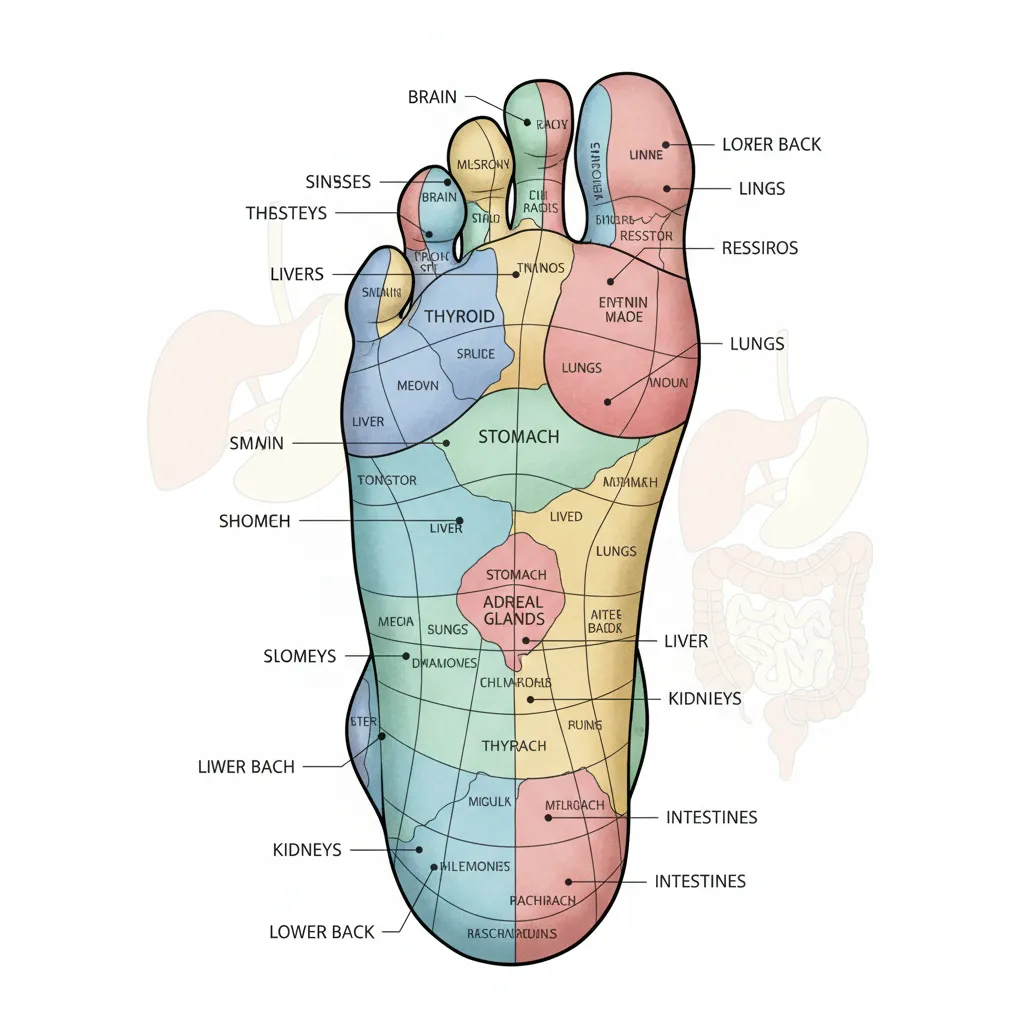
Reflexology for IBS involves applying pressure to specific reflex points on the feet, hands, or ears that correspond to different organs and systems, including the digestive tract. This complementary therapy aims to restore balance, reduce stress, and alleviate common Irritable Bowel Syndrome symptoms such as abdominal pain, bloating, diarrhea, and constipation by stimulating the body’s natural healing capabilities.
Calming the Enteric Nervous System through Reflexology
The enteric nervous system (ENS), often dubbed the “second brain,” is a complex network of neurons lining the gastrointestinal tract, independently managing digestion from the esophagus to the anus. In individuals with Irritable Bowel Syndrome (IBS), this intricate system can become hyper-responsive or dysregulated, leading to the characteristic symptoms of abdominal pain, altered bowel habits, and discomfort. Reflexology offers a non-invasive approach to influence the ENS, promoting a state of calm and improved functionality.
Reflexology posits that by applying precise pressure to specific points on the feet, hands, or ears, practitioners can stimulate corresponding organs and nerve pathways. For the ENS, the key reflex points are primarily located on the arch and sole of the foot, which are believed to mirror the entire digestive tract. Stimulating these areas can send signals via the nervous system, potentially modulating the ENS activity. This modulation helps to reduce the overactivity or underactivity that contributes to IBS symptoms, encouraging more balanced digestive function.
The act of reflexology itself is profoundly relaxing. The deep relaxation induced by a session can significantly impact the ENS, as stress is a well-known trigger and exacerbator of IBS symptoms. When the body is relaxed, the parasympathetic nervous system (the “rest and digest” system) becomes more active. This shift directly counters the effects of chronic stress, which typically activates the sympathetic nervous system (the “fight or flight” response), often leading to digestive distress. By calming the overall nervous system, reflexology helps to indirectly soothe and rebalance the ENS, creating a more harmonious environment for digestion.
Specific reflex points targeted for calming the ENS include those corresponding to the diaphragm, solar plexus, and adrenal glands, in addition to the direct digestive reflexes. The diaphragm point, located on the ball of the foot, helps to regulate breathing and reduce tension. The solar plexus point, often considered the body’s “stress button” and found in the central arch, is crucial for promoting deep relaxation and reducing overall nervous tension. Stimulating adrenal gland points can help to normalize the body’s stress response, thereby reducing the impact of stress hormones on the gut. Through a combination of direct digestive stimulation and systemic relaxation, reflexology provides a multi-faceted approach to restoring enteric nervous system harmony and alleviating the core discomforts of IBS.
How Reflexology Affects Gut Motility
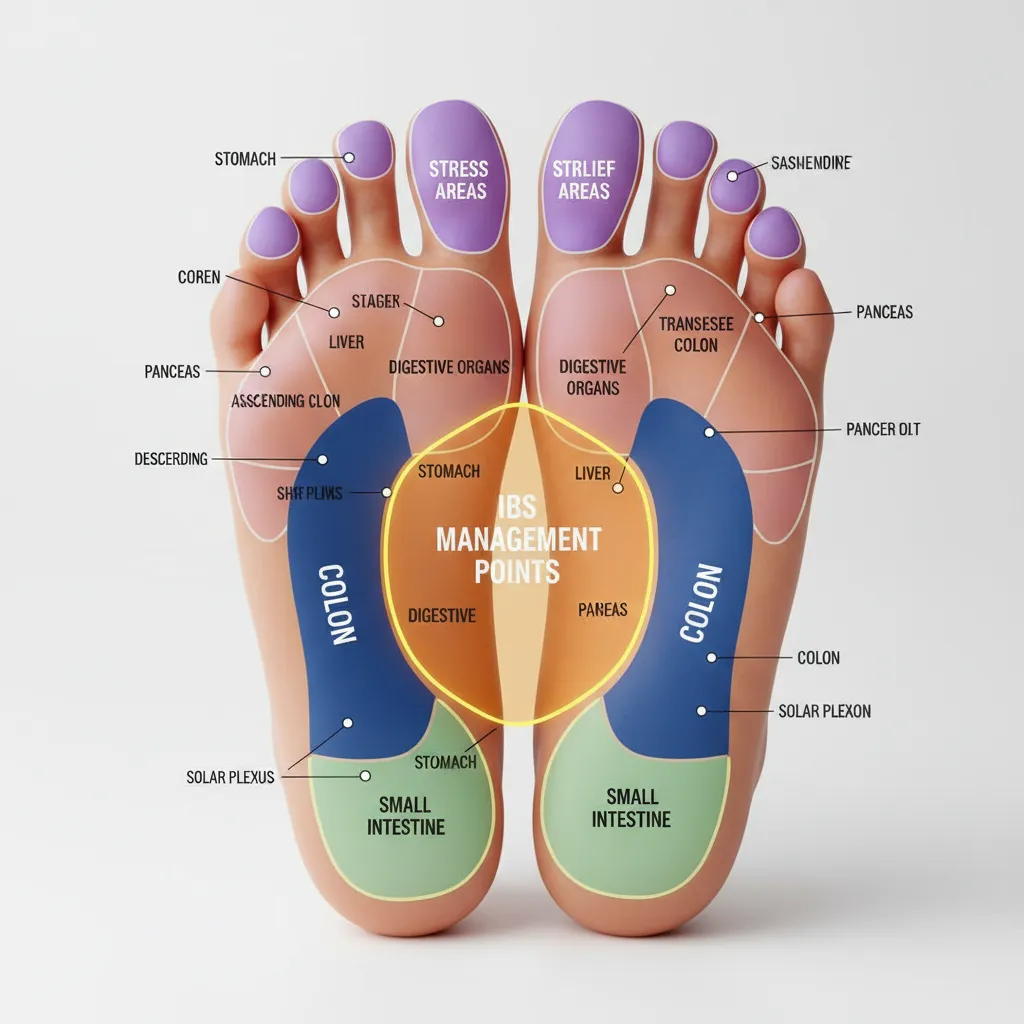
Gut motility, the muscular contractions that move food through the digestive tract, is often irregular in IBS patients, leading to either rapid transit (diarrhea) or slow transit (constipation). Reflexology aims to normalize these contractions by influencing the autonomic nervous system. By working specific reflex points related to the small and large intestines, reflexologists seek to encourage peristalsis—the wave-like contractions that propel contents through the gut—to occur at a more optimal pace. This targeted stimulation can help to prevent both the excessive contractions associated with diarrhea and the sluggish movement that leads to constipation, thereby restoring a more regular and comfortable bowel pattern. The gentle yet firm pressure applied during a session is thought to send signals that re-educate the gut, promoting a more balanced and efficient digestive rhythm.
Targeted Relief: Reflexology Points for Diarrhea and Constipation
IBS manifests in various forms, often characterized by predominant diarrhea (IBS-D) or predominant constipation (IBS-C). While general digestive support is beneficial, reflexology offers specific techniques and points tailored to address these distinct symptoms. The goal is to encourage the body’s self-regulatory mechanisms to restore balance, whether that means slowing down an overactive bowel or stimulating a sluggish one.
Reflexology Points for IBS-D (Diarrhea Predominant)
For individuals experiencing frequent diarrhea, the reflexology approach focuses on calming the digestive system and reducing hypermotility. Key points include:
- Small Intestine and Large Intestine Reflexes: These points, located on the mid-arch and outer edge of the foot respectively, are worked with gentle, calming pressure. The aim is not to stop movement entirely, but to regulate it, reducing the frantic contractions that lead to urgent, loose stools. Slow, sustained pressure is often more effective here.
- Solar Plexus: As a major nerve center, stimulating the solar plexus point (found in the center of the foot’s arch) helps to induce deep relaxation and reduce overall nervous system excitability, which is often a significant factor in IBS-D.
- Adrenal Glands: Located just below the ball of the foot, stimulating these points can help balance the body’s stress response, a known trigger for diarrheal episodes. Calming the adrenals can reduce the physiological cascade that leads to gut hyperactivity.
- Ileocecal Valve: This point, often found near the outer edge of the right foot, corresponds to the valve between the small and large intestines. Gentle work here can help regulate the flow of digested material, preventing rapid transit.
The pressure for IBS-D should be lighter and more soothing, focusing on sustained holds rather than vigorous stimulation, to encourage a sedative effect on the overactive bowel.
Reflexology Points for IBS-C (Constipation Predominant)
Conversely, for IBS-C, the strategy involves stimulating sluggish bowel movements and promoting evacuation. The pressure applied tends to be firmer and more rhythmic to encourage activity. Key points include:
- Small Intestine and Large Intestine Reflexes: These same points are used, but with a different technique. A firmer, rhythmic pressure, often sweeping in the direction of natural peristalsis (up the ascending colon, across the transverse, and down the descending colon reflexes on the foot), is applied to encourage movement.
- Rectum and Anus Reflexes: Located on the heel of the foot, these points are specifically worked to stimulate the lower bowel and facilitate defecation. Firm, circular movements can be beneficial.
- Spine Reflexes: Running along the inner edge of the foot, the spine reflexes can help to stimulate nerve pathways that support bowel function. Gentle but firm thumb walking along this line can be employed.
- Diaphragm and Solar Plexus: While primarily relaxing, stimulating these points can also indirectly aid in releasing tension that might be contributing to constipation. Deep breathing exercises during the session can enhance this effect.
For IBS-C, the focus is on activation and gentle stimulation, promoting the natural rhythm of peristalsis and encouraging the expulsion of waste. It’s crucial for individuals to also maintain adequate hydration and dietary fiber alongside reflexology to maximize benefits for constipation.
Alleviating Abdominal Pain and Discomfort with Reflexology
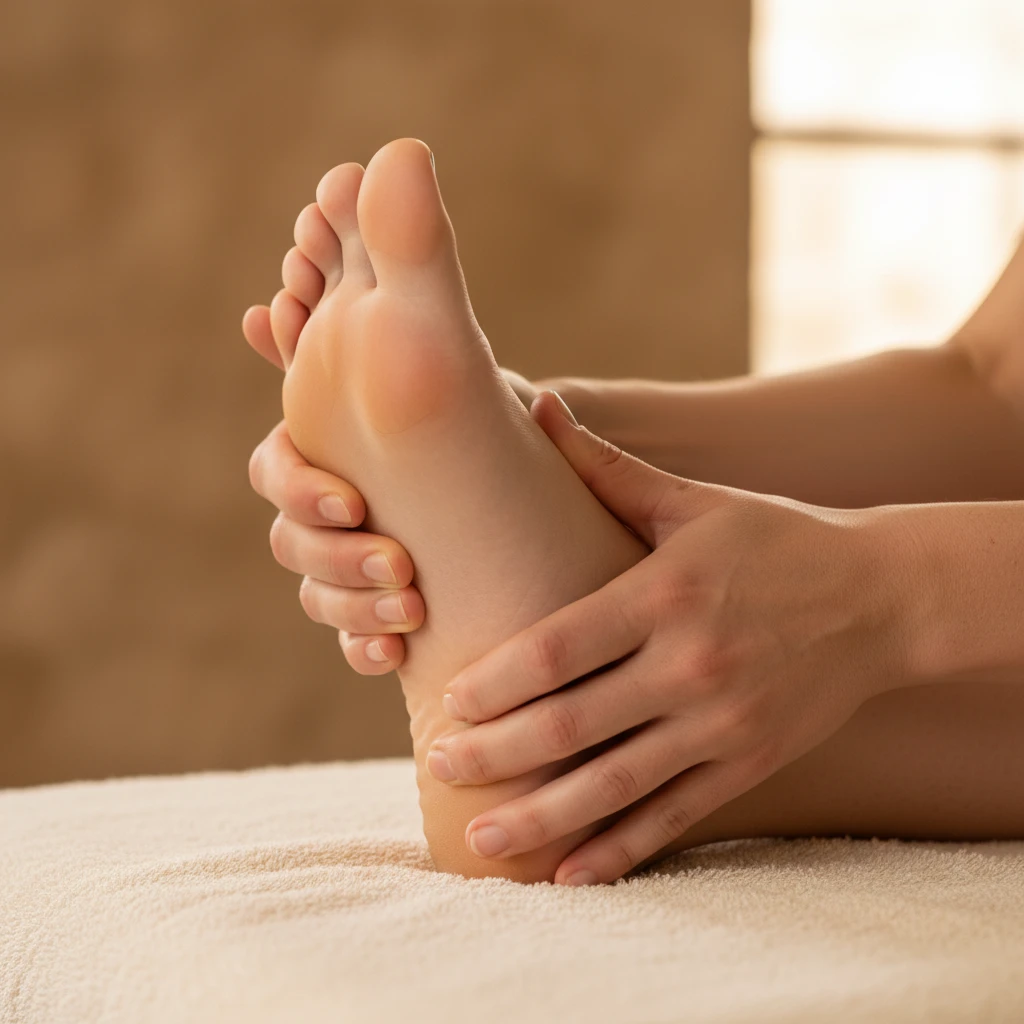
Abdominal pain and discomfort are hallmarks of Irritable Bowel Syndrome, often described as cramping, bloating, or a dull ache. This pain can be debilitating, significantly impacting quality of life. Reflexology offers a unique pathway to address this pain, not just by directly targeting digestive organs but also by influencing the body’s pain perception and overall relaxation response.
Mechanisms of Pain Reduction through Reflexology
The efficacy of reflexology in reducing IBS-related abdominal pain is thought to stem from several interconnected mechanisms:
- Nerve Pathway Stimulation: Reflexologists believe that stimulating specific reflex points sends impulses through nerve pathways to the corresponding organs. For abdominal pain, working the reflexes for the stomach, small intestine, and large intestine can help to regulate their function, potentially reducing the spasmodic contractions or excessive gas that contribute to discomfort.
- Endorphin Release: Like other forms of therapeutic touch, reflexology can stimulate the release of endorphins, the body’s natural pain-relieving chemicals. These neurochemicals can reduce the perception of pain and induce a sense of well-being, providing significant relief from chronic abdominal discomfort.
- Improved Blood Circulation: Pressure applied during reflexology can enhance blood flow to the reflex areas and, by extension, to the corresponding internal organs. Improved circulation can aid in delivering oxygen and nutrients, and removing metabolic waste, which can reduce inflammation and muscle tension contributing to pain.
- Relaxation Response and Stress Reduction: As discussed, reflexology is deeply relaxing. When the body enters a state of relaxation, muscle tension throughout the body, including the abdominal muscles, decreases. This reduction in tension can directly alleviate cramping and generalized abdominal soreness often experienced by IBS sufferers. Moreover, by reducing stress, reflexology dampens the gut-brain axis’s negative feedback loop, where stress exacerbates gut symptoms and gut symptoms increase stress.
- Visceral Hypersensitivity Modulation: Many IBS patients experience visceral hypersensitivity, meaning their gut is overly sensitive to normal stimuli, leading to pain. While more research is needed, some theories suggest that reflexology’s systemic calming effect could potentially help to modulate this heightened sensitivity, making the gut less reactive to internal processes.
Key Reflex Points for Abdominal Pain
To specifically target abdominal pain, a reflexologist will typically focus on:
- Digestive Organs: The reflexes for the stomach, pancreas, small intestine, and the entire large intestine are thoroughly worked. These are primarily located on the arch and sole of the foot. Gentle, soothing pressure for cramping pain and firmer, circulating movements for bloating can be adapted.
- Diaphragm and Solar Plexus: These points (on the ball and central arch of the foot, respectively) are crucial for releasing tension and promoting overall relaxation, which directly impacts abdominal muscle relaxation.
- Spine Reflexes: Working along the inner edge of the foot (the spine reflex) can help to alleviate referred pain or tension originating from the back that may contribute to abdominal discomfort.
- Vagus Nerve: While not a single specific point, the vagus nerve’s influence on gut function and pain perception is immense. Reflexology on areas that calm the nervous system (like the solar plexus or neck reflexes on the foot/hand) can indirectly support vagal tone, which is beneficial for pain management. For more information on the vagus nerve and its role in gut health, you might find resources from the National Institutes of Health (NIH) helpful.
By addressing the root causes of tension, modulating nerve signals, and promoting a state of relaxation, reflexology offers a powerful complementary tool for managing the often-debilitating abdominal pain associated with IBS.
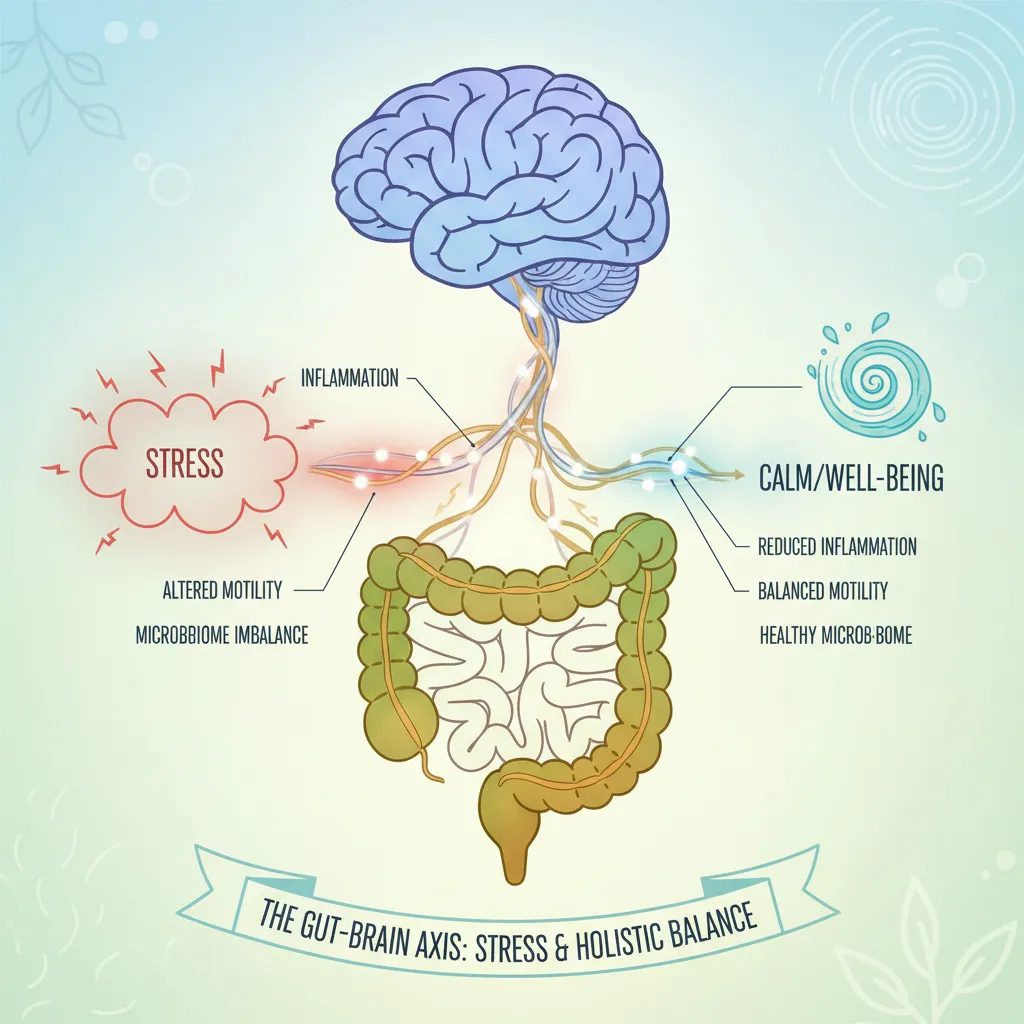
The Gut-Brain Axis: Stress Management for Enhanced Gut Health
The intricate connection between the brain and the gut, known as the gut-brain axis, plays a pivotal role in digestive health. For individuals with IBS, this communication pathway often becomes dysregulated, meaning that stress, anxiety, and other emotional factors can directly exacerbate gut symptoms, and vice versa. Managing stress is therefore not just a general wellness recommendation but a critical component of effective IBS management. Reflexology stands out as a powerful tool in this regard, offering both direct and indirect benefits for stress reduction and gut-brain axis balance.
The Stress-IBS Connection
When the body experiences stress, the brain sends signals to the gut, activating the sympathetic nervous system and releasing stress hormones like cortisol. This can lead to a cascade of effects on the digestive system: altered gut motility, increased gut permeability (leaky gut), changes in gut microbiota composition, and heightened visceral sensitivity. These changes directly contribute to IBS symptoms, creating a vicious cycle where gut discomfort causes stress, which in turn worsens gut discomfort.
Reflexology’s Role in Stress Reduction
Reflexology’s primary impact on stress management is through its ability to induce deep relaxation. The therapeutic touch and focused attention during a session can trigger the parasympathetic nervous system, shifting the body from a ‘fight or flight’ state to a ‘rest and digest’ state. This physiological shift has several profound benefits:
- Lowered Cortisol Levels: Regular reflexology sessions can help to reduce circulating stress hormones like cortisol, thereby lessening their detrimental impact on the gut.
- Enhanced Endorphin Release: The release of endorphins not only alleviates pain but also promotes feelings of well-being and calmness, directly counteracting anxiety and stress.
- Improved Sleep Quality: Stress often disrupts sleep, which in turn can worsen IBS. Reflexology can improve sleep patterns, allowing the body and gut to repair and regulate more effectively.
- Mental Clarity and Emotional Balance: Many clients report a sense of mental clarity and emotional equilibrium after reflexology, which can help them cope better with daily stressors and reduce their impact on the gut.
Key Reflex Points for Stress Management and the Gut-Brain Axis
While the entire reflexology session is inherently relaxing, specific points are emphasized to maximize stress reduction and support the gut-brain connection:
- Solar Plexus: This central point on the foot’s arch is often called the body’s “stress button.” Gentle, sustained pressure here is incredibly calming and helps to release accumulated tension.
- Diaphragm: Located below the ball of the foot, working this point encourages deeper, more regulated breathing, which is a powerful tool for stress reduction.
- Pituitary, Pineal, and Hypothalamus Glands: These endocrine gland reflexes, found on the big toe, are crucial for hormone regulation and sleep cycles. Balancing these can significantly impact overall stress resilience.
- Spine and Nerve Reflexes: The entire spine reflex (along the inner edge of the foot) helps to relax the central nervous system, which directly communicates with the ENS. Specific nerve reflexes can also be worked to soothe nervous tension.
- Adrenal Glands: Located just below the ball of the foot, stimulating these points can help to normalize the body’s response to stress over time, preventing chronic overactivity.
By consistently engaging these stress-reducing reflexes, reflexology helps to reset the gut-brain axis, fostering a more resilient and balanced internal environment. This not only mitigates existing IBS symptoms but also builds a stronger defense against future stress-induced flare-ups, demonstrating the profound holistic benefits of this therapy. For further understanding of the gut-brain connection, resources like those from the Harvard Medical School provide excellent insights.
Practical Application: Integrating Reflexology into Your IBS Self-Care
While seeking treatment from a certified reflexologist is highly recommended for comprehensive IBS management, incorporating simple self-reflexology techniques into your daily routine can significantly augment its benefits. Consistent self-care empowers you to take an active role in managing your symptoms and promoting overall gut health.
Getting Started with Self-Reflexology
Self-reflexology can be performed on the feet or hands. Many find working on the feet more effective due to their larger reflex areas, but hand reflexology is convenient for on-the-go relief. Here’s how to begin:
- Comfort is Key: Find a comfortable, quiet place where you can relax. You can sit on a chair, couch, or floor.
- Warm-up: Start by gently warming up your feet or hands. Massage them generally, flex and point, and rotate your ankles or wrists to increase circulation.
- Tools: You can use your thumbs, fingers, knuckles, or even a small, smooth ball (like a golf ball or lacrosse ball) for deeper pressure. A small amount of lotion or oil can help your fingers glide smoothly.
- Pressure: Apply firm but comfortable pressure. It should feel therapeutic, not painful. If you encounter a tender spot, reduce pressure and hold it for a few seconds, then release. Tenderness often indicates an imbalanced corresponding area.
- Duration: Aim for 10-15 minutes per foot or hand, once or twice a day. Even 5 minutes can be beneficial.
IBS-Specific Self-Reflexology Techniques
Focus on the key reflex areas for IBS:
- Digestive Tract Reflexes:
- Small Intestine: On the sole of the foot, just below the ball of the foot and above the arch. Use your thumb to walk across this area in small steps.
- Large Intestine: Follow the natural path of the colon on your right foot (up the outer edge to the ball, across to the inner edge) and left foot (across the ball, down the outer edge). Imagine tracing the ascending, transverse, and descending colon. Use firm, sweeping motions in the direction of bowel movement (clockwise on the right foot, counter-clockwise on the left).
- Stomach/Pancreas: On the ball of the foot, just below the big toe on both feet. Use circular motions.
- Solar Plexus: Find the soft spot in the center of the arch of each foot. Apply gentle but firm pressure with your thumb or knuckle, holding for 30-60 seconds while taking deep breaths. This is excellent for immediate stress relief.
- Adrenal Glands: Located just below the ball of the foot, slightly towards the inside. Use sustained pressure to help balance stress response.
- Spine: Run your thumb along the inner edge of each foot, from heel to toe. This helps calm the nervous system.
- Diaphragm: The horizontal line just below the ball of the foot. Work this area to promote deep breathing and tension release.
Remember that consistency is key. Daily practice, even for short durations, can yield significant cumulative benefits. Pay attention to how your body responds and adjust techniques or duration as needed. Self-reflexology is a gentle, empowering way to support your gut health and manage IBS symptoms between professional sessions.
Integrating Reflexology into Your Comprehensive IBS Management Plan
Reflexology is a powerful complementary therapy, but it is most effective when integrated into a holistic and comprehensive IBS management plan. It should not replace conventional medical advice or treatments but rather work alongside them to enhance overall well-being and symptom control. A truly effective approach to IBS involves a multi-faceted strategy that addresses diet, lifestyle, stress, and medical interventions.
A Synergistic Approach for Optimal Results
Consider how reflexology can synergize with other aspects of your IBS care:
- Dietary Management: Many individuals with IBS find relief through dietary adjustments, such as following a low-FODMAP diet, identifying trigger foods, or increasing fiber intake. Reflexology can help calm the digestive system, making it potentially more receptive to dietary changes and reducing discomfort during the transition phase or when accidental triggers are consumed.
- Stress Reduction Techniques: Reflexology is an excellent tool for stress management, complementing practices like meditation, yoga, mindfulness, and deep breathing exercises. The deep relaxation induced by reflexology can make other stress-reducing activities more effective by priming the body and mind for calm.
- Regular Exercise: Physical activity is known to improve gut motility, reduce stress, and enhance overall mood. Reflexology can help alleviate muscle tension or fatigue that might hinder exercise, encouraging a more active lifestyle.
- Conventional Medical Care: Continue to work closely with your gastroenterologist or healthcare provider. Reflexology can help manage symptoms and improve quality of life, but it’s essential for your doctor to monitor your condition, adjust medications if necessary, and rule out other potential issues. Share your experiences with reflexology with your medical team to ensure a coordinated approach to your health.
- Hydration and Sleep Hygiene: Ensuring adequate water intake and consistent, restful sleep are fundamental to gut health. Reflexology, by promoting relaxation, can contribute to better sleep, and the overall emphasis on well-being encourages better hydration habits.
Finding a Qualified Reflexologist
When seeking professional reflexology for IBS, it’s crucial to find a certified and experienced practitioner. Look for someone who:
- Has formal training and certification from a recognized institution.
- Is a member of a professional reflexology association (e.g., American Reflexology Certification Board, Association of Reflexologists in the UK).
- Has experience working with digestive disorders or chronic conditions like IBS.
- Listens to your specific symptoms and tailors sessions to your needs.
A qualified reflexologist will conduct a thorough intake, discuss your health history, and explain their approach. They will also advise on the frequency of sessions, which often start weekly and then taper off as symptoms improve.
By thoughtfully integrating reflexology into your broader IBS management strategy, you can unlock its full potential to soothe your digestive system, reduce stress, and ultimately achieve a greater sense of balance and well-being. This holistic approach empowers you to navigate the complexities of IBS with enhanced control and comfort.
People Also Ask
Is reflexology scientifically proven for IBS?
While more large-scale clinical trials are needed, existing research and anecdotal evidence suggest reflexology can be beneficial for managing IBS symptoms, primarily by reducing stress, improving gut motility, and alleviating pain. Studies often highlight its positive impact on quality of life and symptom severity. It’s considered a complementary therapy that can work alongside conventional treatments.
How often should I get reflexology for IBS?
The frequency of reflexology sessions for IBS can vary depending on individual symptoms and severity. Initially, a practitioner might recommend weekly sessions for 4-6 weeks to establish a baseline of relief. As symptoms improve, sessions may be reduced to bi-weekly, monthly, or on an as-needed basis for maintenance or during flare-ups. Consistency is often key to achieving lasting benefits.
Can reflexology cure IBS?
Reflexology is not considered a cure for IBS, as IBS is a chronic condition without a definitive cure. However, reflexology can be a highly effective complementary therapy for managing and significantly reducing the severity and frequency of IBS symptoms. It focuses on bringing the body into a state of balance and promoting its natural healing abilities, thereby improving quality of life for those with IBS.
Are there any side effects of reflexology for IBS?
Reflexology is generally considered safe with few side effects. Some individuals may experience temporary reactions such as increased bowel activity, fatigue, heightened emotional state, or mild soreness in the treated areas immediately after a session. These are usually mild and short-lived, often interpreted as the body’s response to releasing toxins or rebalancing. Always consult a qualified practitioner and your doctor if you have concerns.