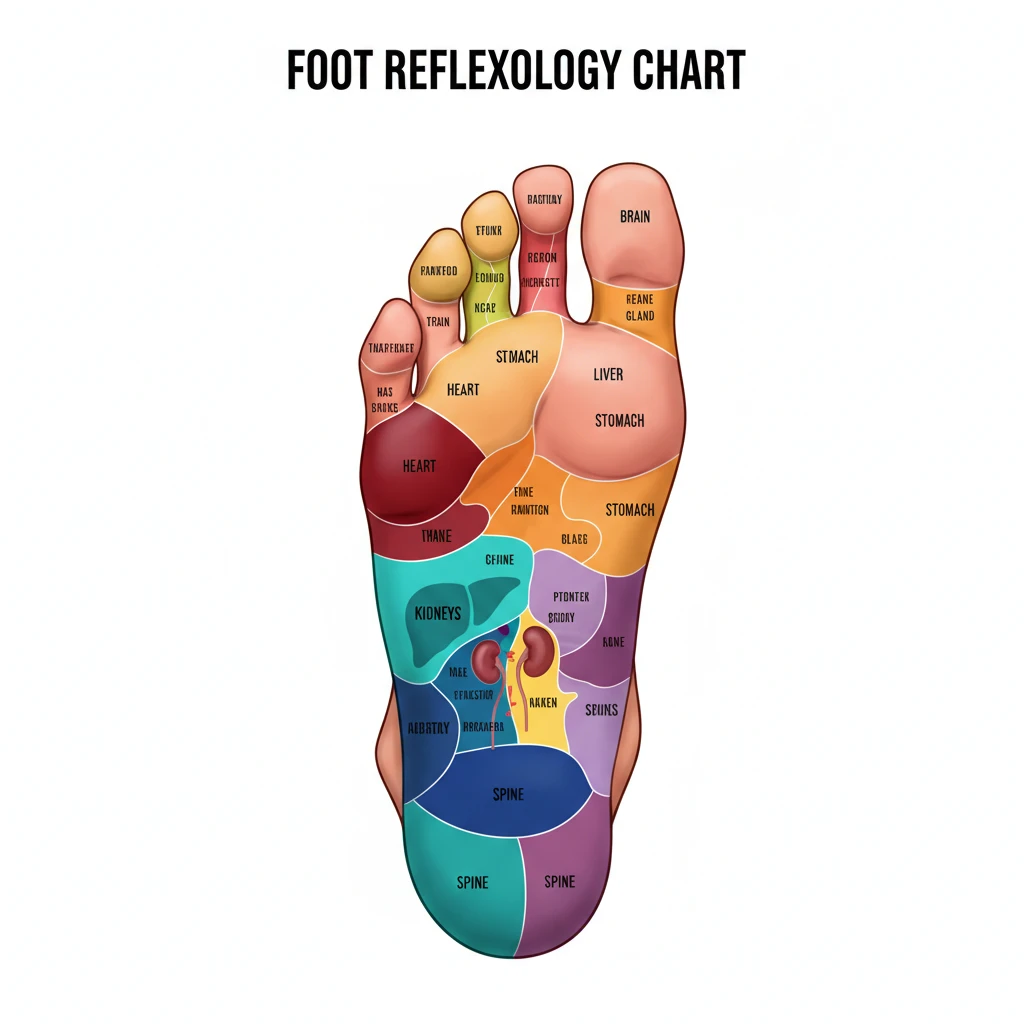
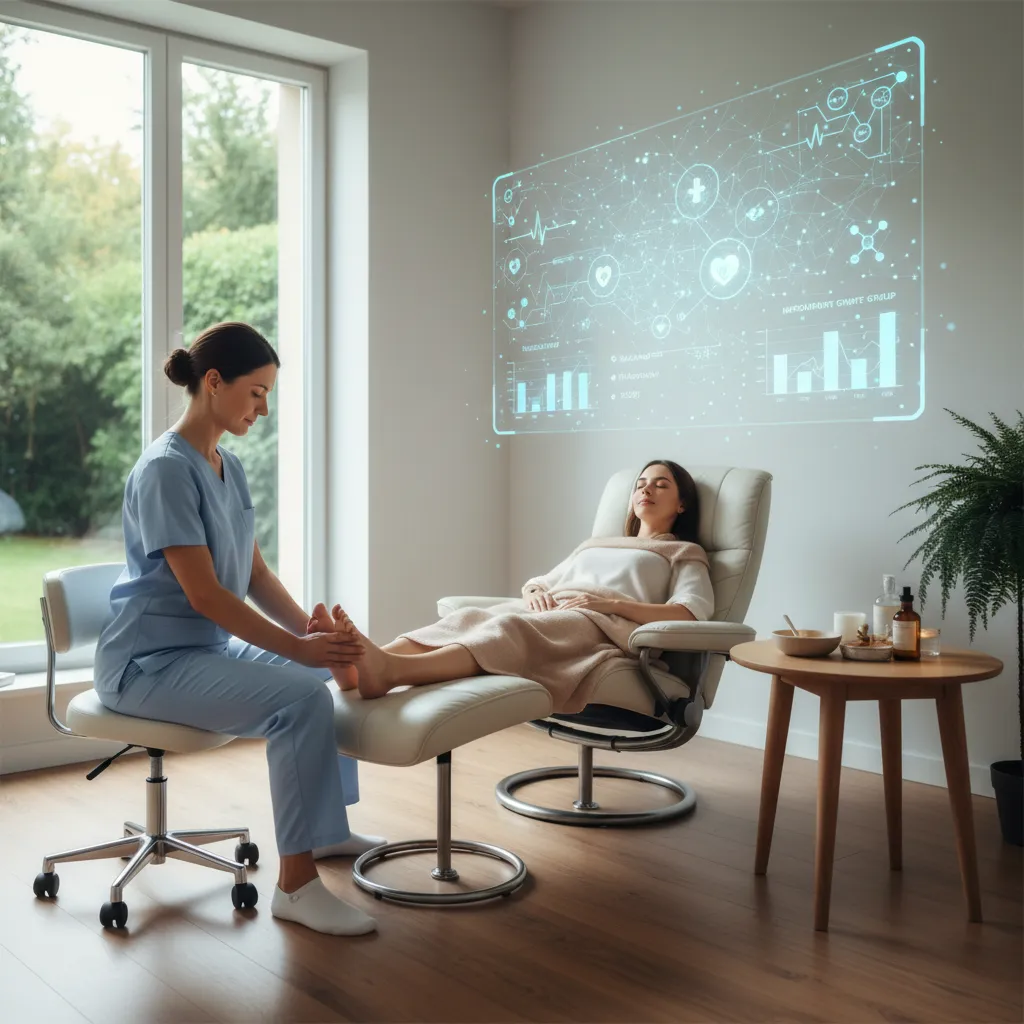
How does reflexology work science? Scientifically, reflexology works by stimulating thousands of nerve endings in the feet, hands, and ears that correspond to specific glands and organs. This pressure sends electrochemical signals through the central nervous system to the brain, which then regulates the autonomic nervous system, modulates pain pathways, and enhances blood flow by inducing a deep physiological relaxation response.
Introduction
Reflexology is often misunderstood as a simple foot massage, but its roots and mechanisms dive much deeper into human physiology. While it is an ancient practice dating back to Egyptian and Chinese civilizations, modern inquiry seeks to answer a pressing question: how does reflexology work science-wise? For residents seeking Reflexology Auckland services or patients worldwide looking for complementary therapies, understanding the biological and neurological basis of this treatment is essential for validating its efficacy.
The practice rests on the premise that specific points on the feet, hands, and ears (reflex points) map directly to other parts of the body. When a practitioner applies specialized thumb and finger techniques to these points, it is believed to trigger a healing response in the corresponding organ or system. But does this hold up to scrutiny? The scientific community has proposed several theories ranging from neurological reflex arcs to the manipulation of the body’s electromagnetic field. This comprehensive guide explores the physiological mechanisms, neurological pathways, and clinical studies that explain how reflexology impacts human health. For a more extensive look at the fundamentals, refer to our article on Understanding Reflexology: A Comprehensive Guide.
The Core Mechanism: Nerve Impulse Theory
The most widely accepted scientific explanation for reflexology is the Nerve Impulse Theory. The human foot is an engineering marvel, containing 26 bones, 33 joints, and more than 7,000 nerve endings. These nerve endings are primarily receptors that communicate directly with the Central Nervous System (CNS).
The Neural Pathway
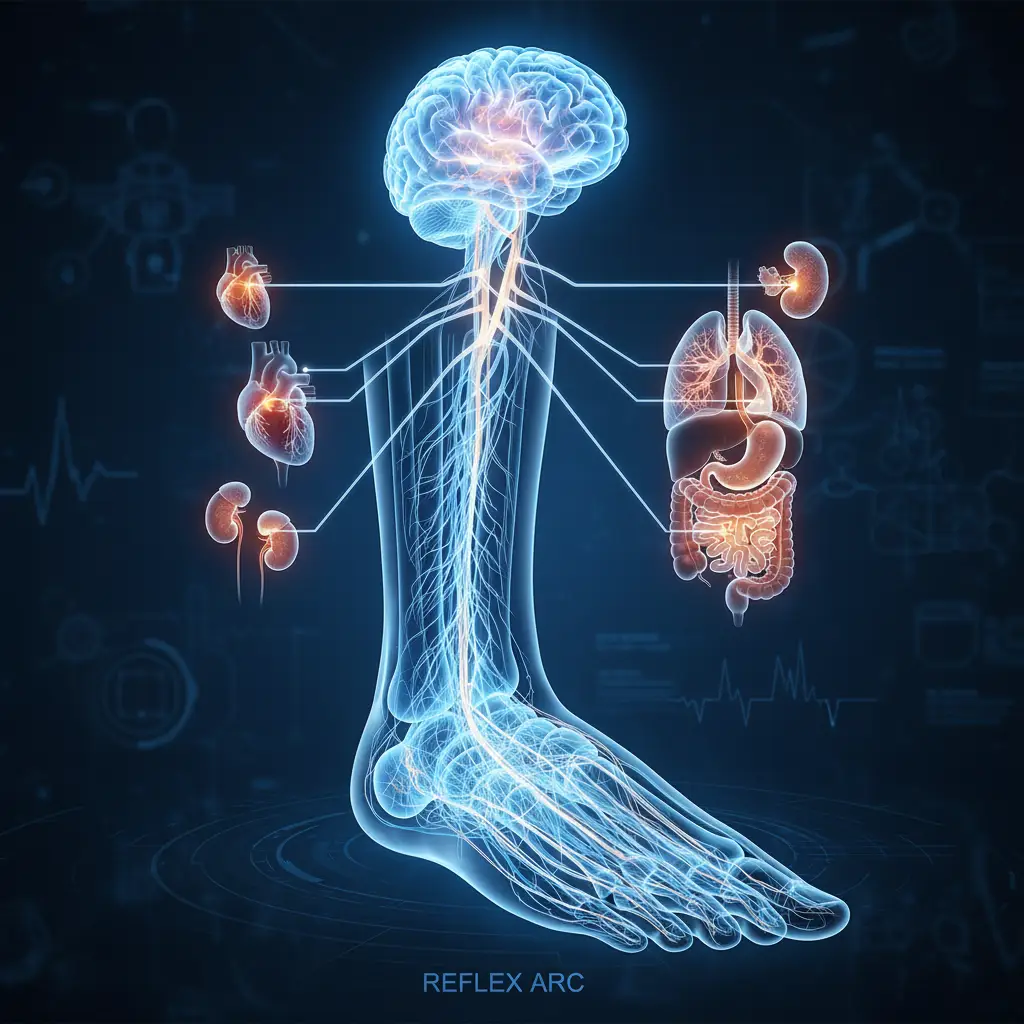
When a reflexologist applies pressure to a specific area of the foot, they stimulate somatic nerve endings. This stimulation generates an electrochemical impulse that travels along the afferent neurons toward the spinal cord. From the spinal cord, the signal is transmitted to the brain, specifically the cerebral cortex and the limbic system.
Once the brain processes this sensory input, it sends a response via efferent neurons to the specific organ or muscle group associated with that reflex point. This creates a “reflex arc.” For example, pressure on the big toe (associated with the head and brain) may signal the nervous system to reduce tension in the cranial region.
The Gate Control Theory of Pain
Closely related to nerve transmission is the Gate Control Theory of Pain, proposed by Melzack and Wall in 1965. This theory suggests that the spinal cord contains a neurological “gate” that either blocks pain signals or allows them to continue on to the brain.
Reflexology provides a non-painful sensory input (pressure and touch) that travels faster than dull, chronic pain signals. By flooding the nervous system with these tactile messages, reflexology essentially “closes the gate” to pain signals, preventing them from reaching the brain. This explains why many clients experience immediate pain relief during a session, even in areas of the body far removed from the feet.
Zone Theory and Meridian Connections
While the nerve impulse theory addresses the “hardware” of the body, Zone Theory addresses the “software” or organizational structure. Developed in the early 20th century by Dr. William Fitzgerald and later refined by Eunice Ingham, Zone Theory is the foundation of modern reflexology mapping.
The Ten Zones
According to this theory, the body is divided longitudinally into ten vertical zones—five on the right side and five on the left. These zones run from the tips of the toes up to the top of the head and down to the fingertips.
- Zone 1: Corresponds to the thumb and big toe, running up the center of the body.
- Zone 5: Corresponds to the pinky finger and smallest toe, running up the outer edge of the body.
Every organ, valve, muscle, and bone that lies within a specific zone can be accessed via a reflex point in the corresponding zone on the foot or hand. For instance, the kidneys are located in zones 2 and 3; therefore, stimulating zones 2 and 3 on the foot impacts kidney function.
Meridians and Energy Flow (Qi)
While Zone Theory is structural, it shares similarities with the concept of Meridians found in Traditional Chinese Medicine (TCM). Meridians are energy channels through which Qi (life force energy) flows. Blockages in this flow lead to illness. Although “Qi” is difficult to measure with conventional Western instruments, researchers investigate this through the lens of bio-electricity. The body is electrically active; every cell functions like a battery. Reflexology is thought to restore the electromagnetic balance of the body, removing resistance in these pathways and allowing for optimal cellular communication.
Physiological Responses to Stimulation
Beyond theoretical zones and nerve pathways, we can observe measurable physiological changes in the body during and after a reflexology session. These changes provide concrete evidence for how reflexology works science-wise.
Hemodynamics and Circulation
One of the primary benefits of reflexology is the improvement of hemodynamics—the dynamics of blood flow. Stress and tension tighten the cardiovascular system and restrict blood vessels (vasoconstriction). By reducing stress, reflexology encourages vasodilation, allowing blood to flow more freely.
Improved circulation ensures that oxygen and nutrients are delivered more efficiently to cells, while metabolic waste products are removed more rapidly. This mechanism is vital for tissue repair and immune function. Studies using Doppler sonography have shown changes in blood flow parameters in specific organs following reflexology treatments on the corresponding foot areas.
The Relaxation Response
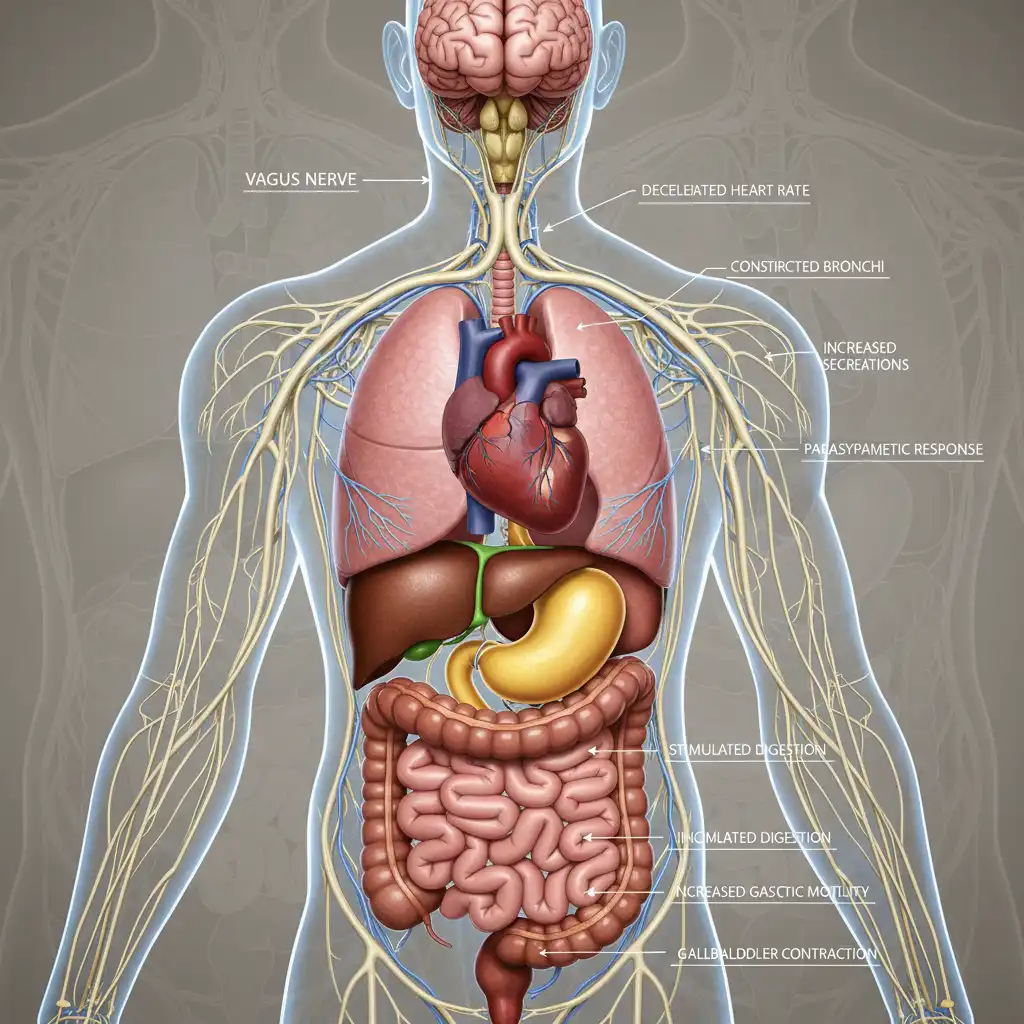
The most profound physiological impact of reflexology is the shift from the Sympathetic Nervous System (fight or flight) to the Parasympathetic Nervous System (rest and digest). In our modern, high-stress environment, many people live in a chronic state of sympathetic arousal, leading to inflammation, digestive issues, and anxiety.
Reflexology stimulates the vagus nerve, which is the main component of the parasympathetic nervous system. This stimulation lowers heart rate, reduces blood pressure, and slows breathing. According to the National Center for Complementary and Integrative Health (NCCIH), relaxation techniques that elicit this response can help manage a variety of health conditions exacerbated by stress.
The Connective Tissue and Fascia Connection
A more modern scientific perspective involves the fascial system. Fascia is the continuous web of connective tissue that surrounds every muscle, bone, nerve, artery, and vein in the body. It is not just packaging material; it is a sensory organ.
Piezoelectricity
Fascia possesses piezoelectric properties, meaning it generates an electrical charge when mechanical pressure is applied. When a reflexologist applies pressure to the feet, they are mechanically manipulating the fascia. This pressure generates a piezoelectric signal that travels through the connective tissue matrix (which is liquid crystalline in nature) at speeds faster than nerve impulses.
This theory helps explain why a blockage in the foot can affect the lower back or neck. Since the fascial web is continuous, tension in the plantar fascia (foot) can pull on the entire posterior chain of the body. Releasing tension in the feet via reflexology can structurally release tension elsewhere through this tensegrity network.
Research and Studies Supporting Reflexology
To move from theory to evidence-based practice, we must look at clinical trials. While research is ongoing, several studies highlight the efficacy of reflexology.
Pain Management and Cancer Care
A significant amount of reflexology research focuses on palliative care, particularly for cancer patients. A study published in the Oncology Nursing Forum found that reflexology significantly reduced pain and anxiety in patients with metastatic cancer compared to a placebo group. The mechanism is believed to be the release of endorphins and encephalins—the body’s natural painkillers—triggered by the touch therapy.
Anxiety and Mental Health
Research conducted at varying universities has demonstrated reflexology’s ability to reduce state anxiety. By measuring cortisol levels (the stress hormone) in saliva before and after sessions, researchers have documented statistically significant drops in stress markers. This supports the theory regarding the regulation of the Autonomic Nervous System.
Addressing the Placebo Effect
Skeptics often attribute the benefits of reflexology to the placebo effect—the idea that the treatment works simply because the patient believes it will. While the placebo effect is a powerful component of all medical interventions (including surgery and pharmacology), it does not explain the entirety of reflexology’s results.
Randomized controlled trials (RCTs) that utilize “sham” reflexology (where a practitioner touches the feet but avoids specific reflex points) often show that true reflexology yields superior results in pain reduction and physiological markers. Furthermore, reflexology has been shown to be effective in infants and animals, subjects that are not influenced by the psychological expectation of a cure. This suggests that the mechanical and neurological mechanisms discussed above are active drivers of the therapy’s success.
Conclusion
So, how does reflexology work science-wise? It is not magic; it is a complex interplay of neurology, hemodynamics, and connective tissue manipulation. By stimulating nerve endings, the practice modulates the central nervous system, shifting the body from a state of stress to a state of repair. Through the lens of the Gate Control Theory, it manages pain, and through the perspective of fascia, it addresses structural integrity.
For those investigating Reflexology Auckland or seeking a practitioner in their local area, understanding these mechanisms provides confidence in the therapy. It bridges the gap between the relaxation of a spa treatment and the therapeutic benefits of clinical intervention. As research continues to evolve, the biological validation of this ancient art form only becomes stronger, cementing its place in integrative healthcare.
Frequently Asked Questions
Is there scientific proof that reflexology works?
Yes, numerous clinical studies indicate reflexology is effective for pain reduction, anxiety management, and improving quality of life, particularly in palliative care. While large-scale studies are still growing, existing research validates its impact on the autonomic nervous system and blood flow.
What is the science behind foot reflexology?
The science relies primarily on the nerve impulse theory. The feet contain thousands of nerve endings. stimulating these sends signals through the spinal cord to the brain, which then regulates corresponding organs and reduces stress via the parasympathetic nervous system.
Can reflexology detect illness?
Reflexology is not a diagnostic tool and cannot diagnose specific medical conditions. However, practitioners can detect “crystal deposits” or tension in specific reflex zones, which indicates an imbalance or stress in the corresponding body part.
How does reflexology affect the nervous system?
Reflexology stimulates the parasympathetic nervous system (the ‘rest and digest’ mode), reducing the release of stress hormones like cortisol and adrenaline, and encouraging the release of endorphins, which are natural painkillers.
Why does reflexology hurt sometimes?
Pain or tenderness during a session usually indicates congestion or imbalance in the corresponding reflex point. This is often described as ‘good pain,’ signaling that the practitioner is working on a blocked area to restore flow and function.
How long does it take for reflexology to work?
Many people feel immediate relaxation and stress relief after a single session. However, for chronic conditions or specific health goals, a cumulative effect is observed, often requiring a series of 4 to 6 weekly sessions.