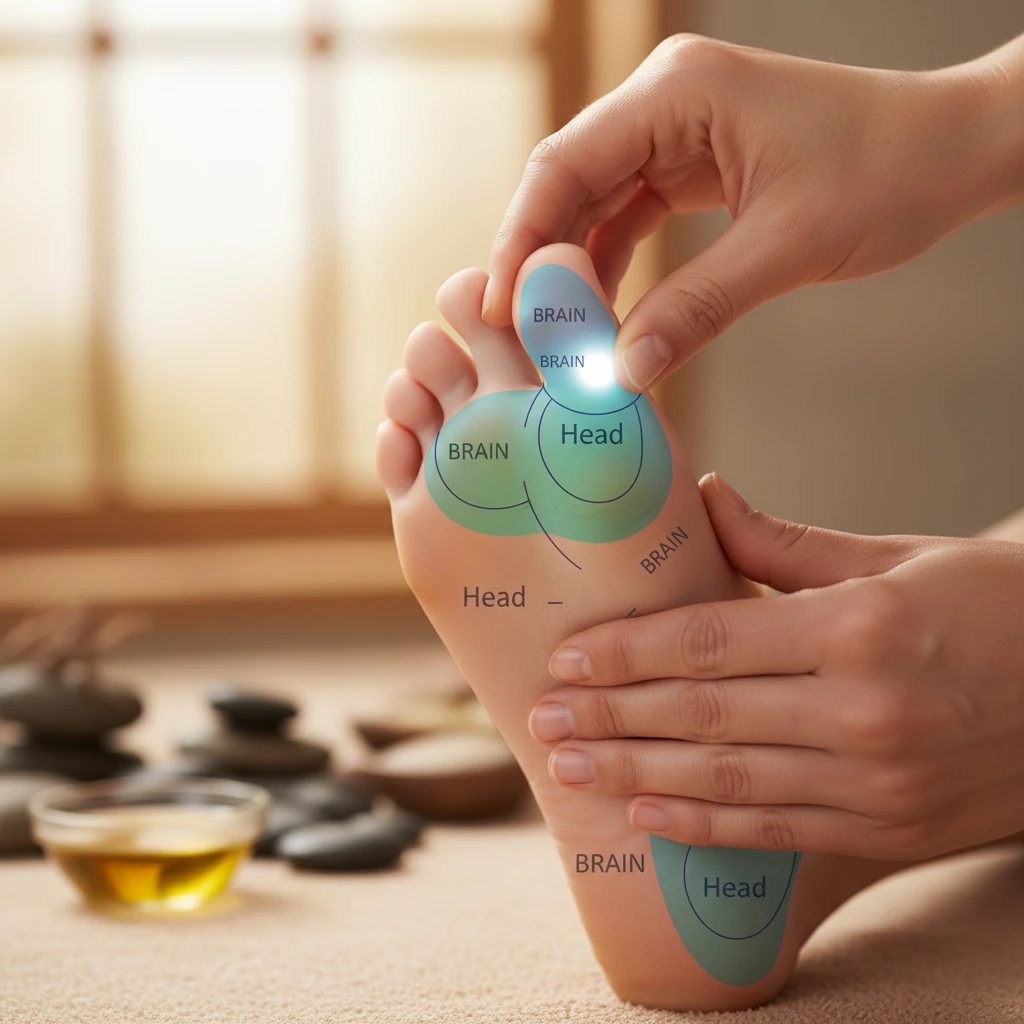
Reflexology for burnout offers a holistic, non-invasive approach to mitigating the profound physical and mental exhaustion characteristic of this pervasive condition. By targeting specific reflex points on the feet, hands, or ears that correspond to different organs and systems, reflexology aims to restore the body’s natural equilibrium, reduce stress, and promote deep relaxation, thereby aiding in both the prevention and recovery from burnout.
Reflexology for Burnout: The Definitive Guide
In today’s high-pressure world, burnout has become an epidemic, particularly among professionals striving for peak performance. It’s more than just feeling tired; burnout is a state of chronic physical, emotional, and mental exhaustion caused by prolonged or excessive stress. While conventional treatments often focus on rest and lifestyle changes, alternative therapies like reflexology are gaining recognition for their profound ability to support the body’s natural healing mechanisms and address the root causes of stress and imbalance.
What is Burnout and Why is it So Prevalent?
Burnout, as defined by the World Health Organization (WHO), is an occupational phenomenon conceptualized as resulting from chronic workplace stress that has not been successfully managed. It is characterized by three dimensions: feelings of energy depletion or exhaustion; increased mental distance from one’s job, or feelings of negativism or cynicism related to one’s job; and reduced professional efficacy. The prevalence stems from demanding work cultures, blurring lines between work and personal life, and constant digital connectivity, leaving many feeling overwhelmed and depleted.
Understanding Reflexology: A Brief Overview
Reflexology is an ancient healing art based on the principle that there are reflex areas on the feet, hands, and ears that correspond to specific organs, glands, and other parts of the body. By applying pressure to these reflex areas, reflexologists aim to stimulate the body’s natural healing processes, improve circulation, and promote relaxation. The theory suggests that stimulating these points helps to remove energy blockages, allowing vital energy to flow freely, thereby restoring balance to the entire body system. This makes it an ideal complementary therapy for conditions rooted in stress and systemic imbalance, such as burnout.
Signs of Physical Burnout in Feet
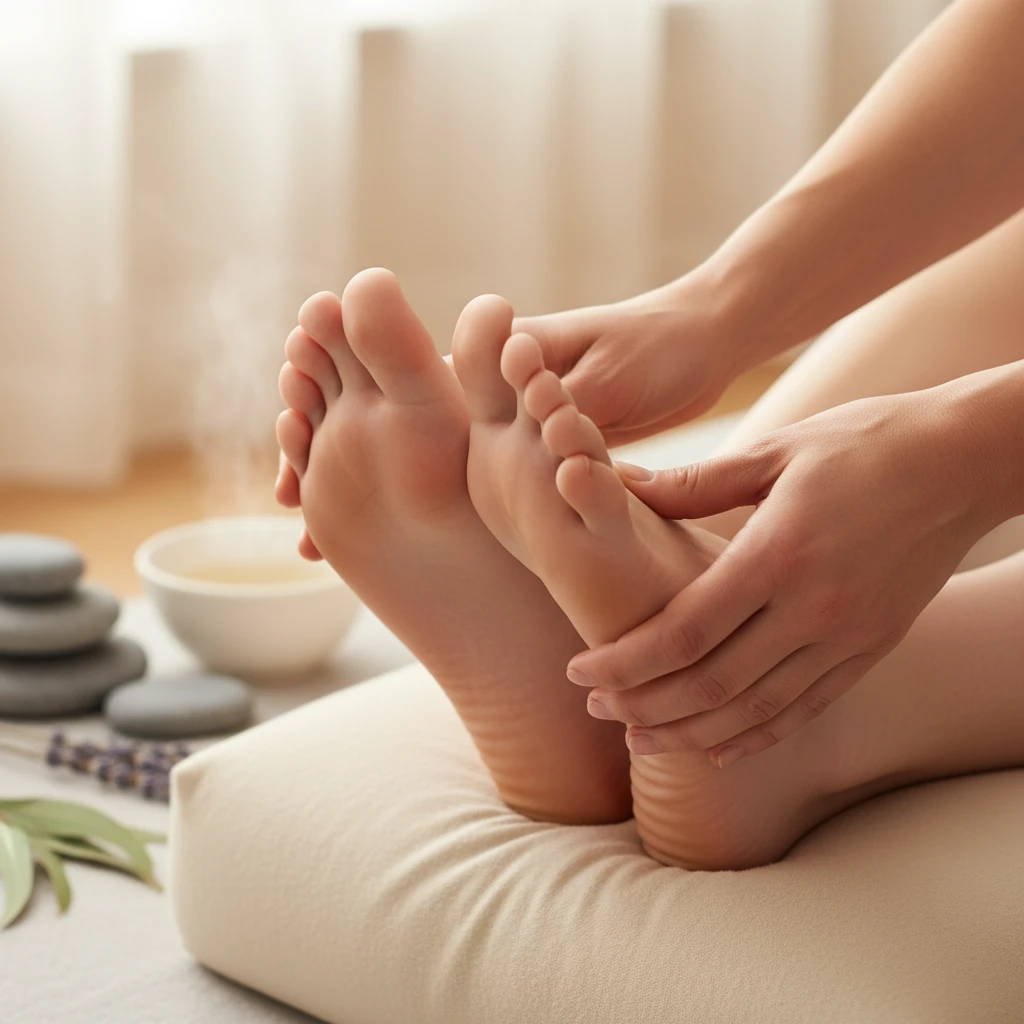
The feet, often overlooked, can be a surprisingly accurate mirror of our internal state, particularly when it comes to stress and physical depletion. In reflexology, a practitioner can often detect signs of imbalance or congestion in specific reflex areas of the feet, which may correspond to organs or systems under duress from burnout. These ‘signs’ aren’t always visible to the naked eye but are felt as tenderness, graininess, or tightness during a reflexology session.
Specific Reflex Points for Burnout Indicators
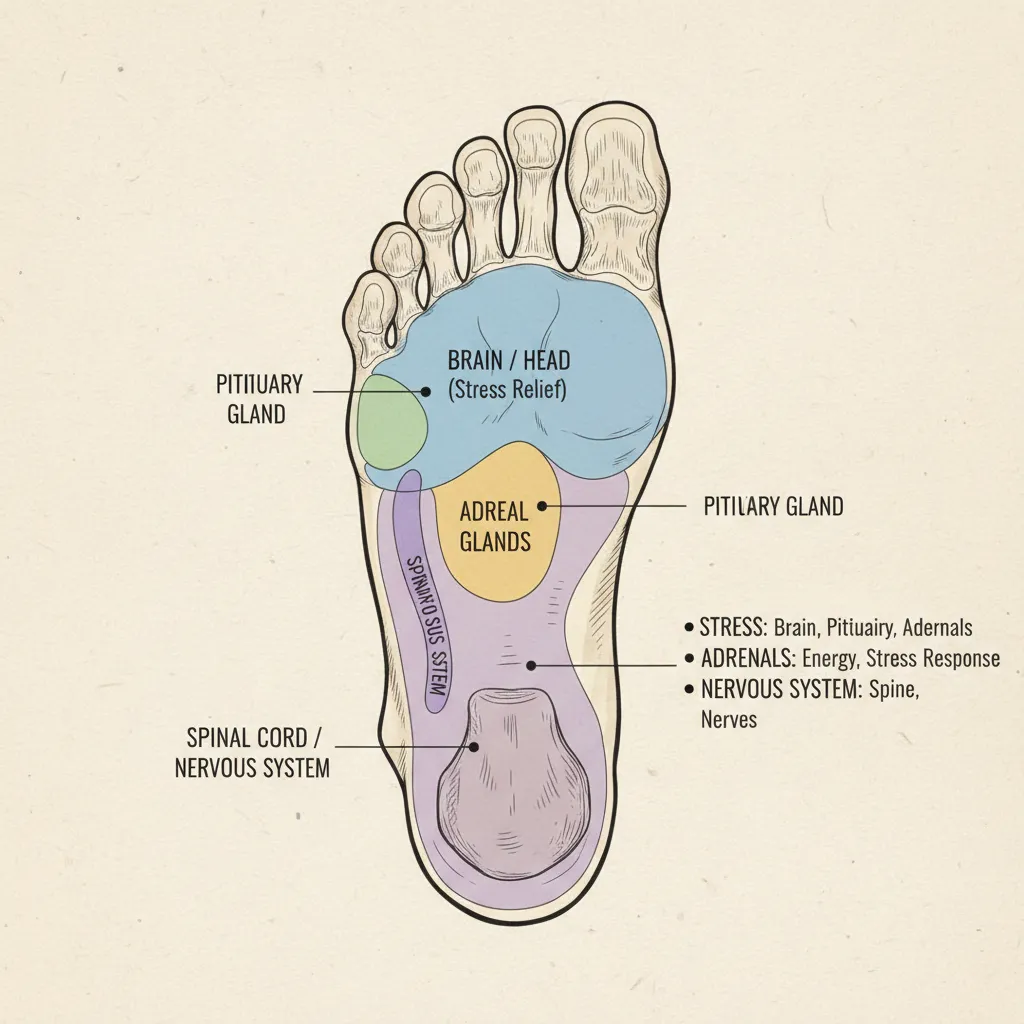
- Adrenal Glands: Located on the instep, below the ball of the foot, stimulating these points can reveal tenderness or a ‘grainy’ sensation, indicating overworked adrenal glands trying to cope with chronic stress. Consistent stimulation here aims to support adrenal function, helping the body manage cortisol levels.
- Solar Plexus: Found in the center of the ball of each foot, the solar plexus point is often a key area for stress accumulation. Tenderness here can signify deep-seated anxiety or overwhelm. Working this point promotes profound relaxation.
- Digestive System (Stomach, Intestines): Points throughout the arch and heel areas correspond to the digestive system. Burnout often manifests as digestive issues like IBS, indigestion, or changes in appetite. Tenderness or stiffness in these areas may indicate gastrointestinal distress exacerbated by stress.
- Spine and Neck: The inner edge of the foot corresponds to the spine, and the toes relate to the head and neck. Tension or rigidity here can reflect physical manifestations of stress, such as back pain, neck stiffness, and tension headaches, all common symptoms of burnout.
- Pituitary and Pineal Glands: Located on the pad of the big toe, these glands play crucial roles in hormone regulation and sleep cycles. Sensitivity in these areas can be indicative of hormonal imbalances and disrupted sleep patterns, both hallmarks of burnout.
Interpreting Foot Sensations
During a reflexology session, a skilled practitioner pays close attention to how the foot responds to pressure. Sharp tenderness, a dull ache, or the presence of granular deposits can all be interpreted as signals of energy blockages or systemic imbalance in the corresponding body part. For someone experiencing burnout, these sensations are often heightened, particularly in areas linked to the endocrine system, nervous system, and digestive organs. The beauty of reflexology lies not just in identifying these points but in applying targeted pressure to release tension and encourage healing.
Restoring Nervous System Balance Through Reflexology
One of the most significant ways reflexology aids in burnout prevention and recovery is through its profound impact on the nervous system. Burnout is fundamentally a state of nervous system dysregulation, where the sympathetic ‘fight-or-flight’ response remains overactive, and the parasympathetic ‘rest-and-digest’ system is suppressed. Reflexology works to shift this balance.
Parasympathetic Activation and Stress Reduction
The gentle yet firm pressure applied during reflexology stimulates nerve endings, sending calming signals to the brain. This activation of the parasympathetic nervous system helps to lower heart rate, decrease blood pressure, relax muscles, and reduce the production of stress hormones like cortisol. The immediate effect is a feeling of deep relaxation and tranquility, providing a much-needed respite from the constant state of hyper-arousal often experienced during burnout. Over time, regular sessions can help train the nervous system to remain in a more balanced state, improving resilience to stress.
Adrenal Support and Energy Restoration
Chronic stress exhausts the adrenal glands, which are responsible for producing stress hormones. Reflexology targets the adrenal reflex points on the feet, gently encouraging their optimal function. By supporting these vital glands, reflexology helps to regulate the body’s stress response more effectively and restore depleted energy reserves. This isn’t an overnight fix, but consistent support can lead to sustained energy and reduced feelings of fatigue.
Enhancing Sleep Quality
Insomnia and disturbed sleep are pervasive symptoms of burnout, further perpetuating the cycle of exhaustion. Reflexology promotes relaxation, which in turn facilitates deeper, more restorative sleep. By working on reflex points associated with the brain, pituitary gland, and pineal gland (responsible for melatonin production), reflexology can help regulate sleep cycles, allowing the body and mind to truly rest and repair. Many individuals report improved sleep after even a single reflexology session, contributing significantly to recovery from burnout.
Quick Stress-Busting Techniques
While a full session with a qualified reflexologist offers the most comprehensive benefits, incorporating simple self-reflexology techniques into your daily routine can provide immediate relief and act as a powerful preventative measure against burnout.
Immediate Relief for Headaches and Tension
For tension headaches, focus on the tips of all toes, especially the big toe, which corresponds to the head and brain. Gently squeeze and rub each toe for 30-60 seconds. For neck and shoulder tension, work along the base of the toes where they meet the ball of the foot, which corresponds to the neck and shoulders. Applying firm, circular pressure here can release significant tension.
Calming the Mind and Reducing Anxiety
The solar plexus point, located in the center of the ball of each foot, is crucial for calming the nervous system. Press firmly into this point with your thumb and hold for 10-20 seconds while taking deep breaths. You can also trace a line from the base of the big toe down the inside arch of the foot (corresponding to the spine) to promote relaxation throughout the entire nervous system. Repeat several times on both feet.
Energy Boost for Fatigue
When feeling sluggish, target the adrenal gland points on the instep, just below the ball of the foot. Use your thumb to gently rub and press into these areas for a minute or two on each foot. Additionally, massaging the entire ball of the foot, which corresponds to the lung and chest area, can help improve breathing and oxygenation, leading to a natural energy lift. Consistent application of these techniques can serve as a vital tool in managing daily stress and preventing the build-up that leads to burnout.
Integrating Reflexology into a Burnout Prevention Schedule
For reflexology to be truly effective in preventing and recovering from burnout, it needs to be integrated consistently into a broader wellness strategy. It’s not a one-time cure but a supportive practice that complements other healthy habits.
Frequency and Consistency
To establish a foundation, weekly or bi-weekly sessions with a professional reflexologist are often recommended initially. As symptoms improve and stability is achieved, sessions can be spaced out to monthly or as needed for maintenance. The key is consistency – regular stimulation helps to maintain the body’s energetic balance and resilience against stress. Incorporating daily self-reflexology techniques further reinforces these benefits.
Combining with Other Wellness Practices
Reflexology works synergistically with other holistic practices. Mindfulness meditation, yoga, adequate sleep hygiene, a balanced diet rich in whole foods, and regular physical activity all contribute to overall well-being and stress reduction. For instance, combining a morning self-reflexology routine with a short meditation can amplify the calming effects and set a positive tone for the day. Nutritional support, particularly for adrenal health, can also significantly enhance recovery.
Finding a Qualified Reflexologist
The efficacy of reflexology largely depends on the skill and knowledge of the practitioner. Look for certified reflexologists who have undergone extensive training and adhere to professional standards. Associations like the American Reflexology Certification Board (ARCB) or national reflexology organizations can provide directories of qualified professionals. Don’t hesitate to ask about their experience, particularly with clients experiencing stress and burnout. A good rapport with your therapist is also essential for a positive and beneficial experience.
The Science Behind the Soles: Research and Efficacy
While often categorized as an alternative therapy, reflexology’s benefits are increasingly being explored by scientific research. Studies suggest that reflexology can induce physiological changes associated with relaxation, such as decreased blood pressure and heart rate, and increased alpha brain wave activity. Research has also indicated its potential in reducing anxiety, improving sleep quality, and alleviating pain, all of which are critical factors in managing and preventing burnout. For example, a meta-analysis published in the Journal of Advanced Nursing (an authoritative source on healthcare research) found that reflexology significantly reduced pain and anxiety levels across various health conditions, highlighting its broad therapeutic potential.
Beyond the Feet: Hand and Ear Reflexology for Burnout
While foot reflexology is the most commonly practiced form, the principles extend to the hands and ears, offering convenient alternatives for self-care, especially when feet are inaccessible or sensitive. Hand and ear reflexology can be particularly beneficial for busy executives who need quick, discreet stress relief throughout their day.
Hand Reflexology for Quick Relief
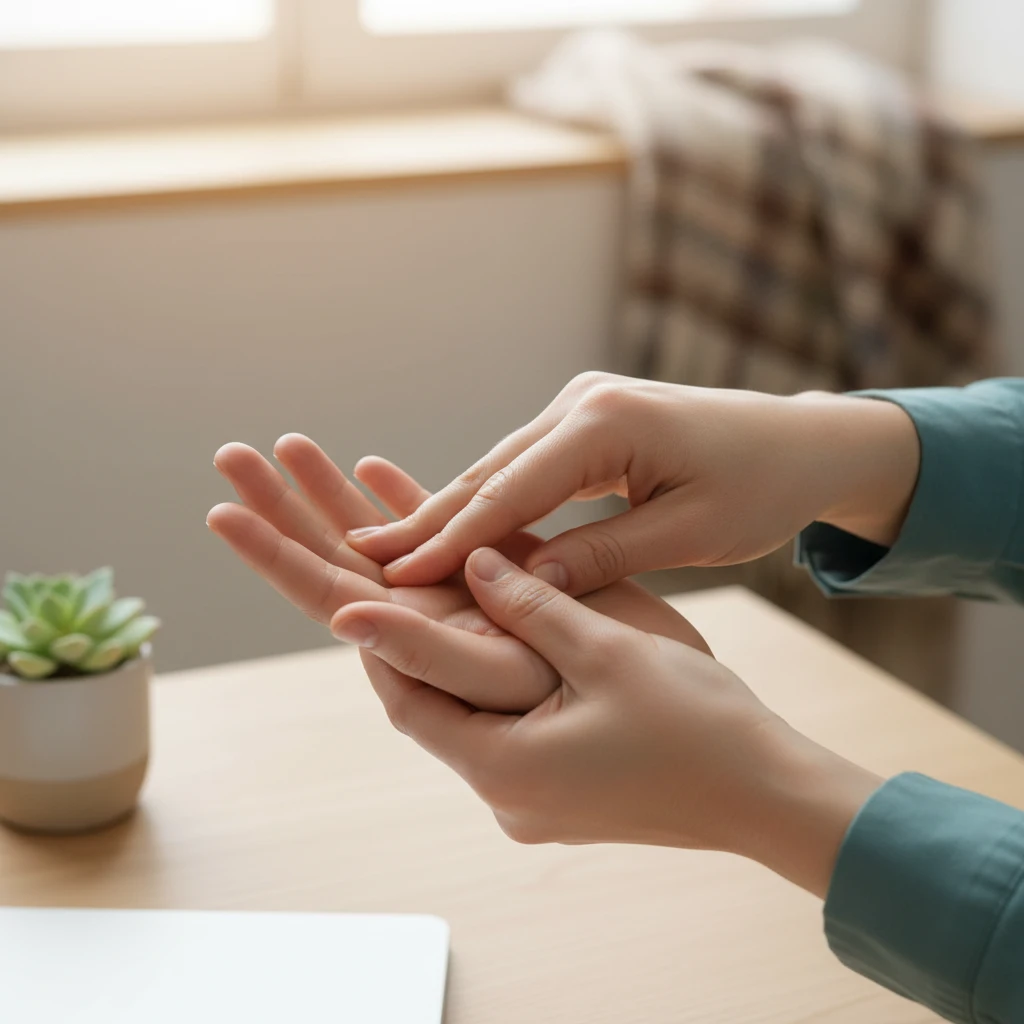
The hands contain similar reflex points to the feet, though often less sensitive. Massaging the thumb and fingers can relieve head and neck tension. The fleshy area at the base of the thumb and across the palm correlates with the diaphragm and solar plexus, making it excellent for anxiety reduction. Hand reflexology can be performed anywhere – during a meeting, on a commute, or while taking a short break – providing immediate, portable stress relief.
Ear Reflexology (Auriculotherapy)
The ear is a micro-system of the entire body, with hundreds of reflex points. Auriculotherapy, or ear reflexology, involves stimulating specific points on the outer ear. Specialized ear seeds or gentle pressure can be used to target areas related to stress, anxiety, adrenal glands, and sleep. Its compact nature makes it incredibly effective for rapid symptom management, and some practitioners even use semi-permanent ear seeds for continuous stimulation over several days.
A Holistic Approach to Burnout Recovery
Reflexology, whether applied to the feet, hands, or ears, is a powerful tool within a comprehensive burnout prevention and recovery strategy. It addresses the physical manifestations of stress and the underlying nervous system dysregulation that characterizes burnout. However, it’s crucial to remember that true recovery often requires a multi-faceted approach, encompassing lifestyle adjustments, mental health support, and a commitment to self-care. By combining the therapeutic benefits of reflexology with other healthy practices, individuals can build greater resilience, cultivate inner calm, and navigate the demands of modern life without succumbing to the debilitating effects of burnout.
People Also Ask
Does reflexology actually help with stress and burnout?
Yes, numerous anecdotal reports and some scientific studies suggest that reflexology can significantly help with stress and burnout. It promotes deep relaxation, activates the parasympathetic nervous system, reduces stress hormones, and can improve sleep quality, all of which are critical for managing and recovering from burnout.
How often should I get reflexology for burnout prevention?
For initial burnout recovery or prevention, weekly or bi-weekly sessions with a professional reflexologist are often recommended. Once symptoms improve, monthly maintenance sessions, combined with daily self-reflexology, can sustain the benefits and enhance resilience.
Are there any side effects of reflexology for burnout?
Reflexology is generally considered safe and non-invasive. Some individuals might experience mild tenderness in certain reflex points during or after a session, increased urination, or heightened emotions as the body releases toxins and tension. These are usually temporary and indicate the body’s healing process.
Can I do reflexology on myself for burnout?
Yes, self-reflexology on the feet, hands, or ears can be a highly effective way to manage daily stress and support burnout prevention. Focus on areas corresponding to the solar plexus, adrenal glands, and head/neck for quick relief and sustained benefits. However, a professional session can offer a deeper, more comprehensive treatment.
How does reflexology specifically target adrenal fatigue from burnout?
Reflexology targets specific reflex points on the instep of the foot that correspond to the adrenal glands. By applying pressure to these areas, it aims to stimulate and support adrenal function, helping to regulate the body’s stress response, balance cortisol levels, and restore energy, thereby mitigating the effects of adrenal fatigue associated with burnout.
What’s the difference between reflexology and a foot massage?
While both involve working on the feet, reflexology is a therapeutic practice based on the principle that specific points on the feet correspond to other body parts, aiming to stimulate healing and balance throughout the entire system. A foot massage is primarily for muscle relaxation and improving local circulation, without necessarily targeting systemic health benefits.