Reflexology for low libido is a therapeutic practice involving targeted pressure on specific zones of the feet, hands, and ears that correspond to the endocrine and reproductive systems. By stimulating these reflex points, individuals can lower cortisol levels, regulate hormone production, and increase blood circulation to the pelvic floor, creating the physiological conditions necessary for sexual arousal and vitality.
In the realm of holistic health, the decline of sexual drive is rarely seen as an isolated symptom. Instead, it is viewed as a signal from the body that internal rhythms are out of balance. While modern medicine often looks for pharmaceutical solutions, reflexology offers a non-invasive, ancient pathway to restoring sexual wellness. By understanding the intricate map of the body reflected in the feet, we can access the nervous system directly, soothing the anxieties that inhibit desire and stimulating the organs responsible for passion.
The Physiology of Desire: Understanding the Stress-Libido Connection
To understand how reflexology aids libido, one must first understand what kills it: stress. The human body operates under two primary nervous system modes: the sympathetic nervous system (fight or flight) and the parasympathetic nervous system (rest and digest—or more accurately, rest, digest, and reproduce).
When you are chronically stressed, your body floods with cortisol and epinephrine. Evolutionarily, this survival mechanism prioritizes immediate physical safety over long-term functions like digestion and reproduction. Consequently, blood is shunted away from the digestive tract and reproductive organs toward the major muscle groups. In this state, sexual desire is physiologically suppressed.
Reflexology acts as a bridge back to the parasympathetic state. By applying rhythmic pressure to nerve endings in the feet, you send signals to the brain to downregulate the stress response. This shift is critical because sexual arousal relies heavily on the body’s ability to relax. According to the Mayo Clinic, psychological factors including stress and fatigue are among the most common causes of low libido. Addressing the nervous system’s state is therefore the first step in any holistic sexual wellness protocol.
How Reflexology Works: Scientific Explanations & Theories
Reflexology is based on the Zone Theory, which posits that the body is divided into ten vertical zones running from the head to the toes. Every organ and gland falls within one of these zones and has a corresponding reflex point on the foot. Manipulation of these points is believed to clear blockages in the flow of energy (Qi) and improve organ function.
For sexual wellness specifically, reflexology targets three main mechanisms:
- Endocrine Balance: Regulating the glands that produce testosterone, estrogen, and progesterone.
- Circulatory Enhancement: Ensuring adequate blood flow reaches the erectile tissues of the genitalia.
- Nervous System Sedation: Moving the body out of survival mode to allow for vulnerability and intimacy.
Mapping the Terrain: Key Reflex Points for Libido
To effectively treat low libido, a reflexologist focuses on a specific sequence of points. If you are performing this on yourself or a partner, precision is key.
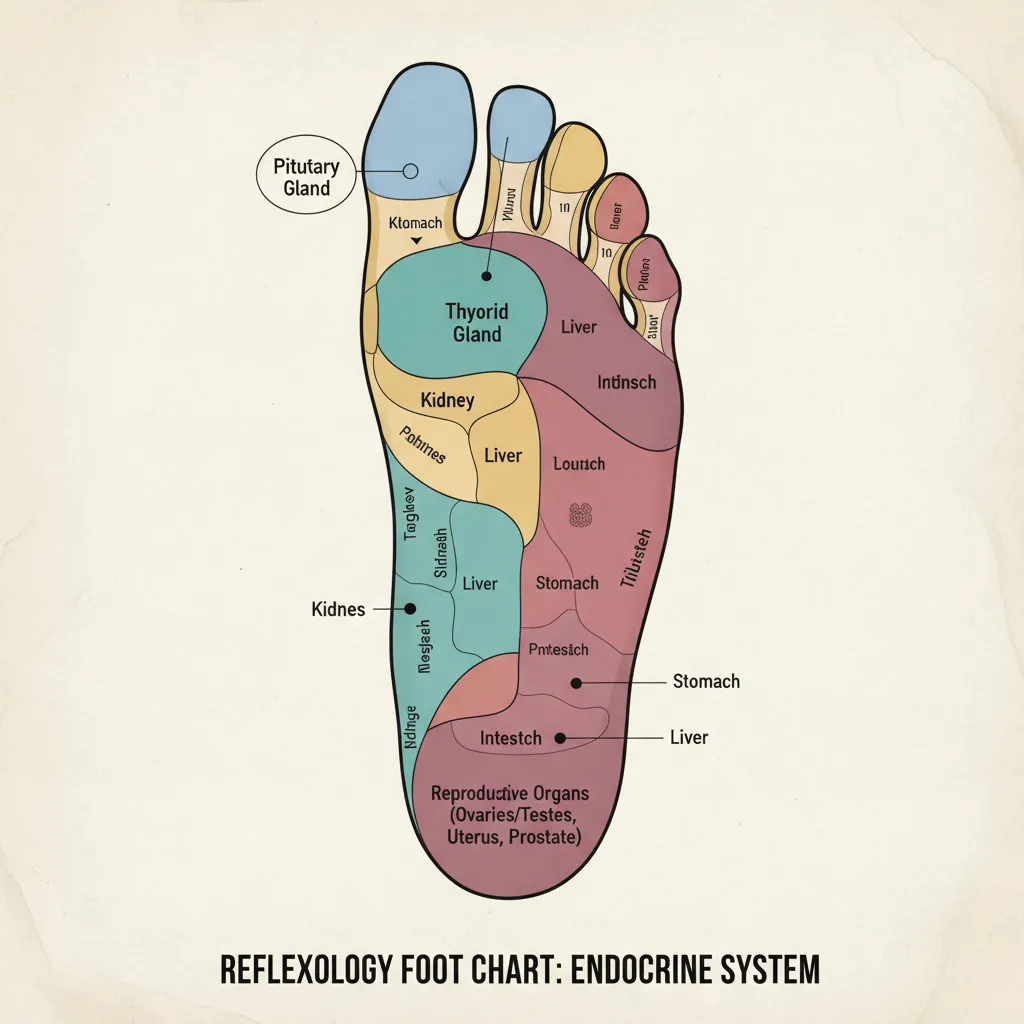
The Pituitary Gland
Often called the “Master Gland,” the pituitary controls the function of other endocrine glands, including the ovaries and testes. Stimulating this point helps regulate the release of Luteinizing Hormone (LH) and Follicle-Stimulating Hormone (FSH), which are crucial for sexual drive.
Location: The center of the fleshy part of the big toe.
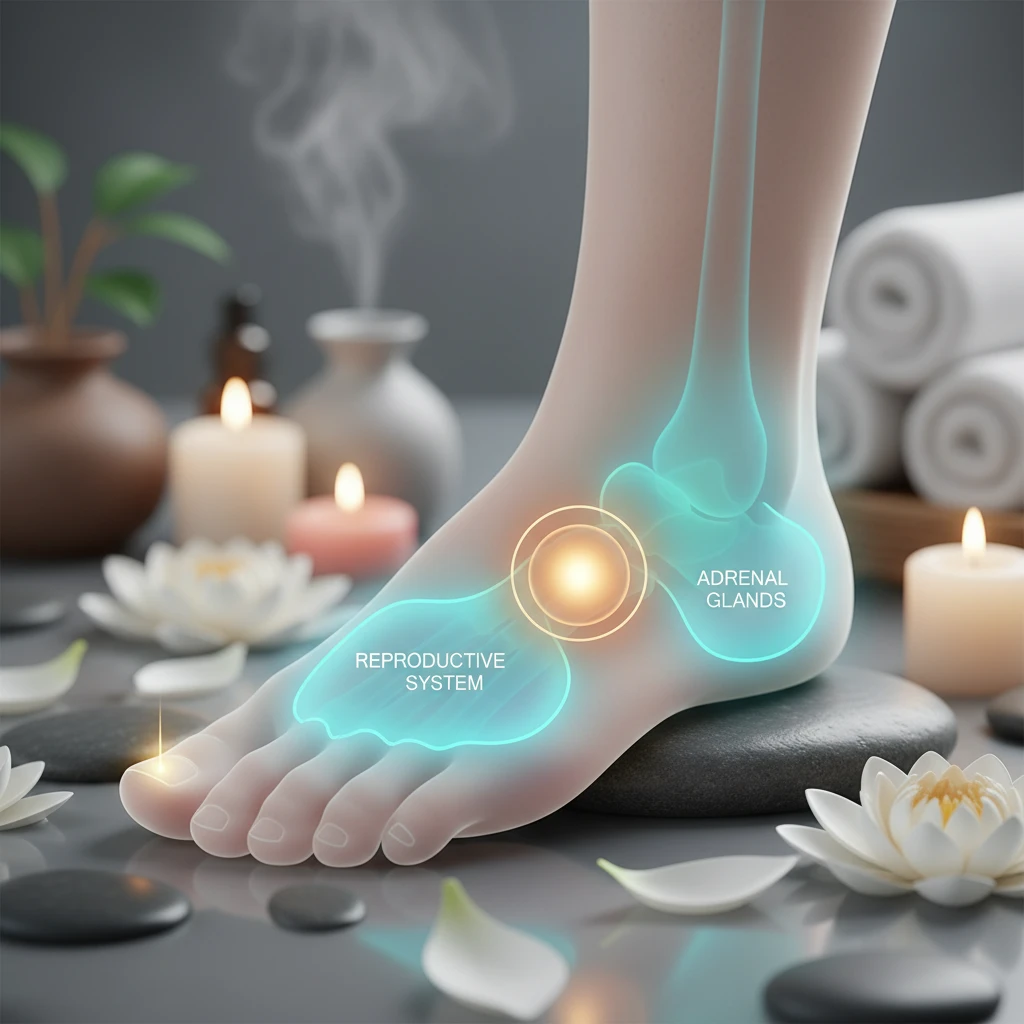
The Adrenal Glands
Since adrenal fatigue is a major libido killer, supporting these glands is essential. They produce DHEA, a precursor to sex hormones, but they also produce cortisol. Overworked adrenals steal resources from sex hormone production to make more stress hormones (a process known as the “cortisol steal”).
Location: Just below the ball of the foot, near the inner arch.
The Reproductive Organs (Ovaries/Testes and Uterus/Prostate)
Direct stimulation of the reproductive reflex areas can increase local blood flow and energy to the physical organs.
Location:
- Ovaries/Testes: Located on the outside of the ankle, midway between the ankle bone and the heel.
- Uterus/Prostate: Located on the inside of the ankle, midway between the ankle bone and the heel.
The Sacral Chakra: Energetic Pathways to Passion
In holistic medicine, physical anatomy often overlaps with energetic anatomy. The Sacral Chakra (Svadhisthana) is the energy center governed by the element of water and associated with emotions, creativity, and sexuality. When this chakra is blocked, individuals may experience low libido, emotional detachment, or guilt regarding sexuality.
Reflexology accesses the energy of the Sacral Chakra through the heel and ankle area. By working the inner ankle (associated with the uterus/prostate) and the area wrapping around the heel, you are energetically stimulating the pelvic basin. Techniques used here should be fluid and rhythmic, mimicking the water element, rather than sharp or digging.
Techniques for Improving Pelvic Blood Flow
Physical arousal requires hemodynamics—the movement of blood. For women, this involves engorgement of the clitoris and labia; for men, the penis. A sedentary lifestyle or chronic tension in the lower back can restrict blood flow to the pelvic floor.
To address this via reflexology, focus on the Lumbar and Sacral Spine reflexes. These are located along the inner edge of the foot, running from the arch down to the heel. By thumb-walking down this spinal line, you stimulate the nerves exiting the lower spine that innervate the pelvic organs.
The Technique: Use a firm “caterpillar walk” motion with your thumb. Start at the arch (Lumbar area) and work your way down to the heel (Sacrum/Coccyx). Repeat this 5-10 times on each foot to encourage nerve conduction and blood flow to the lower body.
A Step-by-Step Self-Care Routine
You do not need a professional therapist to begin experiencing the benefits of reflexology for low libido. A 15-minute nightly routine can make a significant difference over time.
- Preparation: Soak your feet in warm water with Epsom salts to relax the muscles. Dry thoroughly and apply a carrier oil (like almond or jojoba) mixed with a drop of Ylang Ylang or Jasmine essential oil, both known aphrodisiacs.
- Solar Plexus Release: Begin by pressing your thumb into the center of the foot, just below the ball. Take a deep breath as you press, and exhale as you release. This calms the nervous system.
- Pituitary Press: Use the tip of your thumb to press and rotate on the center of the big toe print. Do this for 30 seconds.
- Adrenal Support: Move to the inner arch area and press firmly on the adrenal point to reduce stress load.
- Reproductive Flush: Using your index finger and thumb, massage the hollow areas below both ankle bones (inside and outside). Use a circular motion to stimulate the ovaries/testes and uterus/prostate reflexes.
- Spinal Sweep: Finish by thumb-walking down the inner edge of the foot from the big toe to the heel.
Couples Reflexology: Building Intimacy Through Touch
One of the most powerful ways to utilize reflexology for low libido is to practice it with a partner. This transcends the mechanical benefits of the therapy and introduces the healing power of non-sexual touch. Many couples struggling with libido issues find themselves in a “pursuer-distancer” dynamic where all touch feels like a demand for sex. This creates anxiety.
Reflexology offers a safe zone. It is intimate and caring but focuses on wellness rather than immediate performance. This safety allows oxytocin—the bonding hormone—to flood the system. Oxytocin is a natural antidote to cortisol and a precursor to sexual receptivity.
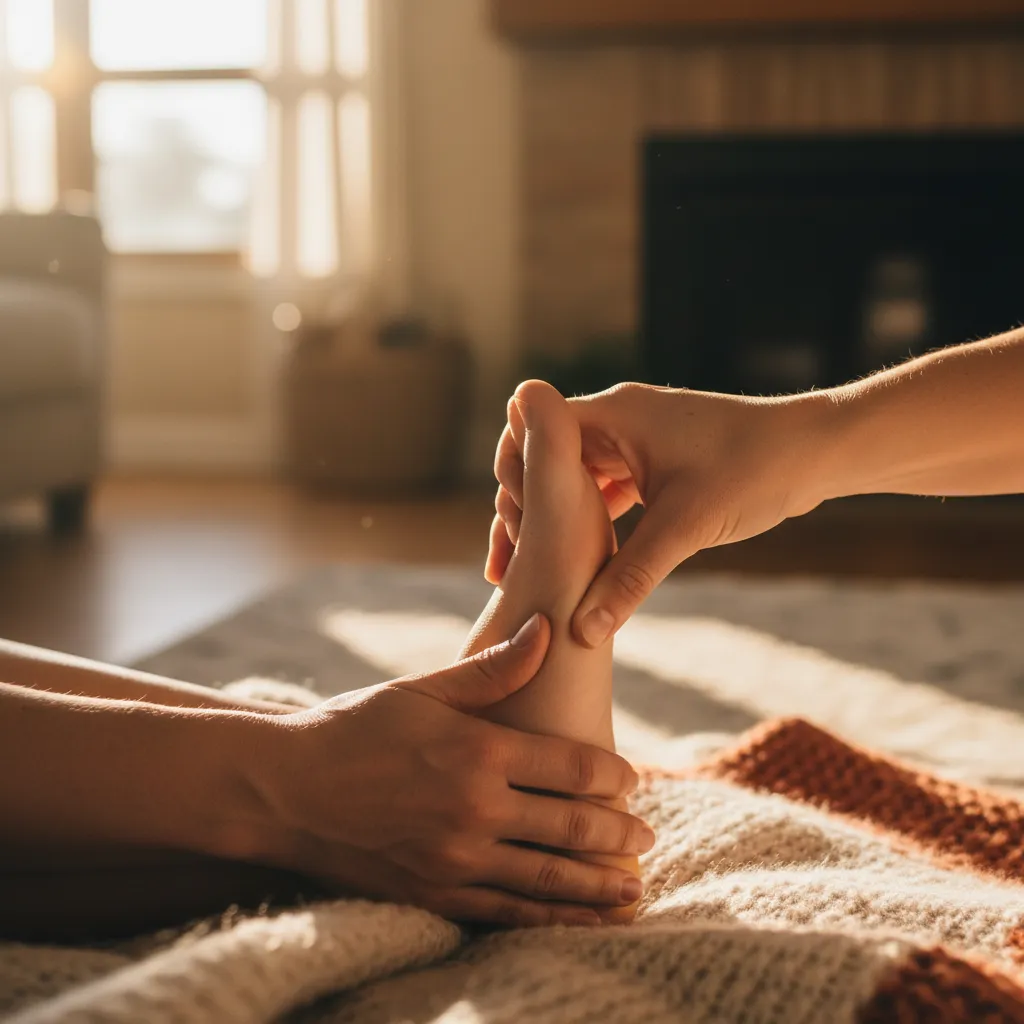
The “Connection” Routine
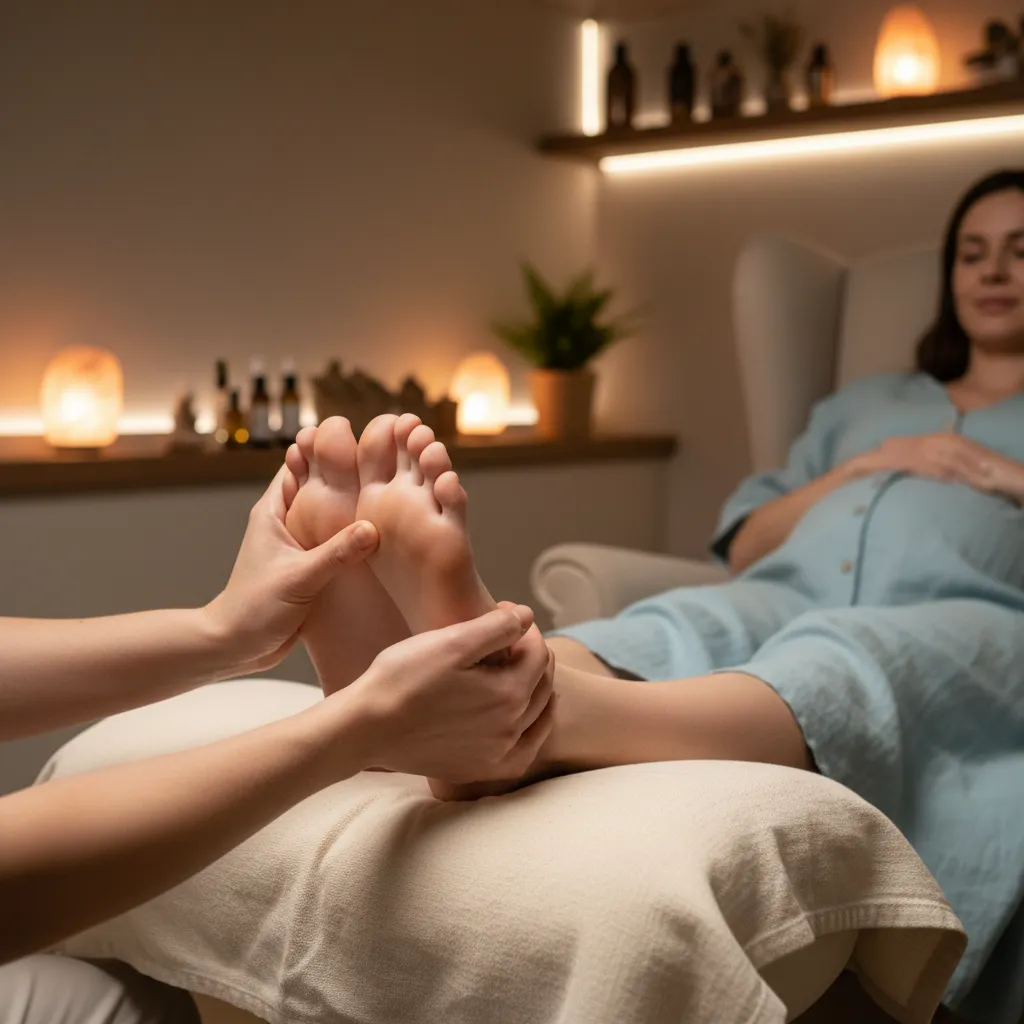
Have your partner lie back. As you work on their feet, maintain physical contact at all times; never take both hands off the skin at once. Focus heavily on the Solar Plexus point to help them release emotional guarding. As you massage the reproductive points around the ankles, synchronize your breathing. This synchronization aligns your energetic states, fostering a deep sense of connection that can naturally evolve into desire.
Complementary Holistic Practices
Reflexology is most effective when part of a broader lifestyle strategy. To maximize your results, consider integrating these habits:
- Nutritional Support: Incorporate foods rich in zinc (oysters, pumpkin seeds) and magnesium. Zinc is vital for testosterone production, while magnesium supports the nervous system.
- Hydration: The lymphatic system requires water to move toxins out of the body after a reflexology session.
- Pelvic Floor Yoga: Poses like the Pigeon Pose or Butterfly Pose physically open the hips and increase circulation to the same areas you are stimulating reflexologically.
By treating the body as an interconnected whole, reflexology for low libido offers more than just a temporary fix; it offers a pathway to sustainable sexual vitality and deeper connection with oneself and one’s partner.
Frequently Asked Questions (People Also Ask)
Which pressure point increases libido instantly?
While no single point acts as an instant “switch,” the Kidney 1 (K1) point, located on the sole of the foot in the depression created when the foot is flexed, is known in Traditional Chinese Medicine as the “Gushing Spring.” Stimulating this point grounds energy and can rapidly revitalize the body’s constitution, aiding in arousal.
Can foot massage really help with erectile dysfunction?
Yes, foot massage can help by addressing the root causes of ED, such as poor circulation and stress. By stimulating the reflex points for the heart, kidney, and pelvic area, reflexology improves blood flow and reduces performance anxiety, creating better physiological conditions for an erection.
How often should I do reflexology for sexual health?
For chronic low libido, consistency is key. A professional session once a week is recommended, supplemented by 10-15 minutes of self-reflexology or partner reflexology 3-4 times a week to maintain hormonal balance and stress reduction.
Where are the ovary and uterus points on the feet?
The uterus reflex point is located on the inside of the foot, in the hollow area midway between the ankle bone and the heel. The ovary reflex point is in the exact same position but on the outside of the foot (lateral side). These areas are often tender in women with hormonal imbalances.
Is reflexology safe during menopause for low libido?
Yes, reflexology is highly beneficial during menopause. It helps regulate the fluctuating hormones (estrogen and progesterone) that cause vaginal dryness and low drive. Focusing on the pituitary and thyroid reflex points can help mitigate menopausal symptoms that inhibit sex life.
What essential oils pair best with reflexology for libido?
Ylang Ylang, Jasmine, Sandalwood, and Rose are excellent choices. Ylang Ylang is known to balance male and female energies, while Sandalwood mimics natural pheromones. Adding these to your carrier oil during a reflexology session enhances the sensory experience and relaxation.