Reflexology for eye strain is a holistic therapy that involves applying targeted pressure to specific reflex zones on the feet and hands—specifically the pads of the second and third toes—to stimulate the optical nerves. This practice aims to increase blood circulation, relax the ocular muscles, and alleviate the physical symptoms of fatigue caused by prolonged digital screen exposure.
Understanding Digital Eye Strain and Fatigue
In our modern, hyper-connected era, the human eye is subjected to unprecedented demands. Digital Eye Strain, often referred to medically as Computer Vision Syndrome (CVS), has become a pervasive issue affecting millions of individuals globally. Unlike the natural visual stimuli our ancestors encountered, digital screens emit blue light, require intense near-point focus, and often flicker imperceptibly, all of which force the ocular muscles to work overtime.
The symptoms of digital eye strain are multifaceted. They range from dry, gritty sensations and blurred vision to more systemic issues such as chronic headaches, neck stiffness, and general fatigue. While optometry offers corrective lenses and ergonomic solutions, holistic health approaches look deeper into the body’s interconnected systems to find relief. This is where reflexology serves as a powerful, non-invasive modality to restore balance and alleviate the deep-seated tension associated with screen fatigue.
The Principles of Reflexology for Ocular Health
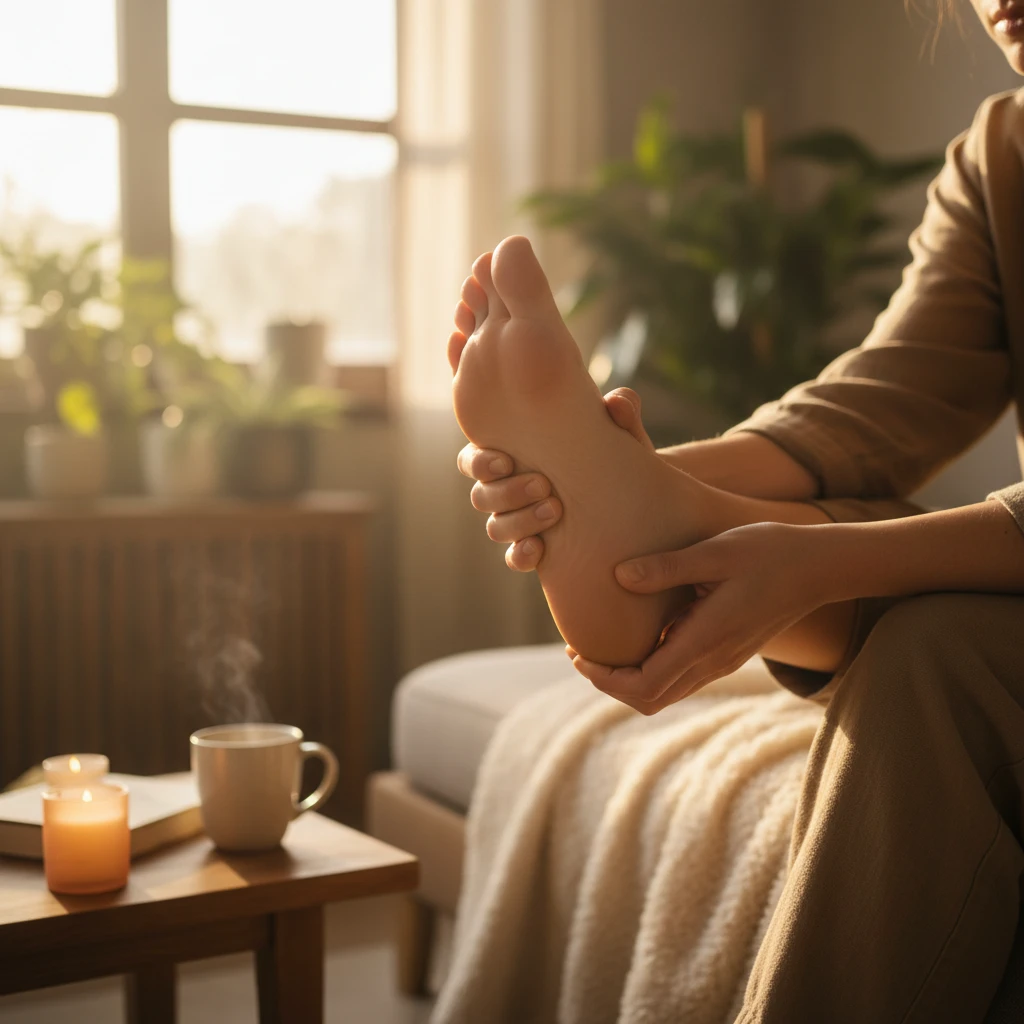
Reflexology is far more than a simple foot massage; it is a therapeutic art based on the principle that there are reflexes in the feet and hands that correspond to every organ, gland, and part of the body. By stimulating these reflexes, a practitioner can send signals through the nervous system to the corresponding area, promoting healing, relaxation, and improved function.
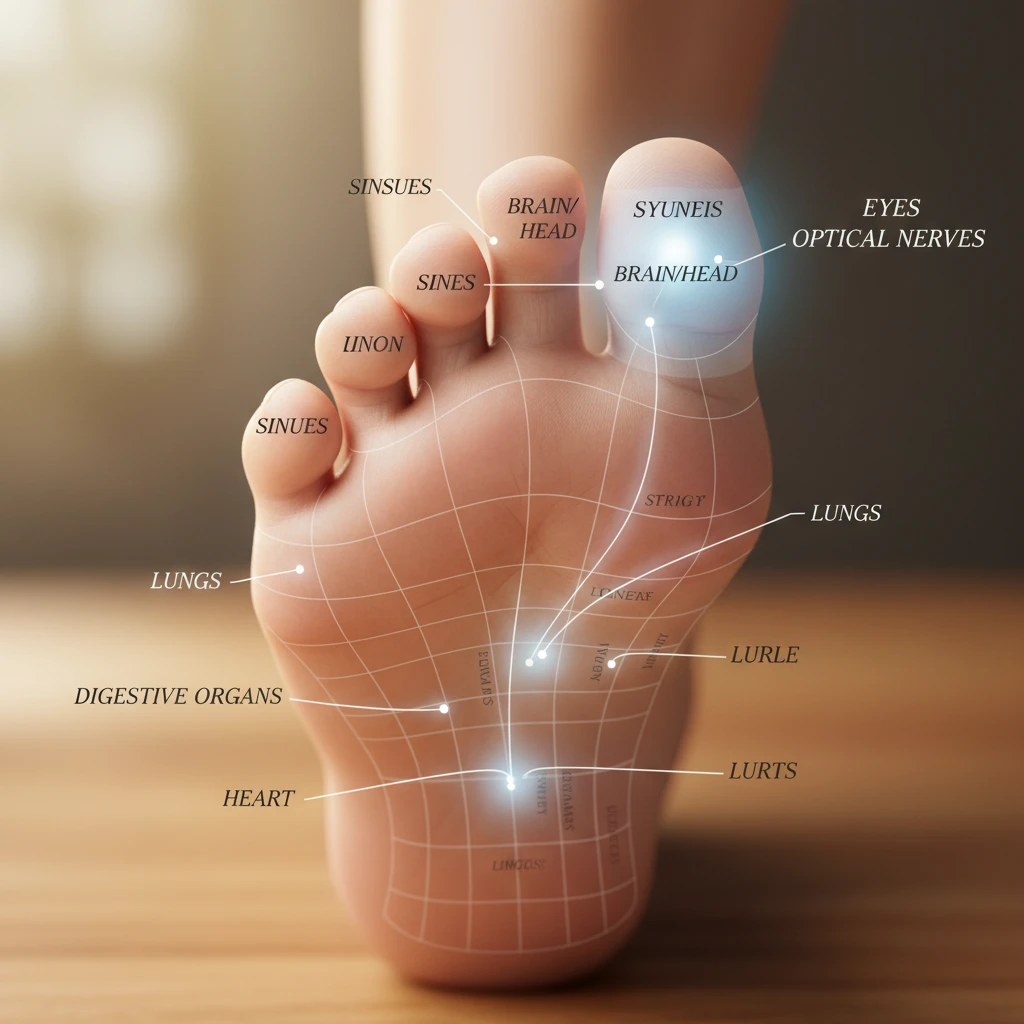
For eye health specifically, reflexology operates on the premise of “Zone Theory.” The body is divided into ten longitudinal zones running from the head to the toes. The eyes are located in the second and third zones. Consequently, the reflexes for the eyes are found on the second and third toes of both feet. The right foot corresponds to the right side of the body (and thus the right eye), while the left foot corresponds to the left eye.
When we stare at screens, our “fight or flight” sympathetic nervous system is often subtly activated due to the intensity of information processing. Reflexology helps switch the body into the parasympathetic state—the “rest and digest” mode—allowing the optical nerves to recover from the high-alert state maintained during work hours.
Mapping the Eye Reflexes: The Second and Third Toes
To effectively utilize reflexology for eye strain, one must first locate the precise reflex points. As mentioned, the primary reflexes for the eyes are located on the plantar aspect (the sole side) of the second and third toes. Specifically, the most active area is often found on the fleshy pad of these toes, just below the nail bed but above the joint where the toe connects to the foot.
Technique for Stimulation
The most effective technique for working these small areas is the “thumb walking” or “caterpillar walk” method. This involves bending and straightening the first joint of the thumb to creep across the specific area, providing a consistent, deep pressure that is more effective than simple rubbing.
When working on these toes, you may encounter what reflexologists call “crystals” or “crunchy” deposits. These are believed to be accumulations of uric acid or calcium deposits that settle in nerve endings. In the context of eye strain, tenderness in the second and third toes is a common indicator of optical stress. By working these crystals out, you are theoretically clearing the energy blockage to the eyes.
Relieving Occipital Tension to Ease Eye Stress
The eyes do not function in isolation. The optical nerve transmits visual information to the visual cortex, located in the occipital lobe at the back of the brain. Furthermore, the muscles controlling eye movement are intricately linked to the suboccipital muscles in the neck. Therefore, to treat eye strain effectively, one must also address neck tension.
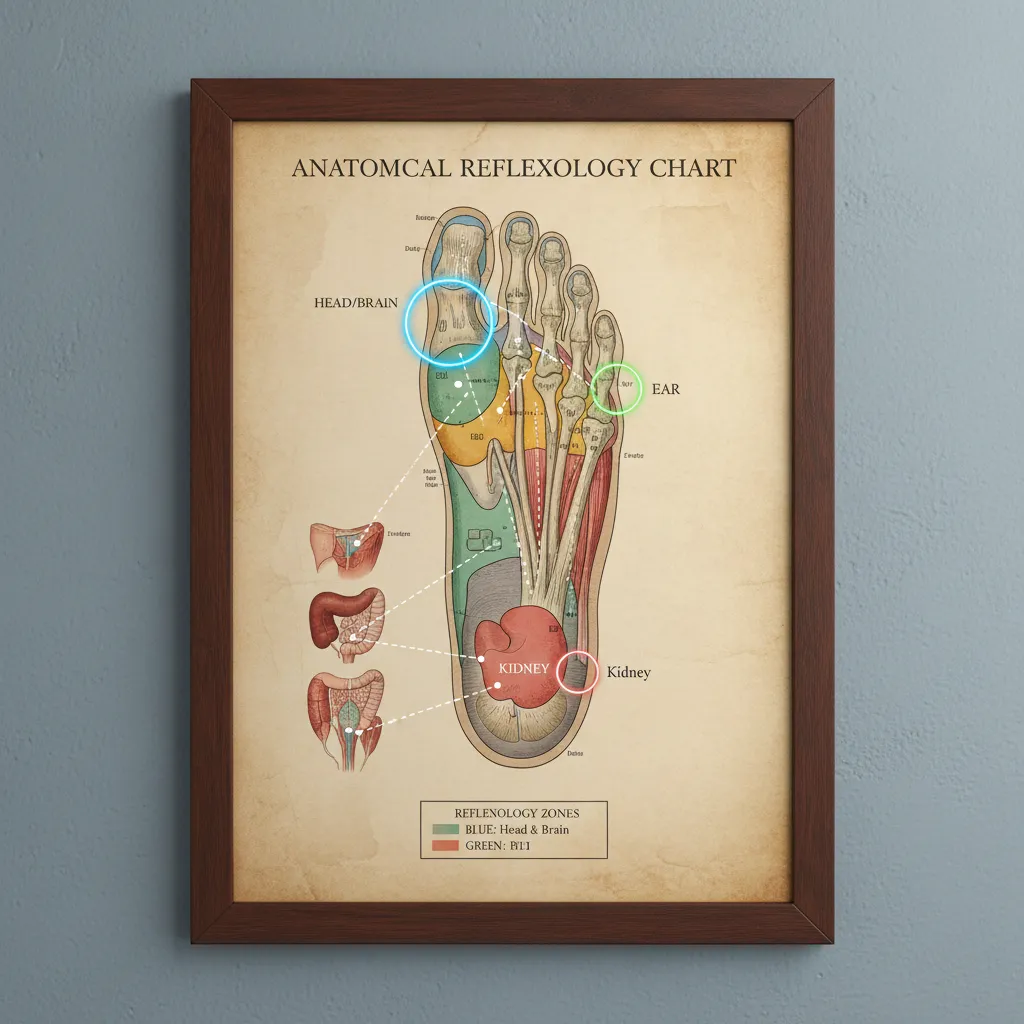
In reflexology, the reflex point for the neck is located at the base of the big toe (hallux). The area where the big toe joins the foot corresponds to the neck, while the pad of the big toe represents the head and brain.
The Neck-Eye Connection
If you suffer from tension headaches alongside eye strain, working the neck reflex is crucial. Rotate the big toe gently to loosen the joint, then use your thumb to walk across the base of the toe from the medial side (inside) to the lateral side. This action mirrors the release of tension in the cervical spine. By relaxing the neck reflexes, you improve blood flow to the head, thereby supporting the eyes and reducing the constriction that often exacerbates headaches.
Boosting Circulation for Tired Eyes
Stagnation is the enemy of healing. When eyes are fatigued, blood flow is often restricted due to muscle tension. To combat this, a comprehensive reflexology session for eye strain should include the kidney and adrenal reflexes, as well as the solar plexus.
- The Solar Plexus Point: Located in the center of the foot, just below the ball of the foot. Pressing this point encourages deep breathing and profound relaxation, which is necessary to lower cortisol levels caused by digital stress.
- Kidney Reflexes: In Traditional Chinese Medicine (TCM), the kidney meridian is the reservoir of the body’s essential energy (Jing), and the liver meridian opens into the eyes. While reflexology differs from acupuncture, many practitioners work the kidney reflex (located in the center of the arch) to flush out toxins and boost overall vitality.
Improving systemic circulation ensures that oxygen-rich blood reaches the fine capillaries of the eyes, aiding in the repair of cellular damage caused by oxidative stress from blue light exposure.
Hand Reflexology: Quick Relief at Your Desk
While foot reflexology is generally considered more potent due to the size of the reflex areas, it isn’t always practical in an office setting. Fortunately, the hands provide a mirror map of the body and are accessible anytime.
The eye reflexes on the hands are located at the base of the index and middle fingers (palm side). To perform a quick “desk rescue”:
- Locate the Point: Find the fleshy ridge at the base of your index and middle fingers on your left hand.
- Apply Pressure: Use your right thumb to press firmly into this area.
- Massage: Use a circular motion or the thumb-walking technique for 30 to 60 seconds.
- Switch Hands: Repeat on the right hand to treat the right eye.
This discreet method can be used during Zoom meetings or short breaks to prevent the buildup of tension throughout the workday.
A Daily Reflexology Routine for Screen Users
To truly combat digital eye strain, consistency is key. Integrating a 10-minute reflexology routine into your evening schedule can significantly improve your ocular health over time. Follow this step-by-step guide:
Step 1: Preparation
Soak your feet in warm water with Epsom salts for 5 minutes. This softens the skin and begins the relaxation process. Dry feet thoroughly.
Step 2: Solar Plexus Breathing
Press your thumb into the solar plexus point (center of the foot, under the ball). Inhale deeply as you press, and exhale as you release. Repeat 3 times on each foot to ground your energy.
Step 3: The Eye Walk
Focus on the second and third toes. Support the toes with one hand and use the thumb of your working hand to “caterpillar walk” up the vertical length of the toe pads and then across the base of the toes. Do this for 2 minutes per foot. If you find a tender spot, hold the pressure for 10 seconds.
Step 4: Neck Release
Move to the big toe. Walk your thumb across the base of the toe where it meets the foot. Perform 5 rotations of the big toe in each direction to loosen the neck area.
Step 5: The Kidney Sweep
Stroke downward from the solar plexus point toward the heel (the kidney and bladder run). This helps flush out the metabolic waste released during the massage.
Complementary Holistic Eye Care Tips
Reflexology is most effective when combined with other healthy habits. To maximize the benefits of your reflexology practice, consider these external adjustments:
- The 20-20-20 Rule: Every 20 minutes, look at something 20 feet away for at least 20 seconds. This breaks the spasm of accommodation in the ciliary muscles.
- Hydration: The eyes are largely composed of fluid. Dehydration exacerbates dry eye symptoms. Drink adequate water to ensure the tissues remain lubricated.
- Lighting Ergonomics: Ensure your room lighting is balanced with your screen brightness. Working in a dark room with a bright screen causes significant strain.
For more detailed information on preventing computer vision syndrome, authoritative resources such as the American Optometric Association provide excellent medical guidelines that pair well with holistic practices.
Frequently Asked Questions
Where is the pressure point for eye strain?
The primary pressure points for eye strain in reflexology are located on the pads of the second and third toes of the feet, as well as the base of the index and middle fingers on the hands.
Does foot reflexology really help with eye problems?
Many holistic practitioners and patients report relief from eye strain through reflexology. By stimulating nerve endings connected to the eyes, it aims to improve circulation and relax ocular muscles, though it should be used as a complementary therapy alongside standard optometric care.
How often should I do reflexology for eye fatigue?
For chronic digital eye strain, a daily 5-10 minute self-massage routine is recommended. Consistency is more important than duration to maintain relaxation in the optical nerves.
Can reflexology improve vision?
Reflexology is not a cure for refractive errors like nearsightedness or farsightedness. However, by reducing eye strain and improving blood flow, it can help vision appear clearer by reducing fatigue-induced blurriness.
What part of the hand is for eyes in reflexology?
On the hands, the eye reflexes are located on the palm side, specifically at the base of the index and middle fingers. Massaging this ridge can provide quick relief.
Why do my second and third toes hurt when rubbed?
Tenderness or a ‘crunchy’ sensation in the second and third toes often indicates congestion or stress in the corresponding eye area. In reflexology, this suggests active eye strain that needs to be worked out gently.