Reflexology myths vs facts are best understood by distinguishing between recreational massage and therapeutic pressure techniques. While myths suggest it is merely a foot rub or a magical cure-all, the facts define reflexology as a complementary therapy that stimulates specific nerve zones to promote homeostasis, reduce stress, and improve circulation throughout the body.
Reflexology has gained significant popularity in wellness hubs like Auckland and globally, yet it remains one of the most misunderstood modalities in the holistic health sphere. For many, the practice is shrouded in mystery, leading to a polarization of opinion: some view it as a miracle cure, while others dismiss it as pseudoscience. To truly appreciate the benefits of Understanding Reflexology: A Comprehensive Guide, we must strip away the hyperbole and examine the physiological realities. By separating fact from fiction, potential clients can approach their sessions with realistic expectations and a better understanding of how their body heals.
Myth #1: Reflexology is Just a Fancy Foot Massage
One of the most pervasive reflexology myths vs facts debates centers on the confusion between a pedicure-style foot rub and clinical reflexology. It is easy to see why this misconception exists; both involve touching the feet, and both can be relaxing. However, the similarities largely end there.
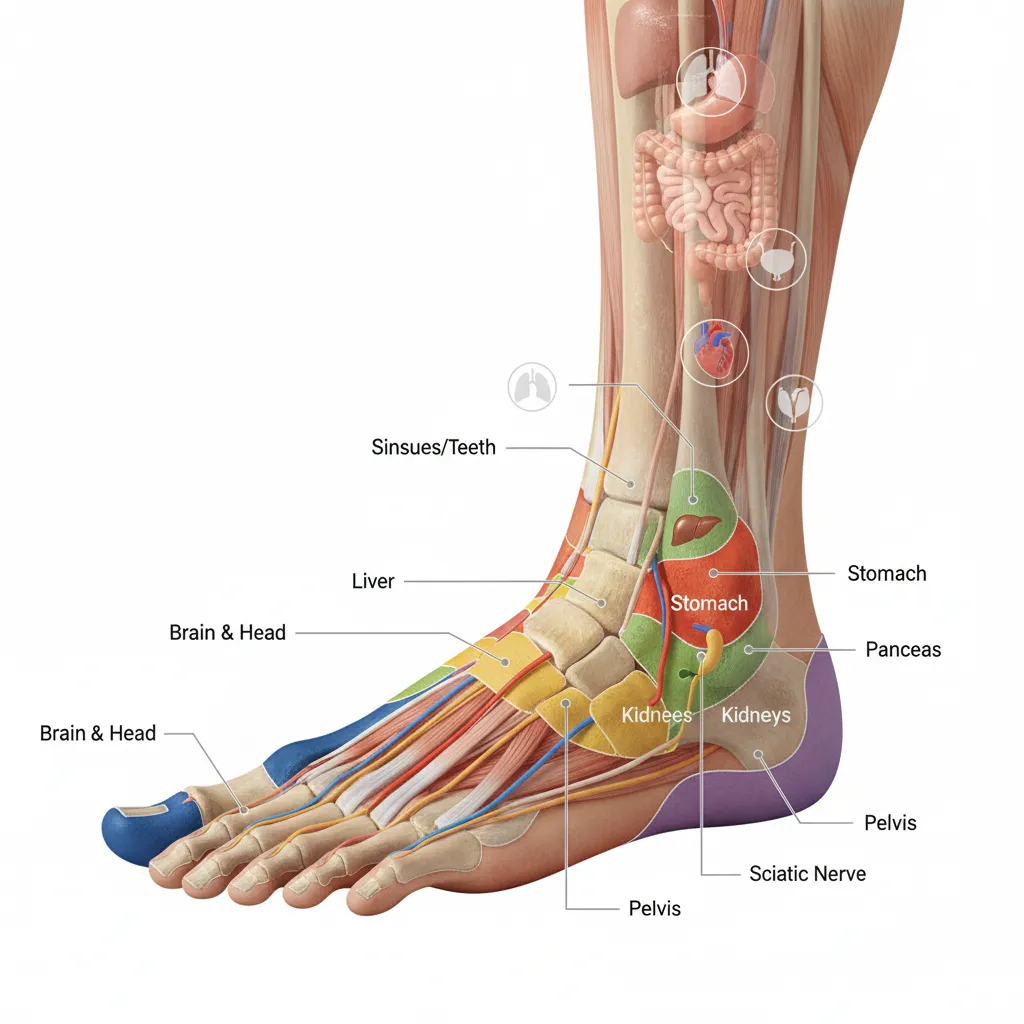
Massage therapy generally focuses on the manipulation of soft tissue—muscles, tendons, and ligaments—to relieve tension and improve flexibility. The strokes are often long, sweeping, and designed to physically work out knots in the muscle fibers. In contrast, reflexology is a pressure-point therapy based on the principle that specific areas on the feet, hands, and ears (known as reflex points) correspond to different organs and systems within the body.
A qualified reflexologist does not merely rub the skin. They utilize specific thumb, finger, and hand techniques—such as thumb-walking and hook-and-backup—to stimulate nerve endings. The goal is not just to relax the foot, but to send a signal through the peripheral nervous system to the central nervous system, triggering a response in a corresponding body part. For example, applying pressure to the tips of the toes is believed to stimulate the head and brain region, while the arch of the foot corresponds to the digestive organs.
While a foot massage feels good, reflexology is functional. It is a systematic approach to healthcare that aims to restore balance (homeostasis) rather than just alleviating local muscle soreness.
Myth #2: Reflexology Can Cure Serious Diseases
This is perhaps the most dangerous myth and one that ethical practitioners fight hard to debunk. You may hear anecdotal stories claiming that reflexology “cured” a specific illness, but it is vital to distinguish between curing a disease and supporting the body’s ability to heal.
Fact: Reflexology is not a medical treatment for specific diseases like cancer, diabetes, or autoimmune disorders. It does not shrink tumors or repair broken bones. Claiming otherwise is irresponsible and legally actionable in many jurisdictions.
However, this does not mean reflexology is ineffective for people suffering from these conditions. The value lies in its role as a complementary therapy. By reducing stress and anxiety, improving sleep, and increasing blood circulation, reflexology creates an optimal environment for the body to function. When the body is in a state of deep relaxation (parasympathetic dominance), its natural healing mechanisms are more efficient.
For instance, cancer patients undergoing chemotherapy often use reflexology to manage side effects such as nausea, neuropathy, and fatigue. It is not treating the cancer; it is treating the person, improving their quality of life and resilience during medical treatment. For authoritative information on complementary health approaches, resources like the National Center for Complementary and Integrative Health (NCCIH) provide evidence-based overviews.
Myth #3: The Treatment is Always Painful or Ticklish
Many potential clients avoid booking a session because they are either terrified of pain or worried they will kick the therapist due to ticklishness. These concerns fall firmly into the “myth” category when a skilled practitioner is involved.
Addressing the Ticklish Factor
Ticklishness is usually triggered by light, feathery strokes. A professional reflexologist uses firm, grounded pressure. The grip is secure, and the movements are deliberate. Most clients who identify as “extremely ticklish” find that they have no issue with reflexology because the type of touch is fundamentally different from a light tickle. If a client does experience sensitivity, the therapist can adjust their hold to be firmer, which bypasses the tickle response.
Addressing the Pain Factor
Reflexology should not be excruciating. There is a concept known as “good pain” or “therapeutic discomfort,” which occurs when a practitioner works on a congested reflex point. This might feel like a bruise being pressed or a sharp sensation, indicating an imbalance in the corresponding area of the body. However, this sensation should be fleeting.
If the pain causes the client to tense up or withdraw, the therapy becomes counterproductive. A good therapist works within the client’s pain threshold. The goal is to break down deposits (often described as feeling like sugar crystals under the skin) and clear energy blockages, not to induce trauma.
Myth #4: It Is Only a Placebo Effect
Skeptics often argue that any benefit derived from reflexology is purely psychological—the result of the placebo effect. While the placebo effect is a component of all therapeutic interventions (including pharmaceutical trials), dismissing reflexology as only placebo ignores the physiological responses observed in studies.
Research using EEG (measuring brain waves) and fMRI has shown changes in brain activity when specific reflex points are stimulated. Furthermore, reflexology has been shown to impact the autonomic nervous system, shifting the body from a “fight or flight” sympathetic state to a “rest and digest” parasympathetic state. This shift results in measurable physical changes: lowered heart rate, reduced blood pressure, and decreased levels of cortisol (stress hormone).
While the exact mechanism of action—whether it is the Zone Theory, meridian pathways, or connective tissue manipulation—is still being researched, the physiological outcomes are tangible and go beyond simple belief.
Myth #5: Reflexologists Can Diagnose Medical Conditions
If a reflexologist tells you that you have gallstones or a kidney infection based solely on touching your feet, you should be wary. One of the critical reflexology myths vs facts distinctions is the scope of practice.
Fact: Reflexologists do not diagnose, prescribe, or treat specific medical conditions. They assess the feet for “imbalances,” “congestion,” or “sensitivity” in specific zones.
For example, if a client feels tenderness in the area corresponding to the liver, the reflexologist might say, “There seems to be some congestion in the liver reflex area.” They would not say, “You have liver disease.” This congestion could simply mean the organ is working hard, perhaps due to a rich meal the night before or general stress. An ethical therapist will always refer a client to a medical doctor if they suspect a serious underlying issue.
Myth #6: Reflexology Is Unsafe During Pregnancy
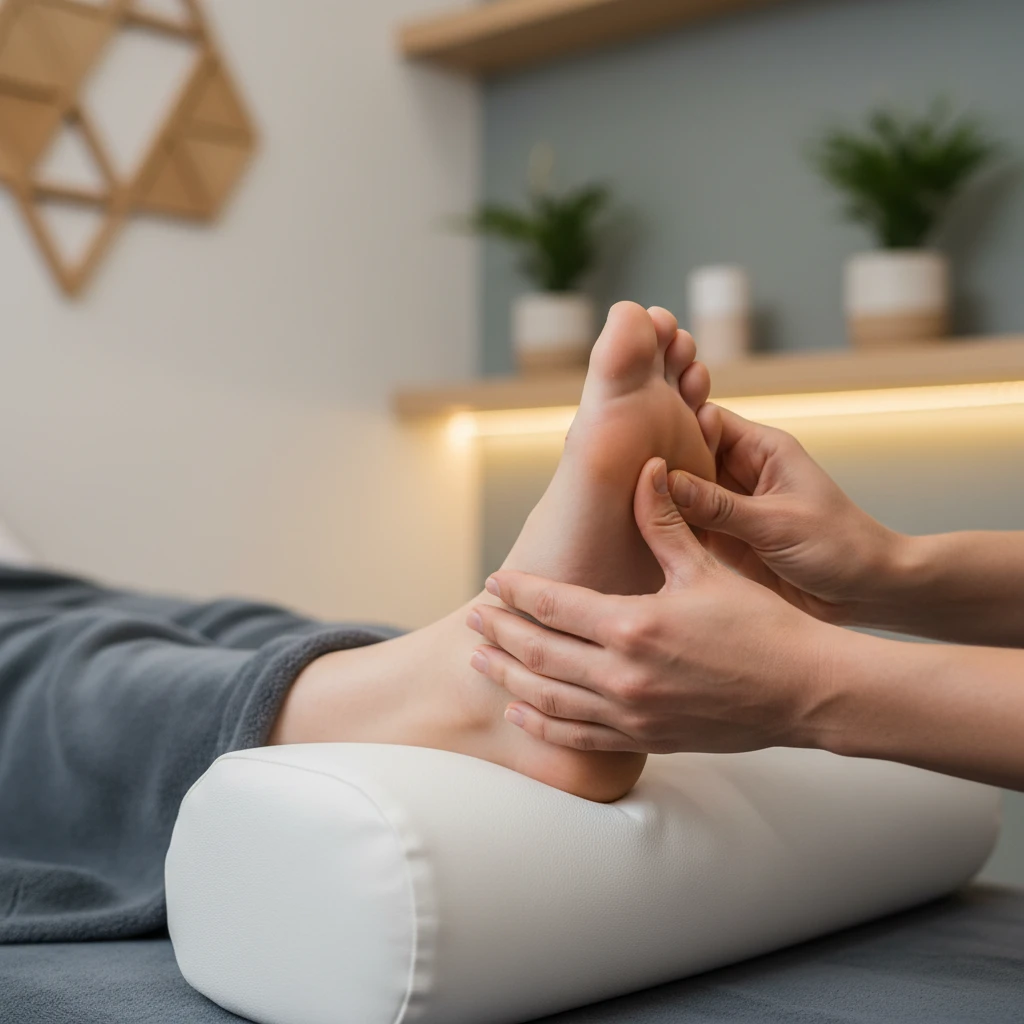
This myth stems from an abundance of caution. It is often said that stimulating the reproductive reflexes (located around the ankles) can induce labor or cause miscarriage. Consequently, some spas refuse to treat pregnant women, especially in the first trimester.
Fact: When performed by a specialist trained in maternity reflexology, the treatment is considered safe and highly beneficial during pregnancy. It can help alleviate common pregnancy symptoms such as back pain, swelling (edema), insomnia, and morning sickness.
The caveat is training. A generalist with no maternity training should avoid working on pregnant clients. However, a specialist knows which areas to sedate rather than stimulate. In fact, many midwives recommend reflexology to help prepare the body for labor once the due date has passed, as it can help relax the pelvic floor and reduce adrenaline, facilitating natural birth processes.
The Science Behind the Soles: Genuine Therapeutic Outcomes
Moving beyond the myths, what are the proven facts? Why do people in Auckland and around the world continue to book appointments? The answer lies in the genuine therapeutic outcomes associated with the practice.
Improved Circulation
The extremities (hands and feet) often suffer from poor circulation. The physical manipulation of the feet improves blood flow and lymphatic drainage. This is particularly beneficial for diabetics or those with sedentary lifestyles, and for Accelerating Sports Injury Recovery.
Nerve Function Stimulation
As we age, nerve endings in our feet can become less sensitive. By stimulating more than 7,000 nerve endings in the feet, reflexology opens and clears neural pathways. This is consistent with the Gate Control Theory of pain, suggesting that non-painful input closes the “gates” to painful input, which prevents pain sensation from traveling to the central nervous system.
Holistic Balance
Reflexology views the body as an interconnected whole. By addressing the entire map of the body on the feet, the therapy ensures that no system is overlooked. It supports the body’s own efforts to heal itself, a concept central to many traditional medicine systems. For further reading on the history and acceptance of such therapies, Wikipedia’s entry on Reflexology offers a broad historical context.
Conclusion: Embracing the Facts
Navigating the world of reflexology myths vs facts reveals a therapy that is grounded in anatomy and physiology, yet often misunderstood. It is not a magic wand that cures cancer, nor is it a frivolous foot rub. It is a powerful, non-invasive modality that reduces stress, improves circulation, and supports the body’s natural equilibrium.
Whether you are seeking relief from chronic pain, looking to manage stress, or simply want to maintain good health, understanding the reality of reflexology ensures you get the most out of your treatment. When looking for a practitioner, whether in Reflexology Auckland circles or elsewhere, always look for certification and a clear understanding of these boundaries. By separating fact from fiction, we open the door to genuine healing and wellness.
People Also Ask
What is the scientific proof of reflexology?
While large-scale clinical trials are still ongoing, several studies have shown reflexology to be effective in reducing pain, anxiety, and depression. It can also be beneficial for Managing PCOS Symptoms Naturally. Research indicates it impacts the autonomic nervous system, lowering blood pressure and heart rate. Imaging studies (fMRI) have also demonstrated a correlation between stimulating foot reflexes and activity in the corresponding brain areas.
Can reflexology induce labor?
Reflexology cannot force the body into labor if it is not ready. However, it is commonly used to support the onset of labor in full-term pregnancies by promoting deep relaxation and reducing adrenaline, which can inhibit the production of oxytocin (the hormone required for contractions).
How often should you get reflexology?
The frequency depends on your health goals. for chronic conditions, a weekly session for 4-6 weeks is often recommended to see cumulative benefits. For general maintenance and stress relief, a session every 4-6 weeks is usually sufficient.
Does reflexology release toxins?
Reflexologists often speak of “releasing toxins,” which physiologically refers to improving lymphatic drainage and blood circulation. This helps the body more efficiently process and eliminate metabolic waste products (like lactic acid) through the kidneys and skin.
Is reflexology legitimate?
Yes, reflexology is a legitimate complementary therapy recognized by the National Center for Complementary and Integrative Health (NCCIH) and various national health services globally. It is widely used in palliative care, oncology, and maternity wards to support patient well-being.
What are the negative side effects of reflexology?
Side effects are generally mild and referred to as a “healing crisis.” They can include increased urination, fatigue, mild headache, or emotional release (crying). These symptoms typically subside within 24 hours and are seen as a sign that the body is rebalancing.