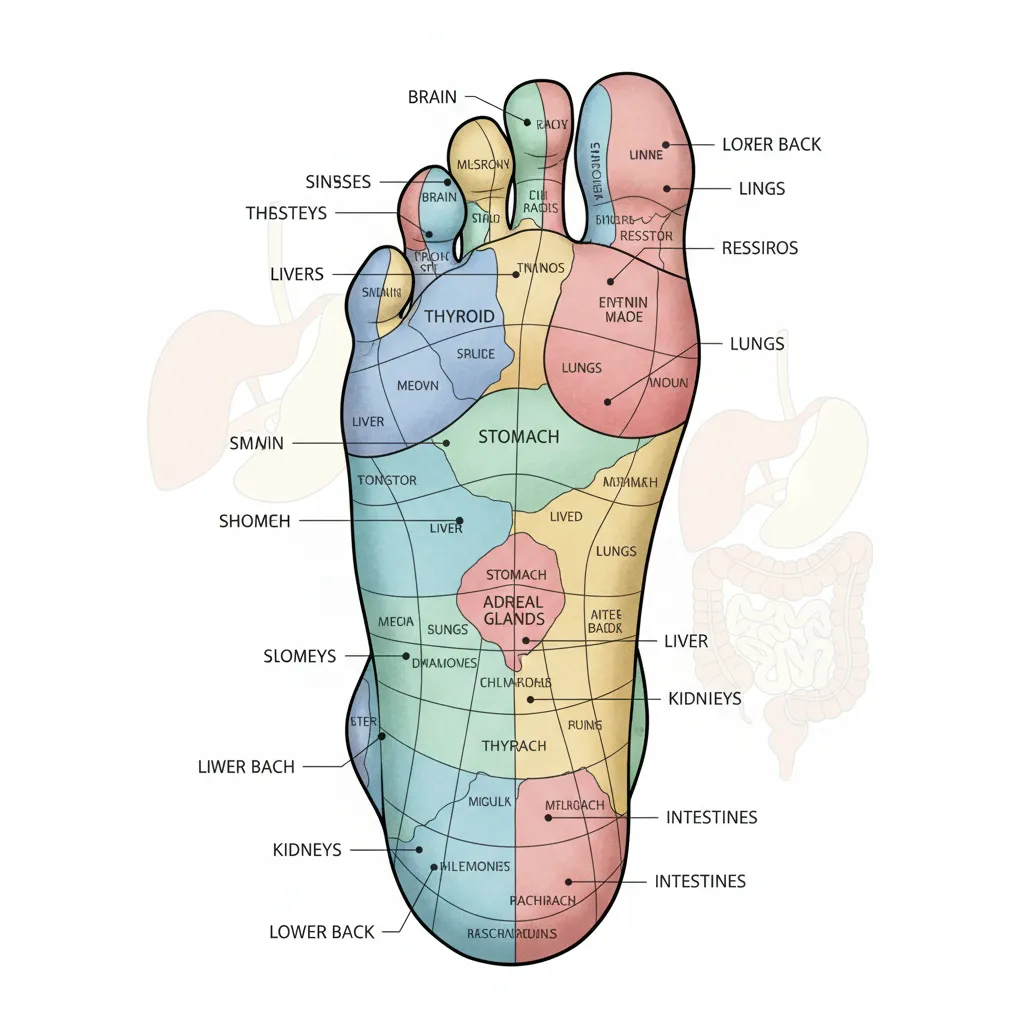
Acid reflux and Gastroesophageal Reflux Disease (GERD) affect millions, causing discomfort and impacting quality of life. While conventional medicine offers various treatments, many individuals seek complementary therapies to manage symptoms and promote overall digestive well-being. Among these, reflexology stands out as a promising, non-invasive approach that focuses on stimulating specific points on the feet, hands, or ears to encourage healing and balance in corresponding body parts.
Reflexology for acid reflux is a complementary therapy that involves applying pressure to specific reflex points, primarily on the feet, corresponding to digestive organs and systems like the stomach, esophagus, and diaphragm. This technique aims to alleviate reflux symptoms by promoting relaxation, reducing tension, improving circulation, and encouraging the body’s natural healing processes.
Understanding Acid Reflux and GERD
Acid reflux occurs when stomach acid flows back into the esophagus, leading to symptoms like heartburn, regurgitation, and a sour taste. When these symptoms become chronic and interfere with daily life, it’s often diagnosed as Gastroesophageal Reflux Disease (GERD). The condition is often exacerbated by lifestyle factors, diet, and sometimes underlying physiological issues such as a weakened lower esophageal sphincter (LES) or a hiatal hernia. Understanding the mechanisms behind these conditions is crucial for effective management.
Conventional treatments for acid reflux and GERD typically involve lifestyle modifications, antacids, H2 blockers, and proton pump inhibitors (PPIs). While these can be effective in managing symptoms, some individuals experience side effects or seek alternative methods for long-term relief and holistic improvement. This is where complementary therapies like reflexology can play a significant role, offering a different pathway to encourage the body’s self-healing capabilities.
Reflexology, within a holistic framework, views the body as an integrated system. Instead of directly treating the esophagus or stomach, it works on the premise that stimulating specific points on the feet or hands can trigger a response in corresponding organs and glands, thereby promoting balance and reducing stress that might contribute to reflux symptoms. This approach seeks to address not just the symptoms but also potential underlying imbalances that contribute to digestive distress.
The Principles of Reflexology for Digestive Health
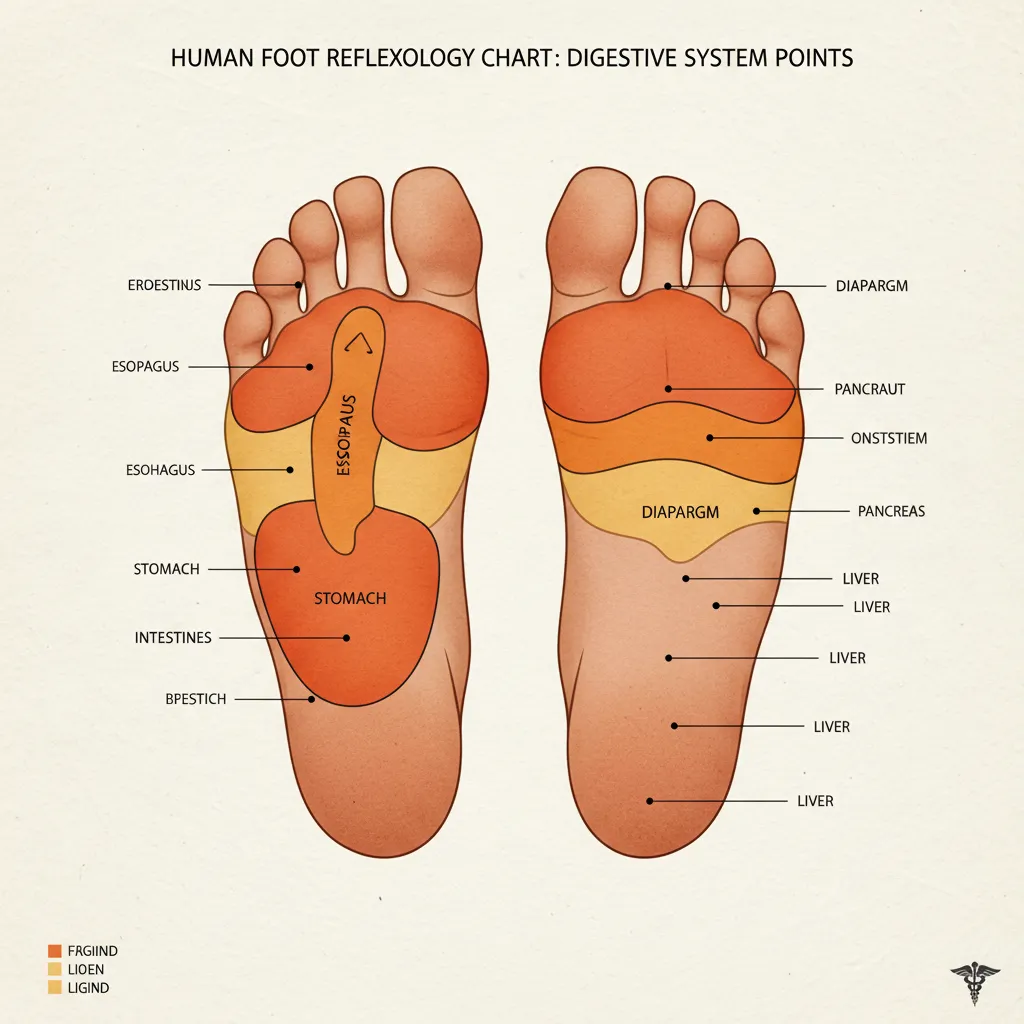
Reflexology is an ancient healing art based on the principle that there are reflex areas on the feet, hands, and ears that correspond to all organs, glands, and parts of the body. By applying pressure to these reflex areas, a reflexologist can stimulate the body’s natural healing processes and restore balance. For digestive health, the focus is often on points corresponding to the stomach, intestines, liver, pancreas, and diaphragm.
The theoretical basis suggests that stimulation of these points can improve blood circulation, reduce tension, and facilitate nerve impulses to the corresponding organs. This improved function can help the digestive system operate more efficiently, potentially reducing symptoms like indigestion, bloating, and crucially, acid reflux. Reflexology also promotes deep relaxation, which is known to positively impact the vagus nerve and the parasympathetic nervous system, both vital for healthy digestion and stress reduction – a major trigger for GERD.
A session typically involves the reflexologist using their thumbs and fingers to apply specific pressure techniques to these reflex points. The pressure is usually firm but should not be painful. Clients often report feelings of deep relaxation during and after a session, alongside improvements in their specific health concerns. Regular sessions are often recommended to achieve sustained benefits, especially for chronic conditions like GERD.
Soothing the Stomach Reflex
One of the primary areas of focus in reflexology for acid reflux is the stomach reflex point. By directly addressing the area corresponding to the stomach, reflexologists aim to improve its function, reduce acidity, and calm any spasms or irritation contributing to reflux symptoms. This direct approach can be particularly beneficial for immediate symptom relief and long-term digestive comfort.
Locating the Stomach Reflex Point
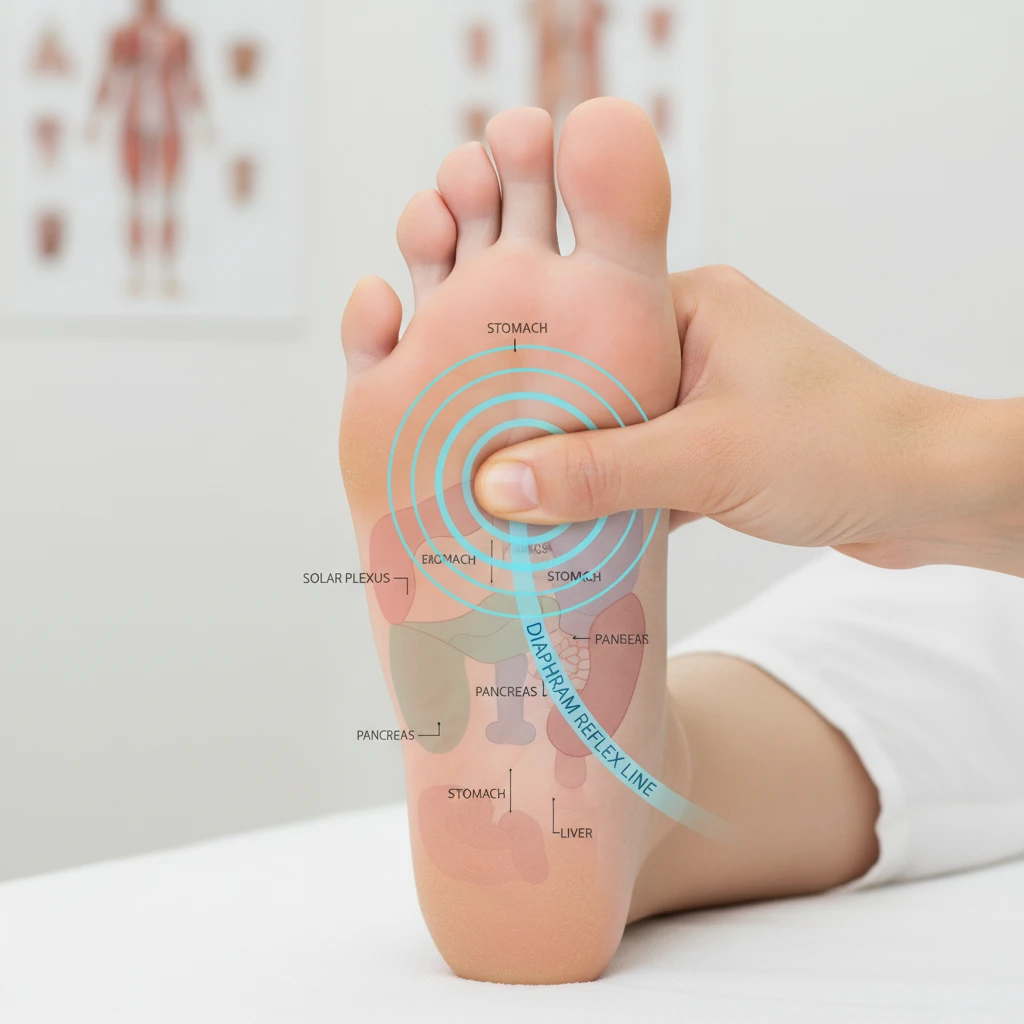
The stomach reflex point is primarily found on the sole of the left foot, just below the ball of the foot, in the padded area. It’s often described as being in the arch area, specifically on the medial (inner) side. On the right foot, a smaller corresponding area for the pyloric end of the stomach is also present, but the main body of the stomach is mapped predominantly to the left foot. Identifying this point accurately is the first step towards effective self-treatment or professional application.
For hands, the stomach reflex is located on the palm, just below the padded area at the base of the thumb, extending into the center of the palm. While foot reflexology is generally more common and often considered more potent due to larger reflex areas, hand reflexology offers a convenient alternative for self-care, particularly when foot access is difficult or impractical.
Application Techniques
Once the stomach reflex point is located, various techniques can be applied. A common method involves using the thumb to apply steady, gentle pressure in a circular motion, or a ‘thumb walking’ technique, where the thumb slowly inches forward, pressing into the tissue. The pressure should be firm enough to feel, but not cause pain. It’s important to work the entire reflex area, covering it thoroughly.
Sessions on the stomach reflex typically last for several minutes. The goal is to stimulate the area, promoting blood flow and nerve energy to the stomach. This stimulation is believed to help normalize stomach acid production, reduce inflammation, and encourage the stomach to function more smoothly. Consistent application, even for short periods daily, can contribute to significant relief over time, especially when combined with other beneficial reflex points.
Addressing Diaphragm Tension and Reflux
The diaphragm, a dome-shaped muscle located at the base of the chest, plays a critical role in both breathing and preventing acid reflux. It acts as a natural barrier, helping to keep stomach acid in its place. Tension or dysfunction in the diaphragm can weaken this barrier, contributing to the occurrence of reflux, especially in cases involving a hiatal hernia where part of the stomach pushes through the diaphragm.
The Diaphragm’s Role in GERD
The diaphragm has an opening, the esophageal hiatus, through which the esophagus passes to connect to the stomach. The lower esophageal sphincter (LES) works in conjunction with the diaphragm to prevent reflux. When the diaphragm is tense or weak, it may not adequately support the LES, allowing stomach contents to escape into the esophagus. Chronic stress, poor posture, and even certain types of exercise can lead to diaphragmatic tension, exacerbating reflux symptoms.
Addressing this tension is vital for holistic relief. Reflexology offers a way to target this often-overlooked muscular component, aiming to release tightness and improve the diaphragm’s overall function and coordination with the LES. This indirect approach can significantly enhance the body’s natural defense against acid reflux.
Reflexology for Diaphragmatic Release
The diaphragm reflex point is located across the ball of the foot, forming a line that separates the pads of the toes from the main arch of the foot. It’s a broad area that spans the width of the foot. On the hands, it’s found similarly across the palm, below the fingers, at the base of the thumb and fingers.
To work the diaphragm reflex, a common technique involves ‘thumb walking’ across this entire line, applying even pressure. The aim is to release any perceived tightness or ‘grittiness’ in the area, which reflexologists often associate with tension in the corresponding body part. Gentle, sweeping motions and sustained pressure can also be used. By encouraging relaxation in the diaphragm, reflexology can help strengthen its role as a reflux barrier, potentially reducing the frequency and severity of symptoms. This can also lead to improved breathing and overall relaxation, further aiding digestive processes.
Supporting Esophageal Sphincter Function
The lower esophageal sphincter (LES) is a ring of muscle that acts as a valve between the esophagus and the stomach. Its primary job is to open to allow food into the stomach and then close tightly to prevent stomach acid from flowing back up. A weak or improperly functioning LES is a hallmark of acid reflux and GERD. While reflexology cannot physically strengthen a muscle, it aims to support its optimal function through indirect stimulation and systemic balance.
Understanding the Lower Esophageal Sphincter (LES)
The LES is crucial in preventing acid reflux. Factors like certain foods, medications, pregnancy, obesity, and even stress can cause the LES to relax inappropriately, leading to reflux. Maintaining the integrity and proper function of the LES is paramount for managing GERD symptoms. Reflexology, by promoting overall relaxation and balancing the nervous system, can indirectly contribute to better LES function.
The enteric nervous system, often called the ‘second brain,’ plays a significant role in digestive processes, including sphincter control. By reducing stress and improving nerve communication through reflexology, the aim is to help the body’s intrinsic mechanisms for LES regulation operate more effectively. This supportive role is where reflexology shines, working in harmony with the body’s natural physiological processes.
Indirect Reflexology for LES Support
There isn’t a single, universally agreed-upon ‘LES reflex point’ in the same direct way as for organs. Instead, supporting the LES through reflexology involves a combination of techniques that influence related systems. This includes working points related to the esophagus itself, the vagus nerve, and points that promote overall relaxation and nervous system balance.
The esophagus reflex runs along the inner edge of the big toe and the area just below it on both feet, extending towards the stomach reflex. Applying gentle, upward strokes along this line can encourage the proper direction of peristalsis and help alleviate tension in the esophageal pathway. Additionally, working the solar plexus reflex (located in the center of the ball of the foot/palm) is crucial. The solar plexus is a major nerve center that affects stress responses and digestive function. Stimulating this point can induce deep relaxation, which in turn can reduce inappropriate LES relaxations often triggered by stress.
Moreover, reflex points for the adrenal glands (located near the kidneys reflex) can be worked to help balance the body’s stress response, further contributing to improved LES function. The combination of these points creates a holistic approach that supports the entire digestive tract and the critical LES mechanism.
Timing Sessions Around Meals for Optimal Results
For individuals seeking to integrate reflexology into their daily routine for acid reflux relief, the timing of sessions can be an important consideration. While reflexology is generally safe and beneficial at any time, strategizing when to apply pressure to certain reflex points might enhance their effectiveness, particularly in relation to the digestive process.
Pre-Meal and Post-Meal Considerations
Performing reflexology sessions before meals can be beneficial for preparing the digestive system. Stimulating the stomach, small intestine, and large intestine reflexes approximately 15-30 minutes before eating can help ‘wake up’ the digestive organs, improve blood flow, and potentially optimize the secretion of digestive enzymes. This can lead to more efficient digestion, reducing the likelihood of undigested food sitting in the stomach and contributing to reflux.
Alternatively, some individuals find relief by performing reflexology after meals, particularly for addressing feelings of fullness, bloating, or immediate post-meal heartburn. A gentle, short session (5-10 minutes) about an hour or two after eating, focusing on the stomach, diaphragm, and solar plexus reflexes, can aid in digestion and promote relaxation, which may help the LES function correctly and reduce post-prandial reflux. However, it’s generally advised to avoid vigorous reflexology immediately after a large meal, as the body’s energy is heavily concentrated on digestion.
Consistency is Key
Regardless of the specific timing chosen, consistency is paramount. Short, regular reflexology sessions (e.g., 5-10 minutes once or twice a day) tend to yield better long-term results than infrequent, longer sessions. Establishing a routine helps the body to respond more predictably to the stimulation and reinforces the therapeutic effects over time. Incorporating reflexology into daily self-care rituals, such as before bedtime or during a quiet moment in the morning, can make it a sustainable practice for managing acid reflux. Listening to your body and noting when symptoms typically occur can also help in fine-tuning the optimal timing for your individual needs.
Integrating Reflexology with Conventional Care
It is crucial to understand that reflexology is a complementary therapy and should not replace conventional medical treatment for acid reflux or GERD. Instead, it works best when integrated thoughtfully alongside the advice and prescriptions of your healthcare provider. Many people find that by combining both approaches, they achieve more comprehensive relief and an improved quality of life.
Always inform your doctor if you are considering or actively pursuing reflexology for your condition. This ensures that all aspects of your health are monitored, and any potential interactions or contraindications can be discussed. For instance, if you are on medications that thin the blood, certain reflexology techniques might need to be adjusted. Your doctor can also help assess your progress and determine if any adjustments to your conventional treatment plan are appropriate as your symptoms improve with complementary therapies.
Reflexology can be particularly beneficial in managing the stress component of GERD. Stress is a well-known trigger for reflux symptoms, and reflexology’s ability to induce deep relaxation can be a powerful adjunct to medical treatments. For more information on GERD and its conventional treatments, you can consult authoritative medical resources like the National Institute of Diabetes and Digestive and Kidney Diseases (NIDDK), which provides comprehensive overviews of the condition.
Self-Care Techniques and Professional Guidance
While professional reflexology sessions offer a deeply therapeutic experience, incorporating self-care techniques can empower individuals to take an active role in managing their acid reflux. Learning basic self-reflexology can provide daily relief and reinforce the benefits of professional sessions.
Basic Self-Reflexology Tips
For self-care, focus on the stomach, diaphragm, and solar plexus reflex points on your feet or hands. Use your thumb or fingers to apply gentle to medium pressure, using small circular motions or a ‘thumb walking’ technique. Work each area for 1-3 minutes. Pay attention to any tender spots; these often indicate areas of imbalance. You can use a small amount of lotion or oil to make the massage smoother. Consistency is more important than intensity. Incorporating this into a daily routine, perhaps in the morning or before bed, can be very effective.
Additionally, general relaxation techniques such as deep breathing exercises performed during self-reflexology can amplify the benefits, helping to calm the nervous system and promote digestive ease. Remember to always be gentle and stop if you experience any pain.
When to Seek a Certified Reflexologist
While self-care is valuable, the expertise of a certified reflexologist cannot be overstated. A professional has extensive training in identifying specific reflex points, understanding their correlations, and applying precise techniques to address individual needs. They can detect subtle imbalances that might be missed during self-application and offer a more comprehensive and potent treatment.
Consider seeking a professional reflexologist if your symptoms are persistent, if you’re new to reflexology, or if you simply prefer a deeper, more relaxing session. A professional can also guide you on the most effective self-care practices tailored to your specific condition. To find a qualified practitioner, look for certifications from reputable organizations, and don’t hesitate to ask about their experience with digestive issues. You can often find accredited professionals through national reflexology associations or directories, such as those listed by the general information available on Wikipedia about Reflexology, which often links to professional bodies.
Reflexology offers a profound and holistic pathway to support individuals grappling with acid reflux and GERD. By working on specific reflex points related to the stomach, diaphragm, and overall digestive system, it aims to reduce tension, improve circulation, balance nerve function, and promote the body’s innate healing capacities. This complementary therapy, when integrated thoughtfully with conventional medical care and consistent self-application, can significantly contribute to symptom management, enhance digestive well-being, and foster a deeper sense of relaxation and holistic health.
People Also Ask
Is reflexology safe for acid reflux?
Yes, reflexology is generally considered safe for acid reflux and GERD. It is a non-invasive, gentle therapy. However, it should be used as a complementary treatment and not a replacement for medical advice or prescribed medications. Always consult with your doctor, especially if you have underlying health conditions or are pregnant.
Which foot reflexology points are best for acid reflux?
For acid reflux, key reflexology points include the stomach (primarily on the left foot’s arch), the diaphragm (a line across the ball of the foot), and the solar plexus (center of the ball of the foot/palm). Points related to the esophagus (inner edge of the big toe) and adrenal glands can also be beneficial for holistic support and stress reduction.
How often should I do reflexology for GERD?
For chronic conditions like GERD, consistency is key. Many people find benefit from short daily self-reflexology sessions (5-10 minutes) combined with professional sessions once a week or every two weeks initially, then reducing frequency as symptoms improve. Your reflexologist can provide a personalized plan.
Can reflexology cure acid reflux?
Reflexology is not a cure for acid reflux or GERD. It is a complementary therapy aimed at managing symptoms, promoting relaxation, and supporting the body’s natural healing processes. It can significantly reduce the frequency and intensity of symptoms, but it should be part of a comprehensive treatment plan that may include diet, lifestyle changes, and medical interventions.
Are there any side effects of reflexology for reflux?
Reflexology is generally well-tolerated with few side effects. Some individuals may experience temporary reactions like increased urination, bowel movements, or a feeling of tiredness as the body processes toxins. Rarely, mild soreness in the treated areas might occur. These are usually mild and short-lived. Always ensure the pressure is comfortable and not painful.
Does stress impact acid reflux, and can reflexology help?
Yes, stress is a major trigger and aggravator of acid reflux and GERD. It can increase stomach acid production and relax the lower esophageal sphincter. Reflexology is highly effective at inducing deep relaxation, reducing stress, and balancing the nervous system, which can significantly alleviate stress-induced reflux symptoms and improve overall digestive function.