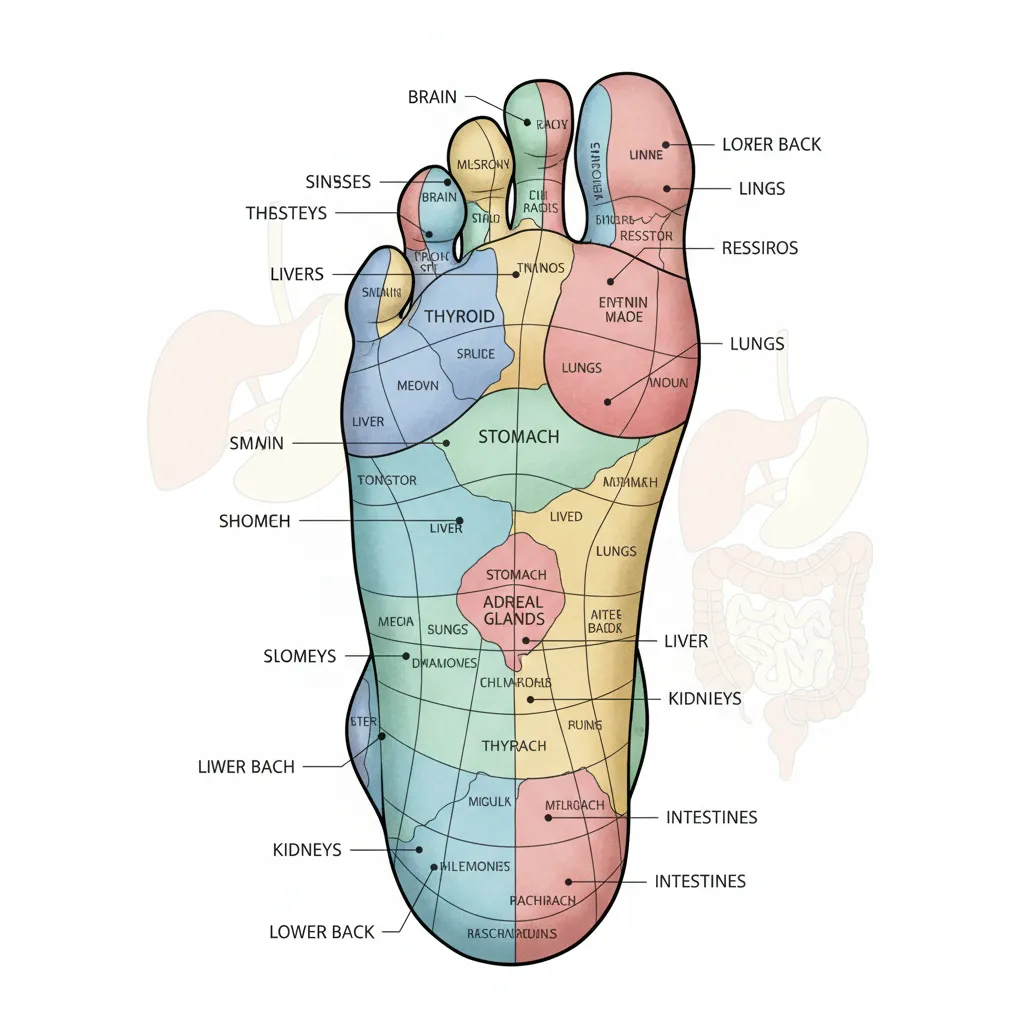
Reflexology for acid reflux involves stimulating specific pressure points on the feet, hands, or ears that correspond to digestive organs like the stomach, esophagus, and diaphragm. This complementary therapy aims to promote relaxation, reduce tension, and improve the body’s natural healing mechanisms, potentially alleviating symptoms of acid reflux and GERD.
What is Reflexology for Acid Reflux?
Acid reflux, or gastroesophageal reflux disease (GERD) when chronic, is a common condition where stomach acid flows back into the esophagus, causing discomfort, heartburn, and other symptoms. While conventional treatments exist, many individuals seek complementary therapies to manage their symptoms. Reflexology, an ancient healing art, offers a non-invasive approach that focuses on stimulating specific points on the body’s extremities.
Reflexology posits that distinct areas on the feet, hands, and ears are interconnected with various organs and systems throughout the body via energetic pathways or nerve endings. By applying targeted pressure to these ‘reflex points,’ a reflexologist aims to restore balance, improve circulation, and encourage the body’s inherent ability to heal itself. For those experiencing acid reflux, the focus is on points related to the digestive system, including the stomach, esophagus, diaphragm, and associated glands. For a deeper understanding of this practice, refer to Understanding Reflexology: A Comprehensive Guide.
The underlying principle is that by addressing these reflex points, one can potentially influence the corresponding organs, reducing inflammation, easing muscle tension, and regulating digestive processes. While reflexology is not a cure for GERD, many practitioners and recipients report significant relief from symptoms, often attributing it to the deep relaxation it induces and its potential to optimize bodily functions.
It’s crucial to understand that reflexology is considered a complementary therapy and should not replace conventional medical advice or treatments for acid reflux or GERD. Instead, it can serve as a supportive tool within a broader holistic health strategy.
The Science Behind Reflexology and Digestion
While the precise mechanisms are still a subject of ongoing research, several theories attempt to explain how reflexology might influence digestive health and conditions like acid reflux. One prominent theory centers on the nervous system. Our feet and hands are densely packed with nerve endings. Stimulating these points is believed to send signals through the nervous system to the corresponding organs.
This neurological connection might involve the autonomic nervous system, which controls involuntary bodily functions like digestion, heart rate, and breathing. By promoting a state of deep relaxation, reflexology can shift the body from a ‘fight or flight’ (sympathetic) response to a ‘rest and digest’ (parasympathetic) state. In this relaxed state, digestive processes are optimized, blood flow to the digestive organs increases, and muscle tension, which can exacerbate reflux, may decrease.
Connection to the Vagus Nerve
A specific nerve of interest in the context of digestion is the vagus nerve. The vagus nerve is a major component of the parasympathetic nervous system, extending from the brainstem to the abdomen, playing a critical role in controlling digestive motility, stomach acid secretion, and the integrity of the esophageal sphincter. Some proponents suggest that reflexology, particularly on points related to the diaphragm and upper abdomen, could indirectly stimulate vagal activity. Enhanced vagal tone is associated with improved digestive function and reduced inflammation, potentially offering relief for reflux symptoms.
Another theory involves the concept of energy zones or meridians, similar to those in Traditional Chinese Medicine. Blockages in these energy pathways are believed to cause imbalances and illness. Reflexology aims to clear these blockages, allowing energy (qi) to flow freely, thereby restoring health. While this theory is less empirically validated by Western science, it forms a foundational aspect of many holistic practices.
Furthermore, the physical act of applying pressure can improve local circulation, which might aid in nutrient delivery and waste removal from tissues. The psychological benefits, such as stress reduction and improved mood, also play a significant role, as stress is a known trigger for acid reflux symptoms.
Soothing the Stomach Reflex
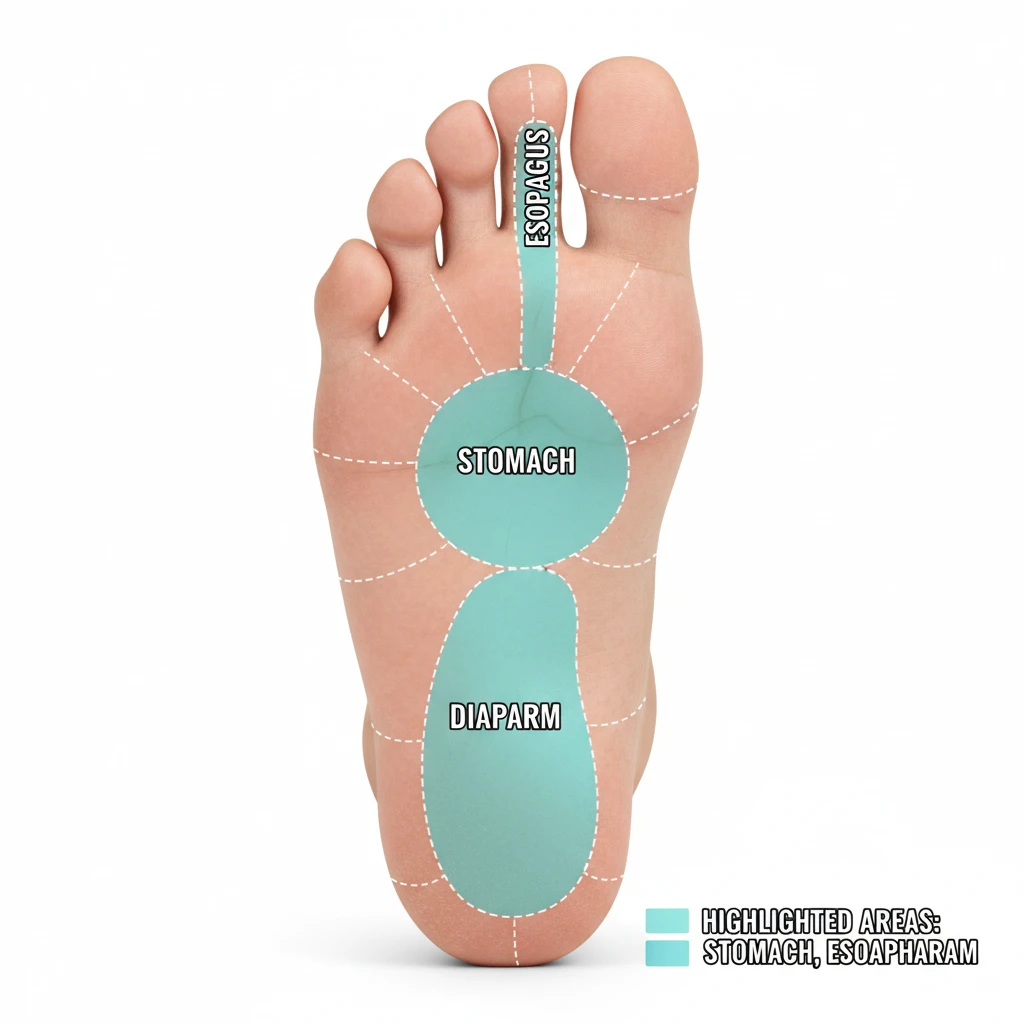
Targeting the stomach reflex area is paramount when using reflexology for acid reflux. The primary reflex point for the stomach is typically found on the sole of the left foot, near the ball of the foot, below the toes, and slightly inward towards the arch. On the right foot, there’s a corresponding point, but the left foot’s point is often considered more directly related to the stomach’s primary function.
Locating and Stimulating the Stomach Reflex:
- Left Foot Focus: Gently press and explore the area just beneath the ball of the left foot, specifically the fleshy pad below the big toe and the second toe. You might feel a slightly tender or denser area, indicating the stomach reflex point.
- Technique: Use your thumb to apply steady, firm pressure to this point. You can use a circular motion, small back-and-forth movements, or simply sustained pressure. Aim for a comfortable level of pressure – it should not be painful, but you should feel it.
- Duration: Work this point for 3-5 minutes per session.
- Benefits: Stimulating the stomach reflex is believed to help regulate stomach acid production, reduce spasms, and alleviate feelings of nausea or discomfort often associated with reflux. It may encourage the stomach to function more harmoniously, preventing acid from regurgitating into the esophagus.
Consistent work on this point can potentially lead to a calming effect on the stomach, reducing hyperactivity and promoting a more balanced digestive environment. Remember to breathe deeply and relax while performing these techniques to maximize their efficacy.
Diaphragm Tension and Reflux
The diaphragm is a crucial muscle involved in both breathing and digestion. It separates the chest cavity from the abdominal cavity and plays a vital role in preventing acid reflux. The lower esophageal sphincter (LES) passes through an opening in the diaphragm (the hiatus). If the diaphragm is tense or weak, it can put undue pressure on the stomach or fail to adequately support the LES, contributing to hiatal hernia or allowing stomach acid to escape into the esophagus.
In reflexology, the diaphragm reflex point is a broad line or band across the ball of both feet, running horizontally just below the metatarsal heads (the bones at the base of the toes). It marks the transition zone between the respiratory/chest reflexes and the digestive/abdominal reflexes.
Addressing Diaphragm Tension with Reflexology:
- Locate the Diaphragm Line: Find the imaginary line across the sole of each foot, separating the padded area below the toes from the arch. This line represents the diaphragm.
- Technique: Using your thumbs, apply a ‘thumb-walking’ technique (small, caterpillar-like movements) or sustained pressure along this entire line on both feet. Focus on any areas that feel particularly tight or tender.
- Deep Breathing Integration: As you work this area, encourage slow, deep diaphragmatic breathing. This can enhance the relaxation of the actual diaphragm muscle.
- Duration: Work the diaphragm line for 2-3 minutes on each foot.
- Benefits: Releasing tension in the diaphragm reflex is thought to directly impact the physical diaphragm, helping it relax and function more effectively. This can reduce pressure on the stomach and the LES, potentially minimizing the likelihood of acid reflux events. It also promotes overall relaxation and improves breathing mechanics, which can indirectly aid digestion.
Esophageal Sphincter Support
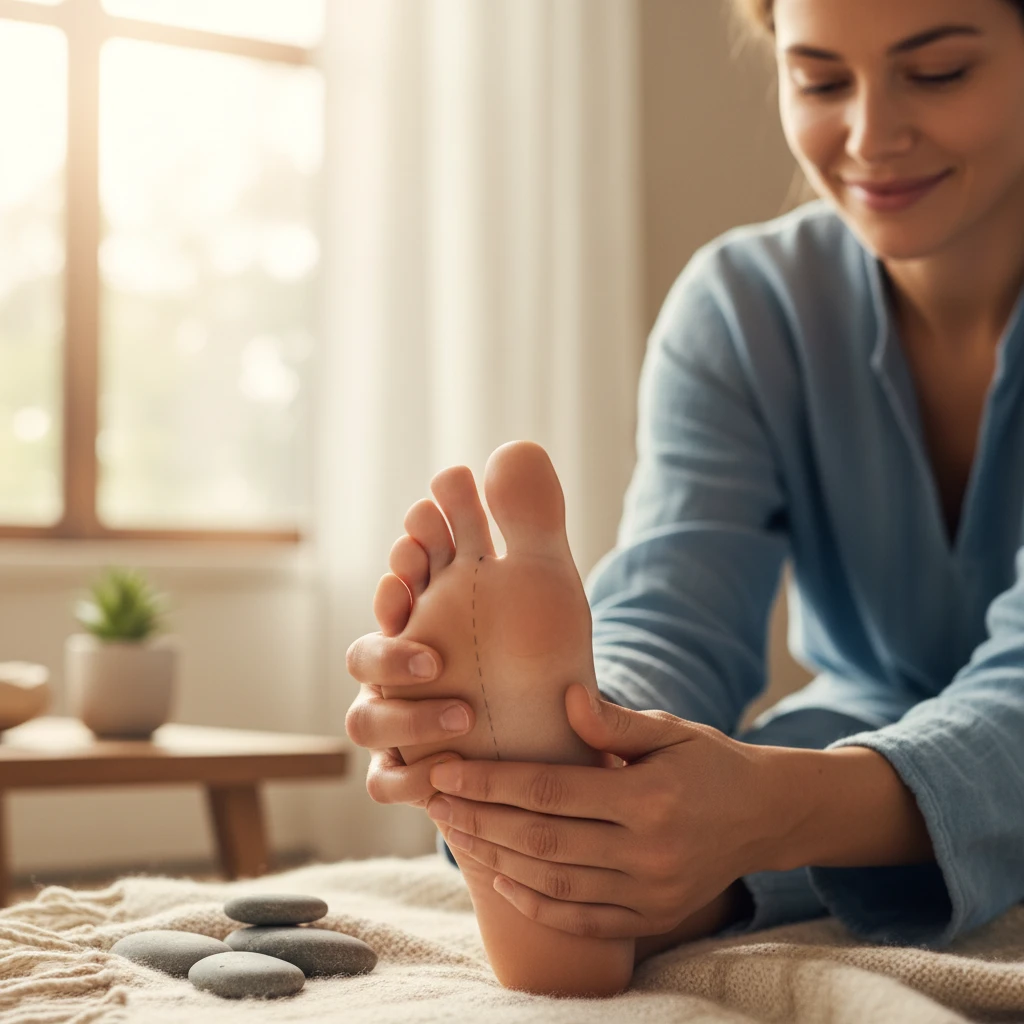
The lower esophageal sphincter (LES) is a ring of muscle at the junction of the esophagus and the stomach. Its primary function is to act as a valve, opening to allow food into the stomach and closing tightly to prevent stomach acid and food from flowing back into the esophagus. A weakened or improperly functioning LES is a primary cause of acid reflux and GERD.
While there isn’t one single ‘LES reflex point’ in the same way there is for an entire organ, supporting the esophagus and the broader digestive tract through reflexology can indirectly aid LES function. Reflex points for the esophagus are typically located on the inner edge of both feet, running from the base of the big toe downwards towards the arch, reflecting the anatomical path of the esophagus. Additionally, working the general solar plexus reflex (central part of the ball of the foot) can help reduce overall tension and promote digestive harmony.
Reflexology for Esophageal and Sphincter Support:
- Esophagus Reflex: On the inner side of each foot, locate the area from the base of the big toe down towards the arch. This is the general region for the esophagus. Apply gentle, upward-stroking motions or sustained pressure along this line.
- Solar Plexus Reflex: This crucial reflex point is found just below the diaphragm line, in the center of the ball of each foot. It’s often described as the ‘energy center’ and is excellent for stress reduction and overall digestive calming. Apply deep, circular pressure here.
- Adrenal Gland Reflex: The adrenal glands produce cortisol, a stress hormone. Stress can exacerbate reflux. The adrenal reflex is a small point found above the kidney reflex, often in the center of the sole, just below the ball of the foot. Gently stimulating this point can support the body’s stress response.
- Overall Digestive Flow: Incorporate general thumb-walking across the entire digestive zone on the sole of both feet (from the diaphragm line down to the heel, encompassing the stomach, small intestine, and large intestine reflexes). This encourages systemic digestive support.
- Benefits: By working the esophageal pathway, diaphragm, and solar plexus, reflexology aims to reduce tension in the surrounding musculature, promote better nerve communication, and foster a relaxed state conducive to proper LES function. While not directly ‘strengthening’ the sphincter, it creates an optimal environment that supports its natural closing mechanism and overall digestive health. According to some studies, relaxation techniques can positively influence gastrointestinal motility and symptom perception, indirectly benefiting conditions like GERD. For further reading on the impact of stress on GI conditions, consider sources like the American Gastroenterological Association.
Holistic Approach to Acid Reflux Management
It is vital to reiterate that reflexology is a complementary therapy and should be integrated into a comprehensive approach to managing acid reflux and GERD. While reflexology offers promising avenues for symptom relief and promoting overall well-being, it is most effective when combined with other healthy lifestyle choices and, when necessary, conventional medical treatments.
Key Pillars of a Holistic Strategy:
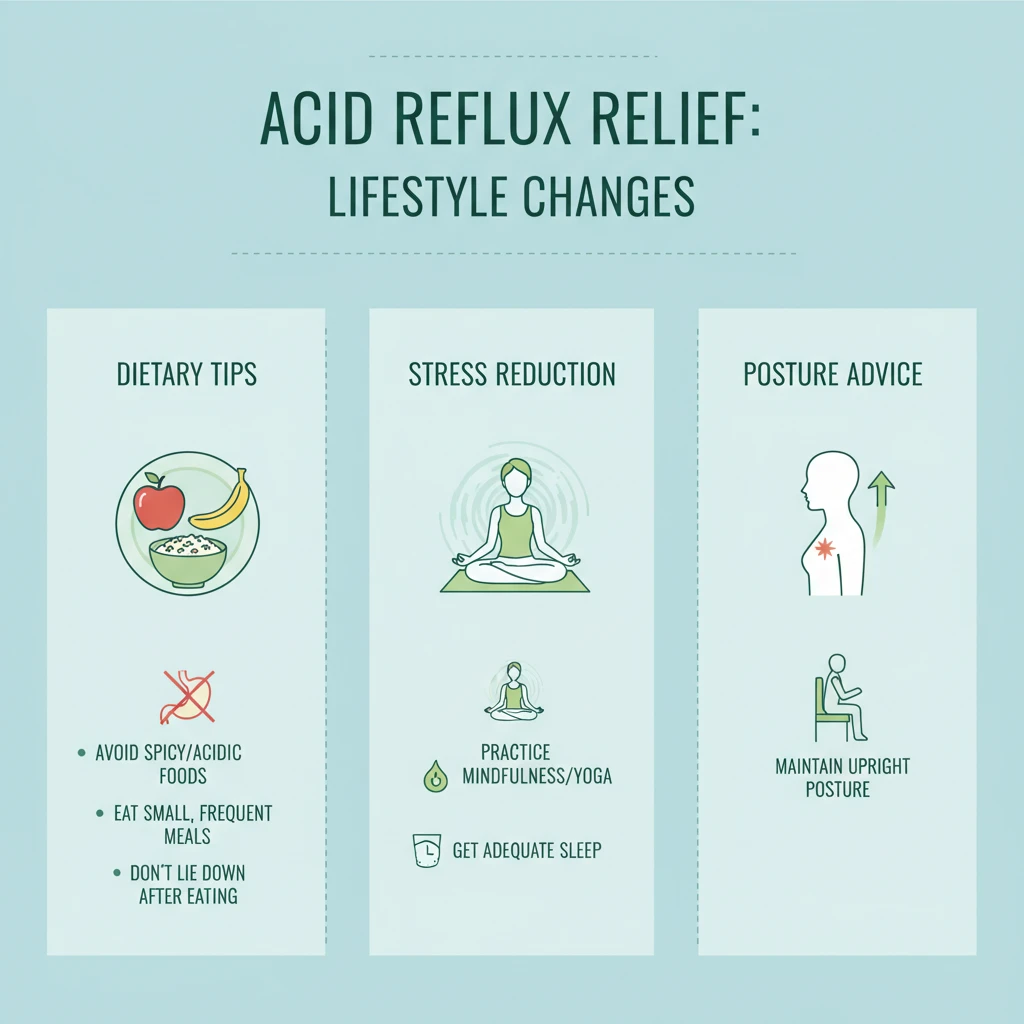
- Dietary Modifications: Identifying and avoiding trigger foods (e.g., spicy foods, fatty foods, caffeine, alcohol, chocolate, acidic fruits) is often the first line of defense. Eating smaller, more frequent meals can also reduce stomach pressure.
- Lifestyle Adjustments: Maintaining a healthy weight, quitting smoking, avoiding lying down immediately after eating, and elevating the head of the bed can significantly reduce reflux symptoms.
- Stress Management: Stress is a well-known exacerbator of acid reflux. Practices like meditation, yoga, deep breathing exercises, and adequate sleep can complement reflexology’s relaxation benefits.
- Hydration: Drinking sufficient water throughout the day aids digestion and nutrient absorption.
- Professional Medical Advice: Always consult a healthcare professional for diagnosis and treatment, especially for persistent or severe symptoms. Reflexology should not replace prescribed medications or medical interventions.
By combining the targeted benefits of reflexology with these broader lifestyle considerations, individuals can create a robust, multifaceted strategy to alleviate discomfort, improve digestive health, and enhance their overall quality of life.
Timing Sessions Around Meals
The timing of your reflexology sessions can influence their effectiveness, especially when targeting digestive issues like acid reflux. While there’s no strict rule, understanding how your body processes food can help you optimize your practice.
Considerations for Timing:
- Before Meals: Performing a reflexology session 30-60 minutes before a meal can be beneficial. This allows time for the body to shift into a more relaxed, parasympathetic ‘rest and digest’ state, potentially optimizing digestive enzyme production and preparing the stomach for food intake. It can also help reduce pre-meal anxiety, a common reflux trigger.
- After Meals (with caution): If you choose to do reflexology after eating, it’s generally best to wait at least 1-2 hours after a light meal and 2-3 hours after a heavy meal. Immediately after eating, your body is actively engaged in digestion, and applying pressure to digestive points might interfere with this process or even cause discomfort for some individuals. Waiting allows the initial stages of digestion to occur, and then reflexology can aid in promoting further relaxation and smooth processing. However, if you experience significant post-meal reflux, an immediate session might not be advisable.
- Bedtime: Many individuals find evening sessions, particularly before bed, highly effective for overall relaxation and improving sleep quality. Since lying down can worsen reflux, a relaxing reflexology session before sleep might help calm the nervous system, potentially reducing nighttime reflux episodes.
- Consistency is Key: Regardless of the specific timing, regular and consistent sessions are often more impactful than sporadic ones. Daily or every-other-day sessions, even short ones (10-15 minutes), can build cumulative benefits.
Listen to your body. Pay attention to how you feel before, during, and after a session. If a particular timing causes discomfort or exacerbates symptoms, adjust your schedule. The goal is to find a routine that supports your digestive health and enhances your sense of well-being.
Self-Reflexology Techniques for Acid Reflux
While consulting a professional reflexologist is highly recommended for personalized guidance, many individuals can perform basic self-reflexology techniques to manage their acid reflux symptoms. These practices can be integrated into your daily routine and require no special equipment.
Getting Started with Self-Reflexology:
- Preparation: Find a comfortable, quiet space where you can sit or recline. You might want to have a comfortable pillow or towel to prop your foot up. Warm your hands by rubbing them together.
- Relaxation First: Begin with gentle massage strokes over your entire foot to warm it up and promote relaxation. Focus on deep, slow breaths.
- Locate Key Reflex Points:
- Stomach Reflex: On the sole of the left foot, just below the ball, beneath the second and third toes. Press firmly with your thumb.
- Diaphragm Line: A horizontal line across the sole of both feet, just below the ball of the foot. Use thumb-walking along this line.
- Esophagus Reflex: Along the inner edge of both feet, running from the base of the big toe downwards. Use gentle strokes.
- Solar Plexus Reflex: In the center of the ball of each foot, below the diaphragm line. Apply deep, circular pressure.
- Small Intestine/Large Intestine: The entire mid-section of the sole of both feet. Use broad, sweeping thumb-walking motions.
- Application Technique: Use your thumb, knuckle, or even a blunt, smooth object (like a golf ball or specialized reflexology tool) to apply pressure. The pressure should be firm but comfortable. If you feel a tender spot, work on it gently for a few seconds, then move on. Avoid anything that causes sharp pain.
- Duration: Spend 1-3 minutes on each identified reflex point per foot. A full self-reflexology session might last 15-30 minutes, or you can do shorter, targeted sessions throughout the day.
- Consistency: Regular practice is key. Aim for daily or every-other-day sessions to observe potential benefits.
Always remember to be gentle with yourself. If you have any underlying medical conditions or concerns, consult your doctor before starting any new complementary therapy. Self-reflexology is a supportive practice, not a replacement for medical care.
Potential Benefits and Considerations
Reflexology, when applied for acid reflux and GERD support, offers a range of potential benefits that extend beyond direct symptom relief. However, it is also important to approach this therapy with realistic expectations and an understanding of its limitations.
Potential Benefits:
- Symptom Reduction: Many individuals report a decrease in the frequency and intensity of heartburn, indigestion, and regurgitation. This is often attributed to reduced stomach tension, improved digestive motility, and enhanced relaxation.
- Stress Reduction: One of the most consistently reported benefits of reflexology is deep relaxation. Given that stress is a significant trigger for acid reflux, reducing stress levels can directly lead to fewer and milder symptoms. This widespread benefit is supported by organizations like the Mayo Clinic, which highlights stress reduction as a key component in managing various health conditions.
- Improved Digestion: By stimulating reflex points related to the digestive organs, reflexology may promote better overall digestive function, including more efficient breakdown of food and absorption of nutrients.
- Enhanced Well-being: The holistic nature of reflexology can lead to an improved sense of well-being, better sleep, and increased energy levels, all of which contribute positively to managing chronic conditions, including those related to Navigating Perimenopause & Menopause.
- Non-Invasive and Drug-Free: Reflexology offers a natural approach without the need for medications, making it appealing to those looking for complementary, low-risk options.
Important Considerations:
- Not a Cure: Reflexology is not a cure for acid reflux or GERD. It is a complementary therapy intended to support the body’s natural healing processes and alleviate symptoms.
- Individual Results Vary: The effectiveness of reflexology can differ significantly from person to person. What works well for one individual may not produce the same results for another.
- Consult Your Doctor: Always inform your healthcare provider about any complementary therapies you are using, especially if you are on medication for GERD or have other health conditions. Reflexology should not replace prescribed medical treatments.
- Professional Guidance: While self-reflexology is possible, consulting a certified reflexologist can provide a more targeted and effective treatment plan. They can accurately identify specific reflex points and apply appropriate techniques.
- Consistency is Key: For sustained benefits, regular and consistent reflexology sessions are often necessary.
By understanding both the potential benefits and the realistic considerations, individuals can make informed decisions about incorporating reflexology into their acid reflux management strategy.
Conclusion
Reflexology presents a compelling complementary therapy for individuals seeking relief from the often debilitating symptoms of acid reflux and GERD. By targeting specific reflex points on the feet, hands, or ears that correspond to the stomach, diaphragm, esophagus, and other digestive organs, this ancient practice aims to promote deep relaxation, reduce tension, and optimize the body’s natural digestive functions. From soothing the stomach reflex to releasing diaphragmatic tension and supporting esophageal sphincter integrity, reflexology offers a non-invasive pathway to potentially alleviate discomfort.
While not a standalone cure, integrating reflexology into a holistic management plan – encompassing dietary adjustments, stress reduction techniques, and professional medical guidance – can significantly enhance overall well-being and provide a valuable tool for symptom management. Consistent practice, whether through professional sessions or dedicated self-reflexology, can foster a more balanced and harmonious digestive system, empowering individuals to reclaim comfort and improve their quality of life.
People Also Ask About Reflexology for Acid Reflux
Can reflexology really help with acid reflux symptoms?
Many individuals report that reflexology helps alleviate acid reflux symptoms by promoting relaxation, reducing stress, improving digestion, and easing tension in muscles related to the digestive system, such as the diaphragm. While it’s not a cure, it can be an effective complementary therapy.
What are the main reflex points for acid reflux on the feet?
Key reflex points for acid reflux on the feet include the stomach reflex (primarily on the left foot, below the ball), the diaphragm line (across the ball of both feet), and the esophageal reflex (inner edge of both feet, from the big toe downwards). The solar plexus point (center of the ball of the foot) is also crucial for overall relaxation.
How often should I do reflexology for GERD?
For optimal results, consistency is key. Many professional reflexologists recommend weekly sessions initially, then tapering to bi-weekly or monthly maintenance sessions. For self-reflexology, daily 10-15 minute sessions can be beneficial. Listen to your body and adjust frequency based on your symptoms and how you respond.
Is reflexology safe for everyone with acid reflux?
Reflexology is generally considered safe for most people. However, individuals with certain conditions like deep vein thrombosis, open wounds, or during pregnancy should consult their doctor before beginning. It’s always best to discuss any complementary therapy with your healthcare provider, especially if you have underlying health issues or are taking medication.
Can reflexology cure GERD permanently?
No, reflexology is not considered a permanent cure for GERD. It is a complementary therapy designed to manage symptoms, promote relaxation, and support the body’s natural healing processes. Long-term management of GERD often requires a combination of lifestyle changes, dietary adjustments, and sometimes medication, under the guidance of a medical professional.
Are there any specific hand reflexology points for acid reflux?
Yes, similar to the feet, the hands also have reflex points corresponding to digestive organs. The stomach reflex is found on the palm of the left hand, just below the fleshy pad of the thumb. The diaphragm line is across the base of the fingers. Working these points with your thumb or finger can provide similar benefits, offering a convenient option for self-care throughout the day.