Sports reflexology benefits include accelerated injury recovery by stimulating nerve endings in the feet that correspond to damaged tissues, thereby enhancing systemic circulation and reducing inflammation. This holistic therapy actively breaks down lactic acid deposits, lowers cortisol levels to promote healing, and optimizes biomechanical function for athletes seeking a non-invasive competitive edge.
In the high-stakes world of competitive athletics, the margin between victory and defeat often lies in recovery time. While physiotherapy and orthopedic interventions are standard, an increasing number of elite athletes are turning to holistic modalities to gain an edge. Sports reflexology is not merely a foot massage; it is a calculated, physiological intervention designed to manipulate the nervous system and accelerate the body’s natural healing processes.
This guide serves as a comprehensive commercial investigation into the efficacy of reflexology for sports injury recovery. We will dissect the biological mechanisms at play, specifically focusing on circulation, metabolic waste removal, and joint stability. For a broader understanding of this modality, you can explore Understanding Reflexology: A Comprehensive Guide.
The Science Behind Sports Reflexology
Reflexology operates on the principle of zone therapy. The body is mapped into longitudinal zones, with specific points on the feet, hands, and ears corresponding to organs, glands, and muscle groups throughout the body. When an athlete sustains an injury, the trauma is not isolated to the tissue; it creates a systemic stress response.
The primary mechanism of action involves the stimulation of more than 7,000 nerve endings found in the foot. By applying targeted pressure to these reflex points, a reflexologist can send signals through the peripheral nervous system to the central nervous system, which then relays instructions to the corresponding body parts. This neural loop helps to reset the body’s homeostasis.

For the injured athlete, this means that even if a specific area (like a torn hamstring or a sprained ankle) is too tender to touch directly, a therapist can stimulate blood flow and healing to that area by working the corresponding reflex point on the foot. This distal treatment capability is one of the most significant sports reflexology benefits, allowing for treatment to begin immediately after injury without aggravating the trauma site.
Increasing Blood Flow to Injured Areas
The cornerstone of any injury recovery is circulation. Blood carries the oxygen, nutrients, and white blood cells necessary to repair damaged tissue. When an injury occurs, inflammation often constricts blood vessels, leading to stagnation and delayed healing. Reflexology serves as a powerful vasodilator.
Research suggests that reflexology can significantly increase blood flow to specific organs and muscle groups. By relaxing the body and reducing the fight-or-flight response (sympathetic nervous system dominance), the blood vessels dilate, allowing for improved perfusion. This is critical for avascular or low-vascularity tissues, such as tendons and ligaments, which are notoriously slow to heal due to poor blood supply.
The Role of Oxygenation
Enhanced circulation ensures that hemoglobin-rich blood reaches the site of the micro-tears or trauma. This influx of oxygen is vital for the synthesis of collagen, the protein required to knit torn fibers back together. Regular reflexology sessions maintain this high level of circulation, preventing the formation of excessive scar tissue which can limit future range of motion.
Reducing Lactic Acid and Metabolic Waste
Intense physical exertion leads to the accumulation of metabolic byproducts, primarily lactic acid and urea. If not flushed efficiently, these substances crystallize around nerve endings and muscle fibers, causing stiffness, pain, and fatigue. This is often referred to as DOMS (Delayed Onset Muscle Soreness).
Reflexology is particularly adept at addressing this issue through the lymphatic system. Unlike the circulatory system, the lymphatic system does not have a pump (heart) to move fluid; it relies on muscle contraction and manual stimulation. Reflexology techniques encourage the movement of lymph fluid, effectively “flushing” toxins from the tissues.
Therapists often report feeling “crunchy” deposits under the skin of the feet, which are believed to be calcium and uric acid deposits. breaking down these deposits through specific thumb-walking techniques helps release the blockage, allowing the bloodstream to carry the waste to the kidneys for elimination. This process significantly shortens the recovery window between training sessions.
Targeted Relief: Focus on Knees and Ankles
The lower extremities bear the brunt of impact in most sports, making knees and ankles the most common sites for injury. Reflexology offers a unique map for addressing these complex joints.
The Knee Reflex
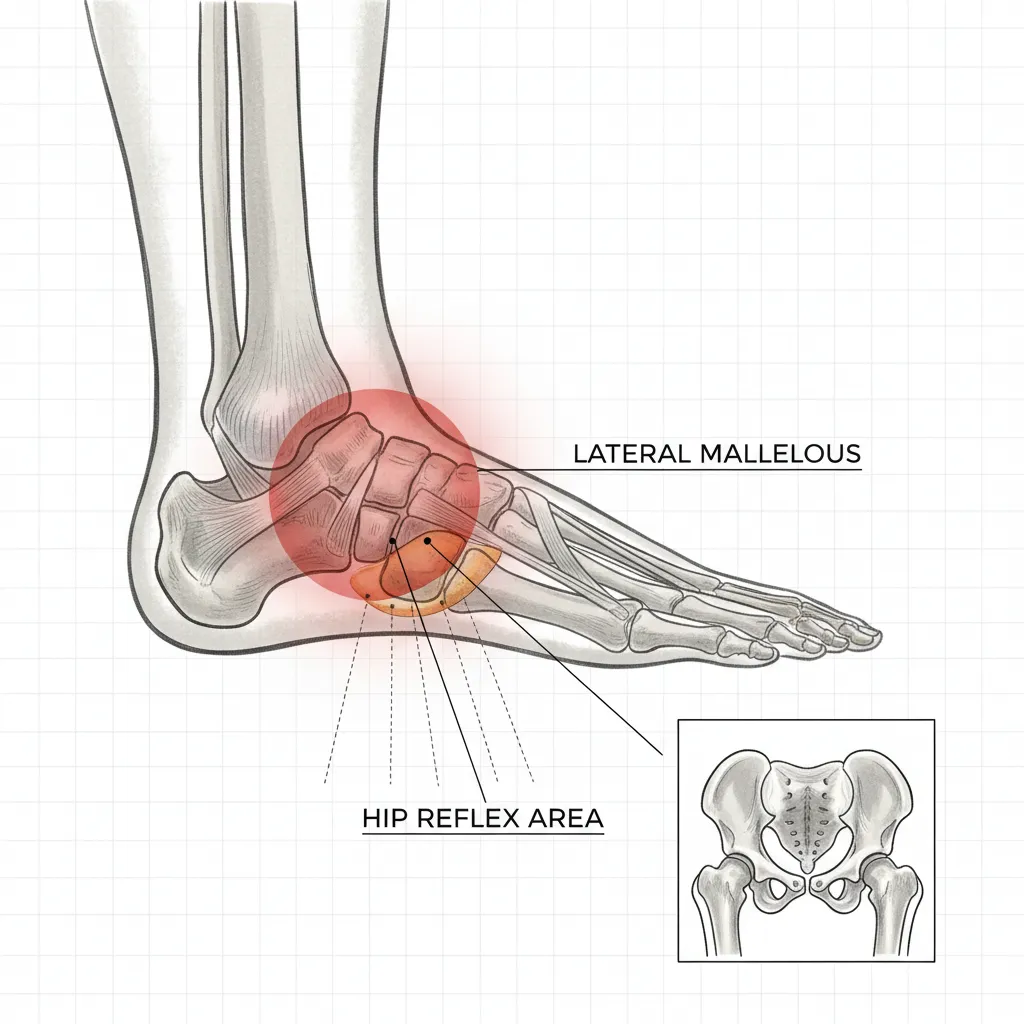
The reflex point for the knee is located on the outer edge of the foot, just below the ankle bone. In cases of Runner’s Knee, ACL tears, or meniscus issues, direct manipulation of the knee is often painful or contraindicated post-surgery. However, vigorous work on the knee reflex point can simulate the physiological effects of a massage on the knee itself, reducing edema (swelling) and pain perception.
The Ankle Reflex
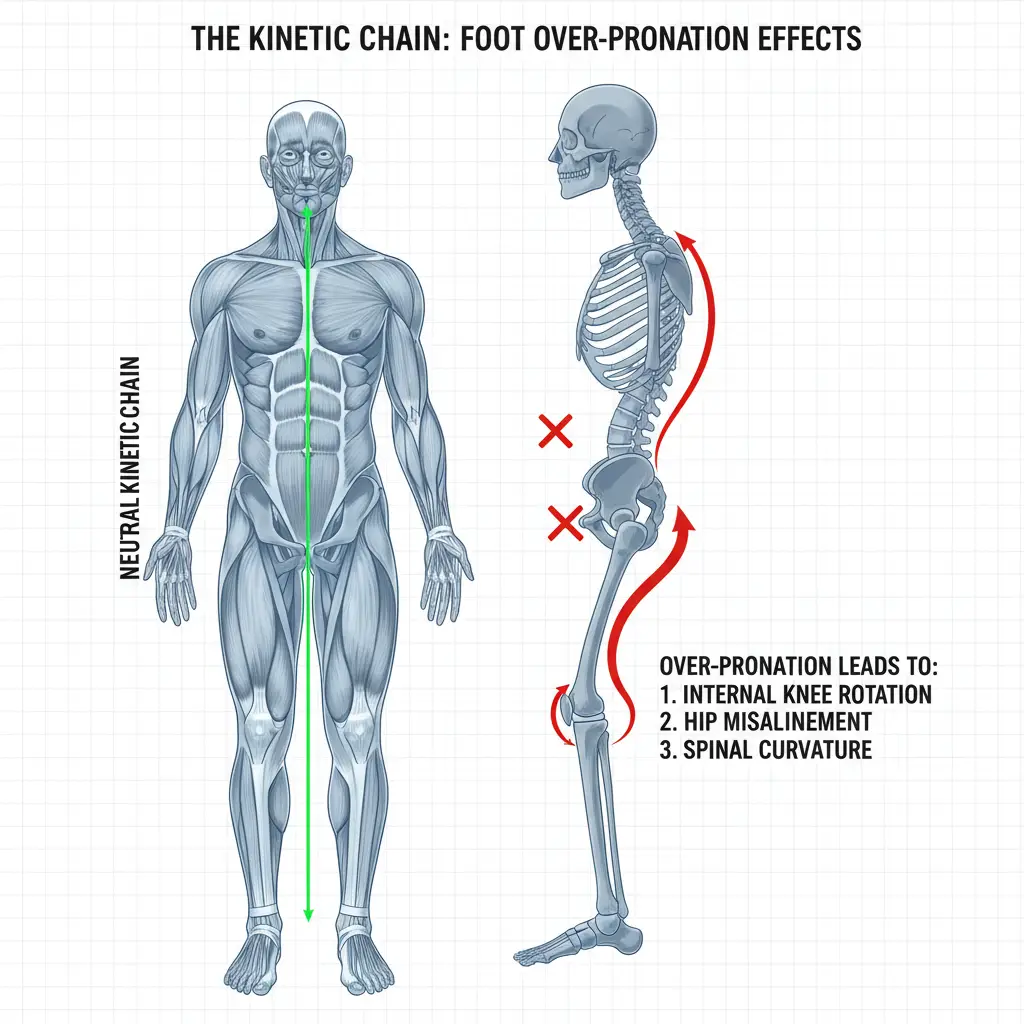
Ankle sprains involve the overstretching of ligaments. The reflex points for the ankle are found around the malleolus (ankle bone) of the foot itself. Working these areas helps to realign the subtle structures of the foot and reduce the fluid retention that causes the ankle to swell. By stabilizing the energetic foundation of the foot, reflexology helps restore proprioception (balance) which is often lost after an ankle injury.
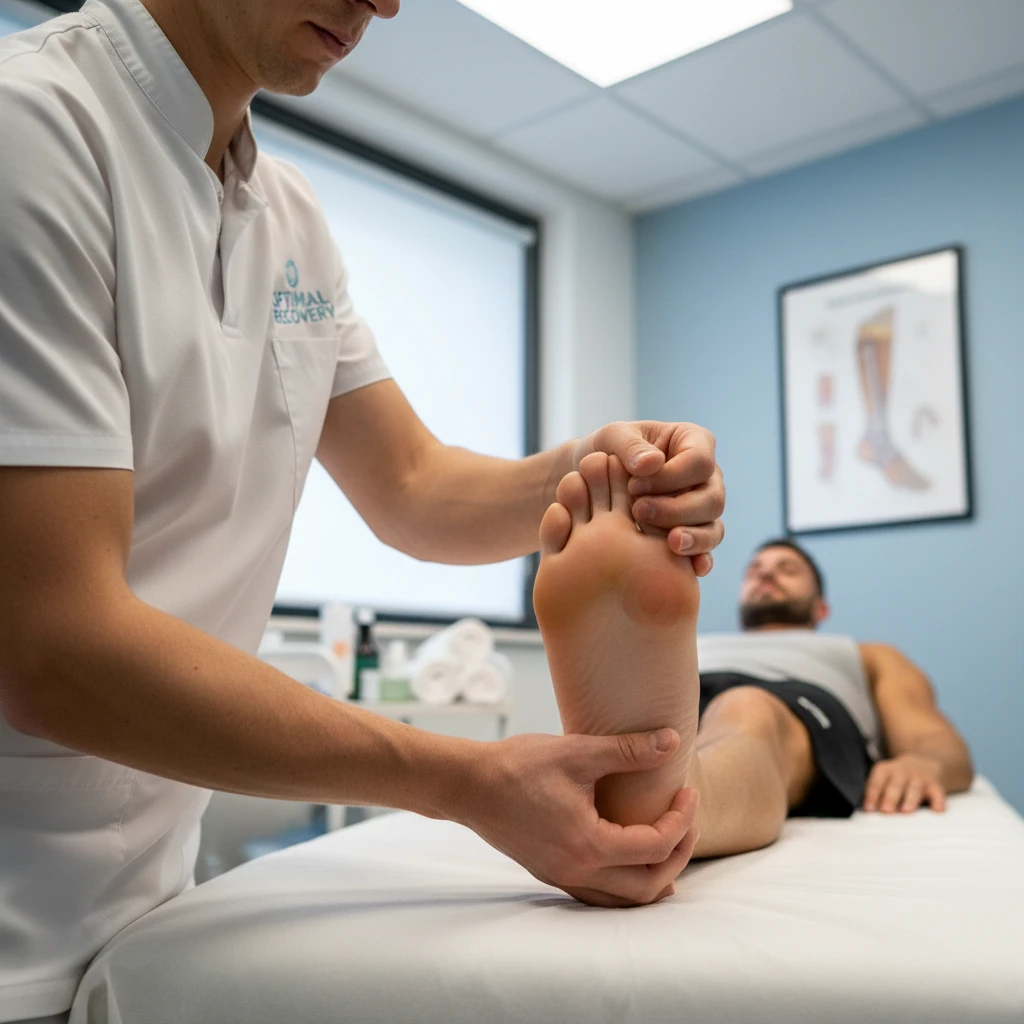
For detailed anatomical references regarding how different therapies interact with the musculoskeletal system, reputable sources like the National Center for Complementary and Integrative Health (NCCIH) provide extensive overviews of complementary health approaches.
Pre-Event vs. Post-Event Treatment Protocols
To maximize sports reflexology benefits, the timing of the treatment is as important as the technique. The goals of therapy shift dramatically depending on whether the athlete is preparing for performance or recovering from it.
Pre-Event: Activation and Mobilization
Timing: 24 to 48 hours before the event.
Goal: The objective is to energize the body, increase flexibility, and calm pre-competition anxiety. The techniques used are generally lighter, faster, and more stimulating.
Focus Areas:
- Solar Plexus: To reduce nervous tension and regulate breathing.
- Adrenal Glands: To regulate the release of adrenaline and cortisol.
- Diaphragm: To open up the chest for maximum oxygen intake.
Note: Deep, heavy work is avoided pre-event to prevent muscle laxity or soreness during the competition.
Post-Event: Recovery and Drainage
Timing: 24 to 72 hours after the event.
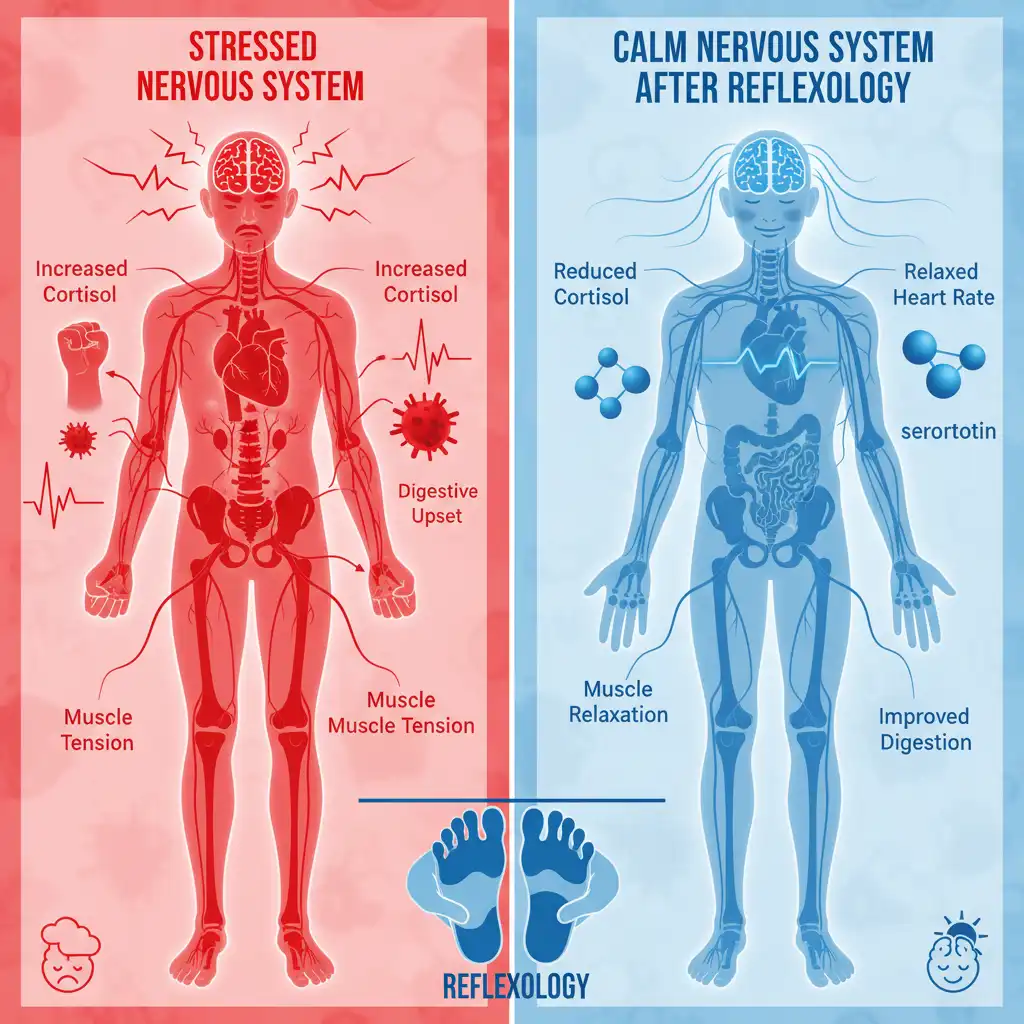
Goal: The focus shifts to shifting the nervous system from Sympathetic (fight/flight) to Parasympathetic (rest/digest). This state is required for deep tissue repair.
Focus Areas:
- Urinary System (Kidneys/Bladder): To accelerate the excretion of metabolic waste.
- Musculoskeletal Points: Deep pressure on reflexes corresponding to the muscle groups used most heavily (e.g., legs for runners, shoulders for swimmers).
- Pituitary Gland: To stimulate the release of endorphins, the body’s natural painkillers.
Integrating Reflexology into a Holistic Recovery Plan
Reflexology should not be viewed in isolation but rather as a force multiplier within a broader sports medicine strategy. It integrates seamlessly with cryotherapy, chiropractic care, and traditional physical therapy. While physical therapy focuses on the mechanical rehabilitation of the injury, reflexology addresses the systemic and energetic recovery. Beyond athletic performance, reflexology supports overall well-being, offering benefits for significant life stages like Navigating Perimenopause & Menopause and contributing to Enhancing Libido and Sexual Wellness.
For athletes recovering from surgery, reflexology can be introduced in the early stages when movement is restricted. It helps maintain circulation in the immobilized limb and prevents the atrophy of neural pathways. As the athlete progresses to active rehabilitation, reflexology sessions can be spaced out to focus on maintenance and stress reduction.
Furthermore, the psychological aspect of injury—often overlooked—is addressed through this modality. The profound relaxation induced by a session lowers cortisol, a stress hormone that, in high levels, can actually inhibit protein synthesis and tissue repair. By managing stress, the athlete creates an internal environment conducive to rapid healing.
For further reading on the integration of alternative medicine in sports, the Mayo Clinic offers insights into how massage and reflexology are used in clinical settings.
Frequently Asked Questions
How often should an athlete get reflexology for injury recovery?
For acute injuries, 1-2 sessions per week are recommended to maximize blood flow and reduce inflammation. As recovery progresses, this can be tapered to once every two weeks for maintenance and prevention.
Can reflexology replace physical therapy for sports injuries?
No, reflexology should not replace physical therapy. It is a complementary therapy that enhances recovery by improving circulation and pain management, while physical therapy addresses mechanical rehabilitation and strengthening.
Is sports reflexology painful?
Reflexology can be sensitive, particularly when working on points corresponding to injured areas or areas with high lactic acid buildup. However, it should be a “good pain” that feels relieving, not sharp or intolerable.
Does reflexology help with plantar fasciitis?
Yes, reflexology is highly effective for plantar fasciitis. It helps loosen the tight fascia, improves circulation to the heel, and reduces the inflammation causing the pain.
How quickly can I expect results from sports reflexology?
Many athletes report immediate relaxation and pain reduction after a single session. However, for chronic injuries or significant recovery, a cumulative effect is observed over 3 to 6 sessions.
Can I do reflexology on myself for sports injuries?
Yes, simple self-reflexology techniques can be used for maintenance. However, a certified sports reflexologist can apply the specific pressure and leverage required to effectively break down deposits and stimulate deep healing reflexes.