Reflexology for weight loss involves applying pressure to specific reflex points on the feet, hands, and ears that correspond to different organs and systems in the body, including those involved in metabolism, digestion, and hormone regulation. This complementary therapy aims to promote balance, reduce stress, and support the body’s natural functions that contribute to healthy weight management. Before starting any complementary therapy, it’s wise to consider: Is Reflexology Safe? Addressing Concerns and Contraindications.
What is Reflexology and its Role in Weight Management?
Reflexology, an ancient healing practice rooted in various traditional medicine systems, operates on the principle that specific zones on the feet, hands, and ears are interconnected with organs, glands, and other body parts. For a comprehensive understanding of this practice, refer to Understanding Reflexology: A Comprehensive Guide. By applying targeted pressure to these reflex points, practitioners aim to stimulate nerve endings, improve circulation, and encourage the body’s innate healing mechanisms. While not a direct weight loss cure, reflexology can play a supportive role in a comprehensive weight management strategy by addressing underlying physiological and psychological factors that influence weight.
The concept behind its application in weight management lies in its ability to foster systemic balance. When the body’s systems—endocrine, digestive, circulatory, and nervous—are functioning optimally, it creates a more conducive environment for healthy weight maintenance. Stress reduction, improved metabolic function, enhanced digestion, and better hormonal balance are all potential benefits that can indirectly contribute to sustainable weight loss. Rather than focusing solely on calorie restriction or exercise, reflexology offers a holistic approach that acknowledges the intricate interplay of bodily functions and mental well-being in achieving and maintaining a healthy weight.
Thyroid Stimulation for Metabolism Boost
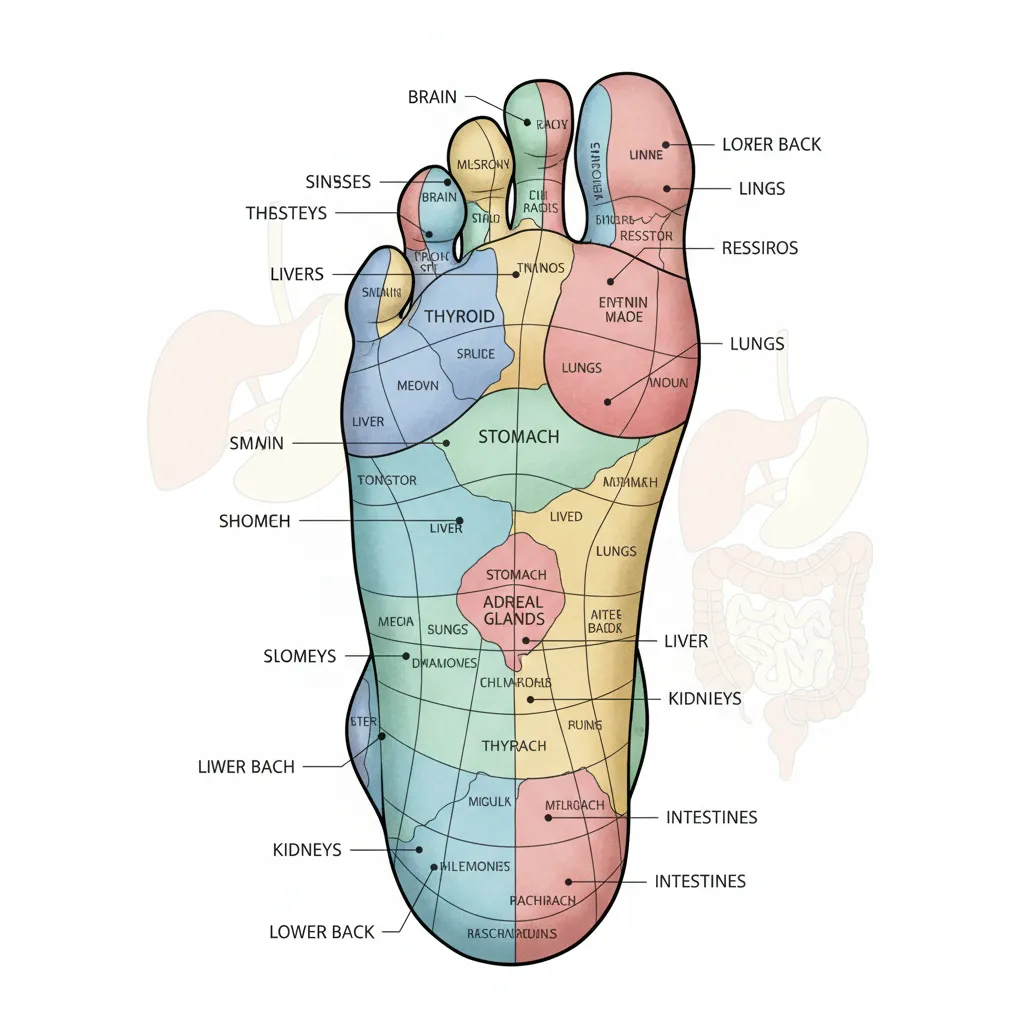
The thyroid gland is a cornerstone of metabolic health, producing hormones that regulate energy expenditure, fat burning, and overall metabolic rate. An underactive thyroid (hypothyroidism) can significantly slow down metabolism, leading to weight gain, fatigue, and difficulty losing weight. Reflexology techniques specifically target the reflex points associated with the thyroid gland, typically located at the base of the big toe on the top of the foot and the pads of the big toes.
How Reflexology Targets the Thyroid
By applying gentle yet firm pressure to these specific points, reflexologists aim to stimulate the thyroid gland indirectly. The theory suggests that this stimulation can help improve blood flow to the gland, encourage better hormone production and balance, and ultimately support a more efficient metabolism. While reflexology does not produce thyroid hormones directly, it is believed to help optimize the gland’s function within the body’s natural regulatory systems. This can be a particularly valuable complementary therapy for individuals whose weight challenges are partly linked to sluggish thyroid function, as recognized by conventional medical diagnosis.
Complementary Approaches to Thyroid Health
Beyond direct stimulation, reflexology also supports overall endocrine health by promoting relaxation and reducing stress, which can negatively impact thyroid function. Chronic stress elevates cortisol levels, which can interfere with the conversion of inactive thyroid hormone (T4) to active thyroid hormone (T3). Regular reflexology sessions can help mitigate this stress response, creating a more favorable internal environment for thyroid health and a balanced metabolism. It’s crucial, however, that individuals with diagnosed thyroid conditions continue to follow their medical doctor’s treatment plan, using reflexology as a supportive therapy rather than a replacement.
Regulating Appetite Hormones Through Reflexology
Weight management is deeply intertwined with the complex interplay of appetite-regulating hormones such as ghrelin (the hunger hormone) and leptin (the satiety hormone). Imbalances in these hormones can lead to increased cravings, overeating, and difficulty feeling full, making weight loss a constant uphill battle. Reflexology offers a non-invasive approach to potentially influence these hormonal balances, which can be particularly beneficial for situations such as Postpartum Recovery & Hormonal Balance.
Balancing Ghrelin and Leptin Signals
Specific reflex points are believed to correspond to the hypothalamus, pituitary gland, and adrenal glands – key endocrine organs responsible for producing and regulating a cascade of hormones, including those that govern appetite. For instance, the pituitary gland, often referred to as the