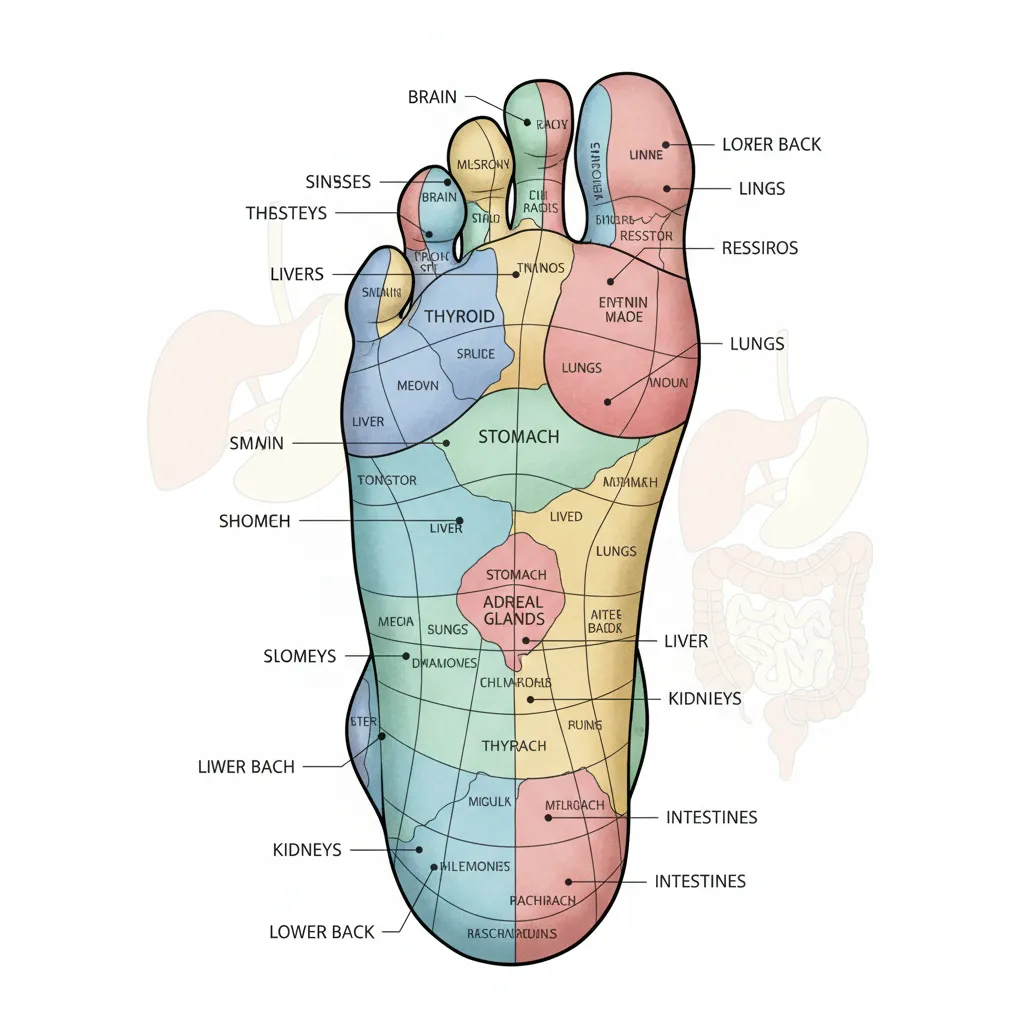
Reflexology lymphatic drainage (RLD) is a gentle yet powerful reflexology technique specifically adapted to stimulate the lymphatic system through the feet, hands, or ears. It aims to reduce fluid retention, enhance immune function, and support the body’s natural detoxification processes, offering a non-invasive path to improved wellness.
Understanding Reflexology Lymphatic Drainage
In the vast landscape of holistic health, few therapies offer the unique blend of ancient wisdom and targeted physiological benefits quite like reflexology lymphatic drainage (RLD). This specialized form of reflexology stands at the intersection of traditional foot reflexology and the principles of manual lymphatic drainage (MLD), offering a non-invasive, profoundly relaxing, and highly effective way to support one of the body’s most crucial systems: the lymphatic system.
The Lymphatic System: Your Internal Cleansing Network
Before delving into RLD, it’s essential to grasp the fundamental role of the lymphatic system. Often overshadowed by the cardiovascular system, the lymphatic system is a complex network of vessels, tissues, and organs, including lymph nodes, tonsils, spleen, and thymus. Its primary functions are multifaceted:
- Fluid Balance: It collects excess fluid, proteins, and waste products from interstitial spaces and returns them to the bloodstream, preventing swelling and maintaining proper fluid balance.
- Immune Defense: Lymph nodes filter lymph fluid, trapping bacteria, viruses, and other pathogens. Lymphocytes (a type of white blood cell) mature and reside in lymphatic organs, playing a critical role in the immune response.
- Fat Absorption: Special lymphatic vessels in the small intestine (lacteals) absorb dietary fats and fat-soluble vitamins, transporting them to the bloodstream.
When the lymphatic system becomes sluggish or impaired, it can lead to a cascade of health issues, including fluid retention (edema), compromised immunity, chronic fatigue, and a reduced ability to detoxify. Understanding this vital role underscores the importance of therapies that support its optimal function.
What is Reflexology? A Brief Overview
Reflexology is an ancient healing art based on the principle that specific points on the feet, hands, and ears correspond to organs, glands, and systems throughout the body. By applying pressure to these reflex points, a reflexologist can stimulate energy pathways, encourage balance, and promote the body’s natural healing capabilities. It is not just a foot massage; it is a targeted therapeutic practice that aims to impact the entire organism.
The Genesis of RLD: Bridging Two Powerful Therapies
Reflexology lymphatic drainage was pioneered by Sally Kay, a UK-based reflexologist who sought to create a reflexology technique that mimicked the effects of manual lymphatic drainage. Kay’s extensive research and clinical application led to the development of a precise protocol that specifically targets the lymphatic reflexes on the feet. This innovative approach allows reflexologists to stimulate the lymphatic pathways and encourage the efficient movement of lymph fluid without direct physical contact with the affected areas of the body, making it particularly beneficial for individuals with sensitive conditions or those unable to receive traditional MLD.
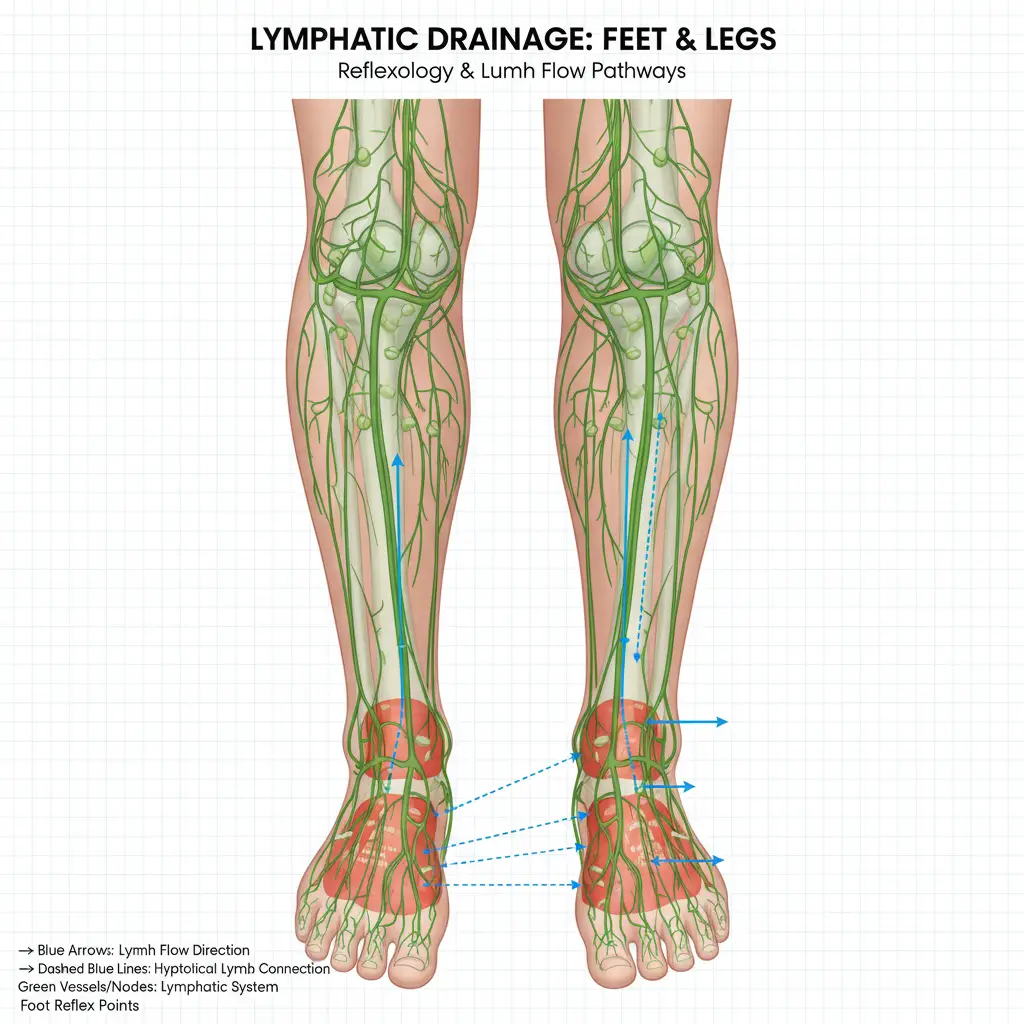
The Intricate Dance: Pumping the Lymphatic Reflexes
At the heart of reflexology lymphatic drainage lies a sophisticated understanding of how specific reflex points on the feet correlate with various components of the lymphatic system. Unlike general reflexology, RLD employs a distinct set of techniques and a methodical sequence designed to optimize lymphatic flow.
Mapping the Lymphatic System on the Feet
Reflexologists trained in RLD utilize detailed foot maps that pinpoint the reflexes corresponding to key lymphatic structures. These include:
- Lymph Nodes: Reflexes for inguinal (groin), axillary (armpit), cervical (neck), and general abdominal lymph nodes are identified.
- Lymphatic Vessels: Specific areas on the foot relate to the broader network of lymphatic vessels that transport lymph fluid throughout the body.
- Lymphatic Organs: Reflexes for the spleen and thymus, critical immune organs, are also targeted.
The precision of these maps allows the practitioner to effectively “communicate” with the lymphatic system via the feet, guiding its natural processes.
RLD Techniques: Gentle Yet Profound
The application in RLD is distinct from the firmer pressure often associated with general reflexology. RLD techniques are typically very light, rhythmic, and sweeping, mimicking the gentle strokes used in manual lymphatic drainage. The sequence of application is also crucial, starting with the proximal (closer to the center of the body) areas before moving to the distal (further away) areas, effectively “clearing the path” for lymph flow. This systematic approach ensures that lymph fluid can move freely and efficiently through the system.
- Opening Strokes: Gentle, broad strokes applied to areas corresponding to major lymphatic ducts.
- Pumping Motions: Light, rhythmic pressure applied to reflex points representing lymph nodes, encouraging their filtering action.
- Sweeping Movements: Directed strokes to encourage fluid movement along reflex zones corresponding to lymphatic vessels.
The goal is not to force fluid, but to stimulate the involuntary contractions of the lymphatic vessels and encourage the filtering activity of the lymph nodes. This gentle stimulation can have a profound impact on overall lymphatic function.
Alleviating Fluid Retention: RLD’s Role in Reducing Edema and Lymphoedema
One of the most significant and well-researched applications of reflexology lymphatic drainage is its efficacy in managing and reducing various forms of fluid retention. This includes generalized edema as well as the more chronic and complex condition of lymphoedema.
Understanding Edema and Lymphoedema
- Edema: This is the general term for swelling caused by excess fluid trapped in your body’s tissues. It can be caused by prolonged standing, pregnancy, certain medications, or underlying health conditions like heart failure or kidney disease.
- Lymphoedema: A chronic condition caused by damage to the lymphatic system, often as a result of cancer treatment (e.g., lymph node removal, radiation therapy). This damage impairs the system’s ability to drain lymph fluid, leading to persistent and often severe swelling in the affected body part. Lymphoedema can significantly impact quality of life, causing discomfort, heaviness, and increased risk of infection.
How RLD Addresses Fluid Retention
RLD works by gently stimulating the lymphatic system to improve its natural drainage capacity. For generalized edema, this means encouraging the efficient removal of excess interstitial fluid. For lymphoedema, while it cannot repair a damaged lymphatic system, RLD can significantly improve its compensatory function by stimulating the remaining healthy vessels and nodes to work more efficiently, thereby reducing swelling and its associated symptoms. Studies, such as those conducted by Sally Kay herself, have demonstrated measurable reductions in limb circumference in patients with secondary lymphoedema, offering a promising complementary therapy. The British Journal of Community Nursing has published research on the effectiveness of RLD in reducing secondary lymphoedema.
Benefits Beyond Swelling Reduction
Beyond the direct reduction of fluid, RLD can also:
- Reduce Pain and Discomfort: Alleviating pressure from swelling can significantly lessen pain and a feeling of heaviness.
- Improve Mobility: Reduced swelling can restore range of motion in affected limbs.
- Enhance Skin Integrity: Chronic swelling can affect skin health; improved lymphatic flow can contribute to healthier skin.
- Boost Confidence: For individuals living with visible swelling, any reduction can lead to significant psychological benefits and improved self-esteem.
Fortifying the Body: Supporting the Immune System Through RLD
The lymphatic system is an unsung hero of our immune defense. By optimizing its function, reflexology lymphatic drainage plays a pivotal role in strengthening the body’s natural ability to ward off illness and maintain overall vitality.
The Lymphatic-Immune Connection
The link between the lymphatic system and immunity is profound. Lymph nodes act as crucial checkpoints, filtering lymph fluid and identifying harmful substances. Within these nodes, white blood cells, particularly lymphocytes, proliferate and mount immune responses against pathogens. A well-functioning lymphatic system ensures that immune cells can effectively patrol the body, identify threats, and initiate protective actions. Conversely, a sluggish lymphatic system can lead to a build-up of toxins and pathogens, potentially overwhelming the immune response and making the body more susceptible to infections and chronic inflammation.
RLD as an Immune Booster
By stimulating the lymphatic reflexes, RLD encourages the efficient circulation of lymph fluid, ensuring that immune cells are transported effectively throughout the body and that waste products are swiftly removed. This enhanced circulation supports:
- Faster Toxin Removal: Improved lymphatic flow helps the body excrete metabolic waste, environmental toxins, and cellular debris that can burden the immune system.
- Enhanced Immune Cell Activity: By ensuring optimal conditions in lymph nodes, RLD can support the proliferation and activity of lymphocytes and other immune cells.
- Reduced Inflammation: Chronic inflammation can deplete immune resources. By clearing inflammatory mediators from tissues, RLD can help reduce systemic inflammation.

Detoxification: A Core Benefit
While the body has its own incredible detoxification organs (liver, kidneys), the lymphatic system is the primary conduit for removing cellular waste and toxins from tissues. RLD amplifies this natural detoxification process, helping to cleanse the internal environment. This can translate to:
- Increased Energy Levels: A less burdened system means more energy for vital functions.
- Improved Skin Clarity: As toxins are removed more efficiently, skin conditions linked to internal imbalances may improve.
- Greater Sense of Well-being: A detoxified body often feels lighter, clearer, and more vibrant.
Regular RLD sessions can therefore serve as a powerful preventative measure, helping to maintain a robust immune system and a clean internal environment, especially beneficial during seasonal changes or periods of increased stress when immunity might be challenged.
Accelerating Recovery: RLD for Post-Illness and Chronic Conditions
Beyond its preventative and maintenance benefits, reflexology lymphatic drainage offers significant therapeutic support for individuals navigating post-illness recovery and managing various chronic conditions. Its gentle nature makes it an ideal complementary therapy when the body is in a fragile state.
Post-Surgical and Post-Illness Recovery
After surgery or a significant illness, the body’s resources are often depleted, and the lymphatic system can become overloaded with inflammatory byproducts and cellular debris. RLD can be instrumental in accelerating the recovery process by:
- Reducing Post-Operative Swelling: Often, surgical sites experience localized edema. RLD can help drain this fluid, reducing discomfort and potentially speeding healing.
- Facilitating Tissue Regeneration: By improving circulation and nutrient delivery while removing waste, RLD creates a more optimal environment for tissue repair.
- Boosting Energy and Reducing Fatigue: Chronic illness and recovery can be draining. By supporting detoxification and immune function, RLD can help restore vitality.
- Managing Pain: Reduced inflammation and swelling naturally lead to a decrease in pain perception, allowing for more comfortable recovery.
For conditions like glandular fever, post-viral fatigue, or even common colds and flu, RLD can help clear congestion, reduce recovery time, and strengthen the body’s resilience.
Supporting Chronic Inflammatory and Autoimmune Conditions
Many chronic conditions, including fibromyalgia, rheumatoid arthritis, ME/CFS (Myalgic Encephalomyelitis/Chronic Fatigue Syndrome), and certain skin conditions, involve systemic inflammation and impaired immune regulation. While RLD is not a cure, it can be a valuable adjunct therapy to manage symptoms and improve quality of life:
- Reducing Inflammation: Consistent lymphatic drainage helps to remove inflammatory cytokines and other mediators from the tissues, potentially easing chronic pain and stiffness.
- Improving Detoxification: For conditions where the body struggles to eliminate toxins, RLD can provide much-needed support, reducing the overall toxic load.
- Stress Reduction: The deeply relaxing nature of a reflexology session, combined with the physiological benefits of lymphatic drainage, can significantly reduce stress and anxiety, which are often exacerbating factors in chronic conditions.
It’s crucial to approach RLD as a complementary therapy alongside conventional medical treatment for chronic conditions. Always consult with your healthcare provider before integrating new therapies.
What to Expect from a Reflexology Lymphatic Drainage Session
Embarking on a reflexology lymphatic drainage journey is a calming and restorative experience. Knowing what to expect can help you prepare and fully embrace the benefits of each session.
Before Your Session
A qualified RLD practitioner will begin with a thorough consultation, discussing your health history, current concerns, lifestyle, and any specific goals you have for the treatment (e.g., reducing swelling, boosting immunity, general detoxification). This initial conversation ensures the treatment is tailored to your individual needs and identifies any contraindications.
- Hydration: Drink plenty of water before and after your session to aid the lymphatic system in flushing out toxins.
- Comfort: Wear comfortable clothing that allows you to relax fully.
During the Session
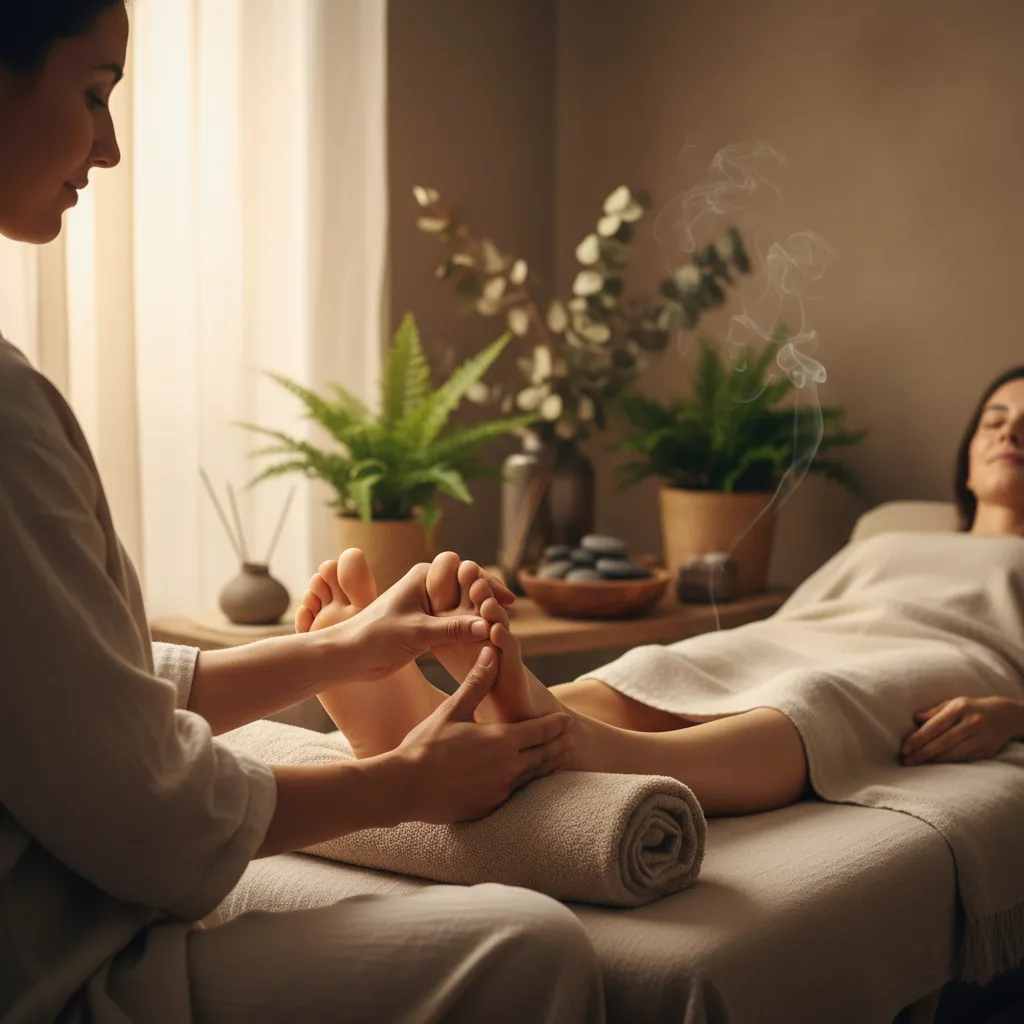
You will typically recline comfortably on a treatment couch or chair. The practitioner will work on your feet (or sometimes hands/ears, depending on the protocol and your condition). The techniques used in RLD are notably gentle compared to general reflexology. You’ll experience light, rhythmic strokes and pressure on specific reflex points on your feet. Most clients find the experience profoundly relaxing, often drifting into a light sleep. A session typically lasts between 45 to 60 minutes.
You might feel subtle sensations throughout your body as the lymphatic system is stimulated. This can include a tingling sensation, a feeling of lightness, or increased urge to urinate as fluid begins to move more efficiently.
After the Session
Following an RLD session, it’s common to feel deeply relaxed and perhaps a little tired, often referred to as a “healing crisis” where the body is processing and releasing toxins. This is a normal and positive sign that your body is responding to the treatment. Possible post-session effects include:
- Increased urination or bowel movements.
- Temporary fatigue or heightened energy.
- Mild headaches (less common, often due to dehydration, reinforcing the need to drink water).
It is highly recommended to drink plenty of water to help flush out the mobilized toxins and continue to support your lymphatic system. Avoiding heavy meals, alcohol, and strenuous activity immediately after the session can also enhance the benefits.
Is Reflexology Lymphatic Drainage Right for You? Considerations and Consultations
While reflexology lymphatic drainage is a safe and beneficial therapy for many, it’s important to consider individual circumstances and always seek professional advice. Understanding contraindications and the importance of qualified practitioners ensures a safe and effective experience.
General Benefits for Wellness
RLD can be a valuable addition to anyone’s wellness routine, even without specific conditions. It offers:
- Stress Reduction: The calming nature of reflexology is inherently stress-reducing.
- Enhanced Well-being: Regular sessions can contribute to an overall feeling of balance and vitality.
- Proactive Health Maintenance: By supporting the lymphatic system, RLD acts as a preventative measure against various health challenges.
When to Exercise Caution or Avoid RLD
While generally safe, there are certain conditions where RLD should be approached with caution or avoided altogether. It is crucial to discuss your full medical history with your practitioner. General contraindications (though specific protocols may allow for adaptation by a skilled therapist) can include:
- Acute Infections or Fever: Stimulating the lymphatic system during an active infection could potentially spread it.
- Deep Vein Thrombosis (DVT): Massaging could dislodge a blood clot.
- Certain Cancers (untreated or unstable): While RLD can be beneficial for managing lymphoedema in cancer survivors, it should only be performed with medical clearance, especially if cancer is active or metastatic.
- Severe Heart Conditions: Increased fluid movement could potentially strain the heart.
- Pregnancy: While many forms of reflexology are safe during pregnancy, specific RLD techniques might need adaptation or be avoided in certain trimesters; always consult a practitioner specializing in prenatal care.
This list is not exhaustive, and a thorough consultation with both your medical doctor and your RLD practitioner is paramount.
Choosing a Qualified Practitioner
The effectiveness and safety of RLD largely depend on the skill and training of the practitioner. When seeking an RLD therapist:
- Look for specialized training: Ensure they have specific certification in Reflexology Lymphatic Drainage (RLD), not just general reflexology. Sally Kay’s method is widely recognized.
- Check credentials and affiliations: Reputable practitioners are often members of professional reflexology associations.
- Read testimonials: Feedback from other clients can provide insight into their approach and effectiveness.
A qualified practitioner will always conduct a comprehensive intake and be transparent about their training and experience. For further reading on the lymphatic system and its importance, resources like Lymph Notes provide valuable information.
Reflexology lymphatic drainage represents a refined approach to holistic wellness, offering profound benefits for detoxification, immune support, fluid balance, and recovery. Its gentle yet potent ability to stimulate the body’s natural cleansing mechanisms makes it an invaluable tool in the pursuit of optimal health. By understanding its principles and seeking out skilled practitioners, individuals can unlock a deeper level of well-being, fostering a harmonious balance within their internal landscape.
People Also Ask
What is the difference between manual lymphatic drainage and reflexology lymphatic drainage?
Manual Lymphatic Drainage (MLD) is a hands-on technique performed directly on the skin, using gentle, rhythmic strokes to stimulate lymphatic flow in areas of the body affected by swelling. Reflexology Lymphatic Drainage (RLD) is an adaptation of reflexology, applying specific techniques to lymphatic reflex points on the feet (or hands/ears) to stimulate the lymphatic system indirectly. RLD is non-invasive and can be beneficial when direct contact with swollen areas is difficult or contraindicated.
How often should I get reflexology lymphatic drainage?
The frequency of RLD sessions depends on individual needs and conditions. For acute fluid retention or post-operative recovery, more frequent sessions (e.g., once or twice a week) may be recommended initially. For general wellness, immune support, or chronic condition management, monthly or bi-monthly sessions can be beneficial. Your qualified RLD practitioner will provide a personalized treatment plan.
Is RLD safe for everyone?
While RLD is generally considered safe and gentle, there are certain contraindications where it should be avoided or adapted. These include acute infections, deep vein thrombosis (DVT), certain unstable cancers, or severe heart conditions. Pregnant individuals should also consult a specialist practitioner. A thorough health consultation with your RLD therapist and medical doctor is always recommended before starting treatment.
Can reflexology lymphatic drainage help with weight loss?
RLD primarily supports the body’s detoxification processes and fluid balance. While it can help reduce fluid retention, which might contribute to a temporary decrease in scale weight, it is not a direct weight-loss therapy. However, by improving metabolism, reducing inflammation, and enhancing overall well-being, RLD can support a healthy lifestyle that contributes to weight management.
What should I do after an RLD session?
After an RLD session, it is highly recommended to drink plenty of water to help flush out mobilized toxins and support lymphatic flow. You might feel deeply relaxed, an increased urge to urinate, or mild fatigue. Avoiding heavy meals, alcohol, and strenuous exercise immediately after can help maximize the benefits. Listen to your body and allow for rest if needed.
Does RLD hurt?
No, RLD is typically a very gentle and relaxing therapy. The techniques involve light, rhythmic pressure on specific reflex points, unlike deeper tissue massage. Most clients find the experience profoundly calming, and many even fall asleep during a session. Any discomfort should be immediately communicated to your practitioner.