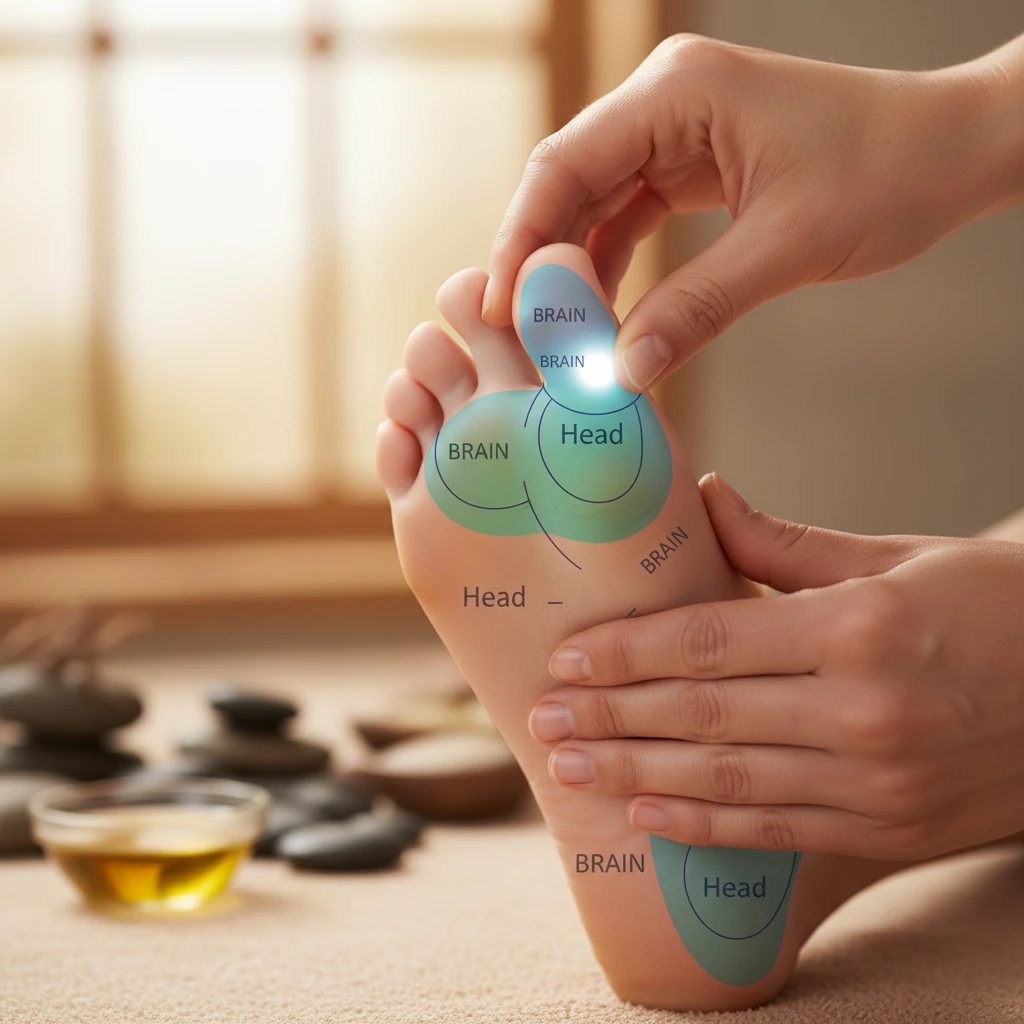
Reflexology for grief offers a compassionate and non-invasive complementary therapy that supports individuals navigating the complex emotions of loss. By applying targeted pressure to specific reflex points on the feet, hands, or ears, reflexology aims to promote deep relaxation, reduce stress, and facilitate emotional release, thereby aiding the body’s natural healing process during bereavement.
Understanding Reflexology and Its Role in Grief Healing
Grief is a profound and intensely personal journey, often manifesting not only emotionally but also physically. The body can store unprocessed grief as tension, fatigue, and even chronic pain. Traditional healing modalities often overlook the physical impact of emotional trauma, but reflexology offers a unique perspective, viewing the body as an integrated system where physical and emotional well-being are inextricably linked.
Reflexology operates on the principle that specific points on the extremities correspond to organs, glands, and systems throughout the body. By stimulating these reflex zones, practitioners aim to remove energy blockages, improve circulation, and encourage the body’s innate ability to heal. In the context of grief, this gentle stimulation can be incredibly powerful, offering a safe space for the release of pent-up emotions and physical tension without the need for direct verbal processing, which can be overwhelming for some.
The Mind-Body Connection in Grief
When experiencing grief, the nervous system often goes into a heightened state of stress. The sympathetic nervous system, responsible for our ‘fight or flight’ response, can become overactive, leading to symptoms like insomnia, anxiety, digestive issues, and muscle tightness. Reflexology encourages the activation of the parasympathetic nervous system, promoting rest, digestion, and healing. This shift is crucial for individuals who are struggling to find calm amidst their emotional storm. The soothing touch and rhythmic pressure can create a profound sense of security and relaxation, allowing the grieving individual to experience moments of respite and peace.
Moreover, grief can often leave individuals feeling disconnected from their bodies. Reflexology provides a tangible, grounding experience that helps bring awareness back to the physical self, fostering a sense of being present and cared for. This re-connection is vital for rebuilding a sense of self and moving forward, even incrementally, through the grieving process.
Lung Reflexes and Releasing Stored Grief
In many ancient healing traditions, including Traditional Chinese Medicine (TCM), the lungs are considered the organ associated with grief and sorrow. Unprocessed grief is believed to accumulate in the lungs, potentially leading to respiratory issues, sadness, and difficulty letting go. Reflexology offers a direct pathway to address these energetic and emotional accumulations.
Anatomy and Meridian Connections in Reflexology
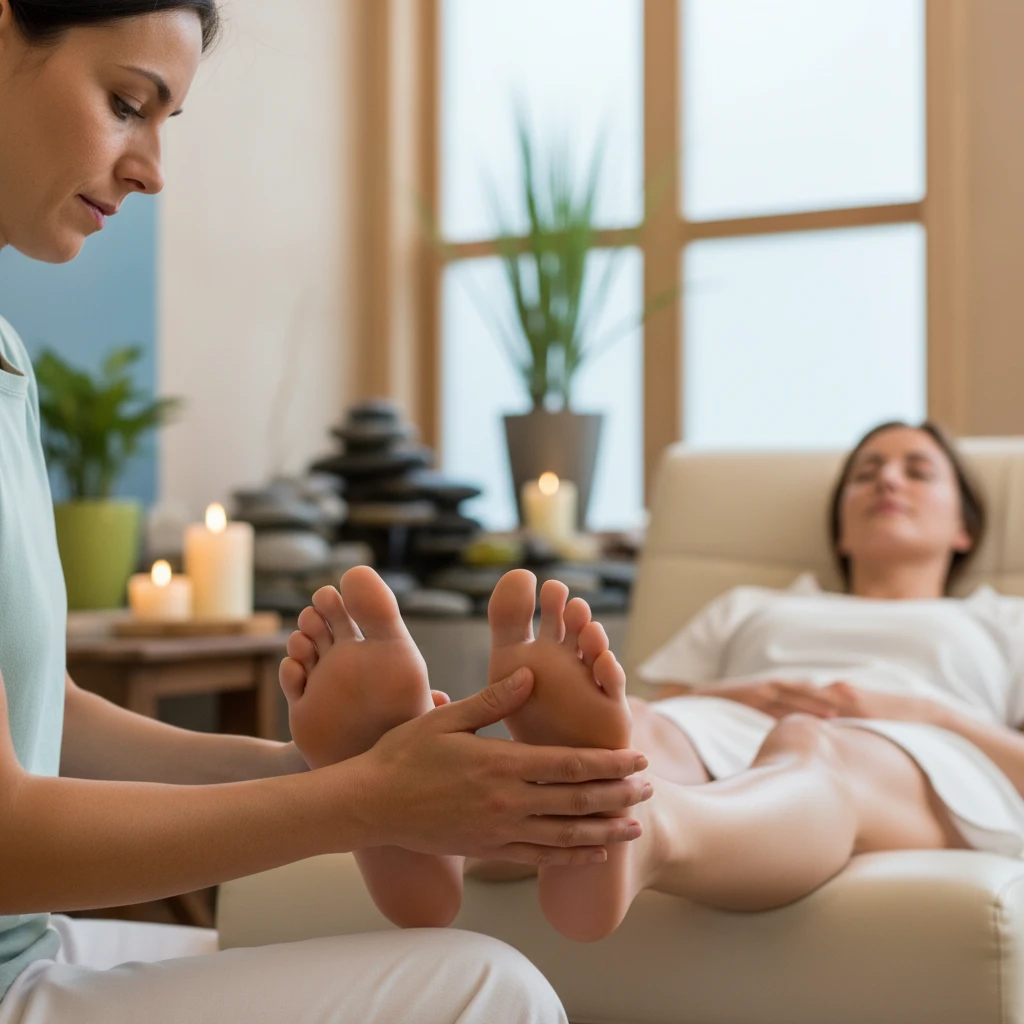
On the feet, the lung reflex points are typically located on the balls of the feet, just below the toes. Applying gentle, sustained pressure and specific techniques to these areas can help stimulate the lung meridian and encourage the release of stagnant energy. This physical manipulation is believed to facilitate a corresponding emotional release, often manifesting as tears, deep sighs, or a profound sense of calm.
Beyond the direct lung reflexes, working the entire respiratory system reflexes – including the bronchi, trachea, and diaphragm – can support overall lung health and expand the capacity for breath. Deep breathing is a fundamental aspect of stress reduction and emotional processing, and reflexology can help individuals breathe more fully and freely, which is often challenging when grief feels heavy in the chest.
Techniques for Releasing Lung-Based Grief
- Thumb Walking: Using the side of the thumb, practitioners apply a steady, caterpillar-like movement across the lung reflex areas, gradually covering the entire zone.
- Rotation: Gentle circular movements with the thumb or finger can help release tension and stimulate circulation in the lung reflexes.
- Sustained Pressure: Applying steady, non-invasive pressure to a specific point within the lung reflex can hold space for emotional release, allowing the body to process and let go at its own pace.
It’s important that these techniques are performed with a compassionate and understanding touch, as this area can be particularly sensitive for those holding deep sorrow.
Heart Chakra Balancing and Emotional Release
The heart chakra, Anahata, located in the center of the chest, is the energy center associated with love, compassion, connection, and grief. When experiencing loss, this chakra can become imbalanced or blocked, leading to feelings of isolation, despair, and an inability to give or receive love. Reflexology techniques can indirectly support the balancing of the heart chakra through specific reflex points.
The Heart’s Role in Grief and Emotional Well-being
Physically, the heart reflex points are typically found on the sole of the left foot, near the ball. Stimulating this area can have a profound impact on emotional well-being. By working the heart reflex, a reflexologist aims to reduce emotional congestion, calm the nervous system, and encourage feelings of peace and acceptance. This can be especially beneficial for individuals struggling with feelings of anger, bitterness, or a sense of injustice often associated with loss.
Moreover, reflexology can help activate the vagus nerve, a key component of the parasympathetic nervous system, which has a direct influence on heart rate, digestion, and mood. Gentle stimulation of reflexes related to the spine and neck can further enhance vagal tone, promoting a deeper state of relaxation and emotional regulation. For more on the interconnectedness of body systems and reflexology, consider exploring resources from reputable organizations such as the Association of Reflexologists.
Reflex Points for Heart and Emotional Support
- Heart Reflex: Located on the left foot, working this point gently yet firmly.
- Thymus Gland Reflex: Located near the heart reflex, the thymus gland is vital for the immune system and also plays a role in emotional processing.
- Solar Plexus Reflex: Situated in the center of the foot, this reflex helps calm anxiety and promotes a sense of inner peace.
- Adrenal Gland Reflex: Located above the kidney reflex, working this point can help reduce stress and support the body’s natural response to emotional overload.
Grounding During Emotional Turmoil and Instability
Grief can often make individuals feel unmoored, disconnected from reality, and emotionally unstable. The sensation of being