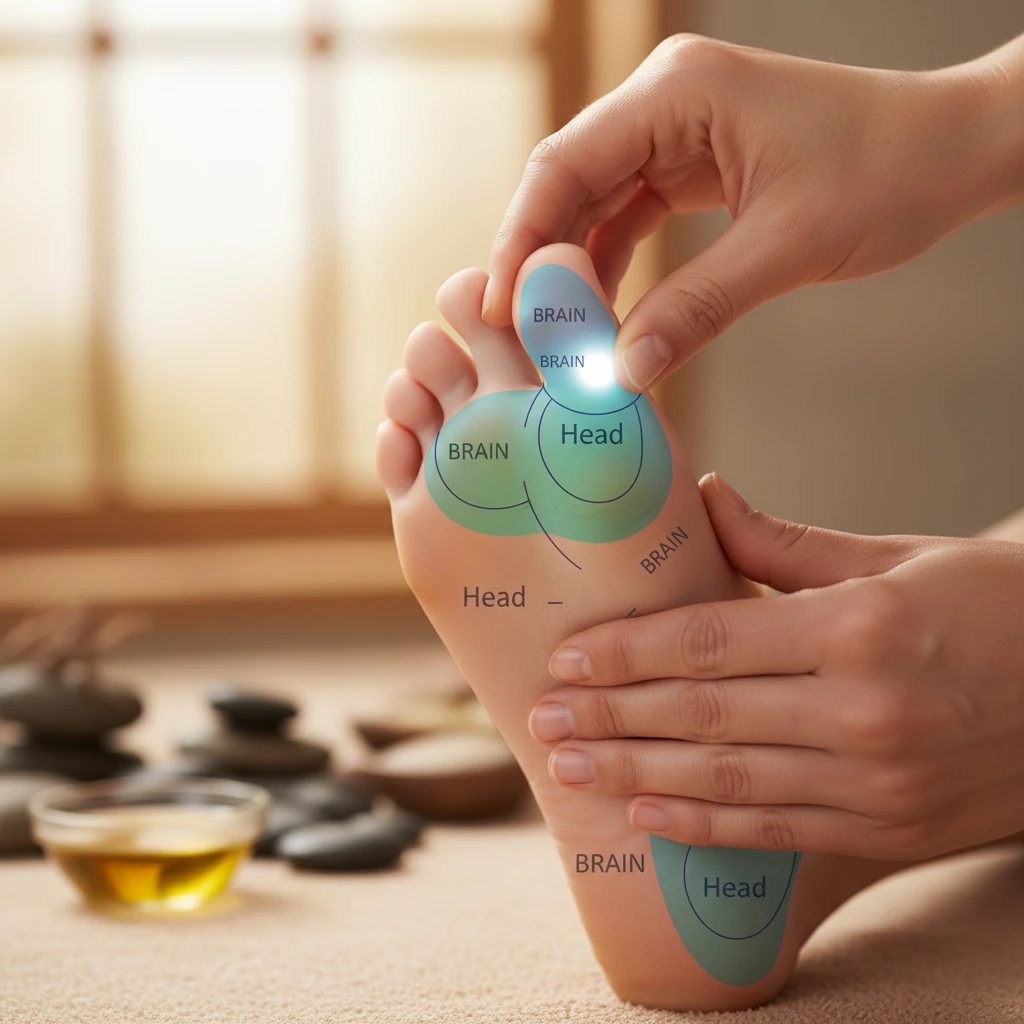
Reflexology for concentration involves applying pressure to specific reflex points on the feet, hands, and ears that correspond to areas of the brain and nervous system. This ancient practice aims to enhance mental clarity, sharpen focus, and alleviate brain fog by improving circulation, reducing stress, and balancing energy pathways within the body, fostering optimal cognitive function.
Understanding Reflexology: A Pathway to Enhanced Concentration
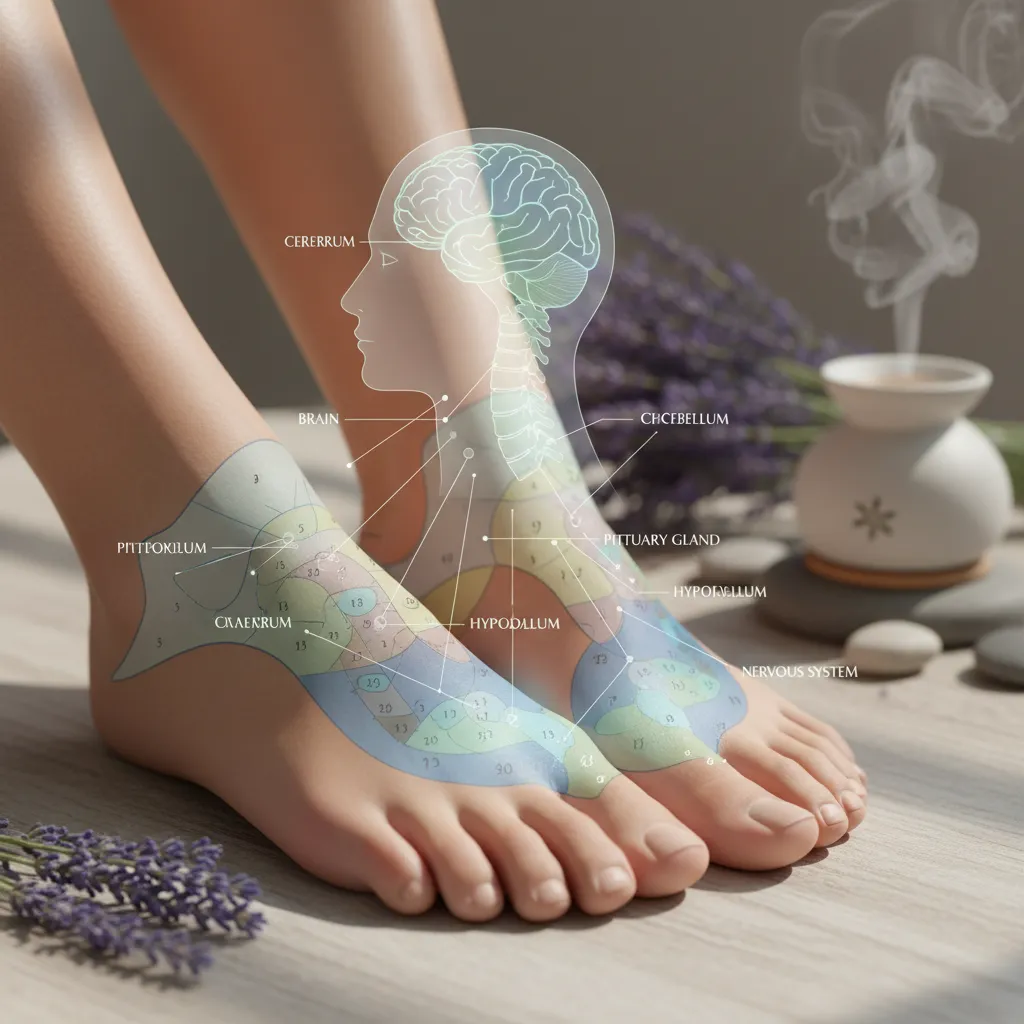
Reflexology is a complementary therapy based on the principle that there are reflex areas in the feet, hands, and ears that correspond to all organs, glands, and parts of the body. By applying specific pressure techniques to these reflex areas, a reflexologist can stimulate the body’s natural healing processes and promote overall well-being. Originating from ancient healing traditions, modern reflexology maps provide detailed representations of these connections, guiding practitioners to target specific areas for desired effects.
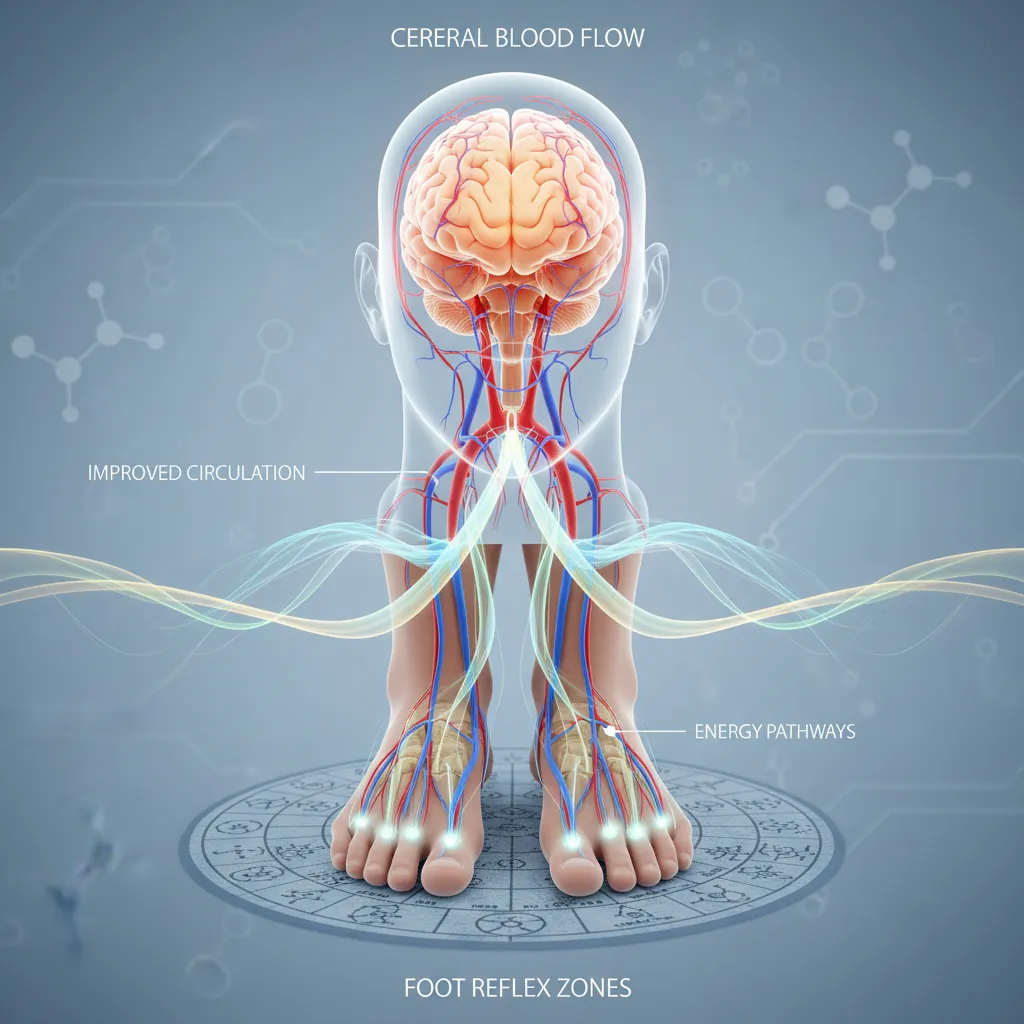
The core concept is that stimulating these reflexes sends signals through the nervous system, potentially unblocking energy pathways and improving circulation to the corresponding body parts. When applied to enhancing mental faculties, reflexology focuses on points linked to the brain, endocrine system (which regulates hormones vital for mood and cognition), and circulatory system. The gentle yet firm pressure helps to relax the body, reduce cortisol levels – the primary stress hormone – and promote a state conducive to clear thinking and improved concentration. This holistic approach doesn’t merely address symptoms but aims to restore balance within the entire system, creating an optimal internal environment for cognitive performance.
The Nervous System Connection
At the heart of reflexology’s efficacy for concentration lies its interaction with the nervous system. The application of pressure stimulates nerve endings, sending impulses to the brain and other parts of the body. This neural communication can help to regulate the autonomic nervous system, shifting it from a “fight or flight” (sympathetic) state to a “rest and digest” (parasympathetic) state. In this relaxed state, the brain is better able to process information, focus attention, and maintain mental clarity without the distractions of stress and anxiety. Furthermore, the improved nerve signal transmission ensures that communication pathways within the brain are functioning optimally, which is crucial for complex cognitive tasks.
Holistic Benefits for Cognitive Function
Beyond direct neurological stimulation, reflexology offers a cascade of holistic benefits that collectively support enhanced concentration. These include better sleep quality, reduced muscular tension, and improved mood. All these factors are intricately linked to cognitive function. For instance, insufficient sleep is a major contributor to brain fog and poor focus, while chronic stress can impair memory and decision-making. By addressing these underlying issues, reflexology creates a stable foundation upon which sharper concentration can be built. It’s not just about a temporary boost; it’s about fostering a sustained state of mental well-being that naturally translates into improved focus and mental acuity. Wikipedia provides further insights into the historical and scientific context of reflexology.
Clearing Brain Fog through Reflexology
Brain fog is a common complaint characterized by feelings of mental sluggishness, difficulty concentrating, forgetfulness, and a general lack of clarity. It’s not a medical condition itself but rather a symptom of underlying issues such as chronic stress, poor sleep, nutritional deficiencies, inflammation, or hormonal imbalances. Experiencing brain fog can significantly impact daily productivity, decision-making, and overall quality of life. Reflexology offers a gentle yet powerful approach to addressing the root causes and alleviating the symptoms of brain fog, restoring mental sharpness.
Targeting Endocrine Glands for Hormonal Balance
Many instances of brain fog are linked to hormonal imbalances. Reflexology directly addresses this by targeting reflex points corresponding to the endocrine glands. The pituitary gland, often referred to as the “master gland,” controls other glands and plays a crucial role in overall hormonal regulation. Stimulating its reflex point (located at the center of the big toe) can help balance the entire endocrine system. Similarly, the pineal gland (reflex point on the top of the big toe) produces melatonin, essential for regulating sleep cycles. Improved sleep directly translates to reduced brain fog. By promoting balance in these crucial glands, reflexology helps to stabilize hormone levels, leading to greater mental clarity and sustained focus.
Reducing Stress and Improving Detoxification
Chronic stress is a significant contributor to brain fog. Reflexology’s deeply relaxing effect helps to calm the nervous system, reducing the production of stress hormones like cortisol. The solar plexus reflex (located in the center of the ball of the foot) is often targeted for its profound ability to induce relaxation and reduce anxiety. Furthermore, by stimulating reflex points associated with the lymphatic system (along the sides of the feet and hands) and organs of detoxification such as the liver and kidneys, reflexology can aid the body in clearing toxins that might contribute to mental sluggishness. A body that efficiently eliminates waste is better equipped to support optimal brain function, leading to a noticeable reduction in feelings of fogginess and an increase in mental sharpness. This comprehensive approach helps to clear both physical and energetic blockages that impede cognitive vitality.
Stimulating the Cerebrum Reflex for Sharper Focus
The cerebrum is the largest part of the brain and is responsible for higher-level functions such as thought, memory, language, and voluntary movement. Enhancing its function is paramount for improving concentration and maintaining sustained mental engagement. In reflexology, specific areas on the feet, particularly the tips of the toes, correspond to the brain and, more specifically, the cerebrum. Learning to effectively stimulate these reflex points can provide a direct pathway to sharper cognitive performance and improved mental acuity.
Locating and Stimulating the Cerebrum Reflex
The reflex points for the cerebrum are primarily found on the tips of all toes, with the largest area corresponding to the brain located on the pads of the big toes. To stimulate these areas, apply firm, consistent pressure using your thumb or index finger in small circular motions or a “walking” technique across the pad of the toe. Focus particularly on the areas directly beneath the toenail and the very tip. Applying pressure for 30 seconds to a minute on each toe, alternating between feet, can be highly effective. It’s important to pay attention to any sensations – tenderness might indicate an imbalance in the corresponding area, which could benefit from more consistent attention.
Physiological Benefits for Cognitive Performance
The stimulation of the cerebrum reflex is believed to increase neural activity in the brain. This heightened activity can translate into several tangible cognitive benefits: improved processing speed, better memory recall, and an enhanced ability to filter out distractions. By sending targeted signals to the brain through these reflex pathways, reflexology aims to optimize brain function at a cellular level. Regular stimulation can lead to more robust neural connections, making it easier for the brain to learn new information, solve problems, and sustain focus over longer periods. This makes it an invaluable tool for students, professionals, and anyone seeking to boost their intellectual performance.
Integrating Cerebrum Stimulation into Your Routine
To maximize the benefits for sharper focus, integrate cerebrum reflex stimulation into your daily routine. This can be done as a morning ritual to prepare for the day’s mental tasks, during a mid-day break to combat the afternoon slump, or before engaging in demanding cognitive activities like studying or complex problem-solving. Consistency is key; even short, regular sessions can yield significant improvements over time. Combining this specific stimulation with overall relaxation techniques from reflexology can create a synergistic effect, providing both mental alertness and a calm state of mind necessary for optimal concentration.
Improving Oxygenation to the Brain via Reflexology
Oxygen is vital for optimal brain function. The brain consumes a disproportionately high amount of the body’s oxygen supply, and even a slight reduction in oxygen can impair cognitive abilities, leading to fatigue, poor concentration, and mental fogginess. Improving blood flow, and consequently oxygen delivery, to the brain is a critical strategy for enhancing mental clarity and focus. Reflexology offers a unique non-invasive method to support this by working on points related to the circulatory and respiratory systems.
Reflex Points for Enhanced Circulation
Several reflex points are directly associated with improving circulation throughout the body, including to the brain. The heart reflex (located on the left foot, just below the ball of the foot) is crucial for pumping blood efficiently. Stimulating this point can enhance cardiovascular function. Additionally, working the spinal reflex points (along the arch of both feet) can help to ensure clear neural pathways that regulate blood vessel dilation and constriction, thus optimizing blood flow. By encouraging robust circulation, reflexology helps to ensure that oxygen-rich blood reaches the brain effectively, fueling its complex activities and promoting alertness. Research on reflexology often highlights its positive effects on circulation and stress reduction, which are indirect benefits to brain health.
Optimizing Respiratory Function
Efficient oxygenation starts with healthy respiration. Reflexology targets points corresponding to the respiratory system to enhance lung capacity and improve the intake of oxygen. The lung reflexes are located on the balls of both feet, and the diaphragm reflex (a line just below the lung reflexes) is vital for deep, abdominal breathing. By stimulating these areas, reflexology can encourage deeper, more efficient breathing, which in turn increases oxygen absorption into the bloodstream. More oxygen in the blood means more oxygen delivered to the brain, supporting every aspect of cognitive function from memory to problem-solving. This not only boosts immediate clarity but also contributes to long-term brain health and resilience against cognitive decline.
Impact on Memory, Alertness, and Cognitive Performance
When the brain receives an ample supply of oxygen, its performance dramatically improves. This leads to increased alertness, better memory retention and recall, and enhanced problem-solving abilities. Reflexology’s impact on oxygenation helps to clear away the mental cobwebs, allowing for sustained attention and quicker thinking. Regular sessions can cultivate an environment where the brain consistently operates at its peak, making it easier to absorb new information, maintain focus during demanding tasks, and think creatively. This systematic improvement in oxygen supply is a cornerstone of reflexology’s role in boosting overall cognitive performance and mental vitality.

Reflexology Techniques for ADHD Support and Sustained Attention
Attention-Deficit/Hyperactivity Disorder (ADHD) is a neurodevelopmental condition characterized by persistent patterns of inattention, hyperactivity, and impulsivity that interfere with daily functioning and development. Individuals with ADHD often struggle significantly with concentration, focus, and maintaining sustained attention, making tasks requiring prolonged mental effort particularly challenging. While reflexology is not a cure for ADHD, it can serve as a valuable complementary therapy, offering a non-pharmacological approach to manage symptoms, promote calmness, and enhance the ability to focus.
Specific Reflexology Protocols for ADHD Symptoms
For individuals seeking support for ADHD symptoms, reflexology protocols often focus on points that promote calmness, reduce anxiety, and balance the nervous system. Key areas include the solar plexus reflex (for stress reduction), the adrenal glands (located just above the kidney reflexes, for managing the body’s stress response), and the pituitary and pineal glands (for hormonal balance, crucial in mood and sleep regulation). Additionally, stimulating the brain reflexes on the toes and the spinal reflexes can help to improve neural communication and overall nervous system function. Consistent application to these points aims to create a more balanced and regulated internal state, which can indirectly support better attention and impulse control.
Promoting Calmness and Reducing Hyperactivity
One of the primary benefits of reflexology for ADHD support is its profound ability to induce relaxation and reduce hyperactivity. Many individuals with ADHD experience internal restlessness and an inability to “slow down.” Reflexology sessions can help to shift the nervous system into a parasympathetic (rest and digest) state, counteracting the hyper-arousal often associated with ADHD. The calming effect helps to quiet the overactive mind, allowing for greater peace and stillness. This reduction in internal chaos makes it easier for individuals to settle, focus on tasks, and manage impulsive urges. Regular sessions can teach the body to achieve this calmer state more readily, providing a coping mechanism against the overwhelming stimuli of daily life.
Complementary Nature of Reflexology in ADHD Management
It is important to view reflexology as a complementary therapy that works alongside conventional ADHD treatments, rather than a replacement. When integrated into a comprehensive management plan that may include medication, behavioral therapy, and lifestyle adjustments, reflexology can significantly enhance overall well-being. By fostering a calmer state of mind, improving sleep, and reducing general stress levels, reflexology creates an optimal internal environment that supports improved cognitive function and behavioral regulation. It empowers individuals with ADHD to find moments of stillness and focus, ultimately enhancing their ability to engage with their environment more effectively and sustain attention for longer periods.
Integrating Reflexology into Your Daily Routine for Optimal Mental Clarity
To truly harness the power of reflexology for improved concentration and mental clarity, consistency and integration into your daily life are paramount. While professional reflexology sessions offer deep therapeutic benefits, self-application techniques can empower you to maintain and build upon these benefits between appointments. Making reflexology a regular part of your wellness regimen can lead to sustained improvements in focus, reduced brain fog, and a greater sense of mental equilibrium.
Self-Application Techniques and Tools
You don’t always need a professional to benefit from reflexology. Many effective techniques can be performed on yourself. Focus on the toe tips for cerebrum stimulation, the solar plexus point for relaxation, and the balls of the feet for lung and heart reflexes. Use your thumbs, knuckles, or even small reflexology tools to apply firm, consistent pressure. Dedicated reflexology balls or rollers can also be useful for stimulating larger areas of the feet. Start with short sessions, perhaps 5-10 minutes daily, focusing on the points most relevant to your specific needs. Consistency, even in brief intervals, is more effective than infrequent, long sessions. Remember to breathe deeply throughout your self-treatment to enhance relaxation and oxygenation.
Finding a Qualified Reflexologist
While self-reflexology is beneficial, seeking treatment from a qualified and certified reflexologist offers a deeper therapeutic experience. A professional reflexologist has extensive training in anatomy, physiology, and specific reflexology techniques. They can accurately identify sensitive or imbalanced reflex points, provide tailored treatment plans, and apply advanced pressure techniques that are difficult to self-administer. Look for practitioners who are certified by reputable associations in your region, ensuring they adhere to high standards of practice and ethics. Regular professional sessions, perhaps once a month or quarterly, can act as a powerful anchor for your mental clarity journey, complementing your daily self-care.
Combining with Other Lifestyle Practices
Reflexology thrives when integrated into a holistic lifestyle. For optimal mental clarity and concentration, consider combining your reflexology practice with other supportive habits. A balanced diet rich in omega-3 fatty acids, antioxidants, and whole foods provides essential nutrients for brain health. Regular physical activity boosts circulation and mood, further aiding focus. Mindfulness practices such as meditation or deep breathing exercises can complement the calming effects of reflexology, enhancing your ability to stay present and focused. Adequate hydration and sufficient, quality sleep are also non-negotiable for cognitive function. By creating a synergistic approach that includes reflexology alongside these healthy lifestyle choices, you can unlock your fullest potential for sustained concentration and profound mental well-being.
People Also Ask About Reflexology for Concentration
Can reflexology really improve my concentration?
Yes, many individuals report significant improvements in concentration and mental clarity through regular reflexology sessions. By reducing stress, improving circulation, balancing hormones, and enhancing overall relaxation, reflexology creates an optimal physiological state that supports better cognitive function and focus.
What specific reflex points are best for focus?
Key reflex points for focus include the tips of all toes (corresponding to the brain and cerebrum), the pituitary and pineal glands (on the big toe, for hormonal balance), the solar plexus (in the arch, for stress reduction), and points related to the circulatory and respiratory systems (on the balls of the feet and below).
How often should I do reflexology for mental clarity?
For initial improvements, weekly or bi-weekly professional sessions for 4-6 weeks are often recommended. For ongoing maintenance and self-care, daily 5-10 minute self-reflexology sessions, combined with monthly professional treatments, can provide sustained benefits for mental clarity and concentration.
Is reflexology safe for everyone, especially for ADHD?
Reflexology is generally considered safe for most people, including those with ADHD, as a complementary therapy. However, it’s always advisable to consult with a healthcare provider before starting any new treatment, especially if you have underlying health conditions, are pregnant, or are on medication. A qualified reflexologist will also conduct a thorough health intake.
Can reflexology help with memory in addition to concentration?
Yes, by improving overall brain health, circulation, oxygenation, and reducing stress, reflexology can indirectly support memory function. Enhanced mental clarity and focus often lead to better memory retention and recall, as the brain is operating more efficiently.
What does a reflexology session for concentration feel like?
A reflexology session for concentration typically feels deeply relaxing. You might experience sensations ranging from gentle pressure to a firmer, more invigorating touch on specific reflex points. Some areas might feel tender, indicating an imbalance, but the overall experience should be comfortable and calming. Many people feel a sense of lightness, mental clarity, and reduced tension afterward.