In our fast-paced modern world, the relentless demands of work and life can lead to a pervasive state of exhaustion known as burnout. More than just feeling tired, burnout manifests as a profound physical, emotional, and mental depletion, often accompanied by a sense of reduced accomplishment and loss of personal identity. While its effects are systemic, the body often signals distress in subtle ways, even in the extremities. Recognizing these signals and addressing the root causes is crucial for reclaiming vitality and well-being. This comprehensive guide explores how the ancient practice of reflexology offers a powerful, holistic pathway to alleviate and prevent burnout, focusing on restoring balance to the nervous system and promoting deep relaxation.
Reflexology for burnout offers a natural, non-invasive complementary therapy that targets specific reflex points on the feet, hands, or ears to stimulate the body’s innate healing mechanisms. By addressing systemic stress and restoring nervous system equilibrium, it provides a profound sense of relaxation and supports the body’s recovery from the debilitating effects of chronic exhaustion.
Understanding Burnout and Its Physical Manifestations
Burnout, officially recognized by the World Health Organization as an occupational phenomenon, extends far beyond typical fatigue. It’s characterized by three dimensions: feelings of energy depletion or exhaustion; increased mental distance from one’s job, or feelings of negativism or cynicism related to one’s job; and reduced professional efficacy. While often associated with work, it can stem from any chronic, unmanaged stress.
The physiological impact of burnout is significant. Chronic stress keeps the body in a prolonged state of ‘fight or flight,’ dominated by the sympathetic nervous system. This leads to elevated cortisol levels, inflammation, impaired immune function, digestive issues, and cardiovascular strain. Over time, these sustained stress responses deplete the body’s resources, leading to profound exhaustion and a cascade of physical symptoms. These symptoms can include persistent headaches, muscle tension, digestive problems, sleep disturbances, lowered immunity, and even changes in appetite. The body’s intricate network of nerves, particularly those linked to the feet, serves as a crucial feedback system, often reflecting internal imbalances long before they become overt illnesses. Understanding how these systemic issues manifest physically, especially in the extremities, provides a unique lens through which reflexology can offer targeted relief.

Signs of Physical Burnout in Feet: Recognizing Your Body’s Cues
Our feet are often overlooked, yet they are complex structures housing numerous nerve endings and reflex points that correspond to every organ, gland, and part of the body. In a state of burnout, these subtle indicators in the feet can provide crucial insights into internal imbalances and chronic stress. A skilled reflexologist is trained to detect these signs, often long before an individual consciously recognizes the depth of their exhaustion.
Common Indicators of Stress and Burnout in the Feet:
- Tension and Hardened Areas: Persistent tension or a ‘gritty’ texture in specific areas of the foot can indicate chronic stress in corresponding body parts. For example, tightness in the ball of the foot might relate to shoulder and lung tension, while tenderness in the arch could point to digestive issues exacerbated by stress.
- Pain Points and Sensitivity: Heightened sensitivity or sharp pain in certain reflex zones may signal an imbalance or overactivity in the associated organ or system. For instance, tenderness in the adrenal gland reflex point (located near the middle of the arch) is a strong indicator of adrenal fatigue and chronic stress. Similarly, discomfort in the solar plexus reflex (under the ball of the foot) often signifies acute stress and anxiety.
- Circulation Issues: Cold feet, numbness, or tingling can be symptoms of poor circulation, often a consequence of prolonged stress which constricts blood vessels. Reflexology aims to improve blood flow, thereby enhancing oxygen and nutrient delivery throughout the body.
- Skin Changes: Dry, flaky, or discolored skin, corns, or calluses in specific areas can sometimes reflect underlying issues. While often mechanical, in a holistic context, they can also hint at areas of chronic pressure or internal imbalance.
- Swelling or Puffiness: Fluid retention in the feet and ankles can be a sign of circulatory or lymphatic sluggishness, often worsened by a sedentary lifestyle or stress-induced inflammation.
During a reflexology session, a practitioner will systematically work through the feet, identifying these areas of imbalance. The goal isn’t just to alleviate local foot pain, but to use these points as a map to access and rebalance the entire body’s systems, thereby mitigating the systemic effects of burnout.
The Therapeutic Modality: How Reflexology Addresses Burnout
Reflexology is more than a simple foot massage; it’s a precise therapeutic practice rooted in the principle that specific points on the feet, hands, and ears are connected to various organs and systems via energy pathways. When these reflex points are stimulated through specific pressure techniques, they send signals through the nervous system, prompting the body to restore balance and initiate self-healing.
Mechanisms of Action:
- Nervous System Regulation: One of the primary benefits of reflexology for burnout is its profound effect on the autonomic nervous system. Chronic stress pushes the body into sympathetic dominance (fight or flight). Reflexology helps activate the parasympathetic nervous system (rest and digest), promoting deep relaxation, slowing heart rate, lowering blood pressure, and encouraging a state of calm.
- Improved Circulation: By stimulating nerve endings and promoting relaxation, reflexology can enhance blood and lymph circulation. Improved blood flow means better oxygen and nutrient delivery to cells and more efficient removal of waste products, aiding in cellular repair and energy production—crucial for recovery from burnout.
- Reduced Stress Hormones: Regular reflexology sessions have been shown to reduce levels of stress hormones like cortisol and adrenaline, which are often elevated during periods of burnout. This reduction helps to alleviate chronic inflammation and protect the body from the damaging effects of prolonged stress.
- Endorphin Release: The gentle yet firm pressure applied during reflexology can trigger the release of endorphins, the body’s natural pain relievers and mood elevators. This can help counteract the feelings of anhedonia and emotional numbness often associated with burnout.
- Detoxification: By stimulating various reflex points associated with the kidneys, liver, and intestines, reflexology can support the body’s natural detoxification processes, helping to clear toxins that may accumulate due to stress and a compromised metabolic state.
While not a cure for underlying systemic issues, reflexology serves as a powerful complementary therapy, supporting the body’s innate ability to cope with stress and recover from burnout. For more scientific insights into reflexology’s efficacy, you can refer to reputable sources such as Wikipedia’s page on Reflexology.
Restoring Nervous System Balance Through Targeted Reflexology
At the heart of burnout recovery lies the critical need to rebalance the autonomic nervous system. Chronic stress throws the sympathetic (fight or flight) system into overdrive, while the parasympathetic (rest and digest) system becomes suppressed. Reflexology offers a direct path to stimulate the vagus nerve and encourage parasympathetic activation, thus facilitating profound relaxation and healing.
Key Reflex Points for Nervous System Restoration:
- Solar Plexus (Diaphragm): Located just below the ball of the foot in the center, this reflex point is a major energy center and often feels tender when stress is high. Gentle, sustained pressure here helps to release accumulated tension, calm anxiety, and promote deep, diaphragmatic breathing. It acts as a direct switch to the parasympathetic nervous system.
- Adrenal Glands: Found in the arch of the foot, stimulating these points can help regulate the production of stress hormones like cortisol. While initial sessions might focus on calming overactive adrenals, longer-term treatment aims to support their healthy function, preventing exhaustion.
- Pituitary Gland: Located at the center of the big toe’s pad, the pituitary is the ‘master gland’ of the endocrine system. Stimulating this point helps to harmonize hormonal balance, which is often disrupted during burnout, influencing everything from sleep cycles to mood.
- Pineal Gland: Also on the big toe, stimulating the pineal gland reflex can support melatonin production, improving sleep quality – a critical component of burnout recovery.
- Spine Reflex: Running along the inner edge of the foot, from the big toe to the heel, working this area helps to relax the entire spinal column and the central nervous system, releasing physical and nervous tension.
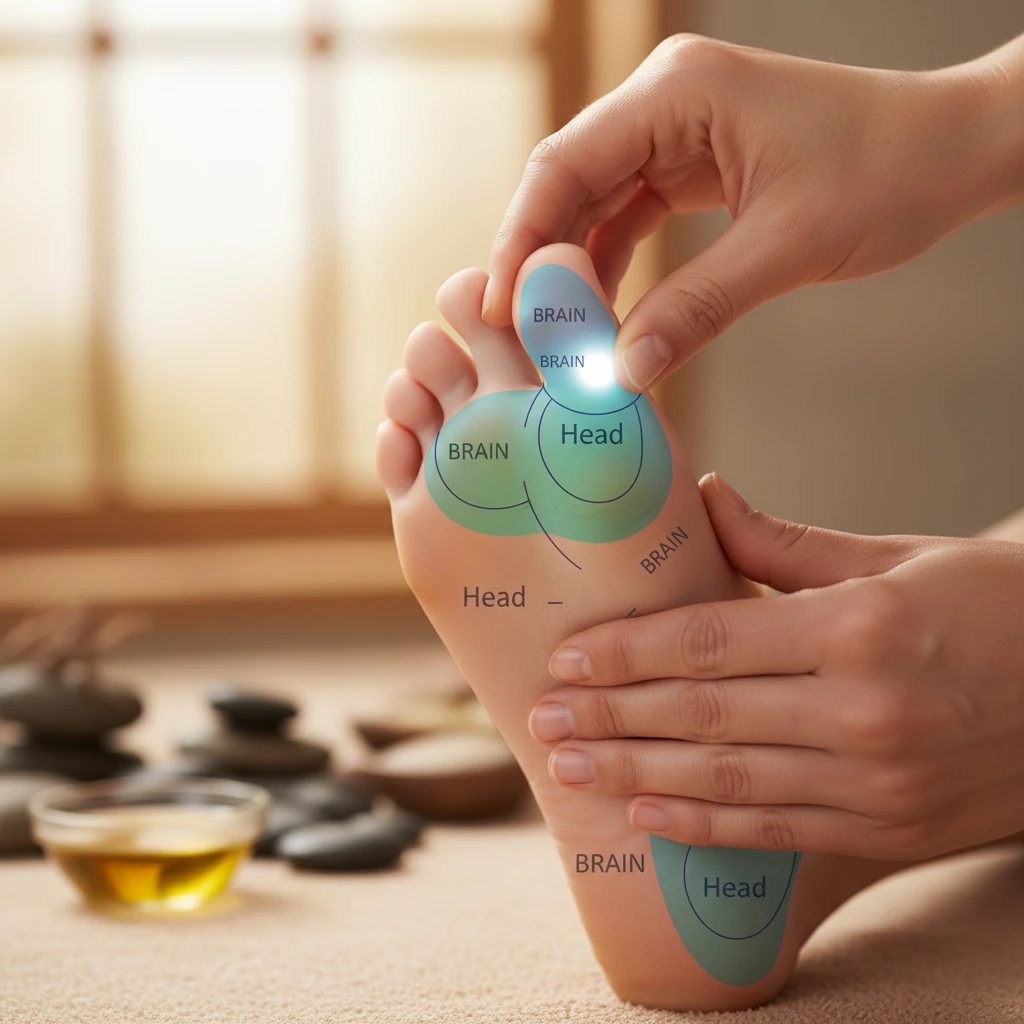
- Head/Brain Reflexes: The toes, particularly the tips, correspond to the head and brain. Gentle rotation and pressure here can help clear mental fog, improve focus, and alleviate stress-related headaches.
A reflexologist will typically use a combination of thumb and finger walking techniques, applying specific pressure to these points. The immediate effect is often a deep sense of calm, but with consistent sessions, the body learns to maintain a more balanced state, significantly aiding in recovery from burnout.
Quick Stress-Busting Techniques: Self-Reflexology for Immediate Relief
While professional reflexology sessions are invaluable for comprehensive treatment, incorporating simple self-reflexology techniques into your daily routine can provide immediate relief from acute stress and prevent the escalation towards burnout. These quick methods can be done anywhere, anytime, empowering you to take control of your stress response.
Effective Self-Reflexology for Instant Calm:
- The Solar Plexus Release: Sit comfortably and bring one foot onto your opposite knee. Using your thumb, press firmly into the solar plexus reflex point (just below the ball of the foot, in the center). Apply gentle, sustained pressure for 30-60 seconds, breathing deeply. You may feel a slight tenderness, which indicates energy blockage. Repeat on the other foot. This is excellent for immediate anxiety relief.
- Big Toe Brain Boost: Hold your big toe with your thumb and forefinger. Gently but firmly press and rotate the entire toe, focusing on the pad and tip (corresponding to the brain and pituitary gland). Work each toe for 20-30 seconds. This helps to clear the mind, reduce mental fatigue, and promote mental clarity.
- Adrenal Support Rub: Locate the adrenal gland reflex in the arch of your foot (approximately one-third of the way down from the ball of the foot). Using your thumb, apply firm circular pressure for 30-60 seconds. This helps to calm overactive adrenals and provide a sense of groundedness.
- Spine Calming Sweep: Using your thumb, gently but firmly sweep along the inner edge of your foot, from the base of the big toe all the way down to the heel. Repeat this motion several times on each foot. This helps to release tension along the spine and central nervous system, promoting overall relaxation.
- Overall Foot Rub: Finish by simply giving your entire foot a good, firm rub. Pay attention to any areas of tension or tenderness, gently massaging them. This general stimulation helps to improve circulation and create a sense of well-being.
These techniques require no special equipment and can be performed discreetly under a desk, during a break, or as part of a bedtime routine. Consistency is key; even a few minutes daily can make a significant difference in managing stress levels and building resilience against burnout. Implementing these small practices can be a powerful tool in your holistic health arsenal, complementing regular professional reflexology for optimal results.
Integrating Reflexology for Long-Term Prevention and Holistic Wellness
While reflexology is highly effective for alleviating the symptoms of existing burnout, its true power lies in its preventative potential. Regular sessions, combined with a holistic approach to wellness, can build resilience against stress and prevent the deep exhaustion associated with burnout from recurring. It’s about shifting from reactive treatment to proactive self-care.
Elements of a Holistic Burnout Prevention Strategy:
- Consistent Reflexology Sessions: Regular appointments (e.g., weekly, bi-weekly, or monthly depending on individual needs) help maintain nervous system balance, support organ function, and provide a consistent opportunity for deep relaxation and stress release. This ongoing maintenance prevents stress from accumulating to critical levels.
- Mindfulness and Meditation: Practices that cultivate present-moment awareness enhance the benefits of reflexology by further training the nervous system to remain calm and focused. Just like reflexology, mindfulness helps to activate the parasympathetic response.
- Balanced Nutrition: A diet rich in whole foods, antioxidants, and essential nutrients supports overall physical health, fuels energy production, and aids in stress hormone regulation. Avoiding processed foods, excessive caffeine, and sugar can significantly reduce physical stressors.
- Adequate Sleep Hygiene: Prioritizing 7-9 hours of quality sleep per night is non-negotiable for burnout recovery and prevention. Reflexology can improve sleep, and good sleep habits, in turn, amplify reflexology’s benefits.
- Regular Physical Activity: Exercise is a powerful stress reliever, boosting mood, improving circulation, and promoting restorative sleep. Even moderate activity, such as walking, can make a significant difference.
- Setting Boundaries: Learning to say ‘no,’ delegating tasks, and creating clear distinctions between work and personal life are crucial for preventing the emotional and mental depletion of burnout.
- Connecting with Nature and Community: Spending time outdoors and fostering strong social connections can reduce feelings of isolation and provide emotional support, both vital buffers against burnout.
Integrating reflexology into a broader wellness plan allows individuals to address burnout from multiple angles—physical, mental, and emotional. It provides a foundational support system that empowers the body’s natural healing capabilities, fostering a sustainable state of well-being. For more information on holistic stress management, resources from leading health organizations can be incredibly helpful.
Scheduling for Prevention: Making Reflexology a Consistent Practice
The effectiveness of reflexology, particularly in preventing burnout, is significantly enhanced by consistency. Just as consistent exercise builds physical strength, regular reflexology sessions build the body’s resilience to stress and maintain nervous system equilibrium. The optimal frequency depends on an individual’s current state of health, stress levels, and personal goals, but a structured approach yields the best results.
Establishing a Preventative Reflexology Routine:
- Initial Phase (Acute Burnout/High Stress): If you are currently experiencing significant burnout symptoms, a more intensive schedule might be beneficial. This could involve weekly sessions for 4-6 weeks to help bring the body back into a state of balance. The goal here is rapid relief and stabilization.
- Maintenance Phase (Prevention/Ongoing Wellness): Once symptoms have subsided and a sense of well-being is restored, a maintenance schedule of bi-weekly or monthly sessions is often recommended. This frequency helps to sustain the benefits, monitor stress accumulation, and prevent a relapse into burnout. Some individuals may find quarterly sessions sufficient if their overall stress levels are low and they integrate other self-care practices.
- Listen to Your Body: Pay attention to early warning signs of stress or fatigue. If you feel stress building, consider scheduling an extra session. Reflexology can be a powerful tool for self-awareness, helping you recognize subtle imbalances before they become overwhelming.
- Finding a Qualified Practitioner: Seek out certified and experienced reflexologists who specialize in stress and burnout. A good practitioner will conduct an initial consultation to understand your health history and tailor sessions to your specific needs. Organizations like the American Reflexology Certification Board (ARCB) can help you find certified professionals.
- Combining with Self-Care: Professional sessions are amplified when combined with the daily self-reflexology techniques discussed earlier. This holistic approach ensures continuous support for your nervous system and overall well-being.
By proactively integrating reflexology into your lifestyle, you transform it from a reactive treatment into a powerful preventative strategy. This commitment to consistent care empowers you to build resilience, manage stress effectively, and cultivate lasting well-being, safeguarding yourself against the debilitating effects of executive burnout.
Reflexology offers a profound, natural pathway to recovery and prevention from burnout. By recognizing the body’s signals in the feet, understanding the science of nervous system balance, and committing to consistent care, individuals can reclaim their energy, mental clarity, and emotional well-being. It is a powerful tool in the holistic health arsenal, promoting deep relaxation and sustainable resilience against the relentless pressures of modern life.