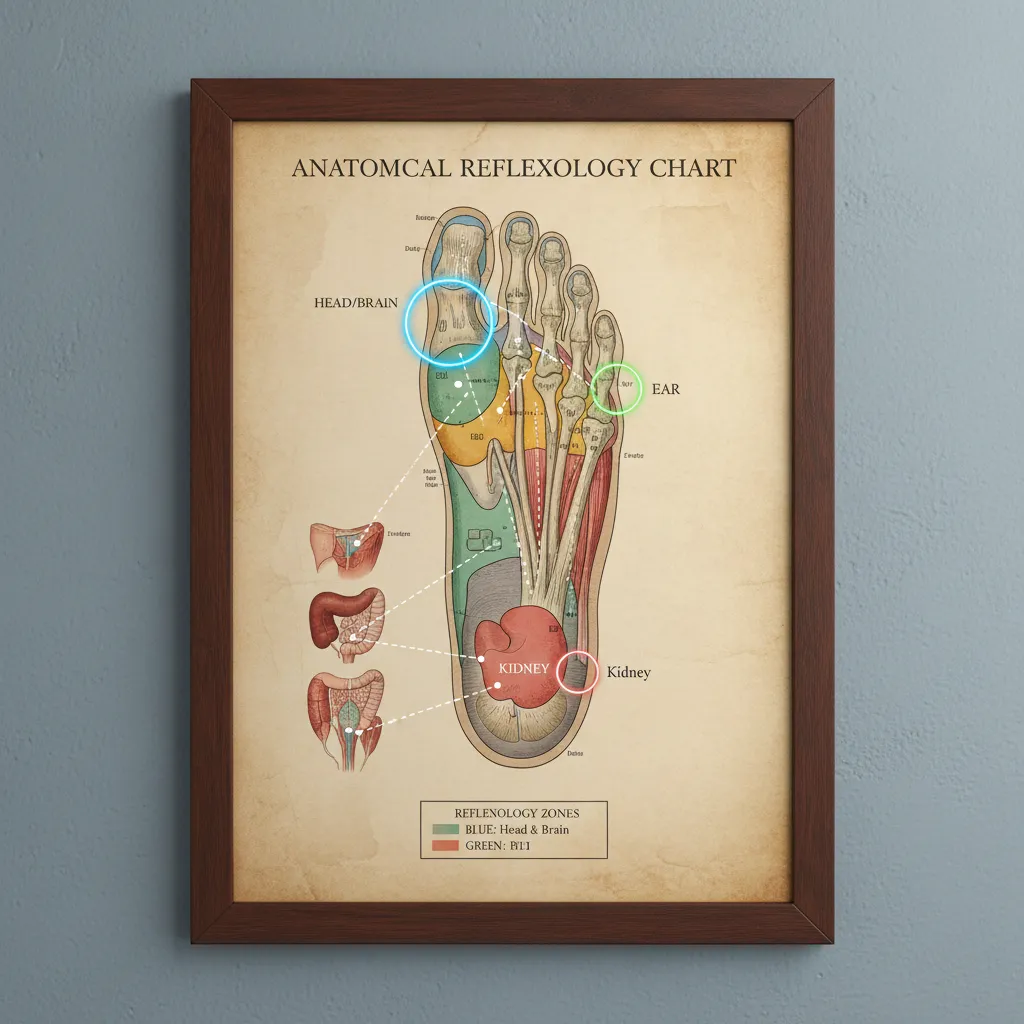
Natural remedies for cluster headaches focus on aborting acute attacks and preventing future cycles by addressing the root neurological causes. Key interventions include high-flow oxygen therapy to induce vasoconstriction, high-dose melatonin to regulate the hypothalamus, and magnesium supplementation to stabilize nerve function. Additionally, capsaicin nasal sprays can desensitize the trigeminal nerve to reduce pain intensity.
Understanding the “Suicide Headache”
Cluster headaches are widely considered one of the most painful conditions known to medical science. Often referred to as “suicide headaches,” they are distinct from migraines or tension headaches due to their severe intensity, strictly unilateral (one-sided) nature, and cyclical patterns. From a holistic perspective, understanding the pathophysiology of these headaches is the first step toward effective management without solely relying on heavy pharmaceuticals.
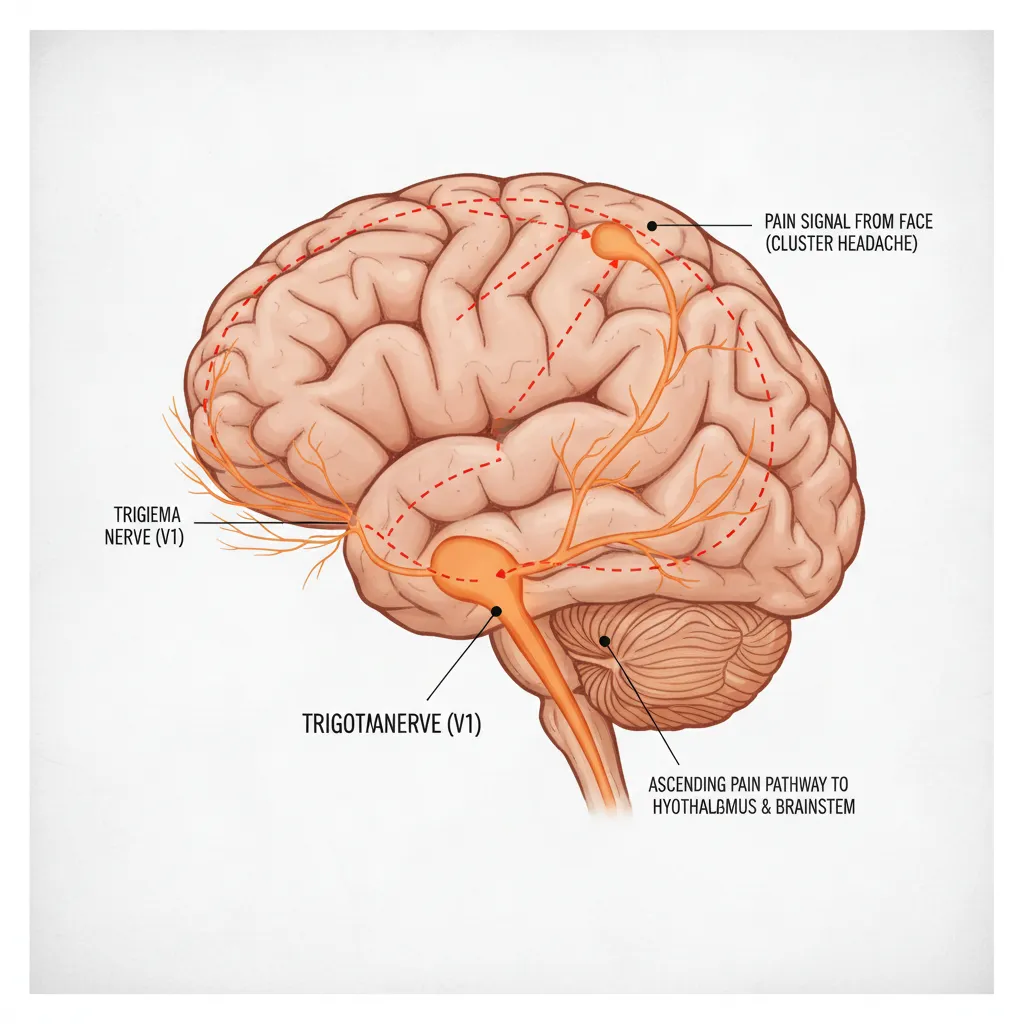
Current research suggests that cluster headaches originate in the hypothalamus, the part of the brain responsible for the body’s biological clock or circadian rhythm. During a cluster cycle, the hypothalamus becomes overactive, triggering the trigeminal nerve system. This activation leads to vasodilation (widening of blood vessels) and inflammation near the ophthalmic nerve, causing the characteristic stabbing pain behind one eye.
While pharmaceutical interventions like triptans are common, they often come with side effects and rebound risks. This guide explores authoritative, science-backed natural strategies to manage these attacks, focusing on oxygenation, hypothalamus regulation, and nervous system sedation.
Oxygenation Techniques for Immediate Relief
Oxygen therapy is arguably the most effective natural abortive treatment for cluster headaches. Unlike pharmacological painkillers that can take nearly an hour to work, oxygen can provide relief within 15 to 20 minutes. The mechanism involves significant vasoconstriction of the dilated blood vessels in the brain, effectively countering the pressure that causes the pain.
High-Flow Oxygen Therapy
For oxygen to be effective as a natural remedy, it must be administered correctly. The standard protocol requires inhaling 100% pure oxygen at a high flow rate—typically 12 to 15 liters per minute—through a non-rebreather mask. This ensures that the patient is not re-inhaling exhaled carbon dioxide.
While this often requires a prescription for the tank itself, it is considered a bio-identical, drug-free intervention. It introduces no foreign chemicals into the body, merely a concentrated element essential for life. Studies have shown that up to 70% of patients experience significant relief within 15 minutes of high-flow oxygen therapy.
Breathwork and Deep Diaphragmatic Breathing
For those without immediate access to medical-grade oxygen, specific breathing techniques can help manage pain and potentially shorten attacks, although they are less potent than pure oxygen. Techniques such as the Wim Hof Method or deep diaphragmatic breathing increase blood oxygen saturation levels naturally.
During the onset of a shadow (the warning sign of a headache), engaging in rapid, deep breathing followed by retention can alter the blood pH and induce mild vasoconstriction. This practice also engages the parasympathetic nervous system, helping to counteract the “fight or flight” panic that often accompanies the onset of extreme pain.
Hypothalamus Regulation Points
Since the hypothalamus is the generator of cluster headaches, regulating its function is paramount for long-term prevention. The hypothalamus controls our sleep-wake cycles, hormone release, and body temperature. Disruption in these rhythms is a primary trigger for cluster cycles.
Melatonin and Circadian Rhythm Reset
Melatonin levels are often chronically low in episodic cluster headache sufferers. Melatonin is not just a sleep aid; it is a neurohormone that communicates directly with the hypothalamus. Clinical evidence supports the use of high-dose melatonin (typically 10mg to 25mg, though one should consult a healthcare provider) taken at night to help break a cluster cycle.
By elevating melatonin levels, you signal the hypothalamus to downregulate its activity, potentially reducing the frequency of nighttime attacks, which are notoriously common in cluster sufferers. For more detailed information on circadian rhythms, resources like the National Center for Biotechnology Information (NCBI) offer extensive studies on melatonin’s role in headache disorders.
Blue Light Management
Because the hypothalamus is light-sensitive, exposure to artificial blue light from screens (phones, computers, LEDs) late at night can confuse the brain’s biological clock, suppressing melatonin production and potentially triggering the hypothalamus. Implementing strict “light hygiene”—using blue light blocking glasses after sunset and maintaining a pitch-black sleeping environment—is a crucial, non-invasive way to support hypothalamus regulation.
Nutritional Support and Supplementation
Deficiencies in certain minerals and vitamins can lower the seizure threshold of the brain and increase nerve excitability. Correcting these imbalances is a foundational aspect of holistic support.
The Vitamin D3 Anti-Inflammatory Regimen
Vitamin D3 acts more like a steroid hormone than a simple vitamin. High doses of Vitamin D3, combined with cofactors like Omega-3 fatty acids, have shown promise in reducing the frequency of cluster attacks. This regimen works by reducing systemic inflammation and supporting neurological health. Because Vitamin D is fat-soluble, it must be taken with magnesium and Vitamin K2 to ensure proper absorption and to prevent calcium from depositing in the arteries.
Magnesium: The Natural Beta-Blocker
Magnesium is essential for nerve transmission and blood vessel regulation. Intravenous magnesium sulfate is sometimes used in emergency rooms to stop cluster attacks. Orally, forms like Magnesium Glycinate or Magnesium Threonate (which crosses the blood-brain barrier) can help relax blood vessels and calm overactive nerves. It acts as a natural calcium channel blocker, preventing the excessive contraction of vessels that leads to pain.
Kudzu Extract
Kudzu root, a staple in traditional Chinese medicine, has gained traction in the cluster headache community. It contains isoflavones that may help improve blood flow in the brain without the severe dilation associated with an attack. Many sufferers report that taking Kudzu supplements at the onset of a cycle can reduce the intensity and frequency of the headaches.

Nervous System Sedation and Stress Management
The intense pain of a cluster headache triggers a massive sympathetic nervous system response (fight or flight). Calming the nervous system is essential for enduring the cycle and reducing the terror associated with the attacks.
Vagus Nerve Stimulation
The vagus nerve is the main component of the parasympathetic nervous system. Stimulating it can help sedate the nervous system and lower heart rate. Natural ways to stimulate the vagus nerve include:
- Cold Exposure: Splashing ice-cold water on the face or applying an ice pack to the chest can trigger the “diving reflex,” instantly slowing the heart rate and calming the nervous system.
- Humming or Chanting: The vibration of the vocal cords stimulates the vagus nerve as it passes through the neck.
- Slow Exhalation: Breathing out for twice as long as you breathe in signals safety to the brain.
Herbal Sedatives
Herbs that promote relaxation can be beneficial during the high-stress period of a cluster cycle. Valerian root, passionflower, and skullcap are nervines that help seduce the nervous system into a state of rest. While they will not stop an attack in progress, they can help lower the baseline anxiety that often triggers tension and exacerbates pain perception.
Pain Management During Active Cycles
When in the middle of a cycle, the goal is survival and pain reduction. Apart from oxygen, several physical therapies can assist.
Capsaicin Nasal Sprays
Capsaicin is the active compound in chili peppers. When applied to the nasal mucosa (on the same side as the headache), it depletes Substance P, a neurotransmitter that sends pain signals to the brain. While the initial application burns, consistent use can desensitize the trigeminal nerve endings, reducing the severity of subsequent attacks.
Temperature Therapy
Contrast therapy can be helpful. Some sufferers find relief with ice packs applied to the temple or the base of the skull to constrict blood vessels. Others find that hot showers or heating pads on the neck help relax the muscles that tense up in response to the pain. Experimentation is key, as triggers and relievers can be highly individual.
Trigger Avoidance
During a cycle, the brain is hypersensitive. Avoiding known vasodilators is critical. This includes:
- Alcohol: Even a small amount can trigger an attack within minutes during a cycle.
- Nitrates: Found in processed meats like bacon and hot dogs.
- Strong Smells: Perfumes, solvents, and gasoline can trigger the trigeminal nerve.
When to Seek Medical Help
While natural remedies for cluster headaches can provide significant relief and support, these headaches are a serious neurological condition. If you are experiencing new symptoms, if the pattern of your headaches changes, or if natural methods fail to provide relief, it is imperative to consult a neurologist. For more information on treatment standards, the American Migraine Foundation provides excellent resources for patients.
People Also Ask
How do you stop a cluster headache naturally?
The most effective way to stop a cluster headache naturally is through high-flow oxygen therapy (12-15 liters per minute). Other methods include vigorous exercise at the onset of an attack to induce vasoconstriction, or using capsaicin nasal spray to desensitize the nerve endings.
What is the best vitamin for cluster headaches?
Vitamin D3 is widely considered the best vitamin for cluster headaches. High-dose Vitamin D3 regimens, often combined with Omega-3s and Magnesium, serve as an anti-inflammatory protocol that helps prevent cluster cycles.
Can drinking water help cluster headaches?
While hydration is essential for overall health, simply drinking water is rarely enough to abort a cluster headache. However, dehydration is a common headache trigger, so maintaining optimal hydration can help prevent the onset of attacks.
Does caffeine help cluster headaches?
Yes, caffeine can help some sufferers. Caffeine is a vasoconstrictor, meaning it narrows blood vessels. Drinking a strong cup of coffee or an energy drink at the very first sign of a shadow may help abort or reduce the severity of an attack.
What triggers cluster headaches?
Common triggers include alcohol (a major vasodilator), strong odors (perfume, petrol), nitroglycerin, processed meats containing nitrates, sleep deprivation, and high-altitude travel.
How long does a cluster headache cycle last?
An episodic cluster headache cycle typically lasts between 6 to 12 weeks. During this time, headaches may occur daily or multiple times a day. Remission periods between cycles can last for months or even years.